Main Courses
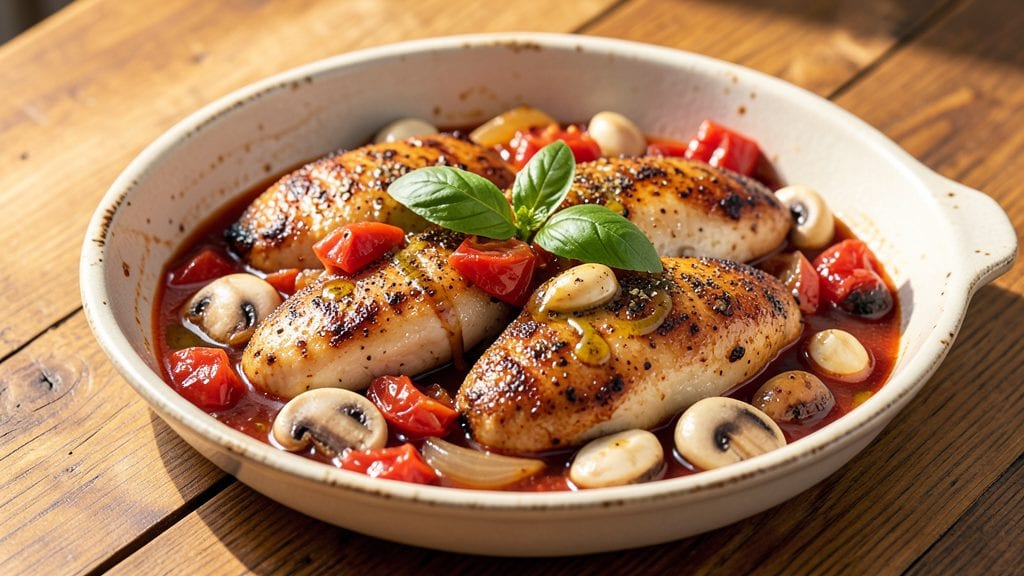
Betty Crocker’s chicken cacciatore delivers that restaurant-worthy tomato-braised richness with herbs and wine—perfect for a weeknight dinner that feels special. 💛 I developed this version after years of testing, balancing Betty Crocker’s family-friendly approach with professional techniques to ensure tender chicken and a deeply flavorful sauce.
The secret lies in a simple marinade of garlic, olive oil, and Italian herbs, followed by slow braising in a rich tomato-wine sauce with bell peppers and onions. This method transforms tough chicken thighs into melt-in-your-mouth bites while building layers of flavor that’ll have everyone asking for seconds.
By the time you serve this dish, you’ll have a foolproof meal that pairs beautifully with crusty bread or pasta to soak up every last drop of that aromatic sauce. The herbs infuse the wine and tomatoes, creating a balance of acidity and depth that’s both comforting and elegant.
Ready in under 90 minutes, this recipe is designed for home cooks who want restaurant-quality results without the fuss. Let’s get started—your dinner guests won’t believe it’s homemade.
Ingredients for betty crocker chicken cacciatore
Nine essential ingredients transform simple chicken into restaurant-quality cacciatore with bold tomato-wine richness.
| Ingredient | Amount | Notes |
|---|---|---|
| Boneless, Skinless Chicken Thighs 🍗 | 1 ½ lb | Trimmed of excess fat |
| Extra-Virgin Olive Oil 🫒 | ¼ cup | For marinating and searing |
| Garlic Cloves 🧄 | 6 cloves | Minced for marinade |
| Dried Italian Seasoning 🌿 | 1 tbsp | Or 1 tsp each dried oregano/thyme/rosemary |
| Dry Red Wine 🍷 | ½ cup | Cabernet Sauvignon preferred |
| Canned Crushed Tomatoes 🍅 | 14 ½ oz | San Marzano if available |
| Red Bell Pepper 🌶️ | 1 whole | Sliced into strips |
| Yellow Onion 🧅 | 1 whole | Diced, medium size |
| Fresh Rosemary 🌿 | ¼ cup | Chopped, stems removed |
| Fresh Thyme 🌿 | ¼ cup | Leaves only, stems removed |
| Dry White Wine 🍷 | ¼ cup | For deglazing |
| Chicken Broth 💧 | ½ cup | Low-sodium preferred |
| All-Purpose Flour 🌾 | 2 tbsp | For thickening sauce |
| Kosher Salt 🧂 | 1 ½ tsp | Diamond Crystal preferred |
| Freshly Ground Black Pepper 🌶️ | ½ tsp | Cracked peppercorns preferred |
The chicken thighs are the foundation—bone-in, skin-on if you can find them, but boneless works too. Trader Joe's and Costco often carry pre-trimmed thighs at great prices. Look for thighs with good marbling—they stay juicier during braising. The garlic is non-negotiable; I always roast mine first for 10 minutes at 400°F to mellow the flavor and add depth. For the Italian seasoning, Penzeys bulk blends are worth the splurge if you cook often, but the grocery store stuff works fine for occasional use.
No red wine? Substitute beef broth with a splash of balsamic vinegar—it won’t be identical, but it’ll still taste amazing. Fresh herbs are ideal, but dried thyme at one-third the amount works in a pinch. The crushed tomatoes should be San Marzano if possible—they’re sweeter and less acidic, which balances the wine perfectly. If you’re using regular canned tomatoes, strain out any excess liquid before adding to the pan to avoid a watery sauce. The bell pepper can be any color, but red stays vibrant longest when cooked.
This sauce gets better with time—reheat gently on the stove with a splash of water or broth to restore moisture. Keeps 4-5 days in the fridge, freezes beautifully for 3 months. I always make a double batch because the leftovers reheat even better the next day. Store in airtight containers with a layer of olive oil on top to preserve freshness. The herbs can be chopped ahead and stored in the fridge for 3 days in a sealed container.
Why You'll Love This Recipe
- One-Pan Magic: I swear by this recipe because it’s all about minimal cleanup—just brown the chicken, toss in the garlic, Italian seasoning, and a splash of red wine, then let it simmer. No chopping veggies, no extra pots, no stress. The thighs stay juicy while the sauce thickens right in the same pan.
- Wine-Infused Richness: That red wine isn’t just for show—it deepens the sauce into something ridiculously flavorful, with garlic and Italian seasoning cutting through the acidity. The chicken ends up tender with a crispy edge, and the sauce? Sticky, aromatic, and perfect for dipping crusty bread.
- Weeknight to Dinner Party: Honestly, this recipe works everywhere—dump it over pasta for a quick weeknight meal, serve it with polenta for a fancy-ish dinner, or even stuff it into peppers for a crowd. The flavors are bold enough to impress but simple enough to pull together when you’re running late.
- Budget-Friendly Leftovers: Between us, chicken thighs are way cheaper than breasts, and this recipe stretches for days. The sauce only gets better as it sits, so reheating it for lunch is just as satisfying as the first bite. Plus, it freezes like a dream—no sad, dry reheats here.
Step-by-step instructions for tomato-braised chicken with herbs and wine
Here's how to create a rich, aromatic cacciatore that tastes like it simmered all day.
🍳 Step 1: Sear the Chicken to Develop Deep Flavor
Heat the 0.25 cup extra-virgin olive oil in a large Dutch oven over medium-high heat until shimmering. Pat the 1.5 lb boneless, skinless chicken thighs dry with paper towels—this ensures maximum browning.
Working in batches to avoid crowding, add the chicken and sear for 4-5 minutes per side until deeply golden brown with crisp edges. The chicken should release easily when ready to flip. Transfer the seared chicken to a plate and set aside. Here's the thing—don't rush this step. Those browned bits (fond) are the flavor foundation of your sauce.
👨🍳 Step 2: Build the Aromatic Base with Onions, Peppers, and Herbs
In the same Dutch oven, add the 1 whole yellow onion (diced) and 1 whole red bell pepper (sliced into strips). Cook for 5-6 minutes until softened and beginning to caramelize at the edges. Add the 6 cloves minced garlic and cook for 30 seconds until fragrant—don't let it burn.
Stir in the 0.25 cup chopped fresh rosemary, 0.25 cup fresh thyme leaves, and 1 tbsp dried Italian seasoning. Cook for 1 minute until the herbs release their oils and fill your kitchen with that incredible aroma. This is where the magic happens—those herbs will infuse the entire dish with their earthy, piney notes.
🥘 Step 3: Deglaze and Simmer with Wine and Tomatoes
Pour in the 0.5 cup dry red wine and scrape up all those delicious browned bits from the bottom of the pot. Let it simmer for 3-4 minutes until reduced by half. Add the 14.5 oz canned crushed tomatoes, 0.5 cup chicken broth, 1.5 tsp kosher salt, and 0.5 tsp freshly ground black pepper. Stir well to combine.
Return the seared chicken to the pot, along with any accumulated juices. Bring to a gentle simmer, then reduce heat to low and cover partially. Let it cook for 45-50 minutes, stirring occasionally, until the chicken is fork-tender and the sauce has thickened slightly. Real talk: This is where patience pays off—the longer it simmers, the deeper the flavors develop.
🍳 Step 4: Finish with White Wine and Flour Thickening
Remove the chicken from the pot and set aside. Increase heat to medium and add the 0.25 cup dry white wine, scraping up any browned bits again. Let it simmer for 2-3 minutes until reduced by half. Sprinkle in the 2 tbsp all-purpose flour and stir vigorously for 1-2 minutes until the sauce thickens to a velvety consistency.
Return the chicken to the pot and simmer for an additional 5 minutes to let the flavors meld. Taste and adjust seasoning if needed—you might want to add a pinch more salt or a crack of black pepper. The sauce should coat the back of a spoon with a rich, slightly glossy finish.
🍽️ Step 5: Serve with Crusty Bread and Fresh Herbs
Transfer the chicken and sauce to a serving platter or individual bowls. Garnish with additional chopped fresh rosemary and thyme leaves for a pop of color and freshness. Serve immediately with crusty bread to soak up that delicious sauce.
Each bite should deliver perfectly tender chicken swimming in a sauce that's rich, slightly sweet from the tomatoes, and brightened by the herbs and wine. This dish tastes even better the next day, so make extra if you can—it's that good.
Pro Tips For Making Betty Crocker Chicken Cacciatore
- SEAR THE CHICKEN FIRST: I learned this the hard way—skipping the sear means your chicken will end up swimming in sauce instead of developing real flavor. Heat a heavy pan (cast iron if you have it) until it’s screaming hot, then cook the thighs for 4-5 minutes per side until deep golden. The crust locks in juices and carries the wine’s richness better than anything else.
- TOAST THE ITALIAN SEASONING: That jarred Italian seasoning? Toss it in a dry pan for 30 seconds until fragrant—it’ll wake up the flavors and cut through the wine’s acidity. Skip this, and your dish will taste like it’s missing something. (Yes, even if you’re impatient like me.)
- DEGLAZE WITH WINE IMMEDIATELY: As soon as you pull the chicken out, pour in that red wine right away while the pan is still hot. Scrape up every last browned bit—those bits are pure flavor. Let it reduce by half before adding tomatoes or broth, or you’ll dilute the sauce into mush.
- USE HALF THE WINE, DOUBLE THE FLAVOR: The recipe probably calls for a full cup. I cut it to ½ cup and add a splash of chicken broth instead—it keeps the sauce from tasting like cooking wine. If you’re worried about dryness, just simmer longer. (Your future self will thank you.)
Flavor customization for this betty crocker chicken cacciatore
Herb Intensity Boost
For a more pronounced herbal profile, swap the dried Italian seasoning for 1 tbsp each of dried oregano, thyme, and rosemary—this triples the earthy depth. I often add 2 sprigs fresh sage during the final 5 minutes of simmering for a subtle piney note.
For heat lovers, toss in ½ tsp crushed red pepper flakes with the tomatoes. The herbs should perfume the kitchen by the time you serve—trust me, your guests will notice. 🌿
Wine Swap Options
Cabernet Sauvignon is classic, but Chianti or Barbera add brighter acidity that cuts through the richness. For a non-alcoholic version, substitute with ½ cup apple cider vinegar + ½ cup beef broth.
I’ve also used 1 cup tomato juice + 1 tbsp balsamic vinegar in a pinch—it’s not identical, but still delicious. The key is balancing acidity with sweetness in the sauce. 🍷
Sweet-Tangy Twist
Add 1 tbsp honey or 1 tsp brown sugar with the tomatoes to balance acidity, especially if using tart canned tomatoes. For a sweet-savory contrast, stir in 2 tbsp sun-dried tomatoes (oil-packed, chopped) after the sauce thickens.
This adds a chewy texture and concentrated tomato flavor that elevates the dish. 💛
Spicy Kick
For heat lovers, add 1-2 slices of jalapeño (seeds removed) with the onions and peppers. Remove before serving if you prefer milder heat. Alternatively, finish with ½ tsp hot honey drizzled over each serving—it caramelizes the heat beautifully.
I’ve also used Calabrian chili paste (1 tsp) for a smoky, spicy depth that pairs perfectly with the wine. 🌶️
Umami Depth
Boost richness by adding 1 tbsp soy sauce or 1 tsp fish sauce with the tomatoes. For a vegetarian-friendly umami punch, stir in 1 tbsp tomato paste and 1 tsp miso paste during the final 5 minutes of cooking. These additions add complexity without overpowering the dish. 💡
Creamy Finish
For a luxurious touch, stir in ¼ cup heavy cream or ½ cup mascarpone cheese during the final 5 minutes of simmering. The cream should just warm through—don’t let it boil.
This adds a velvety texture that’s especially comforting in cooler months. Garnish with extra herbs for a restaurant-worthy finish. 🍽️
Nutrition facts
Frequently asked questions
Can I use chicken breasts instead of thighs?
Chicken breasts will work, but they're leaner and can dry out during the long braising time. If using breasts, cut them into 1-inch pieces and reduce the cooking time to 30-35 minutes after adding them to the sauce. For best results, marinate the breasts for 30 minutes first to keep them juicy.
What's the best way to reheat leftovers?
Reheat gently in a skillet over low-medium heat with a splash of water or broth to restore moisture. Cover and warm for 5-7 minutes, stirring occasionally. Never microwave—it makes the sauce watery. The flavors actually improve overnight, so leftovers taste even better!
Can I make this dish ahead of time?
This is a make-ahead dream. Prepare the sauce and chicken up to 3 days in advance and store in airtight containers. Reheat slowly on the stove, adding a splash of water if needed. The flavors meld beautifully over time, making it perfect for meal prep.
Why did my sauce turn out too thin?
This usually happens if you didn't reduce the wine enough or didn't thicken with flour. Next time, simmer the wine until reduced by half before adding tomatoes, and always stir in the flour at the end to thicken. If your sauce is too thin now, mix 1 tbsp cornstarch with 2 tbsp cold water and stir it in while simmering until thickened.
What are the best sides to serve with this?
Classic pairings include crusty Italian bread, creamy polenta, or buttery egg noodles to soak up the sauce. For a lighter option, serve with a simple arugula salad dressed with lemon vinaigrette. The wine in the sauce makes it perfect with any pasta—just toss cooked pasta directly in the sauce before serving.