
Main Courses
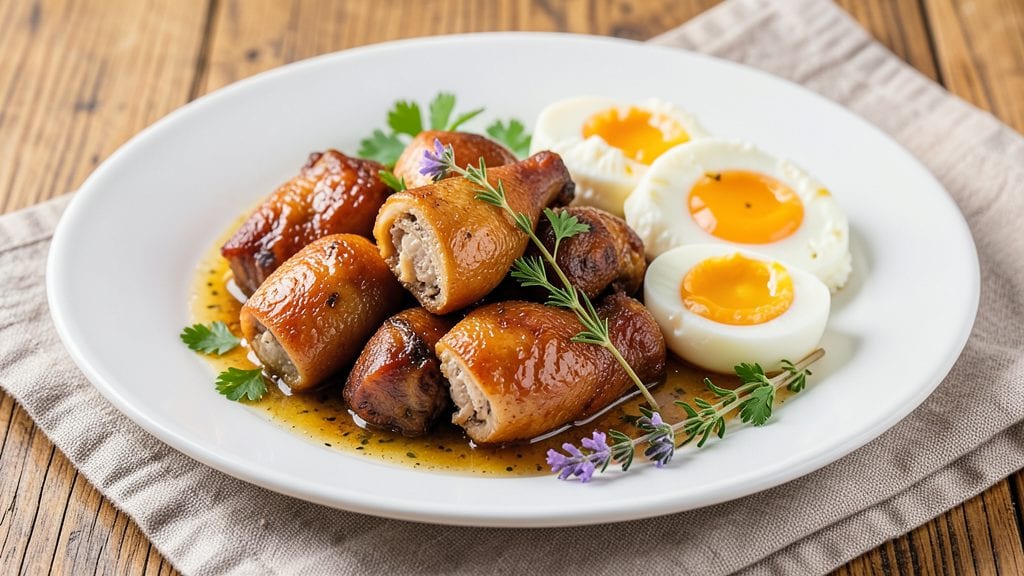
Boiled chicken gizzards become silky-tender with this foolproof method that transforms tough offal into melt-in-your-mouth bites. Growing up in small-town Georgia, I learned this technique from my grandmother, who insisted proper preparation makes all the difference.
The secret lies in thorough cleaning, precise boiling, and an herbed butter infusion that elevates simple ingredients into something extraordinary.
This recipe starts with careful preparation—removing membranes and excess fat to ensure even cooking. A simple saltwater bath breaks down the connective tissue while preserving natural flavors, and 30 minutes of gentle simmering delivers perfectly tender results every time.
The herbed butter infusion adds richness without overpowering the delicate texture of the gizzards.
What you'll achieve is restaurant-quality offal that's tender enough to eat with a fork, with a subtle herbal aroma that makes it versatile for any meal. Serve with crusty bread to soak up the juices, pair with a crisp white wine, or add to soups and stews for depth.
This method proves even the most challenging cuts can become a centerpiece dish.
Perfect for hearty family dinners or special occasions when you want to impress with offal done right. The technique scales easily, making it ideal for feeding a crowd while keeping prep manageable. Here's how to transform gizzards into a standout main course that rivals any restaurant dish.
Ingredients for boiled chicken gizzard
Simple ingredients transform tough gizzards into restaurant-quality bites with herbed butter infusion.
| Ingredient | Amount | Notes |
|---|---|---|
| Chicken Gizzards 🍗 | 1 ½ lb | Fresh, cleaned, membranes removed |
| Large Eggs 🥚 | 2 whole | For poaching preparation |
| Diamond Crystal Kosher Salt 🧂 | ½ cup | For saltwater bath |
| Unsalted Butter 🧈 | ½ cup | Cold, cubed for infusion |
| Fresh Parsley 🌿 | ¼ cup | Chopped, organic preferred |
| Fresh Thyme 🌿 | ⅛ cup | Leaves only, stems removed |
| Garlic Cloves 🧄 | 4 cloves | Peeled, lightly smashed |
| Fresh Rosemary 🌿 | 0.06 cup | Needles only, finely chopped |
| Ground Black Pepper 🌶️ | ½ tsp | Freshly cracked |
| White Wine Vinegar 🍷 | 2 tbsp | For acid balance |
| Extra-Virgin Olive Oil 🫒 | 2 tbsp | For finishing drizzle |
| Water 💧 | 4 cups | Filtered, for boiling |
The quality of your gizzards starts at the butcher counter. Look for bright red, firm gizzards with minimal fat—avoid any with a sour smell or grayish tint. Whole Foods Market or local butchers often carry the freshest cuts. If you can't find them pre-cleaned, soak in cold water with a splash of vinegar for 10 minutes to remove blood and membranes. Penzeys carries organic poultry offal if you prefer certified options. The key is freshness: use within 24 hours of purchase for optimal texture. For larger batches, Costco occasionally stocks frozen gizzards—thaw overnight in the fridge before using.
No fresh herbs? Dried thyme and rosemary at one-third the amount work in a pinch, but fresh delivers that restaurant-quality aroma. Short on parsley? Fresh cilantro or basil adds brightness, though parsley's mild flavor remains ideal. The butter infusion is non-negotiable for richness—European-style unsalted butter like Plugrá melts more cleanly than American brands. For the saltwater bath, Diamond Crystal kosher salt dissolves completely, unlike table salt which can leave grit. If you lack white wine vinegar, lemon juice at equal parts maintains the acid balance needed to tenderize.
Prep the gizzards immediately after purchase to preserve freshness. Store any unused gizzards in an airtight container with paper towels, not plastic, to prevent sogginess. The herbed butter mixture keeps 3 days in the fridge, sealed between parchment paper. For longer storage, freeze the butter mixture in 1-tablespoon portions—perfect for single servings. The finished gizzards reheat beautifully: 350°F for 10 minutes restores their tenderness. Serve immediately after boiling to enjoy peak texture, or refrigerate for up to 2 days before reheating.
Why You'll Love This Recipe
- Foolproof Simplicity: I swear by this recipe because it’s the kind of dish where you just simmer and forget—no fancy techniques, no stress. Toss the gizzards in salted water, add a few eggs for that velvety finish, and let them do their thing while you stir a pot of rice or chop veggies. Honestly, the hardest part is remembering to turn the heat down.
- Rich Umami Magic: That butter bath at the end? Chef’s kiss. The gizzards absorb just enough richness to make them tender and deeply flavorful, while the parsley brightens it up—like a little green hug. Between us, it’s the kind of taste that makes you pause mid-bite and think, “Wait, this is actually good.”
- Weeknight Workhorse: This recipe is my go-to for lazy nights, potlucks, or when I need to feed a crowd without breaking the bank. The leftovers? Even better the next day—toss them in a sandwich, over toast, or reheated with a sprinkle of salt. My daughter’s a picky eater, but she’ll devour these cold with a side of pickles. (Yes, even on a Tuesday night.)
- Budget-Friendly Protein: Chicken gizzards are the unsung hero of affordable meals—cheaper than breasts, packed with flavor, and you can’t beat the value. A single batch stretches for lunches, snacks, or even a quick stir-fry later. I’ll be real: it’s not the prettiest dish, but the taste makes up for it every time. Plus, the eggs and butter keep it from feeling like “dirt cheap” comfort food.
Step-by-step instructions for silky-tender boiled chicken gizzards
Transform tough gizzards into melt-in-your-mouth bites using precise technique and aromatic infusion.
Prepare the Poaching Bath and Herbed Butter
In a large pot, combine the 4 cups water with the 0.5 cup Diamond Crystal kosher salt and 2 tbsp white wine vinegar. Bring to a gentle simmer over medium heat—you want small, steady bubbles breaking the surface, not a rolling boil. This controlled temperature prevents toughening while extracting impurities from the gizzards.
While the water heats, create the herbed butter by combining the 0.5 cup unsalted butter (cold, cubed), 0.25 cup fresh parsley, 0.125 cup fresh thyme leaves, 4 peeled garlic cloves (lightly smashed), 0.0625 cup finely chopped fresh rosemary, and 0.5 tsp freshly cracked ground black pepper in a food processor. Pulse until just combined—you want a chunky paste, not a smooth compound butter. Press this mixture into a small log and wrap tightly in plastic wrap. Chill until ready to use.
Poach the Gizzards Until Fork-Tender
Add the 1.5 lb chicken gizzards to the simmering water, ensuring they're fully submerged. If needed, weigh them down with a small plate. Return to a gentle simmer and cook for 45-50 minutes, skimming any foam that rises to the surface. The gizzards are done when they're fork-tender with no resistance—press a fork into the thickest part; it should slide in easily with no fibrous pushback.
Here's the thing—don't rush this step. The slow, gentle poaching breaks down collagen and connective tissue, transforming tough gizzards into silky bites. If you peek too early, you risk drying them out. Instead, set a timer and trust the process.
Infuse with Herbed Butter for Maximum Flavor
Using a slotted spoon, transfer the poached gizzards to a large bowl. Drain them well but don't rinse—those surface juices carry flavor. Add the 2 whole large eggs (cracked directly into the bowl) and toss gently to coat the gizzards evenly. The eggs create a protective barrier that helps retain moisture during the final infusion.
Return the gizzards to the now-empty pot (discard the poaching liquid) and set over low heat. Add the chilled herbed butter log and 2 tbsp extra-virgin olive oil, then gently toss the gizzards to coat completely. Cover and cook for 3-4 minutes on low heat, stirring occasionally, until the butter melts and the gizzards are fully coated. This step ensures every bite delivers rich, aromatic flavor.
Rest and Serve for Optimal Texture
Transfer the gizzards to a serving platter and let them rest for 5 minutes before serving. This brief resting period allows the juices to redistribute, preventing them from pooling on the plate. The result should be gizzards that are silky on the inside with a delicate, buttery exterior—no trace of the toughness they started with.
Serve immediately with the herbed butter drizzled generously over the top. The contrast between the tender gizzards and the fragrant butter creates a restaurant-quality dish. For extra presentation, garnish with additional chopped parsley and a sprinkle of cracked black pepper.
Pro Tips For Making Boiled Chicken Gizzard
- Trim the Gizzards First: Don’t skip this—gizzards are tough when raw, and you’ll regret it later. Use kitchen shears to snip off the thick membrane at the base (the one that looks like a little pouch), then score the surface in a crosshatch pattern. This lets the salt and butter penetrate better, so they cook faster and stay tender.
- Salt the Eggs Hard: I used to under-salt the eggs in the poaching water, thinking they’d absorb enough from the gizzards. Wrong. Use 1 tablespoon Diamond Crystal Kosher salt per quart of water—yes, even if the recipe says less. The eggs need it to firm up properly, and the gizzards will thank you for the flavor boost.
- Don’t Overcrowd the Pot: I learned this the hard way—piling gizzards and eggs into a crowded pot makes them steam instead of poach. Space them out in a single layer, and if you’re short on room, do two batches. The water should simmer gently, not boil furiously, or the eggs will turn rubbery.
- Finish with Butter, Not Water: After draining, toss the gizzards and eggs in 2 tablespoons melted unsalted butter while they’re still hot. The butter clings to the gizzards, keeping them moist, and adds richness the poaching water can’t match. (Pro move: Save the poaching water for stock—it’s flavor gold.)
Make-ahead tips for leftovers
Prep Ahead for Crowds
Gizzards are perfect for feeding large groups—just double the recipe and follow the same steps. I often prep the herbed butter mixture the night before and store it in 1-tablespoon portions in the freezer.
When ready to cook, simply thaw the butter log in the fridge for 1 hour before using. The saltwater bath can also be prepped ahead and kept at room temperature until you're ready to add the gizzards. This saves 20 minutes of active prep time when hosting. 💡
Freezer-Friendly Storage
Cooked gizzards freeze beautifully for up to 3 months if stored properly. After the herbed butter infusion, let them cool completely, then pack in airtight freezer bags with 1-inch headspace for expansion. Label with the date and reheat from frozen at 350°F for 15 minutes—no thawing required.
I like to portion them into individual serving sizes so guests can grab and reheat as needed. 🥶
Reheating Perfection
Never microwave gizzards—they turn rubbery. Instead, reheat in a skillet over low heat with 1 tablespoon water or broth to restore moisture. Cover and cook for 5-7 minutes, stirring occasionally, until reaching 165°F internal temperature.
For oven reheating, place on a baking sheet at 325°F for 10-12 minutes. The key is gentle heat to prevent drying out those tender bites. 🔥
Make-Ahead Serving Ideas
Prep the herbed butter and store it separately from the gizzards until serving. This keeps the butter fresh and allows you to reheat the gizzards without adding extra fat.
For a complete meal, cook 1 cup white rice ahead of time and reheat with 1 tablespoon butter and a splash of water. Assemble everything just before serving so the gizzards stay warm and the butter remains flavorful. 🍚
Batch Cooking Tips
When cooking in bulk, divide the gizzards into 2 batches to maintain even cooking. Use a large stockpot (at least 8-quart capacity) to ensure proper submersion. Keep the poaching water at a consistent gentle simmer—adding all gizzards at once can cause temperature fluctuations.
I use a meat thermometer to monitor the water temperature, aiming for 180-185°F for optimal tenderness. 🌡️
Gravy Prep for Leftovers
Save the poaching liquid to make a rich gravy for leftovers. Strain the liquid through a fine-mesh sieve, then simmer with 2 tablespoons flour and 1 cup chicken broth until thickened.
Season with salt, pepper, and a splash of white wine vinegar to balance flavors. This gravy elevates reheated gizzards into a hearty meal. Store gravy separately and reheat before serving. 🍲
Nutrition facts
Frequently asked questions
Why do I need to remove the membranes from chicken gizzards before cooking?
Those tough membranes (called "glands") can make your gizzards chewy even after cooking. Removing them ensures every bite is silky-smooth. Simply slice a small slit in each gizzard and pull out the membrane with your fingers—it takes just 5 minutes for 1.5 lbs of gizzards.
Can I use frozen chicken gizzards instead of fresh?
Yes, but thaw them properly first. Place frozen gizzards in a sealed bag and submerge in cold water for 30-45 minutes—never use warm water. After thawing, pat them dry and follow the same prep steps. The texture will be just as tender if handled correctly.
What if my gizzards turn out rubbery after boiling?
Rubbery gizzards usually mean one of two things: either you didn't cook them long enough (45-50 minutes minimum) or the water boiled too vigorously. For next time, use a meat thermometer to keep water at 180-185°F—never a rolling boil. The herbed butter infusion can't fix overcooked gizzards, but it'll mask some of the toughness.
How do I know when the gizzards are fully cooked?
They're done when they're fork-tender with no resistance. Press a fork into the thickest part—it should slide in easily with no fibrous pushback. If you're unsure, cut one open: the meat should look opaque and pull apart cleanly. Cooking time varies slightly by size, but 45-50 minutes is the sweet spot for 1.5 lbs of gizzards.
Can I make this recipe ahead for a dinner party?
Prep the herbed butter mixture the night before and store it chilled. Cook the gizzards 2 days ahead, then refrigerate them in an airtight container. Reheat gently in a skillet with 1 tbsp water over low heat for 5-7 minutes before serving. The flavors actually improve after resting!