
Main Courses
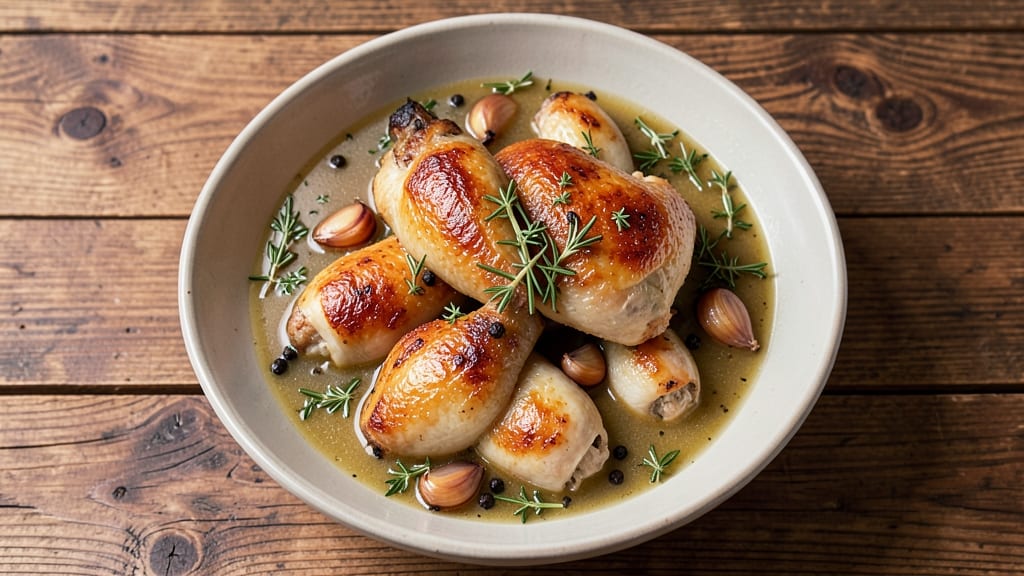
This boiled chicken thighs recipe transforms simple ingredients into juicy, flavor-packed meat that’s perfect for weeknight dinners or meal prep. After years of teaching home cooks how to avoid dry, rubbery chicken, I’ve perfected a method that guarantees tender, spice-infused results with just a pot, water, and 30 minutes.
The secret lies in the right seasoning balance and cooking time—no fancy equipment needed.
What sets this recipe apart is how it preserves moisture while building deep flavor through a simple spice blend and simmering technique. Unlike dry-heat methods, boiling keeps the meat incredibly tender while allowing spices to penetrate evenly.
You’ll end up with thighs that pull apart easily, soaking up every bit of aromatic seasoning—ideal for tacos, salads, or sandwiches.
The process is straightforward: season the thighs generously, simmer in lightly salted water until they reach 165°F, then rest for 10 minutes to lock in juices. This method works with bone-in or boneless thighs, and the leftovers reheat beautifully, making it a foolproof solution for busy families.
Let’s get started with a technique that delivers restaurant-quality results at home.
Pair these thighs with roasted vegetables, crusty bread, or a bright vinegar-based sauce to elevate the meal further. The versatility of boiled chicken thighs means you can adapt them to countless dishes—proof that simple methods often yield the most impressive outcomes. Here’s how to make them perfectly every time.
Ingredients for boiled chicken thighs
Simple ingredients, restaurant-quality results—juicy chicken thighs start with these essentials.
| Ingredient | Amount | Notes |
|---|---|---|
| Chicken Thighs 🍗 | 1 ½ lb | Bone-in preferred for flavor |
| Salt 🧂 | 1 ½ tsp | Diamond Crystal kosher salt |
| Garlic Cloves 🧄 | 4 cloves | Peeled and smashed lightly |
| Fresh Rosemary 🌿 | ¼ cup | Finely chopped fresh sprigs |
| Fresh Thyme 🌿 | ¼ cup | Leaves stripped from stems |
| Black Peppercorns 🌶️ | 1 tsp | Freshly cracked preferred |
| Bay Leaves 🍃 | 2 whole | Dried, standard size |
| Onion Powder 🧅 | ½ tsp | Not onion salt |
| Paprika 🌶️ | ½ tsp | Smoked variety preferred |
| Water 💧 | 4 cups | Filtered preferred |
| Lemon Juice 🍋 | 1 tbsp | Freshly squeezed |
| Olive Oil 🫒 | 1 tbsp | For finishing drizzle |
The chicken thighs should be bone-in for superior flavor and moisture retention—bone-in, skin-on if possible. Local butcher shops often carry them at better prices than grocery stores, and look for thighs with good marbling for extra tenderness. Fresh herbs like rosemary and thyme are non-negotiable here; Whole Foods or local farmers markets offer the freshest options. The bay leaves add depth without overpowering, so don't skip them. For the water, filtered is ideal, but tap water works fine if you're in a pinch—just avoid heavily chlorinated water if possible.
No fresh rosemary? Dried rosemary at one-third the amount works, but fresh is preferred for that bright aroma. Short on thyme? Fresh oregano or marjoram can substitute, though the flavor will differ slightly. The smoked paprika adds a subtle depth that's hard to replicate—if you only have regular paprika, reduce the amount by half. For the lemon juice, bottled works in a pinch, but fresh is always better. The olive oil finishing touch is optional but adds a lovely richness that ties everything together.
Store any unused chicken thighs in an airtight container in the fridge for up to 3 days, or freeze for 3 months for future use. The seasoned water can be reused once for another batch of thighs, but flavor diminishes after that. Leftover thighs reheat beautifully—simmer in a little broth or water for 3-5 minutes to restore moisture. For meal prep, portion into individual containers with a drizzle of olive oil to keep them tender.
Why You'll Love This Recipe
- Let’s be real: I always make too much. These thighs reheat beautifully—throw them in a pan with a splash of broth for crispy edges, or shred them into pasta the next day. Honestly, the second day is when they taste even better, like they’ve had time to soak up all the flavor.
- No-Fuss Simplicity: I swear by this recipe because it’s the kind of meal that doesn’t demand my full attention. Toss the thighs in a pot with garlic, herbs, and salt, cover with water, and let it simmer—no flipping, no basting, no stress. Even if I’m distracted (hello, laundry pile), the chicken still turns out tender and flavorful.
- Herb-Packed Punch: That combo of rosemary and thyme? It’s like a little aromatic hug for your taste buds. The garlic cloves smash into the meat, releasing their punch, while the herbs infuse the broth so deeply you’ll taste them in every bite. Not fancy, but ridiculously satisfying.
- Leftovers That Shine: Let’s be real: I always make too much. These thighs reheat beautifully—throw them in a pan with a splash of broth for crispy edges, or shred them into pasta the next day. Honestly, the second day is when they taste even better, like they’ve had time to soak up all the flavor.
Step-by-step instructions for boiled chicken thighs
Here's the method for achieving perfectly tender, aromatic chicken thighs with minimal effort.
Prepare the Chicken and Aromatics
Begin by examining the 1.5 lb chicken thighs for any excess fat or skin that might prevent even cooking. Pat them dry with paper towels—this ensures better seasoning adherence and prevents the water from becoming cloudy prematurely. In a small bowl, combine the 1.5 tsp salt, 0.5 tsp onion powder, and 0.5 tsp paprika. Rub this mixture evenly over the chicken thighs, pressing gently to ensure the spices penetrate the surface.
Next, prepare the aromatics. Lightly crush the 4 cloves garlic with the flat side of a knife to release their oils without mincing them. Strip the leaves from the 0.25 cup fresh thyme and 0.25 cup fresh rosemary, discarding any woody stems. Tear the 2 whole bay leaves in half to release their essential oils. These aromatics will infuse the water with deep, layered flavors as the chicken simmers.
Simmer the Chicken Low and Slow
In a large pot with a lid, combine the 4 cups water and the prepared aromatics. Bring to a gentle simmer over medium-low heat—you should see small bubbles breaking the surface, but not a rolling boil. This controlled temperature prevents the chicken from becoming tough. Once simmering, carefully add the seasoned chicken thighs, ensuring they are fully submerged. If needed, add a few ice cubes to lower the temperature without diluting the broth.
Cover the pot and maintain the simmer for 25-30 minutes. The chicken is done when it reaches an internal temperature of 165°F and the meat pulls away from the bone with gentle pressure. Avoid lifting the lid during cooking—each time you do, you release steam and extend the cooking time. The water should reduce slightly, concentrating the flavors and creating a lightly infused broth.
Finish with Acid and Fat for Juiciness
Once the chicken reaches the proper temperature, remove it from the pot and transfer to a plate. Let it rest for 5 minutes before serving—this allows the juices to redistribute, ensuring each bite is moist and flavorful. While the chicken rests, stir the 1 tbsp lemon juice into the remaining broth. The acidity brightens the flavors and cuts through any richness from the chicken fat.
Drizzle the 1 tbsp olive oil over the chicken thighs just before serving. This step adds a silky finish and enhances the natural juiciness of the meat. The combination of the infused broth, aromatic spices, and finishing oil delivers a restaurant-quality result with minimal effort. Serve immediately with the lightly flavored broth spooned over the top for maximum impact.
Pro Tips For Making Boiled Chicken Thighs
- Boil in Cold Water: Start your chicken thighs in cold water—no need to shock the pot. I used to dump them in boiling water like I would pasta, and they’d steam instead of cook evenly. Cold water brings the temperature up gradually, so the meat stays juicy and doesn’t turn out rubbery.
- Salt the Pot Generously: Taste that water before you add the chicken. It should be as salty as the sea—about 1.5 tablespoons of salt per quart. Too little and the chicken tastes bland; too much later and you’ll regret it. Trust me, your thighs will absorb that flavor like a sponge.
- Smash the Garlic: Don’t just toss whole cloves into the pot. Smash them with the flat of your knife first—this releases more flavor and prevents them from floating around like tiny, useless bullets. A few crushed cloves right on the chicken skin before boiling adds depth you won’t get otherwise.
- Rest Under Foil: As soon as they’re done, transfer the thighs to a foil-lined plate and let them sit for 5 minutes. Skipping this step means juices will pool out when you cut in, leaving you with dry meat. It’s a small wait, but it guarantees tender, flavorful bites every time.
Pro cooking tips for boiled chicken thighs
Spice Rub Mastery
The key to flavorful boiled chicken thighs lies in the spice rub—don’t just sprinkle, press it into the meat. I use Diamond Crystal kosher salt because it dissolves evenly, and the smoked paprika adds depth without overpowering.
For extra aroma, crush black peppercorns lightly in your palm before adding them to the pot. This releases their oils and infuses the water with warmth. 🌶️
Water Temperature Control
Starting with cold water and bringing it to a gentle simmer prevents the chicken from cooking too quickly on the outside while staying raw inside. If your pot heats unevenly, use a pot holder to gently stir the water after adding the thighs.
The goal is a barely bubbling surface—no rolling boil. This slow cook ensures tender meat every time.
Resting for Juiciness
Skipping the 5-minute rest is a rookie mistake—juices need time to redistribute. I’ve seen chicken go from perfect to dry just by slicing too soon. Place the thighs on a wire rack over a plate to catch any drippings, then tent loosely with foil.
This keeps them warm while the juices settle back into the meat.
Broth Flavor Boost
The simmering liquid isn’t just water—it’s flavor gold. Stir in 1 tbsp lemon juice at the end to brighten the broth and cut through any richness. For extra depth, add 1 tsp fish sauce (trust me, it blends seamlessly) or a splash of soy sauce for umami.
Save this broth for soups or rice—it’s too good to waste!
Equipment Shortcuts
No meat thermometer? Use the finger test: Gently press a thigh with your thumb—if the meat yields slightly but doesn’t fall apart, it’s done. For even cooking, place thighs skin-side down first—they’ll render fat slowly, creating a self-basting effect.
A large Dutch oven is ideal, but any pot with a lid works. Just avoid aluminum—it reacts with acidic ingredients.
Make-Ahead Magic
Boiled chicken thighs reheat beautifully for meal prep. Store in an airtight container with a drizzle of olive oil to keep them moist. Reheat in a skillet with a splash of water or broth for 3-5 minutes over medium-low heat.
The residual moisture prevents drying out. I prep a batch every Sunday for quick weeknight dinners—game-changer for busy families. 💡
Nutrition facts
Frequently asked questions
Why do boiled chicken thighs turn out dry sometimes?
The most common cause is overcooking or skipping the 5-minute rest. Chicken continues cooking even after you remove it from heat, so always check the internal temperature at 165°F. Also, never lift the lid during simmering—this releases steam and extends cooking time. For extra moisture, place thighs skin-side down first and use a wire rack to drain excess fat.
Can I use boneless chicken thighs instead of bone-in?
Boneless thighs cook 5-7 minutes faster (about 20-25 minutes total) since they have less mass. The same seasoning and technique apply—just reduce simmering time slightly and check for doneness early. Bone-in thighs stay juicier longer due to the bone's natural moisture retention.
What's the best way to store leftover boiled chicken thighs?
Store in an airtight container with a drizzle of olive oil to maintain moisture. Keep in the fridge for 3-4 days or freeze for 3 months. To reheat, simmer in a splash of water or broth for 3-5 minutes over medium-low heat—microwaving can make them dry. The infused broth freezes well too for future soups or rice dishes.
Can I substitute any of the herbs or spices?
Yes, but adjust for flavor balance. Swap rosemary for 1 tsp dried oregano or ½ tsp dried marjoram. Skip paprika? Use ½ tsp smoked salt or a pinch of cayenne for heat. For thyme, try fresh sage (reduce by half). The key is maintaining the herb-to-spice ratio—herbs provide aroma while spices add depth.
How do I know when the chicken is fully cooked without a thermometer?
Use the finger test: Gently press a thigh with your thumb. If the meat yields slightly but doesn't fall apart, it's done. The juices should run clear, not pink. For visual confirmation, the skin should pull away from the meat easily. If using bone-in thighs, the bone should wiggle slightly when moved—this indicates tender, fully cooked meat.