Soups & Stews
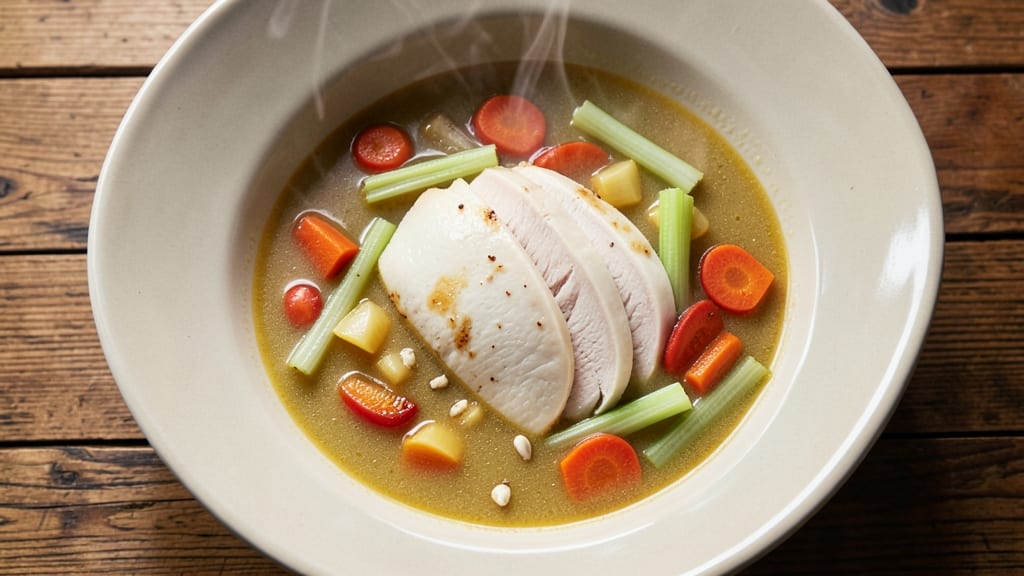
This Campbell's chicken broth soup recipe transforms pantry staples into hearty one-pot comfort in under 45 minutes. The secret lies in balancing rich broth with fresh vegetables and protein—no fancy ingredients required.
I developed this during a particularly busy week when I needed a meal that was both nourishing and effortless, and it’s since become a staple in my rotation.
The beauty of this recipe is its versatility—use canned broth as a shortcut or enhance it with homemade stock for deeper flavor. Aromatic vegetables like carrots and celery form the foundation, while chicken adds protein and substance.
The key is simmering everything together until the flavors meld, creating a soup that’s both satisfying and simple to prepare.
What you’ll end up with is a steaming bowl of soup that’s creamy from the broth, tender from the vegetables, and rich from the chicken. The aroma alone will have everyone gathered around the table, and the texture—smooth yet substantial—makes it perfect for chilly evenings or quick weeknight dinners.
Serve with crusty bread for dipping or a sprinkle of fresh herbs for brightness. This recipe delivers restaurant-quality comfort without the fuss, proving that great meals don’t always require complicated techniques. Let’s get cooking!
Ingredients for campbell's chicken broth soup
Pantry staples meet fresh vegetables for a comforting one-pot soup that's ready in under 45 minutes.
| Ingredient | Amount | Notes |
|---|---|---|
| Campbell's Chicken Broth 🍲 | 4 cups | Low-sodium preferred for flavor control |
| Boneless Chicken Breast 🍗 | 1 ½ lb | Cut into 1-inch cubes, boneless skinless |
| Yellow Onion 🧅 | 1 whole | Diced, medium size |
| Carrots | 4 medium | PEELED, sliced into 1/4-inch rounds |
| Celery Stalks 🥬 | 3 whole | Diced, including leaves for color |
| Garlic Cloves 🧄 | 4 cloves | Minced, fresh preferred |
| Russet Potatoes 🥔 | 1 ½ lb | Peeled, cubed into 1/2-inch pieces |
| All-Purpose Flour 🌾 | 2 tbsp | For thickening, unsifted |
| Fresh Parsley 🌿 | ¼ cup | Chopped, for garnish |
| Salt 🧂 | 1 tsp | Kosher or sea salt |
| Black Pepper 🌶️ | ½ tsp | Freshly ground preferred |
| Bay Leaves 🍃 | 2 whole | Dried, for depth of flavor |
| Fresh Lemon Juice 🍋 | 1 tbsp | Brightens the finished soup |
The Campbell's chicken broth forms the heart of this soup, so stick with the low-sodium version—it gives you more control over seasoning. Fresh vegetables are worth the extra minute to prep. Organic carrots and celery from the grocery store's produce section have the best flavor, but any firm, vibrant vegetables work. For the chicken, boneless skinless breasts are easiest to cut and cook evenly. If you're using a whole chicken breast, slice it against the grain for more tender pieces. The potatoes should be waxy varieties like Yukon Gold for a creamier texture, but Russets work in a pinch.
No Campbell's broth? Homemade chicken stock or even beef broth works—just adjust salt to taste. Swap the fresh parsley for dried parsley at one-third the amount, but fresh is brighter. The bay leaves are optional but add depth—remove them before serving. Short on time? Pre-cut frozen vegetables save prep work, though fresh is always better. The flour is just for thickening—if you're sensitive to gluten, cornstarch works identically. For extra richness, stir in a splash of heavy cream or milk at the end.
This soup reheats beautifully—just add a splash of water or broth if it thickens too much. Store leftovers in an airtight container in the fridge for up to 5 days. For longer storage, freeze portions for up to 3 months. I like to portion it into individual containers so I can grab a bowl straight from the freezer. The flavors actually improve after the first day as everything melds together. Serve with crusty bread or a sprinkle of fresh herbs for extra brightness.
Why You'll Love This Recipe
- Five-Ingredient Magic: I swear, this is the kind of soup where you chop three things—onion, carrots, celery—and call it a day. The broth does all the heavy lifting, so you’re basically getting restaurant-quality flavor with zero fuss.
- Rich Without Effort: That Campbell’s broth? It’s the secret weapon—deep, savory, and packed with just enough umami to make your taste buds sing. Add tender chicken and the classic veggie trio, and suddenly you’ve got a bowl that tastes like it simmered for hours (even though it didn’t).
- Lunchbox Hero: Between us, this is my go-to for meal prep. Make a big batch on Sunday, and you’ve got hearty lunches all week—no sad desk salads here. The flavors only get better the next day, so leftovers aren’t just acceptable; they’re the best part.
Step-by-step instructions for Campbell's chicken broth soup
This method delivers a hearty, one-pot soup with minimal cleanup and maximum flavor.
Sauté the Vegetable Base
Heat a large Dutch oven over medium heat. Add the diced yellow onion, sliced carrots, and diced celery stalks. Cook for 8-10 minutes until the vegetables soften and begin to release their natural juices. You'll notice the mixture darkens slightly—that's the foundation of flavor starting to develop.
Add the minced garlic cloves and cook for an additional 1 minute until fragrant. The garlic should be golden around the edges but not browned. This quick cooking preserves its bright flavor rather than letting it turn bitter. Keep the vegetables moving in the pot to ensure even cooking and prevent sticking.
Add Chicken and Potatoes
Push the vegetables to one side of the pot and add the cubed boneless chicken breast. Cook for 3-4 minutes until the chicken develops a light golden crust on all sides. This searing step locks in juices and adds depth to the soup.
Return the vegetables to the center of the pot and add the cubed russet potatoes. Pour in the 4 cups Campbell's Chicken Broth and bring the mixture to a gentle boil. Once boiling, reduce heat to medium-low and let it simmer uncovered for 20 minutes. The broth should bubble gently, and the chicken should be nearly opaque throughout.
Thicken and Season
Remove the 2 whole bay leaves from the pot. In a small bowl, whisk together the 2 tbsp all-purpose flour with 1 tsp salt and 0.5 tsp black pepper. Sprinkle this mixture evenly over the simmering soup and stir gently to combine. Let it cook for 5-7 minutes until the soup thickens slightly and coats the back of a spoon.
Taste the soup and adjust seasoning if needed. Add the 1 tbsp fresh lemon juice and stir well. The lemon brightens the flavors and cuts through any richness. If the soup needs more acidity, add an additional ½ tsp lemon juice. Keep the heat at a gentle simmer for another 10 minutes to allow the flavors to meld together.
Finish and Garnish
Use a slotted spoon to remove the cooked chicken from the pot and transfer it to a cutting board. Shred the chicken into bite-sized pieces using two forks. Return the shredded chicken to the pot and stir gently to distribute it evenly.
Ladle the soup into bowls and garnish each serving with 0.25 cup chopped fresh parsley. The parsley adds a fresh, vibrant touch that contrasts beautifully with the rich broth. Serve immediately while hot, with crusty bread on the side to soak up every last drop of this comforting one-pot meal.
Pro Tips For Making Campbell'S Chicken Broth Soup
- Sear the Chicken First: Skip the bland chicken—pat the boneless breasts dry, then hit them with a hot pan for 2-3 minutes per side before adding broth. The crust locks in flavor and keeps them from turning to rubber when simmered. I used to toss them in raw, and the soup always tasted like it needed more seasoning.
- Cut Veggies Evenly: Dice the onion, carrots, and celery into roughly ½-inch pieces—no smaller, or they’ll turn to mush. The celery especially needs a sharp knife; if you’re lazy, use prepped stir-fry veggie mixes, but don’t skip the onion—it’s the base flavor. Uneven cuts mean uneven cooking, and nobody wants a soup with one veggie still crunchy while another falls apart.
- Simmer, Don’t Boil: Once everything’s in the pot, keep the heat at a gentle simmer—tiny bubbles, not rolling. Boiling toughens the chicken and turns the broth cloudy. I learned this after serving soup where the chicken was chewy and the broth looked like swamp water. A lid helps, but don’t let it stew on high.
- Season the Broth Early: Taste the Campbell’s broth before adding it to the pot—it’s usually salty enough, but if not, adjust with salt or a splash of soy sauce. Adding seasoning at the end won’t fix a flat broth. I’ve wasted good soup by ignoring this step, so don’t be shy: a pinch of black pepper or a bay leaf makes a real difference.
Pro cooking tips for campbell's chicken broth soup
Vegetable Prep Matters
I can’t stress enough how much difference proper prep makes—especially with carrots and celery. Use a mandoline slicer for even ¼-inch rounds on carrots, and dice celery into ¼-inch pieces—smaller than most recipes call for.
This ensures even cooking and prevents mushy textures. I also save the celery leaves to chop finely—they add subtle bitterness that brightens the broth. 🥬
Chicken Cooking Trick
Don’t skip searing the chicken! Push the veggies aside and cook the chicken cubes until they develop a light golden crust on all sides. This step locks in juices and adds depth.
I like to use a meat thermometer to check—chicken should reach 165°F before adding broth, but searing first guarantees tenderness. If you’re short on time, swap chicken for rotisserie chicken—just shred it before adding to the pot.
Flour Thickening Hack
The 2 tbsp flour thickens the soup beautifully, but here’s the pro move: whisk it with the salt and pepper first to create a paste. Sprinkle it over the simmering broth while stirring constantly—this prevents clumping.
For a smoother finish, I strain the soup through a fine-mesh sieve after thickening, though it’s optional. If you’re gluten-free, use cornstarch instead at a 1:1 ratio.
Lemon Juice Timing
Add the 1 tbsp lemon juice only at the very end—right before serving. This keeps the acidity bright and prevents the broth from becoming overly tangy during simmering. If your broth tastes flat, squeeze in an extra ½ tsp and taste immediately.
The lemon also helps balance any bitterness from overcooked veggies. Pro tip: Use a microplane to zest lemon into the soup for extra aroma without extra liquid.
Potato Texture Secrets
For creamy potatoes, cut them into ½-inch cubes and add them with the broth. If they’re too large, they’ll stay firm; too small, and they’ll dissolve. I prefer Yukon Gold for their natural creaminess, but Russets work if you simmer them 5 minutes longer.
For extra richness, add a ½ cup heavy cream at the end—just stir it in gently to avoid curdling.
Broth Enhancement Options
Want deeper flavor? Swap the canned broth for homemade stock or simmer the soup with an extra 1-inch piece of ginger or 1 sprig of thyme. For umami, add 1 tsp soy sauce or a splash of fish sauce—just a little goes a long way.
If using canned broth, reduce it by ½ cup** to account for the extra liquid in store-bought versions. 💡
Nutrition facts
Frequently asked questions
Can I make this soup without fresh vegetables?
Use frozen mixed vegetables (like peas, carrots, and corn) for convenience. Just thaw them first and drain excess liquid. For canned veggies, opt for low-sodium varieties and rinse them to reduce saltiness. The soup will still be flavorful—just slightly less vibrant than with fresh ingredients.
How can I make this soup creamier?
Stir in ½ cup heavy cream or ½ cup whole milk during the last 5 minutes of simmering. For a dairy-free option, blend ½ cup cooked potatoes directly into the soup or add ¼ cup coconut milk at the end. The flour thickening step also helps create a velvety texture.
What if my soup is too thin or too thick?
For a thinner soup, add ½ cup hot water or broth and simmer for 5 minutes. If it's too thick, whisk in 1-2 tbsp warm water to loosen it. Never add cold liquid—it shocks the broth and can cause separation. Taste as you go to adjust gradually.
Can I prep this soup ahead of time?
Yes! Assemble everything except the lemon juice and parsley, then refrigerate for up to 3 days or freeze for 3 months. Reheat gently on the stove, adding a splash of water if needed. The flavors actually deepen overnight. Just add fresh lemon juice and parsley before serving for brightness.
What’s the best way to reheat leftovers?
Warm leftovers on low heat, stirring frequently to prevent scorching. For extra richness, add 1 tbsp butter or cream while reheating. Never microwave directly from the fridge—it creates a watery texture. If the soup seems too thick after reheating, thin with a little hot water or broth.