
Main Courses
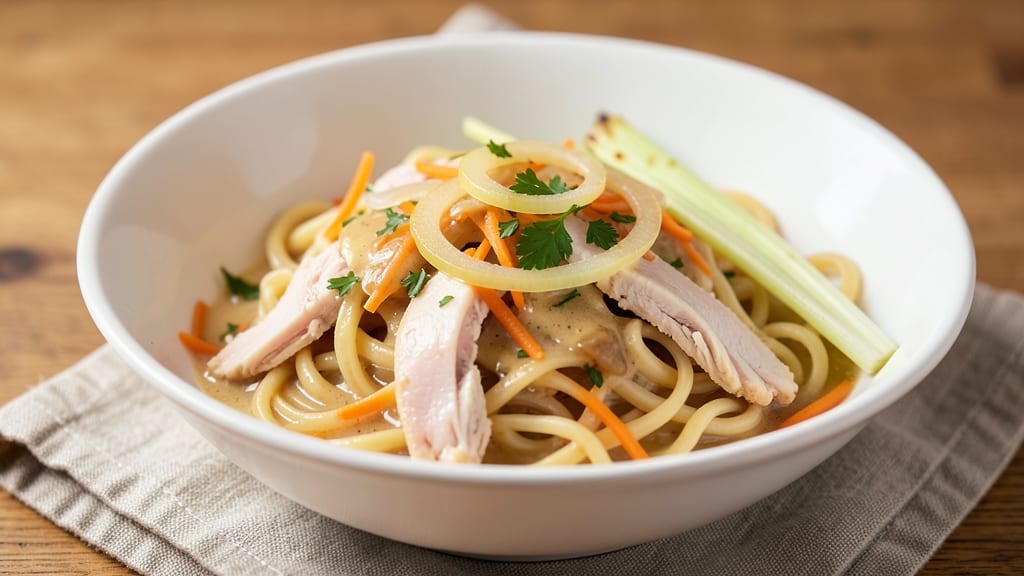
Skip the can and savor the real deal with this Campbell’s cream of chicken and noodles recipe, where homemade turns a nostalgic bowl into a richer, fresher comfort classic.
The secret lies in building rich, velvety chicken broth from scratch while keeping the dish simple enough for weeknight dinners—no fancy techniques required. I've been perfecting this version since my grandmother first taught me how to stretch a few ingredients into a hearty meal.
What sets this apart is the homemade broth—simmered with chicken, onions, and celery until deeply flavorful—paired with egg noodles that cook up tender and sturdy. The recipe delivers that nostalgic creaminess without the artificial aftertaste, using just a splash of cream and a touch of butter for richness.
It's the kind of dish that warms you from the inside out while still feeling like a modern twist on a classic.
By the time you're done, you'll have a creamy, comforting bowl with perfectly cooked noodles swimming in a velvety sauce, topped with shredded chicken that's tender yet substantial. The best part?
It comes together in under 30 minutes with ingredients you likely already have on hand. This is comfort food reimagined—familiar enough to satisfy cravings, but elevated enough to impress guests.
Serve it as-is for a simple supper, or add steamed broccoli and a sprinkle of cheddar for extra heartiness. The leftovers reheat beautifully, making it perfect for meal prep. Let's recreate that nostalgic flavor with a homemade touch.
Ingredients for campbell's cream of chicken and noodles
Skip the can and build this nostalgic comfort bowl with fresh, simple ingredients.
| Ingredient | Amount | Notes |
|---|---|---|
| Chicken Breast 🍗 | 1 ½ lb | Boneless, skinless, shredded after cooking |
| Egg Noodles 🍜 | 2 cups | Dried, medium or wide egg noodles |
| Yellow Onion 🧅 | 1 whole | Medium, diced small |
| Celery Stalks 🥕 | 2 whole | Diced small, fresh |
| Carrot 🥕 | 1 whole | Medium, diced small |
| Garlic Cloves 🧄 | 3 cloves | Fresh, minced |
| Unsalted Butter 🧈 | 2 tbsp | Full-fat for richness |
| All-Purpose Flour 🌾 | 2 tbsp | For thickening sauce |
| Heavy Cream 🥛 | ½ cup | Full-fat for creaminess |
| Chicken Broth 💧 | 2 cups | Low-sodium, homemade preferred |
| Milk 🥛 | ½ cup | Whole milk for creaminess |
| Salt 🧂 | 1 tsp | Kosher or sea salt |
| Black Pepper 🌶️ | ½ tsp | Freshly ground |
| Dried Thyme 🌿 | ½ tsp | Or 1 tsp fresh thyme leaves |
| Dried Parsley 🌿 | 1 tbsp | For garnish, chopped |
The chicken is the star—boneless, skinless breasts shred beautifully after cooking. Costco or Walmart usually have them pre-cut for convenience, but buying a whole breast saves money. Look for pieces with good marbling (little white streaks) for extra flavor. The broth is where the magic happens—homemade is ideal, but low-sodium store-bought works in a pinch. For the veggies, grab a fresh bunch of celery and a carrot from the produce section—they should be crisp, not rubbery. If you're short on time, baby carrots and pre-diced onion mix work too, but fresh tastes better.
No heavy cream? Half-and-half or whole milk will work, though the sauce won't be as rich. Short on thyme? Dried oregano at half the amount gives a similar earthy note. The flour is just for thickening—if you're gluten-free, swap for cornstarch or gluten-free flour blend. For extra depth, add a bay leaf while simmering the broth, then remove before serving. The egg noodles should be medium or wide—thin ones get lost in the sauce. If you can't find egg noodles, regular pasta works too, but it won't have that classic texture.
This reheats beautifully—just add a splash of milk or broth to loosen the sauce. Keeps for 4-5 days in the fridge, or freeze portions for up to 3 months. I like to double the recipe and freeze half for lazy days. For meal prep, store the shredded chicken and sauce separately, then toss with noodles when ready to eat. The parsley stays fresh longer if you store it in a damp paper towel in the fridge.
Why You'll Love This Recipe
- No-Chop Shortcut: I swear by the classic onion-celery-carrot combo—just dice it once, toss it in the pot with the chicken, and let the soup do the work. The broth simmers down to perfect richness while you boil the noodles, and honestly? That’s all the prep you need.
- Creamy Comfort in a Bowl: The Campbell’s roux thickens into this velvety, savory hug that makes even plain egg noodles feel like a treat. Between us, the first bite of that tender chicken and the caramelized veggies in the creamy sauce? It’s the kind of dish that disappears faster than I can say “seconds, please.”
- Leftovers That Don’t Suck: This recipe actually improves the next day—yes, really. The flavors meld even deeper, and reheating it with a splash of milk makes it extra luscious. I stash it in the fridge for lunches all week, and no one ever complains (my kids even ask for it).
- Budget Meal for Busy Nights: A single chicken breast stretches across two servings, the canned broth saves time, and those egg noodles? Cheap as chips. It’s my go-to when I’m too tired to overthink dinner but still want something hearty enough to fill everyone up. Zero guilt, all satisfaction.
Step-by-step instructions for homemade cream of chicken and noodles
Here's how to make a richer, creamier version of that classic comfort dish—just like grandma used to serve.
Shred the Chicken Breast for Maximum Tenderness
Place the 1.5 lb chicken breast in a medium saucepan and cover with water by about 1 inch. Bring to a boil over high heat, then immediately reduce to a simmer. Cook for 15-20 minutes until the chicken is completely opaque and registers 165°F on an instant-read thermometer.
Remove the chicken from the broth and let it rest for 5 minutes before shredding. Use two forks to pull the meat apart into small, even shreds—this ensures it blends perfectly into the sauce later. Reserve the chicken broth for the recipe, but strain it to remove any debris if it's cloudy.
Sauté the Vegetable Base for Flavor
In a large pot, melt the 2 tbsp unsalted butter over medium heat. Add the 1 whole yellow onion, 2 whole celery stalks, and 1 whole carrot, all diced small. Cook for 8-10 minutes, stirring occasionally, until the vegetables soften and the onion becomes translucent.
Add the 3 cloves minced garlic and cook for an additional 30 seconds until fragrant. Here's the thing—don't let the garlic burn, or it'll turn bitter. If it starts to darken too quickly, reduce the heat slightly. This aromatic base is the foundation of your creamy sauce, so take your time here.
Thicken the Sauce with Flour and Cream
Sprinkle the 2 tbsp all-purpose flour over the sautéed vegetables and stir vigorously for 1-2 minutes to cook off the raw flour taste. Slowly pour in the 2 cups reserved chicken broth, stirring constantly to prevent lumps. Bring the mixture to a gentle simmer and cook for 5 minutes until it thickens slightly.
Reduce the heat to low and stir in the 0.5 cup heavy cream, 0.5 cup milk, 1 tsp salt, 0.5 tsp black pepper, and 0.5 tsp dried thyme. The sauce should now be velvety and smooth. If it's too thick, add 2-3 tablespoons of water to reach your desired consistency. This is where the homemade magic happens—so much richer than canned versions.
Combine and Cook the Noodles
Add the 2 cups egg noodles to the pot and stir gently to coat them in the creamy sauce. Bring the mixture back to a gentle simmer and cook for 8-10 minutes, stirring occasionally, until the noodles are tender and the sauce has thickened to a perfect coating consistency.
Here's a pro tip: If the sauce starts to look too thin as it cooks, simply remove the pot from heat for 1-2 minutes to let it thicken naturally. The noodles should absorb just enough liquid to be al dente but still coated in that luscious cream sauce. Taste and adjust seasoning with more salt or pepper if needed.
Finish with Shredded Chicken and Garnish
Gently fold in the shredded chicken until evenly distributed throughout the noodles. The heat will warm the chicken through while keeping it tender. Remove the pot from heat and let it sit for 2-3 minutes to allow the flavors to meld together.
Ladle the creamy chicken and noodles into bowls and garnish each serving with 1 tbsp chopped dried parsley. The bright green color contrasts beautifully with the creamy sauce, and it adds a fresh finish. Serve immediately while warm—this dish tastes best straight from the pot, with that comforting combination of creamy sauce and tender chicken.
Pro Tips For Making Campbell'S Cream Of Chicken And Noodles
- Sear the Chicken First: After boiling the chicken breast, pat it dry and sear it in a hot pan for 2-3 minutes per side—even if you’re just shredding it later. This adds depth of flavor that plain boiled chicken can’t match, and it takes almost no extra time. (Yes, I know it seems unnecessary, but trust me on this one.)
- Dice Veggies Evenly: Cut the onion, celery, and carrot into uniform ¼-inch dice—no big chunks, no tiny specks. The recipe expects them to cook through evenly, and uneven pieces mean some will turn to mush while others stay crunchy. Use a sharp knife and don’t rush it.
- Don’t Skip the Skim: After boiling the chicken, skim the fat off the broth before adding it to the soup. A little fat isn’t the end of the world, but it makes the finished soup richer and cleaner-tasting. Just let it float to the top and spoon it out—takes 30 seconds and makes a real difference.
- Cook Noodles Separately: Boil the egg noodles just until al dente, then drain and set them aside. Adding them straight to the soup at the end keeps them from turning to glue. Toss them in the last 2 minutes of heating—this is the only way to get them tender but still hold their shape. (I used to ignore this, and the noodles always came out sad.)
Troubleshooting perfect results
Sauce Too Thin?
If your sauce looks watery after adding noodles, don't panic—simmer uncovered for 3-5 extra minutes to let excess moisture evaporate. For faster results, remove the pot from heat and stir in 1 tbsp cornstarch mixed with 2 tbsp cold water until thickened.
I've had this happen when using extra broth or undercooked noodles that release starch. 💡
Noodles Mushy?
Overcooking noodles turns them mushy, but you can salvage them by draining most of the sauce and adding 1 tbsp butter to the pot. Toss the noodles for 2 minutes on medium heat to crisp slightly.
For prevention, cook noodles 1 minute less than package instructions when adding them to the sauce.
Broth Too Cloudy?
Cloudy broth often means unstrained bits or overcooked vegetables. Strain through a fine-mesh sieve before using. For extra clarity, add 1 bay leaf while simmering the broth, then remove it. I learned this trick from my grandmother—it makes a world of difference in presentation and flavor.
Chicken Too Dry?
If your shredded chicken turns out dry, try poaching it in chicken broth instead of water. Add 1 tsp lemon juice to the cooking water for extra moisture. For extra tenderness, shred the chicken while still warm and store it in the broth until ready to use—this keeps it juicy.
Sauce Separating?
Separation happens when cream and broth aren't properly emulsified. Whisk vigorously or use an immersion blender for 10 seconds to recombine. For prevention, temper the cream by mixing it with a little warm broth before adding to the pot.
I've had this happen when adding cold cream too quickly—always warm it slightly first.
Lumpy Sauce?
Lumps form when flour isn't cooked properly or cream is added too quickly. For future batches, whisk the flour into cold butter first to make a paste, then add to hot vegetables.
If lumps appear, strain the sauce through a fine-mesh sieve. I once had to do this with my first attempt—now I always make a roux first for smooth results. 🧈
Nutrition facts
Frequently asked questions
Can I use rotisserie chicken instead of cooking my own?
Rotisserie chicken works perfectly for this recipe. Just shred 1.5 cups of cooked chicken (about half a medium rotisserie chicken) and use the leftover broth from the package as your base. Strain it first to remove any skin or seasoning bits for the cleanest flavor. This cuts prep time by 20 minutes while keeping the dish just as comforting.
How do I make this dish gluten-free?
Swap the egg noodles for gluten-free pasta (like brown rice or quinoa noodles) and replace the all-purpose flour with cornstarch or gluten-free flour blend. Use 1 tbsp cornstarch per 2 tbsp flour in the roux. The sauce will still thicken beautifully, though you may need to simmer it 1-2 extra minutes since cornstarch works faster than flour.
Can I add vegetables to this recipe?
Yes! Steamed broccoli, peas, or diced carrots work wonderfully. Add them to the pot with the noodles and cook for the last 3-4 minutes to keep them crisp-tender. For extra heartiness, stir in 1 cup frozen mixed vegetables when the noodles are nearly done. Just drain any excess water from the veggies first to avoid thinning the sauce.
Why does my homemade version taste different from Campbell's?
That's normal! Campbell's uses preservatives, artificial flavors, and high-fructose corn syrup for shelf stability. Your homemade version has real ingredients—fresh herbs, actual cream, and no additives—which gives it a deeper, more complex flavor. The richness comes from the butter, cream, and homemade broth, while Campbell's relies on sodium and fat to mimic creaminess. Trust your taste buds!
How long can I store leftovers?
Store leftovers in an airtight container in the fridge for up to 4-5 days. For freezing, portion the dish into single servings and freeze for up to 3 months. To reheat, add a splash of milk or broth to loosen the sauce, then warm on the stove over medium-low heat until bubbly. Microwaving can make the sauce watery—stovetop reheating preserves the creamy texture best.