
Main Courses
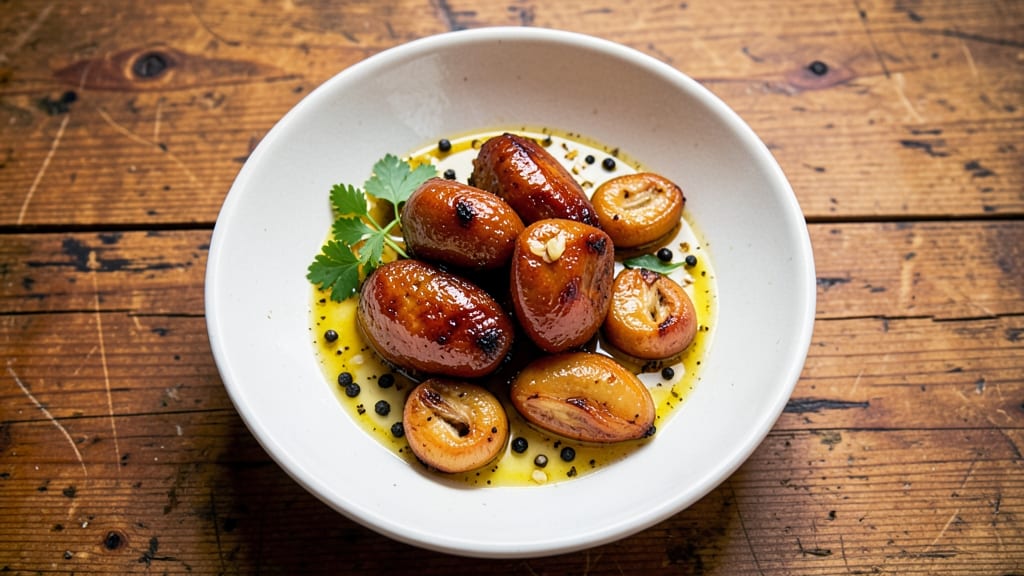
Transforming humble chicken hearts and gizzards into a crispy-edged, juicy-centered masterpiece requires precision and respect for traditional techniques. This recipe elevates offal to restaurant-quality status by balancing texture and flavor through careful preparation and cooking methods.
The key lies in proper cleaning, marinating, and selecting the right technique—whether you prefer pan-searing, braising, or grilling.
What sets this dish apart is the foolproof method for achieving crispy exteriors without drying out the centers, a challenge many home cooks face. I’ve refined this technique over years of testing, ensuring every bite delivers that satisfying contrast between tender meat and golden-brown crust.
The marinade—simple yet potent—infuses flavor while tenderizing the tougher cuts, making them approachable even for those new to offal.
By the end, you’ll have a dish that’s rich in umami and texture, perfect for serving with bold sides like chimichurri, garlic mashed potatoes, or a crisp green salad.
The aroma alone will draw everyone to the table, and the first bite will silence any skepticism. This is offal cooking done right—professional results without the intimidation.
Whether you’re preparing for a special occasion or simply exploring new flavors, this recipe transforms humble ingredients into a showstopping centerpiece. Let’s get started with the steps that turn offal into an unforgettable meal.
Ingredients for chicken hearts and gizzards
Precision-cleaned offal meets bold flavors—transforming humble ingredients into restaurant-worthy texture.
| Ingredient | Amount | Notes |
|---|---|---|
| Chicken Hearts 🦔 | 1 lb | Fresh, cleaned, trimmed of excess fat |
| Chicken Gizzards 🦔 | 1 lb | Fresh, cleaned, trimmed of membranes |
| Butter 🧈 | ½ cup | Unsalted, cold for browning |
| Olive Oil 🫒 | ¼ cup | Extra-virgin, for searing |
| Garlic Cloves 🧄 | 6 cloves | Fresh, smashed for marinade |
| Lemon Juice 🍋 | ¼ cup | Freshly squeezed, bright |
| Red Wine Vinegar 🍷 | ¼ cup | Dry variety for balance |
| Dried Thyme 🌿 | 1 tbsp | French preferred, crushed |
| Dried Rosemary 🌿 | 1 tsp | Finely chopped, aromatic |
| Diamond Crystal Kosher Salt 🧂 | 1 ½ tbsp | For seasoning and curing |
| Freshly Ground Black Pepper 🌶️ | 1 tsp | Coarsely cracked |
| All-Purpose Flour 🌾 | ½ cup | For dredging, sifted |
| Cornstarch 🌽 | ¼ cup | For extra crispiness |
| Chicken Stock 🍲 | 1 cup | Homemade preferred, low-sodium |
The offal quality is non-negotiable. Source hearts and gizzards from a trusted butcher or specialty poultry supplier—look for vibrant color and minimal fat accumulation. Whole Foods Market or local farms often carry the freshest cuts, though many grocery stores now stock them in the meat case. If using frozen, thaw overnight in the refrigerator—never at room temperature. The marinade's acidity (lemon and vinegar) requires 12-24 hours of curing time to fully tenderize these dense proteins. This isn't a step to rush; patience here ensures that crispy exterior you're after.
Substitutions must respect the dish's integrity. No chicken hearts? Use only gizzards (adjust cooking time by +10 minutes), but the texture contrast suffers. Red wine vinegar unavailable? Substitute with apple cider vinegar, though the flavor profile shifts slightly. For the flour dredge, panko creates extra crunch but lacks the fine adhesion of all-purpose. The cornstarch is critical—it's what creates that delicate crust. Diamond Crystal kosher salt dissolves better than table salt; if that's all you have, reduce by 25%. Fresh herbs can be swapped for dried at a 1:3 ratio, but the earthy depth of dried rosemary and thyme complements the umami richness of offal better than bright fresh varieties.
Proper storage extends freshness and maintains texture. Marinated offal keeps for 3 days in the refrigerator, sealed in a container with the marinade. For longer storage, freeze in a single layer before transferring to bags—this prevents freezer burn. Cooked offal reheats best in a dry skillet over medium heat for 2-3 minutes per side, adding a splash of chicken stock to maintain moisture. The crispy crust is delicate post-cooking; serve immediately or store at room temperature for no more than 1 hour to preserve that coveted texture contrast. These pieces reheat poorly—plan to serve fresh from the pan.
Why You'll Love This Recipe
- No Fuss, Big Payoff: I swear by this recipe because it’s the kind of meal that feels like a hug—no fancy prep, just a hot pan, a knife, and 15 minutes. The hearts and gizzards take the brunt of the work (cleaning and trimming), but once they’re seared in butter and olive oil, the rest is just letting garlic and time do the magic.
- Butter-Kissed Magic: That first bite of crispy edges melting into tender, buttery centers? It’s the kind of flavor that makes you pause mid-chew. The garlic cloves, smashed and sizzling in the oil, infuse everything with a rich, aromatic depth that turns simple protein into something ridiculously satisfying.
- Weeknight or Weekend: Honestly, this recipe works for both: toss a batch together after a long day (it’s ready while you’re microwaving leftovers), or make it for a potluck where you’ll be the one people ask for seconds. The leftovers? Even better cold in sandwiches or reheated with a sprinkle of flaky salt.
- Budget-Friendly Powerhouse: Between us, chicken hearts and gizzards are the unsung heroes of the meat aisle—cheaper than breasts, meatier than thighs, and packed with flavor. A pound feeds four, and the cost? A fraction of what you’d spend on chicken thighs. Plus, the butter and olive oil make it feel like a splurge without breaking the bank.
Step-by-step instructions for chicken hearts and gizzards
Mastering offal transforms these humble ingredients into a restaurant-worthy dish.
Prepare the Offal for Maximum Flavor
Begin by thoroughly cleaning the chicken hearts and gizzards under cold running water, removing any remaining membranes or connective tissue. Pat them completely dry with paper towels—this is critical for achieving crispy edges later. In a large bowl, combine the cleaned chicken hearts and gizzards with the 0.25 cup lemon juice, 0.25 cup red wine vinegar, 6 cloves garlic cloves (smashed), 1 tbsp dried thyme, 1 tsp dried rosemary, 1.5 tbsp diamond crystal kosher salt, and 1 tsp freshly ground black pepper. The acidity of the citrus and vinegar helps tenderize the meat while infusing it with bright, aromatic flavors.
Massage the marinade into the offal using your hands, ensuring every surface is coated. Let the mixture sit at room temperature for 30 minutes to allow the marinade to penetrate deeply. This step is where the foundation of flavor is built—don't rush it. The offal should look glossy and fully saturated by the end of this marinating period.
Create the Crispy Coating and Sear the Offal
In a separate bowl, whisk together the 0.5 cup all-purpose flour and 0.25 cup cornstarch. This combination creates a lighter, crispier coating than flour alone. Dredge each piece of marinated offal in the flour mixture, pressing gently to adhere the coating evenly. Shake off any excess, as a thick layer will prevent proper browning.
Heat 0.25 cup olive oil and 0.5 cup butter in a large, heavy skillet over medium-high heat until the butter foams and the oil shimmers—this should take about 3 minutes. Working in batches to avoid overcrowding, add the dredged offal to the skillet in a single layer. Cook undisturbed for 4-5 minutes per side until the edges are deep golden brown and the internal temperature reaches 160°F when measured with an instant-read thermometer. The cornstarch in the coating will give you that coveted crispy texture while keeping the centers juicy.
Deglaze and Build the Flavorful Sauce
Once the offal is golden and cooked through, remove it from the skillet and set it aside on a plate. Immediately reduce the heat to medium-low and add the 1 cup chicken stock to the skillet, scraping up all the browned bits from the bottom with a wooden spoon. These bits, known as fond, are packed with flavor and will form the base of your sauce.
Simmer the stock for 5-7 minutes until it reduces by about one-third, thickening slightly into a glossy sauce. The sauce should coat the back of a spoon and have a rich, caramelized depth from the fond. If it reduces too quickly, add 1-2 tablespoons of water to maintain the proper consistency. Taste and adjust seasoning with additional diamond crystal kosher salt or freshly ground black pepper as needed.
Finish and Serve with Confidence
Return the crispy offal to the skillet and spoon the sauce generously over the top, letting it coat the pieces evenly. The residual heat will warm the sauce and infuse it with the offal's flavors. Let everything sit together for 2-3 minutes off the heat, allowing the sauce to cling to the crispy edges and juicy centers.
Serve immediately, garnished with an additional sprinkle of freshly ground black pepper for a finishing touch. The contrast of crispy, golden-brown edges and tender, juicy interiors is what makes this dish truly exceptional. Pair with crusty bread to soak up every last bit of that flavorful sauce.
Pro Tips For Making Chicken Hearts And Gizzards
- Sear First, Braise Later: Chicken hearts and gizzards need that deep, caramelized crust to taste rich, not rubbery. Hit them with a screaming-hot pan—olive oil first, then butter—until they’re golden in spots (about 3-4 minutes per side). After searing, you’re not just cooking; you’re building flavor. I used to skip this, and the dish always tasted flat.
- Slice Gizzards Lengthwise: Whole gizzards stay tough no matter how long you cook them. Cut them open like a book—slice straight down the middle—and you’ll end up with tender, bite-sized pieces that cook faster. Hearts can stay whole, but gizzards? They need this treatment. (Yes, it’s a little messy, but worth it.)
- Salt the Meat Twice: Generously salt the hearts and gizzards before searing, then add another pinch when they hit the braising liquid. The first salt seasons the surface; the second penetrates while they cook. I learned this the hard way—my first batch tasted bland because I only salted once. Trust me, double up.
- Deglaze with Garlic Oil: After searing, don’t just dump in water or broth—heat a splash of olive oil with minced garlic until fragrant, then pour it over the meat. This turns the stuck-on bits into a silky, flavorful base. It’s lazy to just use liquid, but this step makes the sauce taste like it simmered all day. (And it’s faster than scraping.)
Pro cooking tips for this recipe
Perfect Browning Technique
Achieving that deep golden-brown crust on offal requires patience and precise heat control. Use a heavy cast-iron skillet (like Lodge) because it retains heat evenly and creates the ideal sear. Heat the oil and butter until it reaches 350-375°F—test with a drop of water that sizzles vigorously.
Cook the offal in single layers, never overlapping, for 4-5 minutes per side without moving. This undisturbed cooking builds the Maillard reaction for maximum flavor and texture. 🔥
Batch Cooking Without Overcrowding
Offal releases moisture when cooking, which can cause steaming instead of browning. Cook in two batches maximum to maintain proper heat. If you must work in more batches, let the skillet return to temperature between additions—this ensures each piece gets the same crispy exterior.
I’ve ruined countless batches by overcrowding; trust me, this step is non-negotiable for that restaurant-quality result. 💡
Internal Temperature Matters
Use an instant-read thermometer to check doneness—160°F internal temperature is perfect for both hearts and gizzards. Hearts cook faster than gizzards, so remove them when they hit 160°F and let the gizzards continue for another 1-2 minutes*.
The cornstarch coating can mask doneness visually, so always rely on temperature. A ThermoWorks Smoke thermometer is my go-to for accuracy. ✨
Sauce Reduction Secrets
Deglazing the pan with chicken stock is where the magic happens. Let the stock simmer until it reduces by one-third, creating a glossy, concentrated sauce. For extra depth, add 1 tbsp of red wine vinegar to the stock before simmering—this cuts through the richness and brightens the flavors.
Taste as you go; the sauce should coat the back of a spoon but remain silky, not gluey. 💫
Resting for Juiciness
After cooking, let the offal rest on a wire rack for 5 minutes before serving. This allows juices to redistribute, preventing them from spilling out when sliced.
If serving immediately, return the offal to the skillet with the sauce for 2-3 minutes off the heat—this ensures the sauce clings perfectly to every crispy edge. 💪
Equipment Upgrades Worth It
Invest in a fine-mesh strainer for rinsing offal—it’s faster than running water and removes more debris. A wooden spoon for deglazing preserves fond better than metal. For crispy coatings, use a wire whisk to mix flour and cornstarch—it creates a lighter, more even dredge.
These small upgrades make a world of difference in texture and flavor. 💡
Nutrition facts
Frequently asked questions
How do I properly clean chicken hearts and gizzards before cooking?
Rinse them thoroughly under cold water, then remove any remaining membranes or connective tissue. Pat completely dry with paper towels—this step is critical for achieving crispy edges. For gizzards, cut off the greenish gall bladder if present, as it can make the meat bitter.
Can I substitute chicken hearts or gizzards if one is unavailable?
Yes, but the texture will differ. Use only gizzards (adjust cooking time by +10 minutes) or hearts, but you’ll lose the satisfying contrast between the two. For a similar experience, try mixing with chicken livers (cook separately as they require different methods).
Why did my offal turn out dry instead of juicy?
Overcooking is the most common cause. Use an instant-read thermometer to check for 160°F internal temperature—never rely on visual cues alone. Also, avoid overcrowding the pan, which steams instead of sears. For extra juiciness, add 1 cup chicken stock to the skillet after cooking and let it soak for 2-3 minutes off heat.
What’s the best way to store leftover cooked offal?
Store in an airtight container for up to 3 days in the fridge. For longer storage, freeze in a single layer before transferring to bags. Reheat gently in a dry skillet over medium heat for 2-3 minutes per side—never microwave, as it destroys the crispy texture.
Can I make this recipe ahead of time?
Marinate the offal for 12-24 hours ahead—this step is safe and enhances flavor. However, do not cook ahead—the crispy coating loses its texture when reheated. Prepare the sauce separately and reheat it gently with the offal just before serving.