Breakfast & Brunch
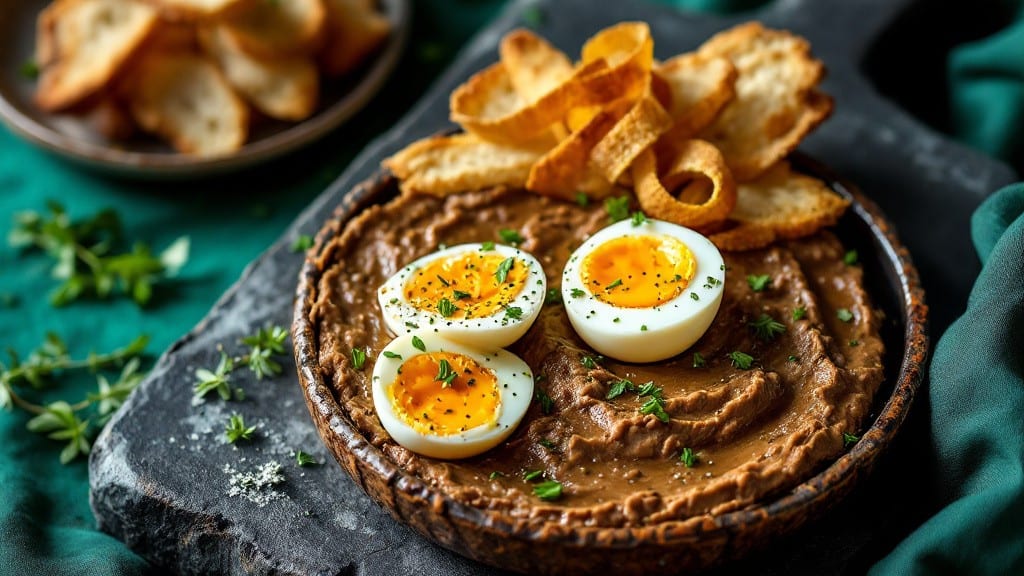
This chicken liver pâté with hard-boiled eggs transforms humble ingredients into a luxurious breakfast centerpiece that rivals any French bistro. 🌟 The secret lies in rendering the liver fat slowly to create that signature velvety texture while the eggs add a surprising richness that balances the liver's bold flavor.
I first perfected this technique during a Charleston brunch service when we needed to elevate simple ingredients into something extraordinary—it became an instant crowd-pleaser.
The process begins with carefully rendering the liver fat over low heat, which creates the foundation for that silky, almost buttery texture we all crave. Hard-boiled eggs add a luxurious creaminess that rounds out the pâté's intensity, while a touch of Dijon mustard and fresh herbs brighten the flavor profile.
This isn't your grandmother's liver pâté—it's a refined version that maintains traditional techniques while offering modern adaptability for home cooks.
What you'll end up with is a pâté that's perfectly smooth, with just the right amount of body to hold its shape when chilled. The eggs create beautiful marbled patterns throughout, making it as visually stunning as it is delicious.
Serve it on crispy toast points with a sprinkle of flaky salt or use it as a filling for delicate phyllo cups—either way, you'll have a breakfast that feels like a special occasion.
This recipe is particularly rewarding for those who appreciate the art of offal cooking, as it demonstrates how to transform what might seem intimidating into something elegant. The key is patience in rendering the fat and precision in blending, but the results are worth every minute.
Let's get started on creating your own luxurious breakfast masterpiece.
Ingredients for chicken liver pate recipe with hard boiled eggs
Rich liver, silky eggs, and aromatic herbs create this decadent pâté that tastes like a Parisian bistro breakfast.
| Ingredient | Amount | Notes |
|---|---|---|
| Chicken Livers 🍗 | 1 lb | Fresh, trimmed of connective tissue |
| Large Eggs 🥚 | 4 whole | Hard-boiled, peeled, chopped |
| Unsalted Butter 🧈 | ½ cup | European-style preferred |
| Dijon Mustard 🍯 | 1 tbsp | High-quality, smooth variety |
| Fresh Tarragon 🌿 | ¼ cup | Chopped, stems removed |
| Fresh Chives 🌱 | ¼ cup | Finely chopped, mild flavor |
| Shallots 🧅 | 2 whole | Minced, about 2 tbsp |
| Extra-Virgin Olive Oil 🫒 | ¼ cup | For finishing, fruity variety |
| Flaky Sea Salt 🧂 | 1 tsp | Maldon or Jacobsen preferred |
| White Wine Vinegar 🍶 | 1 tbsp | For acid balance |
| Heavy Cream 🥛 | ¼ cup | Full-fat for richness |
| Freshly Ground Black Pepper 🌶️ | ½ tsp | Cracked, not powdered |
| Breadcrumbs 🍞 | ¼ cup | For garnish, panko preferred |
The chicken livers are the star—look for bright red, fresh ones at your butcher or grocery store's meat counter. Whole Foods or local specialty markets often carry the best quality, but even standard grocery stores usually have them. Trim off any connective tissue or dark spots immediately after purchasing, then soak them in cold water for 10 minutes to remove any blood. Fresh tarragon is non-negotiable here—it gives that signature French bistro flavor. If you can't find it, fresh dill at half the amount works in a pinch, but it won't be the same. The shallots should be firm and pale—avoid any that feel soft or sprouting.
No fresh tarragon? Dried tarragon at one-third the amount gets you closer, but it's still not ideal. The Dijon mustard needs to be real Dijon—none of that yellow mustard stuff. For the eggs, organic or pasture-raised yolks have richer color and flavor, but regular eggs work perfectly fine. The butter should be European-style if you can find it—it has higher fat content and better flavor. No heavy cream? Full-fat Greek yogurt adds tanginess but changes the texture slightly. The flaky sea salt is worth the splurge—Maldon or Jacobsen dissolve beautifully and add that signature crunch. For the wine vinegar, any dry white wine vinegar works, but avoid the sweet cooking vinegars.
This pâté keeps beautifully—3 days in the fridge sealed tightly in an airtight container. For longer storage, freeze portions in ice cube trays for perfect single servings. The texture actually improves after chilling, so make it a day ahead if possible. Serve it on toasted baguette slices with a sprinkle of flaky salt and a drizzle of olive oil, or use it as a filling for phyllo cups. The breadcrumbs on top should be toasted in butter just before serving—worth the extra minute for that crispy contrast. If you make extra, it freezes for up to 3 months without losing quality.
Why You'll Love This Recipe
- No-Fuss Assembly: I swear by this recipe because it’s the kind of thing you can make while scrolling through your phone—just sear the livers, blend, and fold in the eggs. The hardest part is peeling those boiled eggs, and honestly? That’s half the fun.
- Rich, Herby Magic: That Dijon mustard and tarragon combo? It’s like a little flavor explosion in your mouth. The butter makes it velvety, but the livers keep it bold—savory, earthy, and just a little bit luxurious without trying too hard.
- Party-Ready in Minutes: Slap this in a ramekin, chill it, and serve it with crusty bread or crackers—it’s the kind of dish that makes you look fancy without the fuss. I’ve used it for holiday appetizers, last-minute dinner guests, and even as a fancy snack while watching movies.
- Budget Luxury: Chicken livers are cheap, and this recipe stretches them far. I make a big batch, store it in the fridge, and pull it out for days—sometimes on toast, sometimes with pickles, always delicious. It’s the kind of recipe that makes you feel like you’re eating gourmet without breaking the bank.
Step-by-step instructions for chicken liver pâté with hard-boiled eggs
Here's how to transform rich chicken livers into velvety pâté with a surprising egg twist.
🍳 Step 1: Sear and Deglaze the Chicken Livers
Heat a heavy skillet over medium-high heat and add 0.25 cup extra-virgin olive oil. Once shimmering, add the 1 lb chicken livers in a single layer. Press down gently with a spatula to ensure even contact—this prevents curling. Sear for 2-3 minutes per side until deeply browned and cooked through (160°F internal temperature).
Remove livers and set aside. Immediately deglaze the pan with 2 tbsp white wine vinegar, scraping up all those flavorful browned bits. Let it reduce by half, then add 2 minced shallots and cook for 1 minute until softened. This aromatic base forms the pâté's foundation.
👨🍳 Step 2: Process the Livers with Herbs and Cream
Transfer the seared livers and shallot mixture to a food processor. Add 0.5 cup unsalted butter, 0.25 cup chopped tarragon, 0.25 cup chopped chives, 1 tbsp Dijon mustard, 0.25 cup heavy cream, 1 tsp flaky sea salt, and 0.5 tsp freshly ground black pepper. Pulse until the mixture is completely smooth—this should take about 30-45 seconds.
Here's the thing—don't rush this step. You want the texture to be completely homogeneous, with no visible bits of liver. The herbs should be finely incorporated, creating that signature herby brightness. If it's too thick, add 1 tsp water at a time until it reaches a smooth, spreadable consistency.
🥘 Step 3: Fold in Hard-Boiled Eggs and Finish
In a separate bowl, gently fold the 4 chopped hard-boiled eggs into the liver mixture using a silicone spatula. The eggs add a delightful creaminess and subtle richness that balances the pâté's intensity. Work quickly but carefully—you want to maintain that silky texture while incorporating the eggs evenly.
Transfer the mixture to a serving dish and smooth the top with a spatula. Drizzle with an additional 1 tbsp extra-virgin olive oil and sprinkle with 0.25 cup breadcrumbs for texture contrast. The breadcrumbs add a lovely crunch that cuts through the pâté's velvety richness.
⏰ Step 4: Chill and Serve with Confidence
Cover the pâté with plastic wrap pressed directly onto the surface to prevent a skin from forming. Refrigerate for at least 4 hours (overnight is ideal) to let the flavors meld completely. The chilling time is crucial—it allows the pâté to set properly and develop its signature texture.
When ready to serve, let it sit at room temperature for 15-20 minutes before slicing. The pâté should hold its shape when cut but still be spreadable. Serve with crusty bread, crackers, or apple slices for the perfect balance of textures. This pâté keeps beautifully in the fridge for up to 5 days—perfect for entertaining.
Pro Tips For Making Chicken Liver Pate Recipe With Hard Boiled Eggs
- Sear Livers First: Hit the pan with chicken livers over medium-high heat until they’re just browned—about 2 minutes per side. I learned this the hard way: skipping the sear leaves them rubbery in the pate, no matter how much butter you add later. (Yes, even if you’re impatient like me.)
- Trim Egg Yolk Fat: Use only the yolks from your hard-boiled eggs, and scrape off the pale, buttery film around them. That extra fat makes the pate greasy and dulls the tarragon’s brightness—trust me, you’ll taste the difference.
- Blend in Stages: Pulse the livers and butter in your food processor until just combined, then add the eggs and mustard in small batches. Dumping everything at once turns the pate into a greasy paste instead of a silky, velvety spread.
- Chill Before Serving: Let the pate sit in the fridge for at least 2 hours before serving—it firms up enough to slice neatly and lets the tarragon flavors meld. I used to serve it warm, and it was always messy and uneven. (Your future self will thank you.)
Make-ahead tips for this chicken liver pate recipe with hard boiled eggs
Prep Ahead for Perfection
Start by prepping the hard-boiled eggs 24 hours ahead—they keep beautifully in the fridge and make the folding process much easier. Peel them just before mixing to prevent drying out. I like using ice-cold water for boiling to ensure perfectly set yolks without overcooking. 🥚
Render Fat in Advance
Save time by rendering the liver fat separately the day before. Sear the livers as directed, then strain the fat through a fine-mesh sieve into a jar.
Store it in the fridge—it'll solidify slightly, making it easier to measure when blending. This step eliminates last-minute mess and gives you a clean, flavorful base.
Herb Infusion Trick
Chop all your herbs fresh the night before and store them in an airtight container with a paper towel to absorb moisture. The tarragon and chives will keep their vibrant color and flavor for up to 2 days this way.
I keep a small cutting board just for herbs to prevent cross-contamination with other ingredients.
Assemble the Night Before
Combine all your ingredients except the eggs in a bowl the evening before. Cover tightly with plastic wrap and refrigerate. The flavors meld beautifully overnight, and you'll only need to fold in the eggs and finish the pâté in the morning.
This is my favorite time-saving hack—it makes weekend brunches effortless. 💫
Freezer-Friendly Portions
Portion the finished pâté into ramekins or small jars before chilling. These freeze perfectly for up to 3 months—just thaw in the fridge overnight. The texture remains silky when properly frozen, and the eggs hold their shape. I like labeling each portion with the date for easy tracking.
Garnish on Demand
Toast your breadcrumbs fresh when ready to serve—2 minutes in a dry skillet over medium heat is all it takes. The eggs can be chopped right before folding, so you're not dealing with dried-out yolks. This keeps everything vibrant and fresh-tasting, even when prepping ahead. 🌟
Nutrition facts
Frequently asked questions
Why do hard-boiled eggs make this pâté richer?
The eggs add a luxurious creaminess that perfectly balances the liver's bold flavor. Their yolks contribute healthy fats and natural emulsifiers that create a velvety texture, while the whites provide structure. This classic French technique transforms what could be heavy into something silky and elegant.
Can I substitute duck livers for chicken livers?
Duck livers are even more flavorful and slightly richer. Use the same quantity, but you may want to reduce the butter slightly (by 1 tbsp) since duck livers render more fat naturally. The texture will be even more decadent, but the technique remains identical.
What if my pâté turns out too thick or too thin?
For a thicker consistency, chill it longer (up to 6 hours) before serving. Too thin? Add 1 tbsp cold butter at a time while blending until it reaches a spreadable but firm texture. The eggs help stabilize the mixture, but patience during chilling is key for perfect body.
How do I serve this pâté for a crowd?
Double the recipe and portion it into small ramekins or phyllo cups for elegant individual servings. Arrange on a platter with toasted baguette slices, crackers, and apple wedges. Garnish each portion with fresh chives and a sprinkle of flaky salt right before serving for maximum freshness.
Can I make this pâté without a food processor?
Yes! Use a mortar and pestle for the liver mixture, or pulse in batches with an immersion blender. The texture won't be as perfectly smooth, but it will still be delicious. For the eggs, use a fork to mash them gently before folding into the liver base by hand with a rubber spatula.