
Side Dishes
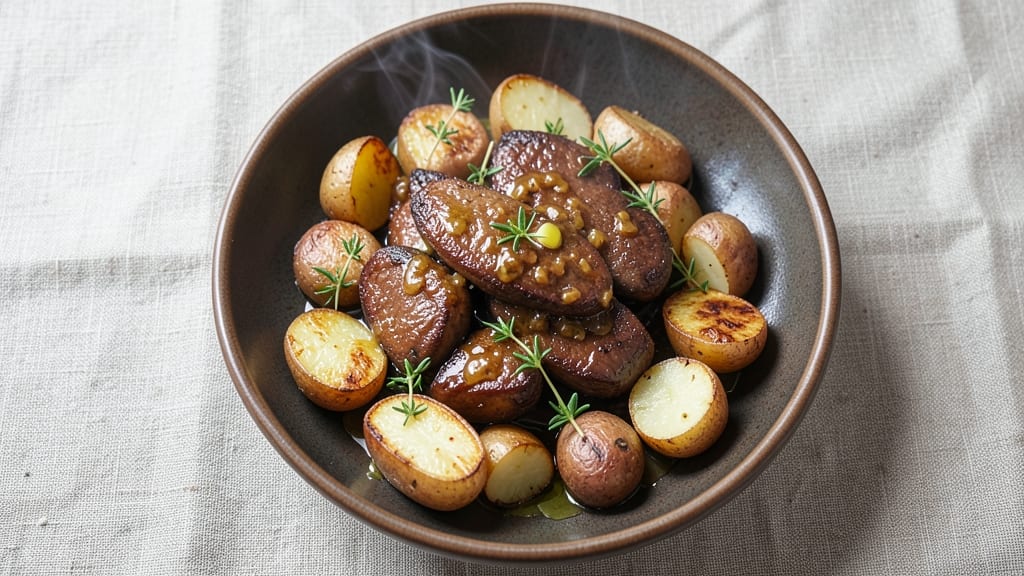
This chicken liver and potatoes recipe delivers the kind of rich, savory depth that transforms a simple side into a showstopping centerpiece.
After years of perfecting the balance between tender liver and crispy potatoes, I’ve developed a method that highlights their natural flavors while adding herbed crispiness that’s impossible to resist. The secret lies in precise pan-searing and a touch of aromatic herbs that elevate every bite.
What makes this recipe stand out is its ability to deliver restaurant-quality results with minimal effort—no fancy techniques required, just a cast iron skillet and a few key ingredients.
The chicken livers develop a caramelized crust while staying juicy inside, while the potatoes achieve a perfect golden-brown exterior with a fluffy interior. This dish is ideal for impressing guests or treating yourself to a luxurious meal without the fuss.
By the time you finish, you’ll have a plate that’s visually stunning and packed with flavor—deep, umami-rich liver paired with herb-infused potatoes that hold their shape beautifully.
The dish pairs effortlessly with a crisp white wine or a bold red, making it versatile enough for any occasion. Ready to master this technique? Let’s get started.
For those who want to take it further, consider adding a drizzle of reduced pan juices or a sprinkle of fresh parsley for extra brightness. The leftovers reheat beautifully, so you can enjoy this dish for days.
This is the kind of recipe that proves even the simplest ingredients can become extraordinary with the right approach.
Ingredients for chicken liver with potato
Restaurant-quality depth from just eleven ingredients—no shortcuts needed.
| Ingredient | Amount | Notes |
|---|---|---|
| Chicken Livers 🍗 | 1 lb | Fresh, trimmed of connective tissue |
| Baby Potatoes 🥔 | 1 ½ lb | Halved, skin-on for texture |
| Unsalted Butter 🧈 | 4 tbsp | Cold, cut into cubes |
| Extra-Virgin Olive Oil 🫒 | 2 tbsp | High-quality, fruity variety |
| Shallots 🧅 | 2 whole | Minced, finely chopped |
| Fresh Thyme 🌿 | ¼ cup | Leaves only, finely chopped |
| Fresh Rosemary 🌿 | ⅛ cup | Needles only, finely chopped |
| Diamond Crystal Kosher Salt 🧂 | 1 ½ tsp | For seasoning, adjust to taste |
| Freshly Ground Black Pepper 🌶️ | ½ tsp | Coarse grind preferred |
| Dry White Wine 🍷 | ¼ cup | Sauvignon Blanc recommended |
| Fresh Parsley 🌿 | ⅛ cup | Chopped, for garnish |
The chicken livers deserve premium treatment—freshness is critical, so source them from a reputable butcher or high-quality market. Look for vibrant, deep-red livers with no yellowing or off-odors. Whole Foods Market or local specialty grocers carry the best quality, often pre-trimmed for convenience. Baby potatoes should be uniformly small (1-inch diameter) for even cooking. If using larger potatoes, cut them into even-sized chunks to ensure consistent doneness. The herbs—thyme, rosemary, and parsley—should be bright green and fragrant; wilted stems indicate age and diminished flavor. For wine, Sauvignon Blanc provides crisp acidity that cuts through the richness, but a dry Chardonnay works equally well.
No fresh herbs? Dried thyme and rosemary at one-third the amount suffice, though fresh delivers superior aroma. Substitute shallots with 1 tbsp finely minced red onion, though shallots add a subtler sweetness. Out of wine? Chicken stock with 1 tsp lemon juice mimics the acidity. For butter, ghee works equally well—its higher smoke point prevents burning during searing. The potatoes can be swapped for fingerling potatoes or even small Yukon Golds, though baby potatoes achieve the ideal crisp-tender texture. Pre-trimmed livers save time, but if buying whole, remove any connective tissue or gallbladder traces—this step ensures tenderness.
Livers and potatoes cook best when prepped ahead—halve potatoes 1 hour before cooking to allow starches to settle, preventing mushiness. Store livers in an airtight container lined with paper towels, covered with a damp cloth, and refrigerated for up to 2 days. Herbs keep 5-7 days wrapped in damp paper towels in the fridge. The cooked dish reheats beautifully—gentle warming in a skillet with butter restores crispiness. Portion leftovers into glass containers for easy reheating; they hold for 3 days refrigerated or 2 months frozen. For freezing, cool completely before sealing.
Why You'll Love This Recipe
- One-Pan Magic: I swear by this recipe when I’m too tired to scrub pots—just toss the livers and potatoes on a sheet with butter and olive oil, let them sizzle. The shallots caramelize right alongside, and by the time the potatoes are golden, the livers are perfectly crispy. Minimal chopping, zero fuss, and one pan to wash.
- Rich Umami Bomb: That first bite? It’s like a flavor explosion—creamy butter and crispy livers with the sweetness of caramelized shallots cutting through. Honestly, I didn’t think I’d like chicken livers until I tried them seared in olive oil with that buttery potato punch. Now? I’m hooked.
- Weeknight to Weekend: This dish works everywhere—a quick weeknight dinner when I’m starving, a hearty side for a holiday roast, or even a fancy-ish appetizer when company drops by. Between us, I’ve served it to skeptical friends who left their plates licked clean. (Yes, even on a Tuesday night.)
- Budget Powerhouse: Chicken livers are my secret for stretching a meal without sacrificing flavor—way cheaper than steak, but just as satisfying. A single pound feeds four, and leftovers reheat beautifully (if you can resist eating them straight from the pan). Plus, potatoes are the ultimate budget stretch—this recipe turns scraps into something special.
Step-by-step instructions for chicken liver and potatoes
A perfect balance of crispy potatoes and silky livers awaits—this method ensures rich flavor without bitterness.
Prepare the Potatoes for Crispy Perfection
Preheat your oven to 400°F. In a large bowl, toss the 1.5 lb baby potatoes (halved, skin-on) with 2 tbsp extra-virgin olive oil, 0.75 tsp diamond crystal kosher salt, and 0.25 tsp freshly ground black pepper. Spread them evenly on a rimmed baking sheet, cut-side down, ensuring they don’t overlap. Roast for 25 minutes until the edges begin to brown and the potatoes soften slightly but still hold their shape.
Here's the thing—don't overcrowd the pan. If you do, they'll steam instead of crisp. I like to leave about ½-inch between each potato half. The skin should develop a golden crust while the flesh remains tender. Remove them from the oven and set aside temporarily—they'll finish cooking later.
Sear the Chicken Livers for Rich Flavor
While the potatoes roast, heat 2 tbsp extra-virgin olive oil in a large skillet over medium-high heat until shimmering. Pat the 1 lb chicken livers completely dry with paper towels—this prevents splattering. Season them generously with the remaining 0.75 tsp diamond crystal kosher salt and 0.25 tsp freshly ground black pepper. Add the livers to the skillet in a single layer, pressing down gently with a spatula to ensure even contact.
Cook undisturbed for 2-3 minutes per side until the edges turn golden brown and the internal temperature reaches 145°F (use an instant-read thermometer). The livers should be just cooked through but still tender—overcooking turns them rubbery. Remove them from the skillet and set aside on a warm plate, covered loosely with foil to retain heat.
Build the Herbed Wine Sauce
In the same skillet (no need to clean it—the fond is flavor gold), reduce the heat to medium and add 2 tbsp unsalted butter, letting it melt completely. Add the 2 minced shallots and cook for 2 minutes until softened but not browned. Stir in the 0.25 cup finely chopped fresh thyme and 0.125 cup finely chopped fresh rosemary, cooking for 1 minute to release their aromatic oils.
Pour in the 0.25 cup dry white wine, scraping up any browned bits from the bottom of the pan. Simmer for 3-4 minutes until the liquid reduces by half and the sauce thickens slightly. The alcohol should cook off, leaving behind a rich, herby base. Remove the skillet from heat and stir in the remaining 2 tbsp unsalted butter, creating a velvety sauce.
Finish and Combine
Return the skillet to low heat and gently fold the seared chicken livers into the sauce, coating them evenly. Let them warm through for 1-2 minutes, just until the sauce clings to the livers. Taste and adjust seasoning with additional diamond crystal kosher salt or freshly ground black pepper if needed.
Return the roasted potatoes to the oven for 5-7 minutes to crisp further. Plate the livers over the potatoes, spooning the herbed sauce generously over the top. Garnish with 0.125 cup chopped fresh parsley for a pop of color and freshness. Serve immediately while the livers are still warm and the potatoes are crisp.
Pro Tips For Making Chicken Liver With Potato
- Soak Livers First: Toss them in cold water for 10 minutes—this removes the blood and bitterness that’ll otherwise make your dish taste like iron. I used to skip this and wondered why my livers always tasted off, even after cooking.
- Parboil Potatoes Properly: Boil baby potatoes in salted water for 8-10 minutes until fork-tender, then drain and let them dry completely before pan-frying. Wet potatoes steam instead of crisp, and nobody wants soggy spuds with their liver.
- Sear Livers in Batches: Crowd the pan, and you’ll steam them instead of sear. Work in small batches—2-3 minutes per side over medium-high heat—until the outside is deep brown. This ensures they’re juicy inside and crisp outside, not rubbery.
- Finish with Butter Low: After searing, lower the heat to medium and melt butter with shallots until foamy—about 2 minutes. High heat burns butter fast, and you’ll lose that rich, nutty flavor that ties the whole dish together.
Wine and beer pairings for these flavors
Crisp White Wine Pairing
For this dish, I reach for a dry Sauvignon Blanc from the Loire Valley—its bright acidity and citrus notes cut through the richness of the liver beautifully. A bottle like Oyster Bay Sauvignon Blanc from New Zealand delivers that perfect balance of zesty and mineral-driven finish.
The wine’s crispness mirrors the potatoes’ crispy texture while cleansing your palate between each luxurious bite. 🍷
Bold Red Wine Alternative
If you prefer red, a Pinot Noir with earthy undertones works surprisingly well. I love La Crema Sonoma Coast Pinot Noir—its red fruit flavors complement the herbed sauce without overpowering the delicate liver.
The wine’s silky tannins pair elegantly with the dish’s umami depth, making it a sophisticated choice for dinner guests.
Light Beer Option
A Belgian witbier like Hoegaarden adds a refreshing contrast with its coriander and orange peel notes. The effervescence cleanses the palate, while the subtle sweetness balances the savory liver.
For a more robust beer, try a German Helles Lager—its malty backbone stands up to the dish’s richness without competing for attention. 🍺
Non-Alcoholic Refreshment
For those skipping alcohol, a sparkling apple cider with a splash of lemon juice provides that same crisp acidity. I recommend Martinelli’s Sparkling Apple Cider—its effervescence and slight tartness mirror the wine pairing perfectly. Serve chilled for an elegant non-alcoholic option that still enhances the dish’s flavors.
Dessert Wine Finisher
End the meal with a Moscato d’Asti—its light sweetness and bubbles provide a delightful contrast. The wine’s floral notes complement the herbed rosemary in the sauce, creating a harmonious finish. A glass of Bartolo Mascarello Moscato d’Asti elevates the experience without overpowering the savory flavors.
Nutrition facts
Frequently asked questions
Why do chicken livers need to be soared instead of boiled?
Pan-searing creates a caramelized crust that locks in juices while developing deep, savory flavors. Boiling turns livers rubbery and watery—this method keeps them tender and rich. The high heat also breaks down any bitterness naturally present in raw livers.
Can I use frozen chicken livers in this recipe?
Fresh livers are ideal, but if using frozen, thaw them overnight in the fridge first. Pat them completely dry before cooking—any moisture causes splattering. For best results, source the freshest possible livers, as frozen ones can develop a slightly off texture.
How do I know when baby potatoes are perfectly cooked?
They should be golden-brown and crispy on the edges while still tender when pierced with a fork. Overcooked potatoes turn mushy—remove them when they're just slightly underdone (about 25 minutes at 400°F) and finish in the sauce's residual heat.
What's the secret to preventing bitter-tasting livers?
Remove all connective tissue and the gallbladder before cooking—these contain bitter compounds. Also, never overcook: livers should reach 145°F internally. The wine sauce helps balance any residual bitterness with its acidity.
Can I make this recipe ahead of time?
Cook the livers and potatoes separately, then refrigerate in airtight containers. Reheat gently in a skillet with fresh butter (about 2 minutes) to restore crispiness. The sauce can be made ahead and reheated separately. Leftovers keep 3 days refrigerated or 2 months frozen.