
Main Courses
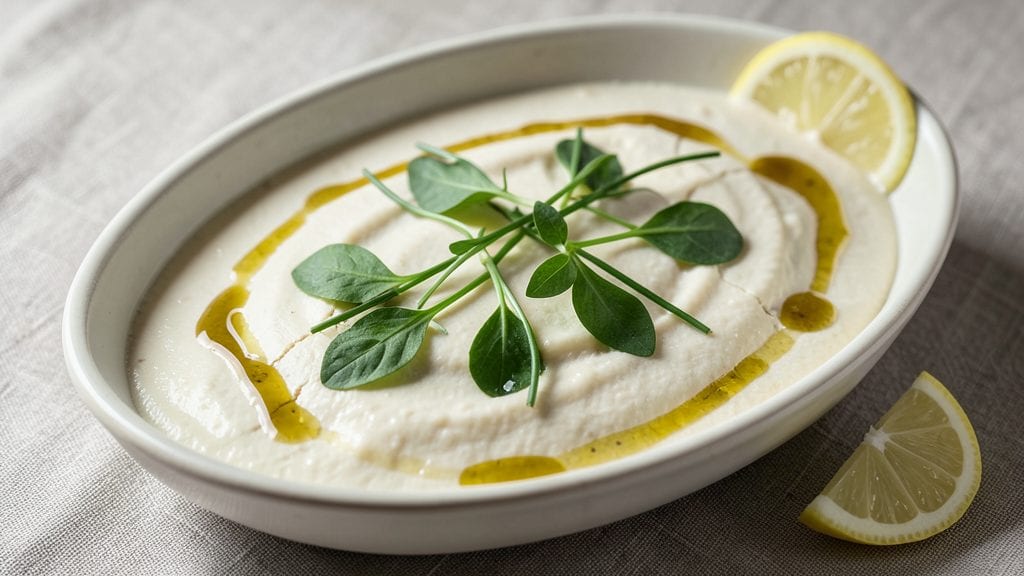
Creating chicken mousse transforms simple ingredients into an elegant dish with velvety texture and rich herbaceous flavor—perfect for special occasions or when you want to impress.
This refined technique involves poaching chicken to achieve tender, shreddable meat before blending it with cream and fresh herbs, resulting in a silky consistency that melts in your mouth. The key lies in precise cooking and blending methods to maintain that luxurious mouthfeel.
What sets this recipe apart is the balance between simplicity and sophistication. You'll work with just a few high-quality ingredients—chicken breast, heavy cream, and fresh herbs like tarragon or chives—to create a dish that feels restaurant-worthy.
The process is methodical but straightforward, ensuring you achieve that signature mousse texture without any guesswork. Professional results are absolutely within reach, even for home cooks.
By the time you plate this dish, you'll have a velvety, herb-infused chicken mousse that's smooth, creamy, and perfectly seasoned. The presentation is just as important as the taste—serve it chilled in elegant ramekins, garnished with fresh herbs or a drizzle of cream for that final touch of sophistication.
This recipe delivers on its promise of refined texture and flavor, making it ideal for dinner parties or elegant weeknight meals.
The beauty of chicken mousse lies in its versatility—it can be served as a standalone appetizer, a light main course, or even as a filling for delicate pastries.
Once you master this technique, you'll find countless ways to adapt it with different herbs or seasonings. Let's get started on creating your perfect chicken mousse.
Ingredients for chicken mousse
High-quality ingredients transform into this luxurious chicken mousse—silky, herbaceous, and restaurant-worthy.
| Ingredient | Amount | Notes |
|---|---|---|
| Boneless, Skinless Chicken Breast 🍗 | 1 ½ lb | Poached to tender perfection |
| Heavy Whipping Cream 🥛 | 1 cup | Full-fat for velvety texture |
| Fresh Tarragon Leaves 🌿 | ½ cup | Finely chopped, vibrant green |
| Fresh Chives 🌱 | ¼ cup | Thinly sliced, delicate flavor |
| Extra-Virgin Olive Oil 🫒 | ¼ cup | High-quality, fruity variety |
| Fresh Lemon Juice 🍋 | 2 tbsp | Bright, freshly squeezed |
| Diamond Crystal Kosher Salt 🧂 | ½ tsp | Fine grain preferred |
| Freshly Ground Black Pepper 🌶️ | ¼ tsp | Freshly cracked for aroma |
| Unsalted Butter 🧈 | 2 tbsp | Cold, cubed for richness |
| Shallots 🧅 | 2 whole | Minced, aromatic base |
| White Wine Vinegar 🍷 | 1 tbsp | For poaching liquid |
| Bay Leaves 🌿 | 1 whole | For poaching infusion |
| Fresh Parsley 🌿 | 0.1 cup | Finely chopped, garnish |
The chicken breast is absolutely critical here—look for uniform thickness (about 1-inch) to ensure even cooking. Whole Foods or your local butcher often carry premium cuts with better marbling, which translates to juicier mousse. Tarragon and chives should be vibrant green with no wilting—farmers markets usually have the freshest. If you can't find tarragon, basil or thyme work as substitutes, though the flavor profile shifts slightly. The heavy cream needs to be cold straight from the fridge—room temperature cream won't whip properly and will break your mousse texture. For the olive oil, California Gold or Bertolli are excellent choices that won't overpower the delicate herb flavors.
No tarragon? Fresh basil or thyme will work, but reduce the amount to one-third of what's listed—they're more potent. Running out of chives? Green onions or extra parsley add a similar freshness. The white wine vinegar can be swapped for apple cider vinegar in a pinch, but it'll add a slightly fruitier note. For the butter, European-style (like Plugrá) has higher fat content and creates a richer mousse. If you're using pre-minced shallots, drain and pat dry to avoid excess moisture. The kosher salt is non-negotiable—Diamond Crystal or Morton both work perfectly, but table salt will make your mousse taste flat.
This mousse keeps beautifully—3-4 days in the fridge sealed tightly, or up to 3 months frozen in an airtight container. For freezing, portion into ramekins first so you can thaw just what you need. The texture actually improves after chilling overnight—let it sit at room temp for 15 minutes before serving to bring out the creaminess. Garnish with extra herbs and a drizzle of olive oil right before plating—that final touch makes all the difference. If you make extra, it's perfect for chilled appetizers or elegant sandwiches the next day.
Why You'll Love This Recipe
- No-Fuss Blender Magic: I swear by this trick—just toss the cooked chicken, cream, and herbs into the blender. No chopping, no straining, no fuss. The texture comes out silky smooth, like a fancy appetizer but with zero effort.
- Herb-Packed Punch: That tarragon and chive combo? It’s the star. The tarragon brings this bright, anise-like freshness, while the chives add a sharp finish—like a little green hug in every bite. Honestly, it tastes like a restaurant dish without the pretension.
- Weeknight to Party Upgrade: Make a batch on Sunday, and you’ve got a crowd-pleaser for game day, book club, or a last-minute dinner guest. Serve it chilled with crusty bread, or warm it gently for a creamy, elegant main. My go-to for when I need something impressive but not stressful.
- Leftovers That Don’t Suck: Most creamy dishes turn sad in the fridge, but this? It’s even better the next day. The flavors meld into something richer, and it reheats like a dream—just a quick zap in the microwave or a warm on the stovetop. (Yes, even on a Tuesday night.)
Step-by-step instructions for silky, herb-infused chicken mousse
This method transforms simple ingredients into velvety perfection—every layer matters for that signature texture.
Poach the Chicken Breast to Tender Perfection
In a medium saucepan, combine 4 cups water, the 2 whole shallots, 1 whole bay leaves, 1 tablespoon white wine vinegar, 0.5 teaspoon diamond crystal kosher salt, and 0.25 teaspoon freshly ground black pepper. Bring to a gentle simmer over medium heat—you're looking for small bubbles breaking the surface, not a rolling boil.
Add the 1.5 lb boneless, skinless chicken breast and poach for 12-15 minutes until the internal temperature reaches 160°F and a knife slides in easily. The chicken should be fork-tender but not falling apart. Real talk: if you overcook it here, you'll end up with dry mousse later. Remove the chicken and let it cool completely before shredding.
Create the Herb-Infused Base
While the chicken cools, heat the 0.25 cup extra-virgin olive oil in a small skillet over medium-low heat. Add the 0.5 cup fresh tarragon leaves and 0.25 cup fresh chives, cooking just until fragrant—about 1-2 minutes. Immediately transfer the herb mixture to a food processor and let it cool completely.
Once cool, add the 2 tablespoons fresh lemon juice and 2 tablespoons unsalted butter to the food processor. Pulse until the butter is fully incorporated and the mixture is smooth. This herb-infused base is the flavor backbone of your mousse—don't skip the cooling step or you'll end up with greasy, unbalanced texture.
Shred and Process the Chicken
Using two forks, shred the cooled chicken breast into fine, even strands—think of it like pulling apart cooked chicken for tacos, but with more precision. Transfer the shredded chicken to the food processor along with the herb-oil mixture. Process in pulses until you achieve a completely smooth, paste-like consistency.
Here's the thing—you want it silky, not chunky. If you see any resistance, stop and scrape down the sides before processing again. The goal is a texture that's almost like thick cream, with no visible chicken pieces. This is where the magic happens: proper processing creates that signature mousse texture that makes this dish truly special.
Incorporate the Cream and Season
Add the 1 cup heavy whipping cream to the processed chicken mixture. Pulse just until fully combined—you're looking for a homogeneous blend that's smooth but still has body. Transfer the mixture to a mixing bowl and gently fold in the 0.1 cup fresh parsley using a rubber spatula.
Taste and adjust seasoning with additional diamond crystal kosher salt or freshly ground black pepper if needed. The mousse should be delicately seasoned—you're building layers of flavor, not overwhelming them. At this stage, it should look like thick, pale yellow custard with a velvety sheen. If it's too thick, add 1 teaspoon water at a time until it reaches the perfect spoonable consistency.
Chill and Serve for Maximum Texture
Cover the mousse with plastic wrap, pressing it directly onto the surface to prevent a skin from forming. Refrigerate for at least 4 hours, preferably overnight. This chilling time is absolutely critical—it allows the flavors to meld completely and the texture to set properly into that signature silky, almost frothy consistency.
When ready to serve, give the mousse a gentle stir to restore its smooth texture. Spoon onto chilled plates and garnish with additional fresh parsley or a drizzle of extra-virgin olive oil for presentation. The perfect chicken mousse should be cool, creamy, and light enough to almost melt in your mouth—each bite should deliver that herbaceous brightness with a velvety texture that's nothing short of incredible.
Pro Tips For Making Chicken Mousse
- POACH DON’T BOIL: DESCRIPTION: Chicken mousse starts with tender chicken, and boiling it turns it rubbery. Use a gentle poach—cover the breasts with water, add a splash of olive oil, and simmer at 160°F (71°C) until just cooked through (165°F internal temp). I learned this the hard way after serving a batch that felt like chewing on a shoe.
- STRAIN THE CREAM: DESCRIPTION: Heavy whipping cream often has fat that rises to the top—skim it off before whipping. Also, chill the cream and your mixing bowl for 30 minutes first. I used to skip this and ended up with butter instead of mousse every time.
- CHOP THE HERBS FINE: DESCRIPTION: Tarragon and chives lose their punch if left in big chunks. Pulse them in a food processor for 2–3 seconds, then finish by hand—just enough to distribute flavor without turning the mousse into pesto. My first attempt had visible tarragon stems, and it looked (and tasted) amateur.
- REST THE CHICKEN: DESCRIPTION: After cooking, let the chicken breasts sit in the warm poaching liquid for 10 minutes before shredding. This keeps them from falling apart when you blend them into the cream. I was always impatient and rushed it—now I swear by the wait.
Storing and reheating your leftovers
Refrigerator Storage
Transfer your finished chicken mousse to an airtight container—I prefer glass Pyrex with a snap-on lid for durability. Press plastic wrap directly onto the surface to prevent a skin from forming.
Store at 40°F or below for up to 3 days, though the texture actually improves after 24 hours of chilling. The flavors meld beautifully overnight, creating that signature velvety consistency. 🥛
Freezer Preservation
For longer storage, portion the mousse into ramekins before freezing—this makes thawing easier. Use quart-sized freezer bags with 1-inch headspace to prevent expansion cracks. Seal tightly and label with the date.
The mousse maintains quality for up to 3 months when stored at 0°F or below. Thaw overnight in the fridge for best texture recovery. ❄️
Reheating Methods
For refrigerator-stored mousse, simply stir gently after removing from the fridge—no reheating needed. If you've frozen it, transfer to the fridge 24 hours before serving to thaw gradually. For any reheating needs, warm in a double boiler over low heat for 5-7 minutes, stirring constantly.
Avoid microwaving—it breaks the delicate texture. The goal is gentle warmth, not heat. 🔥
Texture Recovery Tips
If your mousse develops a skin during storage, simply stir vigorously with a rubber spatula before serving. For extra richness, add 1 tablespoon heavy cream per serving and stir well.
The texture should return to that silky, spoonable consistency within minutes. If it's too thick after reheating, thin with 1 teaspoon water at a time. 💫
Serving After Storage
Always serve chilled—transfer ramekins to the fridge for 30 minutes before plating. Garnish with fresh parsley and a drizzle of extra-virgin olive oil right before serving.
The contrast of cold mousse with room-temperature garnishes elevates the presentation. Store leftovers in the fridge for up to 2 days post-serving for best quality. 🌿
Make-Ahead Strategy
This dish is perfect for meal prep! Prepare the mousse 2 days ahead and store in the fridge. The flavors deepen over time, making it ideal for dinner parties.
For freezer prep, assemble the mousse without the cream—add it fresh after thawing to maintain optimal texture. This two-step method keeps your mousse restaurant-quality even after freezing. 📅
Nutrition facts
Frequently asked questions
Can I substitute chicken breast with another type of chicken?
For best results, stick with boneless, skinless chicken breast—it's lean and tender, perfect for achieving that silky mousse texture. Dark meat like thighs or drumsticks will make your mousse denser and more prone to breaking down during processing. If you must use dark meat, remove all fat and skin first, and reduce the cream by 2 tablespoons to compensate.
Why is my chicken mousse grainy instead of silky?
Graininess usually means the chicken wasn't processed long enough or was overcooked. Make sure to shred the chicken completely into fine strands before blending, and pulse the food processor until completely smooth. Also, don't overcook the chicken—remove it from the poaching liquid at 160°F internal temp. If it's still grainy after processing, try adding 1 tablespoon heavy cream and blending again.
Can I make this recipe without a food processor?
Yes, but with limitations. You can use an immersion blender or even a high-powered blender, but a food processor gives you the best control. For a manual method, shred the chicken extra fine, then use a potato masher to break it down completely in a bowl before mixing with the cream. The texture won't be as smooth, but it'll still be delicious—just expect a slightly more rustic presentation.
How can I make this dish more flavorful?
Boost the flavor by infusing the poaching liquid with additional aromatics like 1 crushed garlic clove or 1 sprig rosemary. For extra depth, stir in 1 teaspoon Dijon mustard or 1 tablespoon white wine when mixing with the cream. Another pro tip: toast the herbs lightly in olive oil before blending to intensify their flavors. Just be careful not to burn them!
Is chicken mousse suitable for a vegetarian diet?
Not traditionally, but you can create a similar texture with silken tofu or mushrooms. For a tofu version, blend 1 block firm tofu with 1 cup cashew cream (soaked cashews blended with water), fresh herbs, and lemon juice. For mushrooms, use 8 oz cremini mushrooms sautéed until tender, then blended with cream and herbs. The texture will be different but still luxurious!