Main Courses
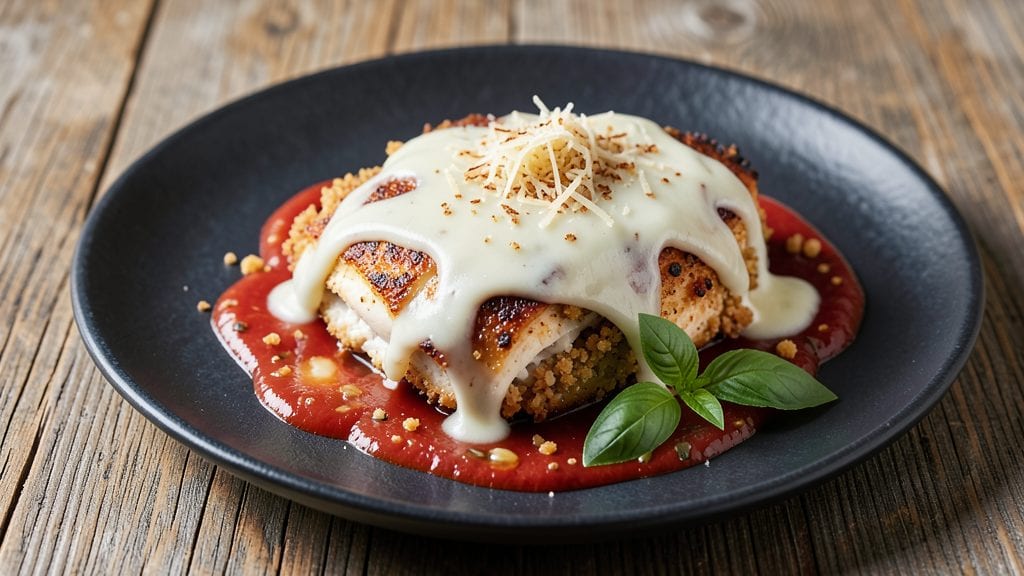
Mastering Gordon Ramsay's chicken parmigiana means achieving that signature crispy breaded crust with gooey melted mozzarella—something I perfected after years of refining restaurant-quality techniques at home. The secret lies in the double-breading method and precise frying temperature, which Ramsay insists on to avoid soggy results.
My first attempt left me frustrated, but after adjusting the flour-to-egg ratio and frying at 350°F, the difference was night and day.
This recipe delivers restaurant-quality results with a foolproof technique that starts with tender chicken breasts pounded to even thickness. The breading—flour, egg wash, and seasoned panko—creates a golden, shatteringly crisp crust that holds up even under the weight of melted cheese.
Ramsay’s method includes a quick sear in oil before baking, ensuring the breading stays crisp while the interior remains juicy. Every step matters, from the double-dipping to the final broil.
By the time you plate it, you’ll have a dish that looks and tastes like it came from a Michelin-starred kitchen: crispy edges, tender chicken, and bubbling mozzarella that stretches with each bite.
The marinara sauce ties it all together, cutting through the richness while enhancing the flavors. This is the kind of meal that elevates weeknight dinners into something special—no shortcuts, just precision and passion.
Serve with a side of garlic bread and a simple arugula salad to round out the plate. The key to success? Don’t rush the breading or the baking—patience ensures that perfect balance of textures. Let’s get cooking.
Ingredients for chicken parmigiana gordon ramsay
Crispy crust, gooey cheese, and Ramsay-approved technique—just these ingredients transform ordinary chicken into Michelin-worthy perfection.
| Ingredient | Amount | Notes |
|---|---|---|
| Boneless, Skinless Chicken Breasts 🍗 | 1 ½ lb | Pounded to even 1/4-inch thickness |
| All-Purpose Flour 🌾 | 1 cup | For first breading layer |
| Large Eggs 🥚 | 2 whole | Beaten for egg wash |
| Italian Seasoned Breadcrumbs 🍞 | 1 ½ cups | Panko preferred for extra crisp |
| Fresh Mozzarella Cheese 🧀 | 8 oz | Low-moisture if fresh unavailable |
| Parmesan Cheese 🧀 | ½ cup | Freshly grated from block |
| Marinara Sauce 🍅 | 2 cups | High-quality jarred or homemade |
| Extra-Virgin Olive Oil 🫒 | ½ cup | For frying chicken |
| Garlic Cloves 🧄 | 4 cloves | Minced for marinara |
| Fresh Basil Leaves 🌿 | ¼ cup | Chopped for garnish |
| Diamond Crystal Kosher Salt 🧂 | 1 tsp | For seasoning |
| Ground Black Pepper 🌶️ | ½ tsp | Freshly cracked |
| Vegetable Oil 🫒 | 2 cups | For deep frying chicken |
The chicken breasts are non-negotiable—look for plump, even-sized cuts at the meat counter, not the pre-packaged ones. Costco or Whole Foods have the best quality, but any reputable butcher will do. Pounding them to even thickness is critical—use a meat mallet or rolling pin, and don’t skip this step. The mozzarella? Fresh, milky mozzarella (the kind that oozes) is ideal, but low-moisture shredded works in a pinch. Just pat it dry before adding to avoid a soggy crust. For the marinara, Rao’s or Victoria are my go-tos—skip the chunky varieties unless you’re straining them first.
No Italian seasoned breadcrumbs? Mix panko with 1 tsp dried oregano and 1/2 tsp dried basil for that authentic flavor. Fresh basil is best for garnish, but dried works at one-third the amount if you’re in a bind. Short on olive oil? Avocado oil has a higher smoke point for frying. The vegetable oil for frying should be neutral-flavored—none of that infused stuff. And if you’re worried about the double-dredging, trust the process—it’s what keeps that crust shatteringly crisp. Pre-grated Parmesan? Don’t even think about it—grate your own from a wedge for that real umami punch.
This dish reheats like a dream—425°F for 5-7 minutes in the oven is perfect for reviving crispiness. Store leftovers in an airtight container for 3 days in the fridge, but honestly, it’s even better the next day once everything melds. For freezing, assemble but skip the baking, then freeze before adding sauce. Thaw overnight in the fridge and bake straight from frozen. The breading stays crispy if you bake immediately after thawing—no microwaving this masterpiece.
Why You'll Love This Recipe
- Same recipe, different vibes: toss it on a sheet pan for a lazy Tuesday or build it fancy with marinara drizzle and basil for guests. The chicken breasts stay tender, so it never feels like a chore.
- No-Fuss Breadcrumbs: I swear by the Italian seasoned breadcrumbs here—they’re pre-mixed, so no measuring herbs or grinding dried stuff. Just shake, dip, and coat. That’s it.
- Crispy-Creamy Magic: The flour, egg, and breadcrumb combo locks in juices while the mozzarella melts into gooey perfection. That first bite? Crunchy outside, warm and stretchy inside—like a hug from a kitchen.
- Weeknight to Dinner Party: Same recipe, different vibes: toss it on a sheet pan for a lazy Tuesday or build it fancy with marinara drizzle and basil for guests. The chicken breasts stay tender, so it never feels like a chore.
Step-by-step instructions for chicken parmigiana
Here's how to nail that perfect crispy crust and gooey cheese every time.
Prepare the Chicken for Breading
Start by pounding the 1.5 lb boneless, skinless chicken breasts to an even ¼-inch thickness between two sheets of plastic wrap using a meat mallet. This ensures even cooking and maximum crispiness from the breading. Pat the pounded breasts completely dry with paper towels—any moisture will prevent the breading from sticking properly.
Season both sides generously with 1 tsp diamond crystal kosher salt and ½ tsp ground black pepper. Place the 1 cup all-purpose flour in a shallow dish and dredge each chicken breast lightly on both sides, tapping off any excess. This first layer of flour creates the foundation for that signature crispy crust. Let the floured chicken rest for 5 minutes while you prepare the next components.
Create the Crispy Breading Station
In another shallow dish, beat the 2 whole large eggs until just combined but still slightly thick. The eggs should coat the back of a spoon—this consistency ensures proper adhesion without making the breading soggy. In a third dish, spread out the 1.5 cups italian seasoned breadcrumbs (I prefer panko for that extra crunch).
Heat ½ cup extra-virgin olive oil in a large skillet over medium heat until shimmering but not smoking. This is your frying station—keep it ready while you bread the chicken. The oil should be hot enough to sizzle when a breadcrumb drops in, but not so hot it burns immediately.
Fry to Golden Perfection
Working in batches to avoid crowding, dip each floured chicken breast into the beaten eggs, letting any excess drip off, then press firmly into the breadcrumbs, coating all sides completely. Transfer to the hot oil and fry for 3-4 minutes per side until the breading is deep golden brown and crispy. The chicken should register 165°F internally when checked with a meat thermometer.
Drain on a wire rack set over a paper towel-lined plate—this prevents steam from softening the crust. Keep the fried chicken warm in a 200°F oven while you prepare the sauce and cheese topping. If the breading loses crispness during this wait, just pop it back in the oven for 2-3 minutes to refresh.
Assemble and Bake the Cheesy Topping
Preheat your oven to 425°F while you prepare the final assembly. Spread 2 cups marinara sauce evenly in a 9x13-inch baking dish—just enough to coat the bottom. Place each fried chicken breast in the sauce, then layer 2 oz fresh mozzarella cheese and 1 tablespoon parmesan cheese on top of each breast. The mozzarella should be spread slightly thicker in the center to create that signature melted cheese dome.
Bake uncovered for 10-12 minutes until the cheese is bubbling and golden brown on top. The marinara should be heated through but not reduced to a thick paste. If the cheese browns too quickly, tent loosely with foil for the last 2 minutes to prevent burning.
Garnish and Serve Immediately
Remove from the oven and let rest for 2 minutes—this helps the cheese set slightly before serving. Garnish each portion with 1 tablespoon chopped fresh basil leaves and an extra sprinkle of parmesan cheese. Serve with a side of the remaining marinara sauce for dipping if desired.
The key to success here is timing—each component must be perfectly prepped before assembly. The breading stays crispy when fried properly and baked quickly, while the cheese melts just enough to be stretchy without being greasy. Serve immediately while the breading is still snapping between your teeth and the cheese is hot and gooey.
Pro Tips For Making Chicken Parmigiana Gordon Ramsay
- Pound Chicken Thin: Skip the thick cuts—pound your chicken breasts to an even ½-inch thickness with a meat mallet or rolling pin. Thin, even pieces cook faster and crisp up better in the breading, so they don’t turn rubbery while the edges burn. (Yes, even if you’re impatient like me.)
- Salt the Flour: Mix 1 teaspoon of salt directly into your all-purpose flour before dredging the chicken. The flour alone won’t season enough, and you’ll end up with bland bites. I learned this the hard way after making a whole batch that tasted like cardboard.
- Press, Don’t Drown: When coating the chicken in breadcrumbs, press them firmly onto the egg-washed cutlets—don’t just dip and drop. The extra effort locks in the crumbs so they don’t slide off in the pan. (This is the thing that matters most for that perfect Ramsay-style crust.)
- Freeze Mozzarella First: Pop your fresh mozzarella slices in the freezer for 10 minutes before assembling the parmigiana. Cold cheese melts slower and stays put, so it doesn’t turn into a greasy puddle when the dish hits the oven. (Your future self will thank you.)
Perfect pairings for these flavors
Garlic Bread Essentials
No chicken parmigiana is complete without a side of garlic bread that soaks up every last drop of marinara sauce.
I use a baguette-style loaf from the bakery section at Whole Foods, split lengthwise and brushed with ¼ cup melted butter mixed with 2 minced garlic cloves and ½ tsp Italian seasoning.
Toast under the broiler for 3-4 minutes until golden and crisp—just enough to hold its shape but still be tender inside. 🍞
For extra flair, sprinkle with ¼ cup freshly grated parmesan and 1 tbsp chopped parsley before serving. The garlic butter should be warm but not burned—this is where most home cooks mess up. I like to make a double batch because it disappears faster than the main dish.
Classic Caesar Salad
Ramsay often serves his chicken parmigiana with a crisp Caesar salad to balance the richness.
I use romaine lettuce (about 6 cups chopped) tossed with ½ cup Caesar dressing (I make my own with anchovies, garlic, Dijon, and egg yolk), ¼ cup shaved parmesan, and 2 tbsp toasted breadcrumbs.
The acidity cuts through the cheese beautifully, and the crunch contrasts the soft chicken. 🥗
Pro tip: Add ½ cup grilled chicken strips (leftover from your parmigiana) to the salad for extra protein. The dressing should coat the lettuce lightly—don’t drown it. I also like to add a squeeze of lemon juice at the end for brightness.
Wine Pairings
For a restaurant-worthy experience, pair this dish with a Chianti Classico from Tuscany—its medium body and acidity complement the tomato sauce without overpowering the chicken. I reach for Castello di Volpaia when I want to splurge, or Biondi-Santi for a more affordable option.
The tannins help cleanse your palate between bites of rich, cheesy chicken. 🍷
White wine lovers shouldn’t miss out: a crisp Vermentino from Sardinia offers citrus notes that refresh the palate. Avoid heavy reds like Cabernet Sauvignon—they’ll clash with the delicate breading. I also keep a bottle of Prosecco on hand for a celebratory toast when the dish comes out perfectly.
Unexpected Twists
Want to shake things up? Serve your parmigiana with roasted cherry tomatoes and balsamic glaze—halve 1 pint cherry tomatoes, toss with 1 tbsp olive oil, 1 tsp balsamic vinegar, and roast at 400°F for 15 minutes. The sweet-tart contrast is unexpected but brilliant. 🍅
Another winner: a side of creamy polenta with sautéed mushrooms—cook 1 cup polenta in 4 cups chicken broth, then stir in ½ cup cream cheese and 1 cup sliced mushrooms** sautéed in garlic and butter. The earthiness grounds the dish beautifully.
Nutrition facts
Frequently asked questions
Why does Ramsay’s recipe use double breading?
The double breading creates that signature crispy crust that stays crunchy even after baking. The first layer of flour seals the chicken, while the egg wash and breadcrumbs create an extra-thick, golden barrier. Skipping this step often results in soggy breading—Ramsay’s method guarantees that satisfying crunch with every bite.
Can I make this with chicken thighs instead of breasts?
Yes, but you’ll need to adjust the cooking time. Chicken thighs stay juicier longer, so fry them for 4-5 minutes per side until golden and bake for 12-15 minutes. The thicker cut requires extra time to ensure the breading stays crispy while the meat cooks through.
What’s the best way to keep the breading crispy?
Fry the chicken at 350°F in small batches to avoid overcrowding, then drain on a wire rack—not paper towels—to prevent steam from softening the crust. Keep fried pieces warm in a 200°F oven while prepping the sauce, and bake immediately after assembly. If the breading loses crispness, broil for 1-2 minutes before serving.
How do I fix undercooked chicken?
If the internal temperature is below 165°F, return the assembled dish to the oven for 5-8 minutes at 425°F. Check with a meat thermometer—overcooking will dry out the breading. For extra insurance, sear the chicken longer in the pan before baking.
Can I use store-bought breadcrumbs?
Plain breadcrumbs work, but Ramsay prefers panko for its airy texture and extra crispiness. For best results, mix 1 cup panko with ½ cup regular breadcrumbs and 1 tsp Italian seasoning. Avoid pre-seasoned breadcrumbs—they can make the crust too salty or flavor-heavy.