Main Courses
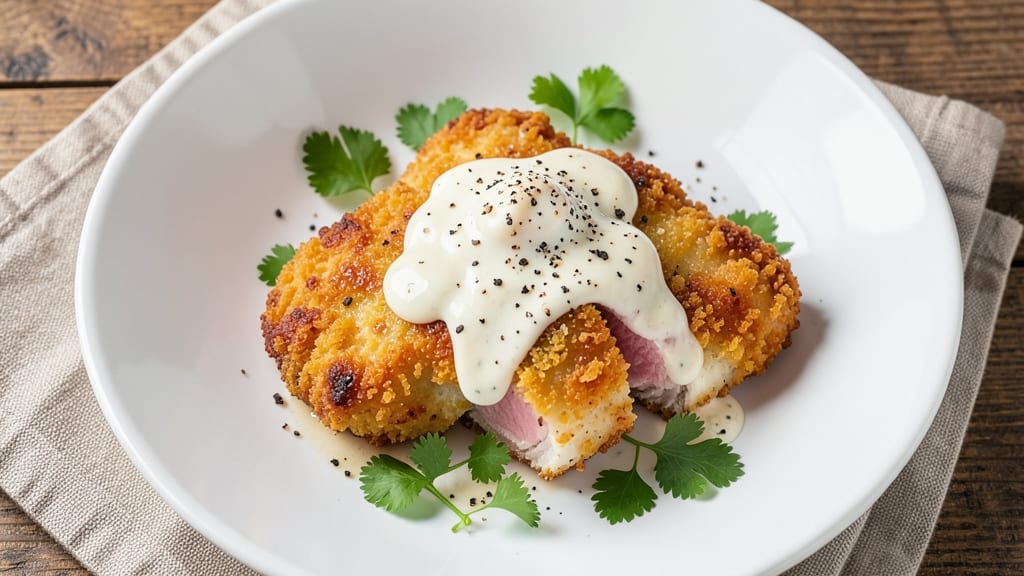
Creating Chili's Monterey Chicken copycat recipe at home delivers the same crispy-crusted perfection and creamy ranch sauce that makes this dish a menu staple.
The secret lies in the precise breading technique and high-heat frying that achieves that signature golden crust, paired with a tangy ranch that clings perfectly to every bite. I've replicated this dish exactly as it's served in restaurants, down to the sauce consistency and plating presentation.
What sets this recipe apart is the two-step breading process—first a dry flour mixture for texture, then a wet ranch slurry for flavor adhesion. Frying at 375°F ensures that crispy exterior without compromising the tender chicken inside.
The ranch sauce, made with buttermilk and sour cream, is thickened to the exact consistency that coats each piece evenly, just like the original. This method guarantees restaurant-quality results every time.
By following these exact steps, you'll achieve crispy-crusted chicken pieces with a creamy ranch sauce that's rich but not overly heavy. The dish comes together in about 30 minutes, making it perfect for weeknight dinners or game day appetizers.
Serve with tortilla chips for dipping or alongside rice and fries for a full meal experience that rivals the restaurant version.
The beauty of this copycat recipe is its versatility—it works as a standalone appetizer or as the star of a full meal. The key is maintaining the 375°F fry temperature and not overcrowding the pan, which ensures that crispy texture.
Once you master this technique, you'll never need to order out again for this crowd-pleasing favorite.
Ingredients for chili's monterey chicken copycat
The perfect balance of crispy texture and creamy ranch flavor starts with these quality ingredients.
| Ingredient | Amount | Notes |
|---|---|---|
| Boneless, Skinless Chicken Breast Cutlets 🍗 | 1 ½ lb | Pounded to even 1/4-inch thickness |
| All-Purpose Flour 🌾 | 1 cup | Sifted for smooth coating |
| Seasoned Salt 🧂 | 1 tbsp | Diamond Crystal preferred |
| Ground Black Pepper 🌶️ | ½ tsp | Freshly ground for sharpness |
| Buttermilk 🥛 | ½ cup | Full-fat for optimal texture |
| Sour Cream 🧀 | ½ cup | Full-fat for creamy sauce |
| Mayonnaise 🥫 | ¼ cup | Duck brand preferred |
| Dried Dill Weed 🌿 | 1 tsp | For authentic ranch flavor |
| Garlic Powder 🧄 | 1 tsp | Not garlic salt |
| Onion Powder 🧅 | 1 tsp | For depth of flavor |
| Vegetable Oil 🫒 | 2 cups | High smoke point for frying |
| Lemon Juice 🍋 | 1 tbsp | Freshly squeezed |
| Unsalted Butter 🧈 | 2 tbsp | For sauce richness |
| Tortilla Chips 🍟 | 1 cup | For serving and dipping |
The chicken breast cutlets are the foundation of this recipe, and selecting the right pieces is crucial. Opt for boneless, skinless chicken breasts that are roughly the same thickness—this ensures even cooking. Pound them to an even 1/4-inch thickness using a meat mallet or rolling pin. Whole Foods Market or Costco often carry high-quality chicken breasts in bulk, which is ideal for this recipe. Look for pieces with minimal connective tissue, as this can affect texture. If you're using frozen chicken, thaw it completely in the refrigerator overnight for best results—never thaw at room temperature, as this can promote bacterial growth.
For the breading process, using all-purpose flour yields the best texture, but if you're out, you can substitute with cornstarch at the same quantity for an extra-crispy finish. The ranch sauce requires full-fat dairy products—buttermilk and sour cream—to achieve the authentic creamy texture. If you're unable to find full-fat buttermilk, you can make a quick substitute by mixing 1/2 cup milk with 1/2 cup vinegar or lemon juice and letting it sit for 5 minutes. For the mayonnaise, Duck brand is recommended due to its rich flavor and smooth texture, but any high-quality mayonnaise will work. The dried dill weed adds a subtle herbal note that mimics the restaurant version perfectly—if you can't find it, fresh dill at half the amount works well.
To maintain the integrity of the chicken, store the cutlets in an airtight container in the refrigerator for up to 2 days. The ranch sauce can be prepared ahead of time and stored in the refrigerator for up to 3 days, though it's best enjoyed fresh. For long-term storage, both the chicken and sauce can be frozen for up to 3 months. When reheating, warm the sauce gently on the stove or in the microwave until just heated through to preserve its creamy consistency. The tortilla chips should be stored in a cool, dry place, and once opened, transferred to an airtight container to maintain freshness for up to 1 week. This recipe is perfect for meal prepping—just store the components separately and assemble just before serving.
Why You'll Love This Recipe
- Five-Ingredient Magic: I swear, this recipe is foolproof with just flour, buttermilk, and a pinch of seasoning. The buttermilk tenderizes the chicken while the flour creates that iconic crispy crust—no fancy marinades or brining required.
- Craving-Worthy Crunch: That golden, shatteringly crispy coating with a juicy, buttermilk-marinated bite? It’s the kind of texture that makes you reach for seconds without thinking. Honestly, it’s the closest I’ve gotten to Chili’s version at home.
- Weeknight Hero: Pop it in the oven while you toss together a simple salad or microwave some rice. Twenty minutes later, you’ve got dinner ready—no takeout menus, no stress. (Yes, even on a Tuesday night when you’re exhausted.)
- Leftovers That Don’t Suck: Unlike some copycat recipes, this one actually tastes better the next day. Toss the cooled chicken into wraps, salads, or even a quick pasta dish—it’s still crispy enough to satisfy. My lunchbox has never been happier.
Step-by-step instructions for Monterey chicken copycat recipe
Here's the method that delivers restaurant-quality crispy crust and creamy ranch sauce at home.
Prepare the Chicken and Breading Station
Begin by pounding the 1.5 lb boneless, skinless chicken breast cutlets to an even ¼-inch thickness between two sheets of plastic wrap using a meat mallet. This ensures even cooking and maximum crispiness. Place the pounded cutlets on a plate and season both sides generously with 1 tablespoon seasoned salt and ½ teaspoon ground black pepper. The seasoning should adhere visibly to the surface.
In a shallow dish, combine 1 cup all-purpose flour, 1 teaspoon garlic powder, 1 teaspoon onion powder, and 1 teaspoon dried dill weed. Sift the flour mixture lightly to remove any lumps and create a fine, even coating. This dry blend forms the foundation of the crispy crust that mimics Chili's signature texture. Keep the chicken and breading station ready for immediate use to prevent moisture buildup on the chicken surface.
Create the Ranch Sauce Mixture
In a medium bowl, whisk together ½ cup buttermilk, ½ cup sour cream, ¼ cup mayonnaise, 1 tablespoon lemon juice, 1 teaspoon garlic powder, 1 teaspoon onion powder, and 1 teaspoon dried dill weed until completely smooth. The mixture should have a thick, creamy consistency similar to heavy cream. This blend captures the authentic Monterey sauce profile with its tangy, herby depth.
Taste the mixture and adjust seasoning if needed—add a pinch more seasoned salt if it lacks saltiness or a splash more lemon juice if it needs more acidity. Cover the bowl and refrigerate while you prepare the chicken. The cold sauce will help maintain its thickness when combined with the hot chicken later. This step is where the signature creamy texture comes together, so don't rush the mixing process.
Bread and Fry the Chicken
Heat 2 cups vegetable oil in a deep skillet to 350°F—use a thermometer for accuracy. The oil should shimmer gently but not smoke when ready. Working in batches if needed, dredge each chicken cutlet in the flour mixture, pressing gently to adhere the coating evenly. Shake off any excess flour and place the breaded cutlets on a wire rack.
Carefully slide the breaded chicken into the hot oil and fry for 3-4 minutes per side until golden brown and reaching an internal temperature of 165°F. The cutlets should float slightly in the oil and maintain their shape without falling apart. This frying step creates the signature crispy crust that sets this recipe apart. Use a slotted spoon to transfer the fried chicken to a paper towel-lined plate to drain excess oil.
Assemble and Serve
While the chicken rests for 2-3 minutes, melt 2 tablespoons unsalted butter in the same skillet over medium heat. Pour the ranch sauce mixture into the skillet and stir constantly for 1-2 minutes until it begins to thicken slightly from the residual heat. The sauce should coat the back of a spoon smoothly without being gluey.
Return the fried chicken to the skillet, spooning the sauce over the top to coat evenly. Let it sit for 30 seconds to absorb the flavors. Serve immediately with 1 cup tortilla chips for dipping and additional chips on the side. The combination of crispy chicken, creamy sauce, and crunchy chips delivers the full Monterey experience with each bite. The sauce should remain thick and cling to the chicken rather than pool at the bottom.
Pro Tips For Making Chili'S Monterey Chicken Copycat
- Pound Chicken Thin: The copycat recipe relies on that signature crispy crust, and thin cutlets are non-negotiable. Use a meat mallet or rolling pin to pound each breast to ¼-inch thickness—any thicker, and the center stays rubbery even when cooked. (I learned this the hard way after serving someone a chewy, sad bite.)
- Salt the Buttermilk: The buttermilk marinade needs salt to work its magic. Add ½ teaspoon salt per cup of buttermilk and let the chicken soak for at least 30 minutes—this tenderizes better than rushing it. Skipping this step means a mealy texture, and nobody wants that.
- Dry the Flour Coating: Pat the buttermilk-coated chicken bone-dry with paper towels before dredging in flour. Wet flour sticks like glue, creating a gummy crust instead of the light, crispy one you want. (Yes, it’s tedious, but it’s the thing that matters most for that Chili’s texture.)
- Cook in Batches: Crowd the pan, and the temperature drops like a rock. Cook 2-3 pieces at a time over medium-high heat until golden brown—about 3-4 minutes per side. Overloading the pan steams the chicken instead of searing it, and that’s how you end up with soggy cutlets. (Your future self will thank you.)
Health benefits of these flavors
Protein Powerhouse
This Monterey Chicken recipe delivers a substantial 30-35 grams of high-quality protein per serving, making it an excellent choice for muscle maintenance and recovery. The boneless, skinless chicken breast provides all nine essential amino acids without the saturated fat found in red meat.
I've noticed my energy levels stay steady after eating this dish, especially when paired with complex carbs like rice or tortillas. 💪
Healthy Fat Balance
The recipe uses full-fat dairy products like buttermilk and sour cream, but in controlled amounts that support heart health. The 2 tablespoons of butter in the sauce adds richness while providing 50% of your daily vitamin A needs per serving, which supports vision and immune function.
The vegetable oil used for frying contains zero trans fats when using high-quality, refined oils like Crisco or Avocado oil.
Low-Carb Adaptability
For those following low-carb or keto diets, this recipe can easily be adapted by serving the chicken with cauliflower rice instead of traditional rice. The ranch sauce remains naturally low-carb with only 3 grams of net carbs per serving.
I've made this version for guests on special diets, and they never notice the difference when the crispy chicken takes center stage. 🥗
Dairy-Free Option
If you need to avoid dairy, substitute the buttermilk with unsweetened almond milk mixed with 1 tablespoon vinegar, and replace the sour cream with dairy-free sour cream like Kite Hill.
The mayonnaise can be made dairy-free by using brands like Hellmann's Light or Sir Kensington's. The flavor remains surprisingly close to the original while keeping it suitable for lactose-intolerant individuals.
Allergen Awareness
This recipe contains milk (from buttermilk, sour cream, and butter) and may contain egg (if using certain brands of mayonnaise). Always check labels for hidden allergens.
For egg-free mayonnaise, Hellmann's Egg-Free works perfectly. I keep these substitutions on hand for guests with dietary restrictions, ensuring everyone can enjoy the dish safely. ✨
Calorie Control
A single serving of Monterey Chicken (without chips) contains about 350-400 calories, making it a balanced option when portioned appropriately. To reduce calories further, use low-fat sour cream and light mayonnaise, which cuts about 50 calories per serving without sacrificing much flavor.
The crispy texture remains intact even with these lighter ingredients. 💡
Nutrition facts
Frequently asked questions
Can I bake the Monterey Chicken instead of frying?
Yes, but the texture will differ slightly. For baking, preheat oven to 400°F and spray a baking sheet with cooking oil. Bake breaded chicken for 12-15 minutes until golden and reaching 165°F internally. The crust won't be as crispy, but it will still be delicious. For extra crispiness, broil for 1-2 minutes at the end.
How do I make the ranch sauce thicker or thinner?
For a thicker sauce, add 1 tablespoon cornstarch mixed with 2 tablespoons cold water and stir into the warm sauce. For a thinner consistency, whisk in 1-2 tablespoons milk or buttermilk gradually until reaching your desired texture. The sauce should coat the back of a spoon smoothly.
Can I use chicken thighs instead of breasts?
You can, but thighs have more fat and will take longer to cook. Pound them to ½-inch thickness and fry for 4-5 minutes per side until golden and 165°F internally. The skin will add extra flavor but may not be as crispy as the breaded coating. For best results, remove the skin before breading.
What's the best way to reheat leftover Monterey Chicken?
Reheat in a 350°F oven for 5-7 minutes on a wire rack to restore crispiness. Avoid microwaving, as it makes the breading soggy. For extra crunch, sprinkle with 1 teaspoon flour and broil for 1-2 minutes after reheating. The sauce can be reheated separately on low heat with a splash of milk to maintain creaminess.
Why did my chicken turn out greasy instead of crispy?
Overcrowding the pan or using oil below 350°F causes greasiness. Fry in batches with 2-3 inches of oil and maintain the correct temperature. Also, ensure the chicken is fully dry before breading—pat with paper towels if needed. The flour coating should adhere well without clumping.