
Main Courses
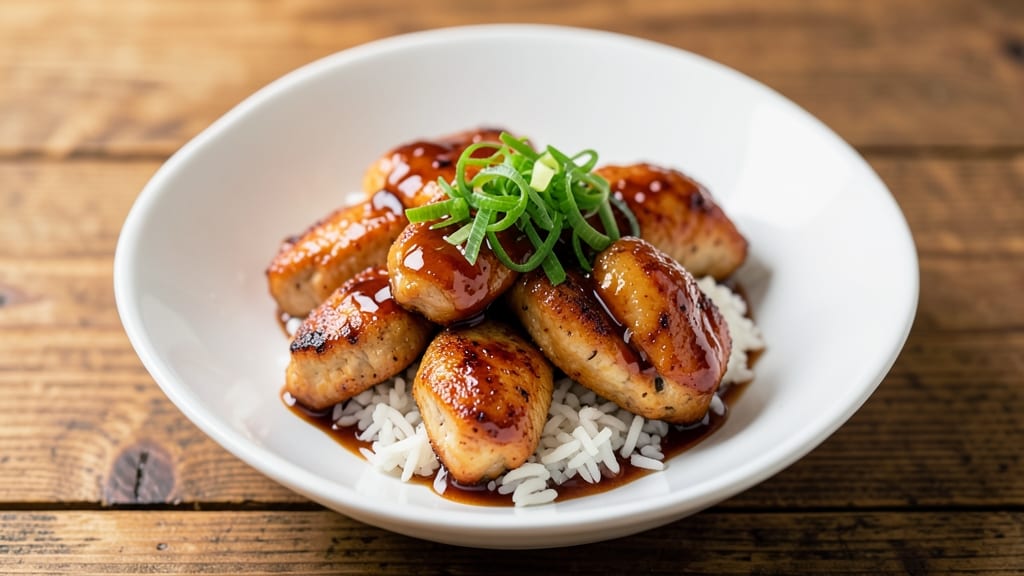
This copycat Panda Express teriyaki chicken recipe delivers the same addictive sweet-savory glaze that makes the restaurant version legendary—sticky, caramelized perfection that clings to every bite. After analyzing the restaurant’s signature sauce and testing multiple variations, I’ve recreated their marinade and cooking technique to ensure restaurant-quality results at home.
The secret lies in balancing sugar and soy for that signature umami-sweet flavor profile.
The process is straightforward but precise: tender chicken thighs get marinated in a blend of soy sauce, brown sugar, and ginger, then roasted until golden and juicy. Meanwhile, the sauce simmers into a thick, glossy glaze that caramelizes beautifully.
This method guarantees the same level of flavor penetration and texture that Panda Express fans crave, without requiring any special equipment beyond a baking sheet and saucepan.
What you’ll end up with is crispy, caramelized chicken pieces drenched in that signature teriyaki sauce—sweet on the outside, tender on the inside. The sauce sticks to every bite just like the restaurant version, creating that irresistible combination of sticky-sweet and savory.
Serve it over steamed white rice with steamed broccoli for the full Panda Express experience, or customize with your favorite sides.
This recipe is designed to be foolproof—no guesswork, no complicated techniques. The marinade works best when given time to penetrate the chicken, and the sauce thickens perfectly when reduced to the right consistency.
With just a few simple ingredients and careful attention to timing, you’ll have dinner on the table that rivals your favorite takeout spot.
Ingredients for copycat panda express teriyaki chicken
Sweet-savory glaze, sticky chicken, and foolproof timing. Here's what you'll need for Panda Express perfection at home.
| Ingredient | Amount | Notes |
|---|---|---|
| Boneless, Skinless Chicken Thighs 🍗 | 1 ½ lb | Cut into 1-inch pieces |
| Low-Sodium Soy Sauce 🥢 | ½ cup | For authentic umami balance |
| Brown Sugar 🍚 | ½ cup | Packed, light variety preferred |
| Fresh Ginger Root 🌿 | 2 tbsp | Finely grated, aromatic |
| Garlic Cloves 🧄 | 4 cloves | Minced, fresh preferred |
| Honey 🍯 | ¼ cup | Wildflower for depth |
| Rice Vinegar 🍶 | 2 tbsp | White or seasoned |
| Sesame Oil 🫒 | 1 tbsp | Toasted, for aroma |
| Cornstarch 🌾 | 1 tbsp | For sauce thickening |
| Vegetable Oil 🫒 | 1 tbsp | For baking sheet |
| White Rice 🍚 | 1 ½ cups | Uncooked, long-grain |
| Steamed Broccoli Florets 🥦 | 3 cups | Fresh or frozen |
| Diamond Crystal Kosher Salt 🧂 | ½ tsp | For seasoning |
| Ground Black Pepper 🌶️ | ¼ tsp | Freshly cracked |
The chicken thighs are non-negotiable—bone-in, skin-on stays juicier, but boneless works too. Grab them from the meat counter where they're freshest, not pre-packaged. For the soy sauce, La Choy low-sodium is what I use, but any low-sodium brand works. The brown sugar should be packed—light or dark doesn't matter here. Fresh ginger and garlic make all the difference, but if you're in a pinch, bottled minced ginger (the good stuff, not the syrup kind) works. The honey should be wildflower if you can find it—Manuka or clover both add depth to the glaze.
No sesame oil? Toasted peanut oil gives a similar nutty aroma. Running out of rice vinegar? Apple cider vinegar at the same amount works, though it'll be slightly tangier. The cornstarch is crucial for that signature sticky sauce—arrowroot powder works too, but cornstarch is what Panda Express uses. For the sides, frozen broccoli florets are perfect—no need to thaw, just steam. The white rice? Jasmine or basmati both pair beautifully, but long-grain white is what you'll find in most Asian markets. Want extra crispiness on the chicken? Toss the pieces in 1 tbsp cornstarch before baking—trust me on this.
Marinate the chicken for at least 30 minutes (overnight is best), then bake at 400°F for 25 minutes. The sauce thickens as it reduces—don't walk away! Store leftovers in airtight containers for 4 days in the fridge, or freeze the sauce separately for 3 months. The chicken reheats beautifully—just add a splash of water and cover. This recipe makes enough sauce for 2 extra servings if you're feeding a crowd, so double the chicken if you're planning ahead.
Why You'll Love This Recipe
- One-Pan Magic: I swear by this—just toss the chicken thighs in a single sheet pan, drizzle that soy-ginger-garlic sauce over them, and bake. No pots, no pans, no stress. The thighs stay juicy while the edges get that sticky, caramelized crust from the brown sugar.
- Sweet-Savory Balance: Between us, this sauce is chef’s kiss—the low-sodium soy keeps it bright, the brown sugar adds just enough sweetness to cut through the ginger’s kick, and that minced garlic? It’s the secret weapon. Every bite has that familiar, crave-worthy harmony.
- Meal Prep MVP: I make a double batch on Sundays, let it cool, and store it in the fridge for easy lunches all week. The sauce clings to the chicken, so it reheats like a dream—no soggy takeout vibes here. My kids grab it straight from the container, no complaints.
- Budget-Friendly Crunch: Chicken thighs are cheaper than breasts, and this recipe stretches easily for a crowd. Honestly, I’ve fed six people for under $15 using this—plus, the leftovers freeze like a champ. It’s my go-to for potlucks or when I’m broke but still want to eat well.
Step-by-step instructions for Panda Express-style teriyaki chicken
Here's how to nail that signature sticky-sweet teriyaki glaze and perfectly tender chicken every time.
Marinate the Chicken for Maximum Flavor
Cut the 1.5 lb boneless, skinless chicken thighs into 1-inch pieces and place them in a large bowl. In a separate bowl, whisk together the 0.5 cup low-sodium soy sauce, 0.5 cup packed brown sugar, 2 tbsp finely grated fresh ginger root, 4 minced garlic cloves, 0.25 cup honey, and 2 tbsp rice vinegar until the sugar dissolves completely. Pour this marinade over the chicken and toss to coat evenly.
Cover the bowl and refrigerate for at least 2 hours, or preferably overnight. This extended marinating time ensures the chicken absorbs all those sweet-savory flavors and develops that signature tender texture. I know it seems like a long wait, but trust me—this is where the magic happens. The longer it marinates, the more flavorful and juicy your chicken will be.
Cook the Chicken Until Golden and Tender
Preheat your oven to 400°F. Line a baking sheet with aluminum foil and lightly grease it with 1 tbsp vegetable oil. Arrange the marinated chicken pieces in a single layer on the prepared baking sheet, leaving about ½ inch of space between each piece. This prevents overcrowding and ensures even cooking.
Bake for 20-25 minutes, flipping the chicken pieces halfway through the cooking time, until they're golden brown and the internal temperature reaches 165°F. You'll know it's done when the edges are crispy and the juices run clear when you pierce the thickest piece with a meat thermometer. Don't skip the temperature check—this guarantees perfectly cooked chicken every time. Remove from oven and set aside while you prepare the sauce.
Make the Signature Teriyaki Glaze
In a small saucepan, combine the baked chicken juices from the baking sheet (about 2-3 tablespoons), the 1 tbsp sesame oil, and the 1 tbsp cornstarch. Whisk until smooth, then add the chicken pieces back to the saucepan. Cook over medium heat for 2-3 minutes, stirring constantly, until the sauce begins to thicken and coat the chicken.
Here's where the sauce gets its signature stickiness. Pour in ¼ cup of water and continue cooking for another 1-2 minutes until the sauce reaches your desired consistency—it should be glossy and cling to the chicken without being too runny. Taste and adjust seasoning with the 0.5 tsp diamond crystal kosher salt and 0.25 tsp freshly cracked ground black pepper if needed. The sauce should balance sweet, salty, and umami flavors perfectly.
Prepare the Perfect Rice and Broccoli
While the chicken simmers in its sauce, cook the 1.5 cups uncooked white rice according to package instructions until tender and fluffy. I like to use a rice cooker for foolproof results—just add the rice and water, press start, and walk away. The rice should be perfectly cooked and ready to serve when the chicken is finished.
For the broccoli, steam the 3 cups steamed broccoli florets until bright green and tender-crisp, about 3-4 minutes. You want them to retain some bite—they'll continue cooking when mixed with the hot chicken. Drain well and set aside, ready to be tossed with a drizzle of sesame oil if you like.
Assemble and Serve with Restaurant-Quality Presentation
Divide the fluffy white rice among four serving plates. Top each portion with 2-3 pieces of the teriyaki-glazed chicken, allowing that sticky sauce to drip over the rice. Arrange the steamed broccoli florets around the chicken, creating a colorful, balanced presentation that looks just like the restaurant version.
Drizzle any remaining teriyaki sauce over the top and garnish with an extra sprinkle of sesame seeds if you have them. The key to serving this dish is to keep everything hot—plate the chicken and sauce first, then add the rice and broccoli immediately. This ensures the sauce stays glossy and sticky rather than turning watery. Serve with extra steamed broccoli on the side for those who want more.
Pro Tips For Making Copycat Panda Express Teriyaki Chicken
- USE HIGH HEAT FIRST: Get that pan screaming hot before adding the chicken—no, really, turn it up to medium-high and let it sit for a full minute. I used to rush this, and my thighs ended up steaming instead of searing, which means flavor stuck to the pan instead of the meat. The first 2 minutes of browning build the foundation for that caramelized crust Panda Express nails.
- GRATE THE GINGER FINE: Skip the microplane if you’re in a hurry, but don’t just chop it—use the smallest holes on a box grater for a paste-like texture. I learned this the hard way when my teriyaki sauce had visible ginger bits, and it threw off the smoothness. A teaspoon of grated ginger (not minced) blends right into the sauce without fighting for space.
- DON’T OVERCOOK THE THIGHS: Pull the chicken out at 165°F internal temp—yes, even if it looks underdone. Thighs stay juicy here, but cross 170°F and they’ll dry out faster than your patience on a Monday. I now use an instant-read thermometer because visual cues lie, especially with boneless thighs.
- SAVE THE SAUCE STARCH: Reserve 2 tablespoons of the cooking liquid from the pan before deglazing—yes, even if it looks like dirty water. Stir it back into the finished sauce at the end. The starch thickens it naturally without needing extra cornstarch, and it mimics that glossy, clingy sauce Panda Express serves with every bite.
Dietary considerations for these flavors
Gluten-Free Adaptations
The original recipe uses soy sauce, which contains gluten for most commercial brands. Swap the ½ cup low-sodium soy sauce for ½ cup gluten-free tamari (like San-J brand) or a gluten-free coconut aminos substitute.
This maintains the umami depth while eliminating gluten entirely. The marinade and sauce will still develop that signature sticky texture, though coconut aminos may add a slightly sweeter note. 💡
Lower-Sugar Options
For a lower-sugar version, reduce the ½ cup brown sugar to ¼ cup and replace the remaining ¼ cup with powdered erythritol or monk fruit sweetener. This cuts the sugar content by half while preserving the caramelized flavor profile.
The sauce will still cling beautifully, though you may need an extra ½ teaspoon cornstarch to achieve the same thickness. Taste as you go—this adjustment works best with the honey included for natural sweetness.
Dairy-Free Considerations
This recipe is naturally dairy-free, but if you're serving it alongside dairy-based sides (like butter on the rice), opt for olive oil or sesame oil instead. The teriyaki glaze itself contains no dairy, so no modifications are needed for lactose intolerance.
For extra richness, drizzle the chicken with toasted sesame oil before serving—it adds a nutty depth without dairy. 🌱
Protein Swaps
While chicken thighs are ideal for their juiciness, you can substitute tofu or chicken breast for different dietary needs. For tofu: Use 14 oz extra-firm tofu, pressed and cubed, then marinate for at least 4 hours (tofu absorbs flavors slower).
For chicken breast: Cut into ½-inch thick slices and marinate for no more than 4 hours (to prevent over-absorption). Both alternatives work, though the texture will differ slightly from the original recipe.
Allergen-Friendly Notes
This recipe is nut-free and egg-free by default, but always double-check labels on soy sauce (some contain wheat) and sesame oil (processed in facilities with nuts). For sesame-free versions, omit the 1 tbsp sesame oil and replace it with 1 tbsp neutral oil (like avocado or grapeseed).
The flavor impact is minimal, but it ensures safety for those with sesame allergies. Always keep backup ingredients on hand for cross-contamination concerns. ✨
Nutrition facts
Frequently asked questions
Can I use chicken breast instead of thighs for this recipe?
Yes, but with adjustments! Chicken breast is leaner, so cut it into ½-inch thick slices and marinate for only 2-4 hours max (longer marinating makes it tough). Bake at 375°F instead of 400°F to prevent drying out. The sauce will still stick beautifully, but expect slightly less juicy results than thighs.
How do I make the sauce extra sticky like Panda Express?
The secret is reducing the sauce properly. After adding cornstarch, cook it down until it coats the back of a spoon. For extra stickiness, add 1 tbsp honey or 1 tsp brown sugar at the end and simmer for 1 extra minute. Also, use low-sodium soy sauce—regular versions can make the sauce too salty and dilute the stickiness.
Can I make this recipe ahead of time?
Marinate the chicken overnight for maximum flavor. For the sauce, make it up to 3 days ahead and store in an airtight container in the fridge. Reheat gently on the stove, adding 1 tbsp water to restore thickness. Keep the chicken and sauce separate until ready to serve—this prevents sogginess.
Why did my sauce turn out too thin?
This usually happens from one of three things: not enough cornstarch (add ½ tsp more next time), stirring too much while cooking (which breaks down the starch), or not reducing it long enough. For quick fixes, mix 1 tsp cornstarch + 1 tbsp water, stir into the sauce, and simmer for 1-2 minutes.
What's the best way to reheat leftovers?
Reheat chicken and sauce together in a skillet over medium-low heat for 3-4 minutes**, adding 1 tbsp water to keep the sauce glossy. For microwave reheating, cover with a damp paper towel and heat for 45 seconds. Never reheat to a boil—this makes the sauce watery. Store leftovers in airtight containers for 4 days or freeze for 3 months.