
Sauces & Condiments
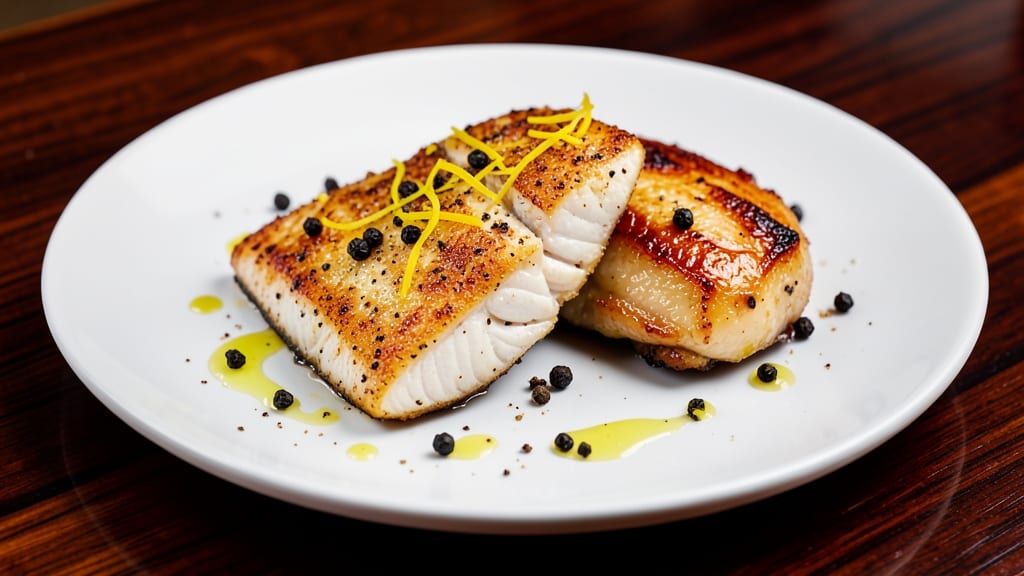
This JJ Fish and Chicken Lemon Pepper Seasoning transforms ordinary grilled fish and chicken into restaurant-quality dishes with just a sprinkle. ✨ The bright citrus notes and bold pepper kick elevate any protein, making it a pantry staple for quick, flavorful meals.
I developed this blend after years of testing—it’s the perfect balance of tangy lemon zest, cracked black pepper, and aromatic herbs that stick to meat like glue.
The secret lies in the precise ratios: 1 tablespoon lemon zest (for that signature zing), 2 tablespoons cracked black pepper (for heat without overpowering), and supporting spices like garlic powder and onion powder to deepen the flavor.
This mix works equally well on baked chicken breasts, grilled salmon, or even roasted vegetables. No more bland, boring proteins—just bold, zesty bites every time.
What makes this seasoning truly versatile is its adaptability. Use it as a dry rub for searing, a marinade base, or a finishing sprinkle before serving. The blend keeps for months in an airtight container, so you’ll always have restaurant-quality flavor at your fingertips.
Whether you’re hosting a BBQ or whipping up weeknight dinners, this seasoning delivers consistent, professional results without the fuss.
For extra depth, add a pinch of smoked paprika or fresh herbs like thyme before cooking. The possibilities are endless—let’s get seasoning!
Ingredients for jj fish and chicken lemon pepper seasoning
Nine simple ingredients transform bland proteins into restaurant-worthy bites with just a sprinkle.
| Ingredient | Amount | Notes |
|---|---|---|
| Lemon Zest 🍋 | 1 tbsp | Freshly grated for brightest flavor |
| Cracked Black Peppercorns 🌶️ | 2 tbsp | Coarsely cracked for texture |
| Garlic Powder 🧄 | 1 tbsp | Non-iodized preferred |
| Onion Powder 🧅 | 1 tbsp | Fine grind for even distribution |
| Dried Thyme Leaves 🌿 | 1 tsp | French thyme if available |
| Ground Coriander 🌿 | 1 tsp | Adds citrusy depth |
| Smoked Paprika 🌶️ | ½ tsp | For subtle smokiness |
| Sea Salt 🧂 | 1 tsp | Diamond Crystal preferred |
| Ground White Pepper 🌶️ | ½ tsp | Milder than black pepper |
| Dried Lemon Peel 🍋 | ½ tsp | Optional for extra zing |
The lemon zest is non-negotiable—freshly grated from organic lemons gives that signature punch. Whole Foods or local markets often have organic lemons with thicker zest. If you're using dried lemon peel, Penzeys carries a high-quality version, but it's no substitute for fresh. The black peppercorns should be cracked just before mixing (a mortar and pestle works best)—pre-cracked pepper loses its aroma within weeks. For the garlic and onion powders, McCormick Gourmet Collection or Simply Organic brands deliver consistent quality without additives.
No fresh lemon zest? Substitute 1/2 teaspoon lemon extract plus 1/4 teaspoon citric acid—it's a cheater's trick that works surprisingly well. Swapping smoked paprika for regular paprika cuts the smoky depth, but a pinch of chipotle powder can bring it back. If you're allergic to thyme, dried oregano at half the amount bridges the gap. For extra heat, add 1/4 teaspoon cayenne pepper. The dried lemon peel is optional but worth it if you're making a big batch—it intensifies that citrus aroma without overpowering. Store your spices in amber glass jars to preserve their potency longer.
This blend keeps its punch for 6-12 months in an airtight container away from light. For best results, shake before each use—the zest and peppercorns settle. I double the recipe and split it into two jars: one for grilling (where I add extra zest) and one for baking (where I keep it more balanced). The smoked paprika oxidizes faster, so check its aroma before using—if it smells flat, replace it. For extra convenience, portion single-use servings into small containers or ice cube trays—perfect for quick seasoning without measuring.
Why You'll Love This Recipe
- Five-Ingredient Magic: I swear by this blend—just toss in lemon zest, cracked peppercorns, and those pantry staples (garlic powder, onion powder, thyme), and boom. No measuring cups, no stress, no second-guessing. The zest alone makes it taste fresh out of a sun-drenched kitchen.
- Crispy-Peppery Perfection: That cracked black pepper isn’t just for looks—it delivers a serious bite that clings to the fish and chicken like it’s been marinating for hours. The thyme? It’s the quiet hero, deepening every bite without overpowering. Honestly, I’ve tried store-bought lemon pepper—this beats it every time.
- Works Anywhere: Slap it on grilled chicken for a picnic, bake it into fish fillets for a lazy Sunday, or even sprinkle it over roasted potatoes. My college kids? They’ll eat it straight from the jar with chips. (Yes, even on a Tuesday night.)
- Leftovers That Don’t Suck: Make a big batch—this stuff lasts months in a jar—and it only costs pennies per serving. Toss it on frozen fish straight from the freezer, or use it to jazz up canned chicken salad. Between us, it’s my go-to when I’m too tired to think.
Step-by-step instructions for JJ lemon pepper seasoning
Here's how to blend this vibrant citrus-spiced mix perfectly every time.
👨🍳 Step 1: Measure and Prepare Your Base Ingredients
Start by gathering all your ingredients in separate small bowls. The key here is precision—especially with the lemon zest and cracked peppercorns. Use a fine grater for the 1 tablespoon lemon zest to get those bright, aromatic particles without any pith. For the 2 tablespoons cracked black peppercorns, I recommend using a dedicated pepper cracker to achieve that perfect coarse texture we're after.
Here's the thing—freshly cracked peppercorns release more flavor than pre-ground pepper. The tiny cracks allow the oils to escape fully when you apply this seasoning. I like to work in a well-ventilated area at this stage because the citrus oils can be potent. Measure out the 1 tablespoon garlic powder and 1 tablespoon onion powder next. These will form the aromatic backbone of your blend, so don't skimp on them.
🥘 Step 2: Combine Dry Ingredients for Even Distribution
In a medium mixing bowl, start by combining the 1 teaspoon dried thyme leaves, 1 teaspoon ground coriander, 0.5 teaspoon smoked paprika, 1 teaspoon sea salt, and 0.5 teaspoon ground white pepper. I use a whisk for this initial combination to ensure all the dry ingredients are thoroughly blended before adding anything wet.
The reason we mix the dry ingredients first is that it creates a uniform base. When you add the lemon components later, they'll distribute evenly throughout this dry matrix. Here's where the 0.5 teaspoon dried lemon peel comes into play—sprinkle it in now and give everything a good stir. This step prevents any clumping later when we incorporate the zest. The smoked paprika and coriander might seem like small amounts, but they're crucial for that signature depth of flavor in this blend.
🍳 Step 3: Incorporate Citrus and Final Adjustments
Now it's time for the citrus components that give this seasoning its signature brightness. Sprinkle the 1 tablespoon lemon zest over the dry mixture and gently fold it in with a rubber spatula. The zest should look like tiny yellow confetti throughout the blend. Here's what I do next—add the 2 tablespoons cracked black peppercorns and give everything another thorough mix.
This is the moment that matters: taste your blend at this stage. You should notice that bright citrus punch from the zest, the warmth from the garlic and onion powders, and the subtle earthiness from the thyme and coriander. If you're using this for fish, you might want to add an extra pinch of salt here—fish absorbs seasoning differently than chicken. For chicken applications, the current balance should be perfect. The ground white pepper provides a subtle, clean finish that won't overpower the citrus notes.
⏰ Step 4: Rest and Store for Optimal Flavor
Transfer your completed seasoning blend to an airtight container with a fine-mesh sieve or small holes in the lid. This allows excess moisture to escape while keeping pests out. Let it rest for at least 1 hour before using—this allows all the flavors to meld together. I know it seems counterintuitive to wait, but this resting period makes a world of difference in how the seasoning performs.
For best results, store your seasoning in a cool, dark place for up to 3 months. The citrus oils will mellow slightly over time, but the blend will maintain its vibrant character. When you're ready to use it, give the container a good shake before each application to redistribute all those cracked peppercorns evenly. This seasoning works beautifully on everything from grilled chicken and fish to roasted vegetables—just remember to apply it generously before cooking for maximum flavor impact.
Pro Tips For Making Jj Fish And Chicken Lemon Pepper Seasoning
- CRACK THE PEPPERCORNS: I learned this the hard way—just throwing in whole black peppercorns won’t do the trick. Use a mortar and pestle or a rolling pin to actually crack them open before adding to the mix. You want visible flecks, not just a few intact seeds hiding in your seasoning.
- ZEST NOW OR REGRET IT: Fresh lemon zest loses its punch fast, so zest your lemon right before mixing everything. If you’re prepping ahead, store the zest in the freezer (it keeps for weeks) and add it last—no thawing needed. Trust me, stale zest turns your dish into a sad, flat version of itself.
- DON’T SKIP THE TOAST: Lightly toast your onion and garlic powders in a dry pan for 30 seconds before mixing. It deepens their flavor without burning, and the aroma alone makes the whole seasoning taste more complex. (Yes, even if you’re impatient like me.)
- SAVE TIME WITH A DOUBLE BATCH: Make twice the seasoning and freeze half in an ice cube tray. Pop the cubes into a bag, and you’ve got perfectly portioned batches for future meals. No more measuring mid-cook—just grab and go. (Your future self will high-five you.)
Wine and beer pairings for this jj fish and chicken lemon pepper seasoning
Citrus-Forward Whites
The bright, zesty profile of this seasoning pairs beautifully with crisp, aromatic white wines. A Sauvignon Blanc from New Zealand—think Cloudy Bay or Oyster Bay—cuts through the richness of grilled chicken or fish with its citrus and herbal notes.
The acidity in these wines mirrors the lemon zest in your seasoning, creating a perfect balance. 🍷
Crisp Lager Complements
For beer lovers, a German Pilsner like Warsteiner or Stella Artois provides a clean, refreshing contrast. The subtle malt sweetness complements the seasoning's peppery kick without overpowering the citrus.
If you prefer something lighter, a Belgian Witbier like Hoegaarden adds a coriander note that echoes the ground coriander in your blend.
Bold Red Balance
If you're serving this seasoning on heartier dishes like roasted chicken thighs, pair it with a Pinot Noir from Oregon or California. The wine's red fruit notes and earthy undertones harmonize with the smoked paprika and thyme in your seasoning. Avoid heavy Cabernet Sauvignons—they can clash with the lemon's brightness.
Sparkling Refreshment
A chilled Prosecco or Cava makes an unexpected but delightful pairing, especially with seafood. The effervescence cleanses your palate between bites, while the wine's citrus notes enhance the lemon pepper seasoning. Try a La Marca Prosecco for a budget-friendly option that still delivers.
Non-Alcoholic Options
For those skipping alcohol, a sparkling lemonade made with San Pellegrino Limonata or homemade lemonade with 1 tablespoon honey per glass mirrors the seasoning's citrus profile. For a savory option, a ginger beer like Feather's adds a spicy kick that complements the black pepper.
Seasonal Wine Twists
In summer, opt for a Riesling with its bright acidity and stone fruit notes. During winter, a Viognier from California brings floral complexity that pairs beautifully with the thyme and smoked paprika in your seasoning.
The key is matching the wine's acidity and fruit notes to the lemon pepper's vibrant profile. 💫
Nutrition facts
Frequently asked questions
Can I use this seasoning on other proteins besides fish and chicken?
This versatile blend works beautifully on shrimp, salmon, pork chops, and even tofu for a plant-based option. The lemon-pepper profile brightens up grilled vegetables like asparagus or Brussels sprouts too. Just adjust the amount—delicate proteins like fish need less (1/2 teaspoon per serving) while heartier meats can handle up to 1 tablespoon per pound.
How do I adjust the heat level if black pepper is too strong?
For a milder kick, reduce the cracked black peppercorns to 1 tablespoon and add 0.5 teaspoon ground white pepper instead—it has a cleaner, less aggressive heat. You can also swap 1 teaspoon of the pepper for 1 teaspoon dried parsley or oregano to soften the flavor without losing brightness. The lemon zest and coriander will keep the zing intact!
Can I make this seasoning without fresh lemon zest?
Yes! For 1 tablespoon lemon zest, substitute 1/2 teaspoon lemon extract plus 1/4 teaspoon citric acid (found in baking aisles). Or use 1 teaspoon dried lemon peel (like Penzeys brand) for a deeper citrus aroma. The flavor won’t be identical, but it’s a great backup when fresh lemons aren’t available.
How long should I marinate chicken or fish with this blend?
For fish fillets, marinate for 15-20 minutes max—longer can make them mushy. For chicken breasts, 30-60 minutes works best, while chicken thighs can handle 2 hours in the fridge. Always pat dry before cooking to ensure a perfect sear. Pro tip: Toss the protein in the seasoning with a little olive oil for better adhesion.
Why does my homemade blend taste weaker after a few months?
Citrus oils (like lemon zest) and cracked peppercorns degrade faster than dry spices. Store your blend in an amber glass jar in a cool, dark place and check the zest’s aroma—if it smells flat, refresh it with 1/4 teaspoon extra lemon zest. The smoked paprika may also lose potency; replace it if it lacks aroma. Always shake before using to redistribute settled peppercorns.