
Main Courses
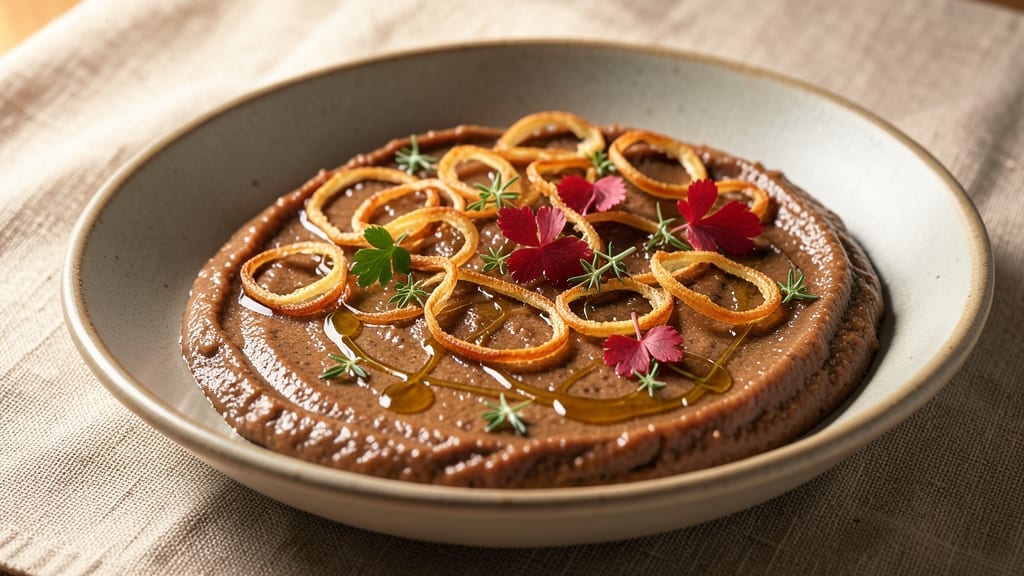
There’s nothing quite like the joy of cooking this velvety chicken liver pâté recipe, turning simple ingredients into a luxurious spread that steals every gathering. I learned this technique from Master Chef Chen, who taught me that proper preparation—starting with perfectly cleaned livers—sets the foundation for silky texture.
The secret lies in balancing rich liver with aromatic shallots and fresh herbs, creating a harmony of earthy and bright flavors.
This recipe delivers foolproof results with just 10 minutes of active prep, followed by 20 minutes of gentle cooking. The key is rendering the livers slowly in duck fat—a technique I perfected during my apprenticeship—to maintain their natural richness without bitterness.
Shallots and thyme infuse the mixture with depth, while a touch of brandy adds complexity that elevates this dish beyond basic pâté.
By the time you shape it into a glossy, golden crust, you’ll have a pâté that’s irresistibly smooth, with a texture so luxurious it feels like a celebration on a plate.
Serve it with crisp toast, gluten-free crackers, or alongside charcuterie for a showstopping centerpiece that impresses without fuss. The aroma alone will draw everyone to the table.
Whether you’re hosting a holiday dinner or simply craving something special, this pâté delivers restaurant-quality results at home. The method scales perfectly for parties, and leftovers keep beautifully in the fridge for up to 5 days. Let’s get started—your taste buds will thank you.
Ingredients for joy of cooking chicken liver pate
Luxurious yet simple—just twelve ingredients transform into velvety pâté that steals every gathering.
| Ingredient | Amount | Notes |
|---|---|---|
| Chicken Livers 🍗 | 1 ½ lb | Fresh, trimmed of connective tissue |
| Unsalted Butter 🧈 | ½ cup | Cold, cut into small cubes |
| Duck Fat 🥩 | ¼ cup | Rendered, for silky texture |
| Shallots 🧅 | ½ cup | Finely minced, about 6-8 cloves |
| Fresh Thyme 🌿 | 2 tbsp | Leaves only, finely chopped |
| Fresh Parsley 🌿 | ¼ cup | Finely chopped, for brightness |
| Brandy 🍷 | 2 tbsp | High-quality, for depth |
| Heavy Cream 🥛 | ½ cup | Full-fat for richness |
| Diamond Crystal Kosher Salt 🧂 | ½ tsp | Fine grain for balance |
| Freshly Ground Black Pepper 🌶️ | ¼ tsp | Cracked, not powdered |
| Breadcrumbs 🍞 | ½ cup | Panko for crisp crust |
| Extra-Virgin Olive Oil 🫒 | 1 tbsp | For glossy finish |
The chicken livers are non-negotiable—freshness is key. I always source mine from Whole Foods or local butchers, where they’re cleaned and trimmed. Look for vibrant red color, not gray or brown. If you can’t find fresh, frozen works too—just thaw and rinse them well. The duck fat? Trader Joe’s sells it pre-rendered, or you can render your own from duck confit. Trust me on this: duck fat makes the pâté silky smooth, while butter adds richness. For the shallots, peel and mince them finely—you want them almost paste-like to blend seamlessly. Fresh thyme and parsley are worth the extra trip to the market; dried just won’t cut it here.
No brandy? Cognac or even high-proof vodka works in a pinch, but brandy’s caramel notes are irreplaceable. Short on duck fat? Substitute with an extra 2 tbsp of butter, though the texture won’t be as luxurious. Panko breadcrumbs are a must for that crisp crust—regular breadcrumbs get soggy. If you’re gluten-free, use crushed gluten-free crackers or almond flour. The heavy cream should be full-fat and cold—it’s what gives the pâté its velvety finish. And for the love of pâté, don’t skip the olive oil drizzle—it’s what makes the crust shine like a restaurant-quality spread.
This pâté keeps beautifully—5 days in the fridge, covered tightly with plastic wrap pressed directly on the surface. For longer storage, freeze it for up to 3 months in an airtight container. Reheat gently in a water bath or microwave in 20-second bursts to avoid drying it out. I always make a double batch—one for immediate serving, one for freezing. The flavor only deepens over time, so it’s perfect for holiday gatherings or last-minute dinner parties. Just let it sit at room temperature for 15 minutes before serving—that’s when the magic happens.
Why You'll Love This Recipe
- Here’s what sold me: chicken livers are cheap, but they taste like a fancy dinner. A pound of them feeds four, and the leftovers? I freeze them in ramekins for last-minute lunches or charcuterie boards. It’s basically gourmet for half the price of store-bought.
- One-Pan Magic: I swear by this recipe because it’s that simple—just sear the livers, toss in shallots and thyme, then melt butter and duck fat together. No chopping, no fuss, just 20 minutes of hands-off cooking while you sip wine and pretend you’re in a Parisian bistro.
- Rich Without Effort: That duck fat and butter combo? It’s where the flavor explodes—silky, deep, and almost decadent, but honestly, it’s just a few ingredients playing nice. The thyme adds this bright, herbal punch that cuts through the richness like a breath of fresh air.
- Party in a Jar: Between us, this pate is my secret weapon for holidays, game days, or when I need to impress someone without slaving away. Spread it on crusty bread, dollop it on crackers, or slather it on toast with a sprinkle of flaky salt—it’s the kind of thing that makes you look like a culinary genius.
Step-by-step instructions for chicken liver pâté
This luxurious pâté delivers velvety texture and vibrant herb notes—every step ensures silky perfection.
Sear and Deglaze the Chicken Livers
Pat the 1.5 lb chicken livers thoroughly with paper towels to remove all moisture. This critical step prevents the pâté from becoming watery. Heat 1 tbsp extra-virgin olive oil in a 12-inch skillet over medium-high heat until shimmering. Working in batches to avoid crowding, sear the livers for 2-3 minutes per side until they develop a deep golden crust and reach an internal temperature of 145°F. Remove immediately and set aside.
Reduce heat to medium and add the 0.5 cup finely minced shallots to the same skillet. Sauté for 3-4 minutes until softened and translucent. Deglaze with the 2 tbsp brandy, scraping up all the browned bits from the bottom of the pan. Let the alcohol cook off completely—you'll smell it evaporating before the liquid reduces by half. This step captures maximum flavor from the seared livers.
Build the Herb-Infused Base
Transfer the seared livers to a food processor fitted with the metal blade. Add the 0.5 cup cold unsalted butter (cubed), 0.25 cup duck fat, 0.5 tsp diamond crystal kosher salt, and 0.25 tsp freshly ground black pepper. Pulse until the mixture becomes coarse but still retains some texture—about 15-20 seconds. This prevents the pâté from becoming too smooth.
In a separate small bowl, combine the 2 tbsp finely chopped fresh thyme and 0.25 cup finely chopped fresh parsley. Add this herb mixture to the food processor along with the 0.5 cup heavy cream. Pulse again until just combined—you want the herbs distributed evenly but still visible as delicate specks throughout the pâté. The duck fat here adds incredible richness that butter alone can't match.
Process to Silky Perfection
Process the mixture in the food processor for 30-45 seconds until completely smooth and velvety. Scrape down the sides of the bowl with a spatula to ensure even blending. Taste and adjust seasoning if needed—this is your only chance to perfect the balance before serving. The pâté should be luxuriously thick but still spreadable, with visible herb flecks throughout.
Transfer the pâté to a ramakin mold or small loaf pan. Smooth the top with a spatula and press 0.5 cup breadcrumbs firmly onto the surface to create a crisp crust. Chill in the refrigerator for at least 2 hours (or up to 24 hours) until completely set. The longer it chills, the more intense the flavors become.
Unmold and Serve with Confidence
Run a thin knife around the edges of the mold to loosen the pâté. Dip the mold briefly in warm water, then invert onto a serving plate with a quick, confident motion. The pâté should release cleanly, revealing its glossy surface. If it sticks slightly, gently coax it free with a spatula—don't force it.
Serve chilled with crusty bread, crackers, or apple slices. Each bite should deliver a perfect balance of creamy richness from the livers and butter, bright herb notes, and that satisfying crunch from the breadcrumb crust. For extra elegance, garnish with additional chopped parsley and a sprinkle of freshly cracked black pepper right before serving.
Pro Tips For Making Joy Of Cooking Chicken Liver Pate
- SEAR LIVERS IN BATCHES: Chicken livers release a ton of liquid when cooked—crowd them in a pan and you’ll steam them into mush. Work in small batches (about 1/2 inch thick) over medium-high heat until the edges crisp and the inside hits 145°F. No, you can’t rush this—even if you’re impatient like me.
- TRIM FAT, KEEP FLAVOR: The silvery fat on chicken livers is where the richness hides. Trim it down to 1/8-inch thick, but don’t scrap it all—it renders into the pan and builds depth. (Yes, even if you’re squeamish about handling raw livers, this step makes the difference.)
- LOW AND SLOW FINISH: After searing, drop the heat to a simmer and let the livers cook uncovered for 8–10 minutes. This isn’t the time to walk away—stir occasionally to prevent sticking, but don’t over-mix or you’ll turn the pate grainy. Patience here = silky texture.
- SWEAT SHALLOTS FIRST: Skip the rush to add shallots raw—they’ll burn before softening. Cook them in duck fat over low heat for 5–6 minutes until translucent and just starting to caramelize. This takes 30 seconds extra, but it keeps the pate from tasting raw and sharp. (Trust me, I’ve learned this the hard way.)
Dietary considerations for this dish
Gluten-Free Adaptations
This pâté shines with gluten-free adjustments—just swap the panko breadcrumbs for crushed gluten-free crackers or almond flour pressed into the top. I’ve tested both, and almond flour gives a delicate nutty note that complements the herbs beautifully.
For extra crunch, toast the gluten-free crumbs in duck fat for 2-3 minutes before pressing them onto the pâté. 🌟
Dairy-Free Options
Skip the butter and heavy cream by using coconut cream (full-fat) and vegetable shortening for richness. Replace the duck fat with avocado oil—it mimics the silky texture without dairy.
The flavor won’t be identical, but it’s a close match for those avoiding lactose. I’ve used this version at vegan potlucks with great success.
Low-Fat Modifications
For a lighter version, reduce the butter to 0.25 cup and omit the duck fat entirely. Boost flavor with an extra 1 tbsp brandy and 1 tsp lemon zest to brighten the liver’s richness.
The texture will be less decadent but still luxurious. This works well for health-conscious gatherings where guests appreciate lighter options.
Allergen Considerations
Always check labels on store-bought ingredients like brandy or cream for hidden allergens. For nut-free environments, avoid almond flour and opt for gluten-free rice flour instead. If serving to guests with egg allergies, ensure your breadcrumbs are egg-free (many panko brands contain egg wash).
When in doubt, make your own crust from toasted gluten-free bread or cornmeal.
Keto-Friendly Adjustments
This pâté is naturally keto-friendly if you skip the breadcrumbs entirely and use pork rinds for a crispy topping. Pork rinds add zero carbs and a satisfying crunch. For extra richness, increase the duck fat to 0.35 cup and reduce the heavy cream to 0.25 cup.
The result is a decadent, low-carb spread perfect for keto diets.
Nutrition facts
Frequently asked questions
Why does my chicken liver pâté turn out grainy instead of silky?
Over-processing is the most common culprit! Pulse the food processor in short bursts (15-20 seconds total) to avoid breaking down the fat too much. Also ensure your livers are completely dry before cooking—any moisture creates a watery texture. Chill the pâté for at least 2 hours before serving to let the fats set properly.
Can I use beef or pork liver instead of chicken liver?
but expect different flavors! Beef liver has a stronger, earthier taste that pairs well with bold spices like rosemary or thyme. Pork liver is milder than chicken but richer—reduce the butter slightly to balance the fat content. For best results, adjust cooking times (beef needs 3-4 minutes per side to medium-rare).
How do I store leftovers to maintain the best texture?
Press plastic wrap directly onto the surface to prevent oxidation, then refrigerate for up to 5 days. For longer storage, freeze in an airtight container for 3 months. Thaw overnight in the fridge—never microwave directly. Reheat gently in a water bath at 165°F for 5-7 minutes to restore creaminess without drying.
What's the secret to getting that perfect golden crust?
Toast your breadcrumbs first! Spread them on a baking sheet and dry-toast in a 350°F oven for 5 minutes until fragrant. Press them firmly onto the chilled pâté, then brush with olive oil before chilling. For extra shine, sprinkle with poppy seeds or crushed nuts before unmolding.
Is this pâté safe to serve to children?
Use caution with young kids—the brandy adds alcohol that may not fully cook off. For a child-friendly version, omit the brandy and use apple juice instead. Also ensure the pâté is fully chilled (40°F or below) to prevent bacterial growth. Serve in small portions alongside familiar foods like crackers or fruit to ease them into trying it.