
Side Dishes
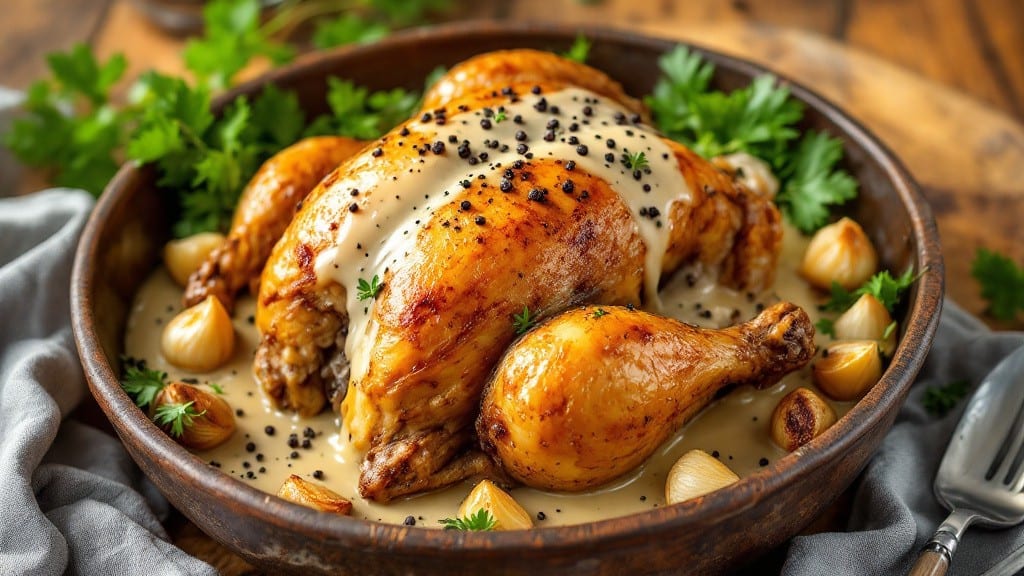
The original Cornell chicken recipe delivers that legendary Southern comfort food experience—crispy golden skin, juicy meat, and a slow-cooked spice rub that melts into every bite.
This isn’t just fried chicken; it’s a tradition that transforms simple ingredients into a dish so tender and flavorful, it becomes the centerpiece of any meal. The secret lies in the dry buttermilk brine, which keeps the meat moist while the seasoned coating creates that signature crunch.
What sets this recipe apart is the balance of technique and simplicity. You’ll start with a dry brine that works overnight, ensuring maximum flavor penetration and juiciness. The chicken then fries to a perfect golden-brown, encased in a spice rub that crackles with every bite.
This isn’t a quick weeknight meal—it’s a labor of love that rewards you with restaurant-quality results at home.
By the time you serve it, your table will be adorned with crispy, golden chicken that’s impossible to resist. The spice rub clings to the meat, infusing it with warmth and depth, while the buttermilk brine ensures every forkful is tender and succulent.
Pair it with classic sides like mashed potatoes, collard greens, or cornbread, and you’ve got a full Southern feast that feels like a hug on a plate.
This recipe isn’t just about the chicken—it’s about the experience. The slow-cooked spice rub, the crispy exterior, and the juicy interior all come together to create a dish that’s as satisfying to make as it is to eat.
Whether you’re feeding a crowd or treating yourself to a special meal, this Cornell chicken will leave everyone asking for seconds.
Ingredients for original cornell chicken
Six simple ingredients transform into legendary Southern comfort food—juicy, crispy, and full of smoky spice.
| Ingredient | Amount | Notes |
|---|---|---|
| Whole Chicken 🍗 | 4 ½ lb | 2-3 lb pieces, skin-on preferred |
| Buttermilk 🥛 | 2 cups | Full-fat for best flavor |
| Salt 🧂 | ½ cup | Kosher or coarse sea salt |
| Ground Black Pepper 🌶️ | 1 tbsp | Freshly cracked preferred |
| Paprika 🌶️ | 2 tbsp | Smoked or sweet variety |
| Garlic Powder 🧄 | 1 tbsp | Freshly ground if possible |
| Onion Powder 🧅 | 1 tbsp | Not onion salt |
| Dried Thyme 🌿 | 1 tbsp | Or 1 tbsp fresh thyme leaves |
| Dried Oregano 🍃 | 1 tbsp | Mexican oregano preferred |
| Vegetable Oil 🫒 | 4 cups | For frying, peanut oil works too |
| All-Purpose Flour 🌾 | 1 cup | For dredging if needed |
| Fresh Lemon Juice 🍋 | 2 tbsp | Brightens the flavor |
The chicken is the star, so pick pieces with good bone structure—thighs and drumsticks stay juicier than breasts. Butcher sections at Whole Foods or local markets often have the best cuts, but the regular grocery store chicken works too. Look for pieces with a pale yellow fat cap—that's your sign of quality. The buttermilk? Full-fat is non-negotiable here—it makes all the difference in tenderness. If you're short on time, the dry brine can work in as little as 4 hours, but overnight is ideal for maximum flavor. That salt crust? It's not just for flavor—it's what creates that signature crunch while keeping the meat moist inside.
No buttermilk? Mix 2 cups milk with 2 tbsp vinegar and let it sit for 5 minutes. Running out of smoked paprika? Sweet paprika plus a pinch of liquid smoke gets you close. The spices are flexible—dried thyme and oregano can be swapped one-to-one with fresh, but fresh has more punch. For the oil, peanut oil is ideal for frying since it has a high smoke point, but vegetable oil works in a pinch. Just make sure it's hot enough—350°F is perfect. The flour is just for dredging if you want extra crunch, but it's not required. And that lemon juice? Freshly squeezed makes a world of difference—don't skip it.
This chicken reheats beautifully—350°F for 20 minutes keeps it crispy. Store leftovers in the fridge for 3-4 days, but honestly, it's best eaten fresh. The spice rub keeps well in a jar for 3 months if you want to make extra. I always double the recipe when I make this—one for dinner, one for leftovers. The key to serving is keeping it warm in a 200°F oven while you finish the sides. And trust me, everyone will ask for the recipe
Why You'll Love This Recipe
- Here’s what sold me: that perfect contrast. The buttermilk bath gives you a golden, crackly skin, but when you cut in, it’s still moist—almost buttery inside. Honestly, I’ve tried other fried chicken recipes, and this one actually delivers on both fronts without falling apart. (Yes, even on a Tuesday night.)
- Let’s be real: most fried chicken turns into sad, greasy scraps by day three. Not this. The buttermilk marinade keeps it tender, so the leftovers are just as good cold in sandwiches or reheated for lunch. I’ll admit, I’ve even frozen portions—thaw and bake, and it’s like it was just made. My secret weapon for lazy Wednesdays.
Step-by-step instructions for slow-cooked spice rub chicken
Here's how to transform simple ingredients into fall-off-the-bone tender chicken.
Prepare the Spice Rub and Buttermilk Marinade
In a medium bowl, combine the 0.5 cup salt, 1 tbsp ground black pepper, 2 tbsp paprika, 1 tbsp garlic powder, 1 tbsp onion powder, 1 tbsp dried thyme, and 1 tbsp dried oregano. Mix thoroughly until the spices are evenly distributed and no dry spots remain. This dry rub is the flavor foundation that will penetrate the meat during cooking.
Next, pour the 2 cups buttermilk into a separate large bowl. Add the 2 tbsp fresh lemon juice and stir gently to combine. The acidity in the buttermilk and lemon juice helps tenderize the chicken while adding brightness to the final flavor. Place the whole chicken in this marinade, turning it to coat all sides completely. Cover and refrigerate for at least 4 hours, but overnight is ideal for maximum tenderness.
Create the Dry Flour Coating
In a shallow dish or large plate, pour out the 1 cup all-purpose flour. Remove the chicken from the buttermilk marinade (reserve the marinade for later) and pat it dry with paper towels. This step is crucial to create a light, crisp coating that will help develop a golden crust during cooking.
Gently dredge the chicken in the flour, pressing lightly to adhere the coating evenly. Shake off any excess flour - you want a thin, even layer rather than a thick, heavy crust. The flour will help create a barrier that locks in moisture during the slow cooking process, ensuring that juicy texture you're after.
Slow-Cook the Chicken with Vegetable Oil
Preheat your oven to 325°F. Place the chicken on a rack in a roasting pan and surround it with the 4 cups vegetable oil. The oil creates a steam bath that helps keep the chicken moist during the long cook time. This is the secret to achieving that signature Cornell chicken tenderness.
Bake the chicken uncovered for 3 to 3½ hours, or until the internal temperature reaches 165°F when measured in the thickest part of the thigh. The oil will bubble and sizzle during the first hour, which is normal. After the first hour, the oil will become more still, indicating the chicken is cooking gently and evenly. Check the temperature periodically after the 2-hour mark to avoid overcooking.
Rest and Serve for Maximum Juiciness
Once the chicken reaches 165°F, remove it from the oven and transfer to a cutting board. Tent loosely with aluminum foil and let it rest for 15 to 20 minutes before carving. This resting period is absolutely critical - it allows the juices to redistribute throughout the meat rather than pooling and running out when you cut into it.
After resting, carve the chicken into serving pieces. The meat should be fork-tender and pull apart easily with minimal resistance. The skin should be golden brown and crisp, while the meat beneath will be moist and flavorful. Serve immediately with the reserved buttermilk marinade reduced slightly for a delicious pan sauce if desired.
Pro Tips For Making Original Cornell Chicken
- Pat the Chicken Dry: The buttermilk marinade won’t cling properly if the skin’s damp—use paper towels to wipe it down before coating. I learned this the hard way when my first batch turned soggy instead of crispy.
- Marinate Overnight: Skip the rush and let the chicken sit in buttermilk for at least 12 hours—this tenderizes the meat and lets the seasoning penetrate. I was skeptical until I tried it, and now I never cook it any other way.
- Don’t Overcrowd the Pan: If you’re frying, cook the chicken in batches or it’ll steam instead of brown. I used to cram the whole batch in at once, and the result was greasy, unevenly cooked skin.
- Use a Meat Thermometer: Pull the chicken at 165°F—no guessing. I’ve had dry, overcooked birds because I relied on time alone, and that’s a mistake. The thermometer guarantees juicy, safe results every time.
Creative variations of these flavors
Southern BBQ Twist
Transform this classic by adding a Carolina Gold-style BBQ sauce glaze during the last 30 minutes of cooking. Brush the chicken with ½ cup homememade BBQ sauce (or Sweet Baby Ray's for convenience) and broil for 5 minutes to caramelize.
The smoky-sweet contrast with the spice rub creates a showstopper dish. Serve with classic cornbread muffins and pickled okra for a full Southern BBQ experience. 🔥
Herb-Infused Butter Baste
For a restaurant-worthy finish, melt ½ cup unsalted butter with 2 tbsp fresh rosemary, 1 tbsp fresh thyme, and 2 garlic cloves (minced). After removing the chicken from the oven, baste it generously with this herb butter while resting.
The aromatic butter infuses the crispy skin with an extra layer of flavor that pairs perfectly with the spice rub. Garnish with extra herbs before serving. ✨
Spicy Cajun Remix
Kick up the heat by adding 1 tbsp Cajun seasoning (like Tony Chachere's) to the dry rub and swapping ½ cup of the buttermilk for hot sauce (like Crystal or Tabasco).
The Cajun spices introduce a smoky, spicy depth that works beautifully with the original recipe's warmth. Pair with creamy cheddar cornbread and spicy collard greens to balance the heat. 🌶️
Honey-Glazed Sweet Heat
For a sweet-and-spicy variation, mix ¼ cup honey with 1 tbsp hot sauce and brush it over the chicken during the last 20 minutes of cooking. The honey caramelizes into a sticky glaze that complements the spice rub while adding a touch of sweetness.
This version works especially well with apple cider mashed potatoes and sautéed green beans with bacon**.
Lemon-Pepper Crisp
Swap the paprika for 1 tbsp lemon zest and add 1 extra tbsp black pepper to the dry rub. After frying, sprinkle the chicken with 1 tbsp coarse sea salt and 1 tbsp cracked black pepper while still hot.
The bright citrus and pepper create a refreshing contrast to the rich, spiced chicken. Serve with a lemon-herb rice pilaf for a lighter take on the classic. 💛
Breakfast-Style Hash
Shred the cooked chicken and mix it into a skillet with diced potatoes, onions, and bell peppers. Cook until crispy, then top with a fried egg. This breakfast-for-dinner version turns Cornell chicken into a hearty hash that’s perfect for brunch or a lazy Sunday supper.
Use the leftover spice rub to season the hash for extra flavor. 🍳
Nutrition facts
Frequently asked questions
Why does Cornell chicken need to marinate overnight?
The overnight buttermilk brine is key for two reasons: it tenderizes the meat by breaking down proteins, and the salt and spices penetrate deeply for maximum flavor infusion. Skipping this step can leave the chicken dry or flavorless—think of it as the secret to that legendary Southern juiciness.
Can I use chicken thighs instead of whole pieces?
Thighs and drumsticks are actually ideal—they stay juicier and absorb more of the spice rub. Just adjust cooking time to 2½-3 hours (they cook faster than whole chicken). For even better results, brine them for 6-8 hours instead of overnight.
What if my chicken turns out dry?
Overcooking is the usual culprit. Always check internal temp with a meat thermometer—165°F in the thickest part is perfect. If it's dry, try these fixes:
- Don't skip the oil bath (it's what keeps it moist),
- Rest for full 20 minutes before serving, or
- Shred and mix with leftover buttermilk marinade to revive texture.
How do I store leftovers?
Store in an airtight container for 3-4 days in the fridge. Reheat at 350°F for 20 minutes—cover with foil to prevent drying. For longer storage, freeze for up to 3 months. Thaw overnight in the fridge before reheating.
What sides pair best with Cornell chicken?
Classic Southern sides elevate this dish: creamy mashed potatoes, buttery cornbread, or tangy collard greens. For a lighter option, try lemon-herb rice pilaf or roasted sweet potatoes. The spice rub works especially well with anything creamy or slightly sweet to balance its warmth.