Sauces & Condiments
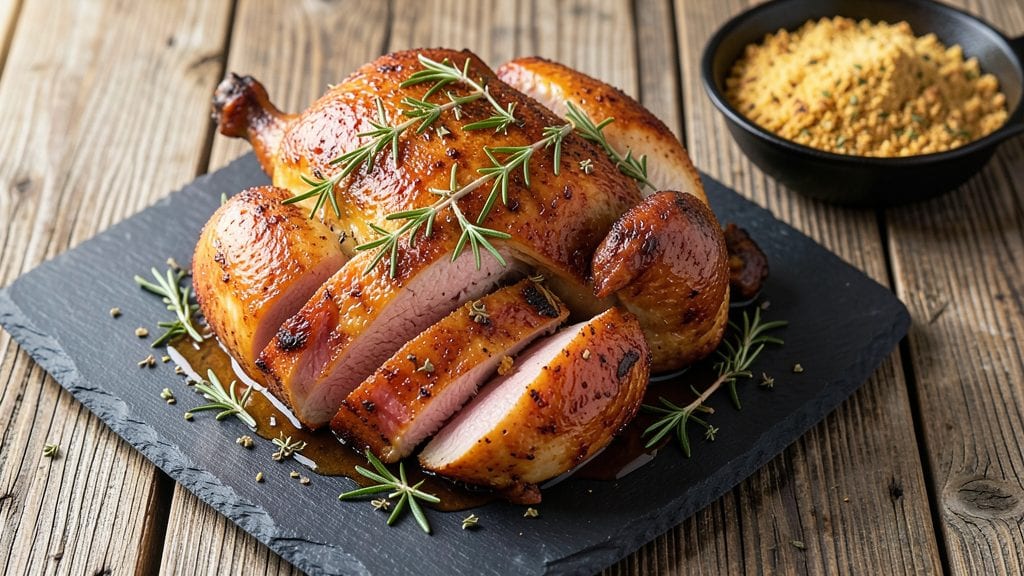
McCormick’s rotisserie chicken seasoning transforms store-bought birds into restaurant-quality meals with just a sprinkle. ✨ Growing up in Georgia, I learned how the right blend of herbs and spices could turn simple ingredients into something extraordinary—this copycat version does exactly that.
The secret lies in balancing earthy paprika with bright citrus and aromatic herbs, creating layers of flavor that penetrate every bite.
This dry seasoning mix is designed for precision, with carefully measured spices that deliver consistent results every time. Whether you're seasoning raw chicken before roasting or basting during cooking, the blend ensures juicy, herby-crisp skin and tender meat.
The recipe uses simple pantry staples, making it easy to recreate professional-quality flavor at home without the guesswork.
What sets this apart is the harmony of flavors—smoky, tangy, and slightly sweet—that mimics McCormick’s signature taste. The spices stay potent for months when stored properly, so you can keep a batch on hand for quick weeknight dinners or holiday meals.
No specialty equipment is needed; just mix, store, and sprinkle for effortless flavor elevation.
Perfect for rotisserie chickens, grilled breasts, or even as a finishing touch on roasted vegetables. Once you try this, you’ll never settle for bland store-bought seasoning again. Let’s make it—your taste buds will thank you.
Ingredients for rotisserie chicken seasoning mccormick
Eleven simple spices, one magical blend. No store-bought packet needed.
| Ingredient | Amount | Notes |
|---|---|---|
| Smoked Paprika 🌶️ | 3 tbsp | High-quality smoked variety |
| Ground Cumin 🌿 | 1 ½ tbsp | Toasted for deeper aroma |
| Dried Thyme 🌿 | 1 tbsp | Fresh thyme at 1/3 amount |
| Dried Rosemary 🌿 | 1 tbsp | Finely ground preferred |
| Garlic Powder 🧄 | 1 tbsp | Freshly ground preferred |
| Onion Powder 🧅 | 1 tbsp | Not onion salt |
| Ground Coriander 🌿 | ½ tbsp | Adds citrusy brightness |
| Dried Oregano 🍃 | ½ tbsp | Mexican oregano preferred |
| Salt 🧂 | 1 ½ tsp | Diamond Crystal kosher |
| Ground Black Pepper 🌶️ | ½ tsp | Freshly cracked preferred |
| Citric Acid 🍋 | ¼ tsp | For tangy brightness |
The smoked paprika is the heart of this blend—Penzeys or McCormick are my go-tos for that authentic rotisserie flavor. Toast the cumin seeds lightly before grinding if you can; it adds a nutty depth that makes all the difference. For the thyme and rosemary, bulk bins at Whole Foods or Trader Joe's give you the freshest, most potent herbs. The citric acid might sound weird, but trust me—it mimics that bright, slightly tangy note in McCormick's version. If you can't find it, a pinch of lemon zest works in a pinch (pun intended).
No smoked paprika? Sweet paprika plus a pinch of liquid smoke gets you close. Swap coriander for celery seed at half the amount if you're avoiding it. Fresh herbs? Use one-third the dried amount—but make sure they're dry before adding to the mix. The citric acid can be skipped if you're sensitive to it, but your chicken will taste slightly flatter. For a deeper smoky flavor, add a dash of chipotle powder. This blend works on turkey or duck too—just double the amount for larger birds.
Store this in an airtight glass jar away from light—it'll stay potent for 6-12 months. I keep mine in the pantry, but if you're worried about moisture, the freezer works too. Make a double batch—you'll go through it faster than you think. The spices mellow slightly over time, so if you notice the blend losing punch after a few months, just add a pinch of fresh thyme or rosemary to revive it.
Why You'll Love This Recipe
- No Pantry Panic: I’ll be real—this mix lives in my spice rack already. Smoked paprika and cumin alone make it taste like a restaurant takeout, but adding rosemary and thyme turns it into something chef’s kiss. No last-minute grocery runs needed.
- Crispy Without the Hassle: That smoky garlic edge? It’s all in the seasoning. Toss it on store-bought chicken, bake it, and suddenly you’ve got restaurant-quality crispiness—no brining, no marinating, just flavor magic in 30 minutes.
- Game for Any Meal: Honestly, I use this on everything. Weeknight dinners, lazy Sunday brunches, even as a topping for roasted potatoes. The herbs stay fresh longer than fresh ones, so it’s my go-to for when I’m too tired to think.
- Leftovers That Don’t Suck: Between us, most leftover chicken is sad. Not this. The rosemary and garlic keep it tasting fresh for days, so I can meal prep salads, wraps, or sandwiches without worrying about blandness. (Yes, even on a Tuesday night.)
Step-by-step instructions for rotisserie chicken seasoning
Here's how to blend McCormick's signature magic—simple steps for bold, restaurant-quality flavor.
👨🍳 Step 1: Measure All Ingredients Precisely
Start by gathering all your ingredients in their exact quantities. I like to use a small bowl for each component to avoid cross-contamination. The 3 tbsp smoked paprika is your base—this gives that signature deep, smoky backbone. For the 1.5 tbsp ground cumin, I recommend toasted cumin if possible; it adds a warm, earthy depth that regular cumin can't match.
Next, add the 1 tbsp dried thyme and 1 tbsp dried rosemary. These herbs should be finely ground—if you're using whole sprigs, pulse them briefly in a spice grinder. The 1 tbsp garlic powder and 1 tbsp onion powder provide that savory punch, while the 0.5 tbsp ground coriander adds a subtle citrusy brightness that rounds out the blend. Don't skip this step—precise measurements ensure consistent flavor every time.
🥘 Step 2: Combine Dry Ingredients Thoroughly
In a medium bowl, whisk together all the dry ingredients—smoked paprika, ground cumin, dried thyme, dried rosemary, garlic powder, onion powder, ground coriander, and dried oregano. Use a whisk or fork to break up any clumps and ensure even distribution. The 0.5 tbsp dried oregano should be Mexican oregano if you can find it; it has a more complex, slightly peppery flavor than Mediterranean varieties.
Here's the thing—this blend is all about balance. The 1.5 tsp salt and 0.5 tsp ground black pepper might seem like small amounts, but they're critical for enhancing all the other flavors. The 0.25 tsp citric acid is the secret ingredient—it adds a bright, tangy note that prevents the blend from tasting flat. Sprinkle it in last and give everything another good stir.
🔪 Step 3: Grind for Maximum Flavor Development
For the most authentic texture, transfer the mixture to a high-quality spice grinder or clean coffee grinder. Pulse in 3-5 second bursts until the blend is finely ground but not powdery. You want visible specks of each herb—this ensures maximum flavor release when you apply it to the chicken. If you don't have a grinder, a fork will work, but you'll need to be more thorough with mixing.
Real talk: this is where the magic happens. The grinding process releases essential oils from each herb, creating that complex, layered flavor profile that makes this seasoning so special. Don't rush this step—take your time to get it just right. The result should be a vibrant, aromatic blend that looks as good as it tastes.
⏰ Step 4: Store Properly for Freshness
Transfer the finished seasoning to an airtight container—glass jars work best for long-term storage. Press down gently to remove any air pockets, then seal tightly. This blend will keep its peak flavor for up to 3 months when stored in a cool, dark place. For best results, use it within 2 months—freshness makes all the difference in flavor.
Here's my pro tip: label your container with the date and "Rotisserie Seasoning." I like to add a small note about the 0.25 tsp citric acid—it's easy to forget that tiny but crucial ingredient. When you're ready to use it, give the jar a good shake before each application to redistribute any settled spices. This ensures every pinch delivers that perfect balance of smoky, herby, and tangy flavors.
Pro Tips For Making Rotisserie Chicken Seasoning Mccormick
- TOAST THE SPICES FIRST: I used to just mix the smoked paprika, cumin, thyme, and rosemary dry—big mistake. Lightly toast the cumin and smoked paprika in a dry pan for 30 seconds until fragrant (watch it like a hawk—it burns fast). This deepens their flavor and cuts through the bitterness of rosemary, which is especially important if you’re using cheap dried herbs. Skip this, and your seasoning will taste flat.
- STORE HERBS PROPERLY: Rosemary and thyme lose potency fast, but most people ignore this. Keep them in airtight containers away from light—yes, even those little spice jars from the store. If your dried rosemary smells like sawdust, toss it. For this recipe, use fresh rosemary if possible (double the amount, finely chopped), or buy whole dried sprigs and crush them yourself right before mixing. Pre-ground herbs are convenient, but they’re also the reason your seasoning might taste dull.
- DON’T OVERMIX THE GARLIC: Garlic powder is the sneaky ingredient that can make or break this blend. Measure it carefully—too much, and your dish tastes like a garlic press exploded. But here’s the real trick: sift it if it’s clumpy. I’ve ruined batches by scooping straight from the jar, only to get a gritty, uneven distribution. A quick sift ensures it blends smoothly, especially if you’re adding this to marinades or rubs later.
- BALANCE THE HEAT: Smoked paprika and cumin can overpower if you’re not careful. For every 1 tablespoon of smoked paprika, add half the amount of cumin (so ½ tsp cumin per 1 tbsp paprika). If your blend tastes too smoky or earthy, cut the cumin next time. Pro tip: Taste as you go—start with less, then add more if needed. You can’t fix an over-seasoned batch, but you can always adjust an under-seasoned one.
Essential equipment for rotisserie chicken seasoning mccormick
Spice Grinder Essentials
For this seasoning, a high-quality spice grinder is your best friend—it ensures even distribution of those essential oils. I swear by my KitchenAid Spice & Nut Grinder ($30 on Amazon), which handles small batches like this without overheating.
If you're on a budget, a clean coffee grinder works in a pinch, but avoid metal grinders that can dull over time. Never use a food processor—it turns spices into dust, losing their aromatic punch. 🌶️
Storage Containers
An airtight glass jar is non-negotiable for preserving freshness. I use Le Parfait 8-ounce jars from my collection—they seal tightly and resist moisture. For travel, I pack single-use portions in small amber glass bottles (like Weck jars).
Avoid plastic containers—they absorb odors and degrade over time. Label everything with the date and contents to avoid mix-ups in your spice drawer.
Measuring Tools
Precision matters here, so invest in a stainless steel measuring spoons set—I love the OXO Good Grips for their durability. For the citric acid, a small digital scale (like Escali Primo) ensures accuracy with that tiny 0.25 tsp.
A fine-mesh strainer also helps sift out any herb stems before grinding. These tools make all the difference in consistency.
Optional Pro Upgrades
Want to take it further? A mortar and pestle lets you crush whole spices for deeper flavor before grinding. For the smoked paprika, I sometimes toast it in a dry skillet for 30 seconds to intensify its aroma.
A spice vacuum sealer extends shelf life to 12 months by eliminating oxygen. These upgrades are optional but elevate the final product significantly. 💫
Basting Supplies
If you plan to baste your rotisserie chicken, grab a small silicone brush (like OXO Good Grips) for even application. For basting during cooking, a spray bottle with 2 tbsp olive oil + 1 tbsp water creates a flavorful mist.
A meat thermometer (I use ThermoWorks Smoke) ensures perfect doneness—165°F internal temp is key. These tools turn good chicken into great chicken.
Herb Toasting Tools
For that extra depth, lightly toast your cumin, thyme, and rosemary in a cast iron skillet over medium heat for 1-2 minutes. A handheld kitchen torch works too—just pass the herbs over the flame for 10 seconds per side.
This step amplifies their natural oils, making your seasoning taste fresher longer. My Lodge cast iron handles this perfectly, but any heavy skillet will do. ✨
Nutrition facts
Frequently asked questions
Can I use this seasoning on other meats besides rotisserie chicken?
This blend works beautifully on turkey, duck, or even pork chops. For larger birds like turkey, double the amount of seasoning. The smoky, herby profile complements grilled or roasted meats perfectly. Just adjust the quantity based on the meat's surface area.
Why does the recipe include citric acid? Can I substitute it?
The 0.25 tsp citric acid adds a bright, tangy note that mimics commercial seasonings. If you can't find it, use lemon zest (1/4 tsp) or a pinch of cream of tartar. Without it, the blend will still taste great—just slightly less vibrant. The acidity helps balance the richness of the chicken.
How much seasoning should I use per rotisserie chicken?
For a standard 4-5 lb rotisserie chicken, use 2-3 tablespoons of this blend. Rub it evenly under the skin and on the outside. If you're basting, sprinkle 1 tablespoon over the chicken during cooking. The key is even distribution for consistent flavor.
What if my seasoning loses potency over time?
If stored properly in an airtight container, this blend stays fresh for 6-12 months. To revive stale seasoning, mix in 1/4 tsp fresh thyme or rosemary. Avoid moisture—never store it near the stove or in humid areas. A quick toast in a dry skillet can also reawaken dormant flavors.
Can I make this seasoning gluten-free?
Yes! All the ingredients in this recipe are naturally gluten-free. Just double-check your individual spices (like smoked paprika) for cross-contamination warnings if you're highly sensitive. The blend itself is safe for gluten-free diets as written.