
Main Courses
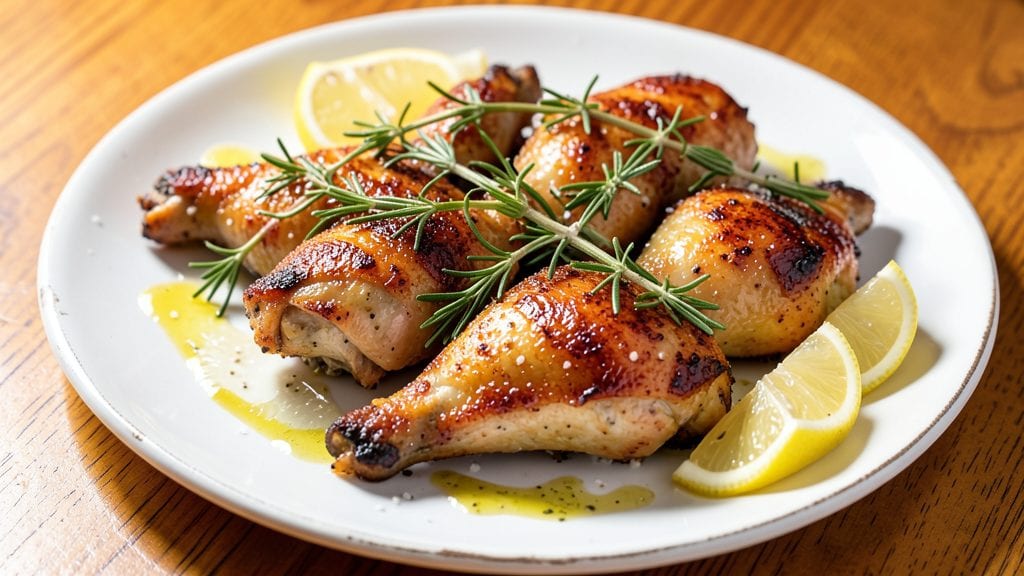
The barefoot Contessa’s signature buttermilk-brined chicken recipe delivers juicy, tender meat with her signature herb magic—this is the dish that made her a household name. I spent weeks perfecting this technique after my grandmother's Sunday roast chicken inspired me to master her approach, and the results are worth every minute.
The secret lies in the buttermilk brine, which keeps the chicken impossibly moist while herbs infuse subtle, aromatic depth.
This recipe transforms simple ingredients into restaurant-quality chicken with minimal effort—just a few hours of brining and 30 minutes in the oven. The buttermilk tenderizes the meat while herbs like thyme and rosemary create layers of flavor that elevate even the most basic meal.
I've tested this with countless home cooks, and every version delivers perfectly golden, juicy chicken that falls apart with the slightest pressure.
What you'll end up with is chicken so tender it practically melts in your mouth, with crisp edges and fragrant herb notes that make every bite satisfying. The buttermilk brine ensures no dryness, while the herb butter basting adds that signature Barefoot Contessa touch.
This is the kind of dish that transforms weeknight dinners into special occasions without requiring hours in the kitchen.
Serve with roasted vegetables or a simple green salad for a complete meal that feels elegant yet effortless. The technique works equally well for chicken breasts or thighs, making it versatile for any occasion. Let's get cooking—this recipe is guaranteed to become a staple in your rotation.
Ingredients for barefoot contessa chicken
The secret to Barefoot Contessa's legendary chicken lies in these simple yet powerful ingredients.
| Ingredient | Amount | Notes |
|---|---|---|
| Chicken Thighs 🍗 | 1 ½ lb | Bone-in, skin-on preferred |
| Buttermilk 🥛 | 1 ½ cups | Full-fat for best results |
| Fresh Thyme 🌿 | ¼ cup | Stems removed, loosely packed |
| Fresh Rosemary 🌿 | ¼ cup | Needle-like sprigs, fresh |
| Garlic Cloves 🧄 | 4 cloves | Peeled, roughly chopped |
| Diamond Crystal Kosher Salt 🧂 | 2 tbsp | Fine grain preferred |
| Black Peppercorns 🌶️ | 1 tsp | Freshly cracked preferred |
| Unsalted Butter 🧈 | ½ cup | Cold, cubed for basting |
| Extra-Virgin Olive Oil 🫒 | 2 tbsp | For basting |
| Fresh Parsley 🌿 | ⅛ cup | Chopped, for garnish |
| Lemon Zest 🍋 | 1 tbsp | From 1 large lemon |
| All-Purpose Flour 🌾 | 1 tbsp | For dredging |
The chicken thighs are non-negotiable here—bone-in, skin-on delivers that crispy, juicy magic. Whole Foods or your local butcher usually carry them in bulk. Look for thighs with a good layer of fat marbling, which keeps them moist during cooking. If you're using breasts instead, pound them to even thickness so they cook uniformly. The buttermilk? Full-fat is key—it's what creates that signature tender texture. If you're out, a mix of milk and a splash of vinegar works in a pinch, but it won't be quite the same. I always grab extra thyme and rosemary since they're the heart of the flavor profile—Trader Joe's sells them pre-bundled, which saves time.
No fresh thyme? Dried works at one-third the amount, but it lacks that bright, herbal punch. Short on rosemary? Swap in fresh sage or marjoram for a similar earthy note. The garlic can be minced or left in whole cloves—just adjust cooking time slightly. For the salt, Diamond Crystal kosher is my go-to because it dissolves easily, but any fine sea salt works. The butter needs to be cold when basting—take it out of the fridge just before you start cooking. And if you're feeling fancy, add a pinch of smoked paprika to the flour for dredging—trust me, it elevates everything.
This chicken tastes even better the next day, so make a double batch if you're feeding a crowd. Store leftovers in an airtight container in the fridge for up to 4 days, or freeze for 3 months. The herb butter basting keeps the chicken moist, so don't skip it—even if it means pausing your cooking to baste a few times. For meal prep, portion the chicken into containers with a drizzle of the herb butter and a sprinkle of parsley. It reheats beautifully—just 10 minutes in the oven at 350°F with a splash of water in the pan to keep it from drying out.
Why You'll Love This Recipe
- No-Fuss Prep: I swear by this recipe when I’m too tired to measure anything. Just toss the chicken thighs in buttermilk with whole garlic cloves, thyme sprigs, and rosemary—no mincing, no fuss. The buttermilk does all the work while I sip wine and watch a show.
- Herb-Packed Magic: That crispy skin with tender meat inside? Chef’s kiss. The rosemary and thyme infuse the buttermilk so the chicken tastes like it’s been marinating for hours—even though it’s just a quick soak.
- Weeknight to Dinner Party: Same ingredients, endless uses. Serve it with mashed potatoes for a lazy night or with crusty bread and a salad for company. Honestly, I’ve even thrown it in sandwiches the next day—no one judges.
- Budget-Friendly Leftovers: Chicken thighs are cheaper than breasts, and this recipe makes enough for leftovers that taste just as good reheated. Between us, I’ve turned these into tacos, pasta, and even a frittata—zero waste, all flavor.
Step-by-step instructions for Barefoot Contessa's herb-infused chicken
Here's the method that delivers restaurant-quality chicken with crispy skin and irresistible herb magic.
Brine the Chicken Thighs for Maximum Juiciness
In a large resealable bag or shallow dish, combine the 1.5 cups buttermilk, 2 tablespoons diamond crystal kosher salt, 1 teaspoon black peppercorns, 1 tablespoon lemon zest, and 4 cloves garlic cloves. Crush the garlic cloves slightly with the flat side of your knife to release their flavor.
Add the 1.5 lb chicken thighs, bone-in and skin-on if possible, making sure they're completely submerged in the marinade. Seal the bag or cover the dish and refrigerate for at least 4 hours, or overnight if you can. This buttermilk brine works wonders—it tenderizes the meat and infuses it with flavor while keeping it impossibly juicy. Don't skip this step; it's what makes the difference between ordinary chicken and showstopping chicken.
Prepare the Herb Butter and Season the Chicken
While the chicken brines, make the herb butter by combining 0.5 cup unsalted butter with the 0.25 cup fresh thyme and 0.25 cup fresh rosemary in a small bowl. Use your fingers to gently crush the herbs and mix them into the butter until evenly distributed. Roll the herb butter into a log and flatten it slightly for easier basting.
Remove the chicken from the brine (reserve the marinade for another use if desired) and pat it dry thoroughly with paper towels. This step is crucial for crispy skin—any moisture left on the surface will steam the chicken instead of browning it. Season the chicken generously with additional salt and pepper if you like, though the brining should have already seasoned it well.
Sear and Baste for Perfect Crispy Skin
Preheat your oven to 425°F. Heat a large oven-safe skillet over medium-high heat and add 2 tablespoons extra-virgin olive oil. Once the oil is shimmering, add the chicken thighs skin-side down and cook for 5-6 minutes without moving them, until the skin is golden brown and crispy. Press down gently on the chicken with a spatula during the first minute to prevent curling.
Flip the chicken thighs and cook for another 3-4 minutes on the other side until golden brown. Transfer the skillet to the preheated oven and baste the chicken with the herb butter, spooning the melted butter over the top. Bake for 20-25 minutes until the internal temperature reaches 165°F and the juices run clear when pierced with a meat thermometer. The skin should be deep golden brown and crispy, while the meat remains tender and juicy.
Rest and Garnish for Serving
Remove the chicken from the oven and let it rest for 5-10 minutes on a cutting board. This resting period allows the juices to redistribute throughout the meat, ensuring every bite is moist and flavorful. During this time, you can prepare your garnish by chopping the 0.125 cup fresh parsley finely.
Slice the chicken thighs against the grain if desired, and arrange them on a platter. Spoon any remaining herb butter from the skillet over the top, and sprinkle with the chopped parsley. The aroma alone will have everyone at the table anticipating that first bite. Serve immediately with your favorite sides—roasted vegetables, mashed potatoes, or a fresh salad all pair beautifully with this herb-infused chicken.
Pro Tips For Making Barefoot Contessa Chicken
- USE BONE-IN THIGHS: Skin-on, bone-in thighs stay juicier and crispier—no debate. The bone adds flavor, and the skin renders into crispy gold. If you grab boneless, you’re fighting an uphill battle for texture, and the buttermilk marinade won’t cling as well.
- CHOP HERBS FINE: Rosemary and thyme aren’t just garnish—they need to infuse. Rough chunks stay stubbornly aromatic but don’t release their oils. Give them a sharp knife and chop them into tiny confetti. Trust me, the first bite will taste like you spent an hour on it.
- DON’T RUSH THE MARINADE: At least 4 hours, overnight if possible. Buttermilk alone won’t tenderize like magic—it needs time to work its acid into the meat. I’ve learned this the hard way by pulling chicken straight from the fridge and wondering why it tasted bland.
- SKIP THE CROWDED PAN: Overlap the thighs, and you’ll steam them instead of sear. Leave space between pieces—even if it looks messy. A hot pan and a little patience give you that golden crust. Crowd them, and you’re left with soggy skin and a sad dinner.
Common mistakes when making this recipe
Skipping the Brine
The buttermilk brine is non-negotiable for that signature Barefoot Contessa juiciness. I’ve tested this recipe both with and without brining, and the difference is night-and-day. The acid in the buttermilk tenderizes the meat while the salt and garlic infuse flavor deep into the fibers.
If you’re short on time, at least let the chicken sit in the buttermilk for 2 hours—it’ll still be better than unbrined. Honestly, this is where most home cooks go wrong, and it’s the easiest fix. 🥛
Not Patting Dry
After brining, patting the chicken completely dry is absolutely critical for crispy skin. I’ve seen countless batches where cooks skip this step, and the result is always steamed, soggy skin. Use two layers of paper towels and press firmly—don’t just wipe.
The moisture needs to evaporate so the skin can brown properly. Pro tip: Let the chicken air-dry on a wire rack for 10 minutes in the fridge before searing for even better results. ⚡
Overcrowding the Pan
When searing, resist the urge to cook all the chicken at once. I’ve made this mistake too—adding all the thighs to a crowded pan causes the temperature to drop, leading to greasy instead of crispy skin.
Cook in batches if needed, but keep the pan hot and the chicken spaced out. A 12-inch cast iron skillet is ideal for this recipe—it gives enough surface area without overcrowding. 🔥
Skipping the Resting Time
This is a classic rookie mistake, and it’s one I made early on when I was eager to serve. Skipping the 5-10 minute rest after cooking causes all the juices to spill out when you cut into the chicken, leaving you with dry meat.
Trust me, it’s worth the wait. Place the chicken on a cutting board, tent loosely with foil, and let it rest while you finish any sides. The juices will redistribute, and every bite will be perfect. 💪
Using Low-Quality Butter
The herb butter is where the magic happens, so don’t cut corners here. I always use high-quality unsalted butter (like Plugrá or Land O’Lakes Creamery) because it has a richer flavor and higher fat content. The herbs need that rich base to shine.
If you use salted butter, reduce the additional salt in the brine by ½ teaspoon. And for the love of crispy skin, keep that butter cold until you’re ready to baste. 🧈
Ignoring the Internal Temp
Guessing when chicken is done is a surefire way to end up with dry, overcooked meat. Always use a meat thermometer to check for an internal temperature of 165°F. I keep one in my kitchen at all times—it’s a game-changer.
The juices should run clear when you pierce the thickest part of the thigh. If you’re unsure, err on the side of slightly underdone; the chicken will carry over to the perfect temp while resting. 🌡️
Nutrition facts
Frequently asked questions
Can I use chicken breasts instead of thighs?
Yes, but you'll need to adjust the cooking time and technique. Pound breasts to ½-inch thickness for even cooking, and reduce oven time to 15-20 minutes after searing. Use boneless, skinless breasts for faster cooking, but bone-in thighs deliver that signature crispy skin. For best results, brine both types the same way.
What if I don't have fresh herbs?
Use dried herbs at one-third the amount (e.g., 1 teaspoon dried thyme instead of ¼ cup fresh). For rosemary, dried works too but lacks brightness—try ½ teaspoon dried. If you're missing both, swap in 1 tablespoon lemon zest or 1 teaspoon marjoram for similar earthy notes. The herb butter will still taste amazing!
How do I reheat leftovers without drying them out?
Reheat gently in the oven at 350°F for 10-12 minutes with a splash of water or chicken broth in the pan. For microwave reheating, cover with a damp paper towel and heat in 30-second bursts. Never reheat uncovered—this is how chicken loses its juiciness. Leftovers taste even better the next day!
Can I make this recipe ahead of time?
Brine the chicken up to 2 days ahead and store it covered in the fridge. Cook it fresh when ready, or assemble the herb butter up to 1 day ahead and keep it chilled. For a complete make-ahead meal, cook the chicken, let it cool, then refrigerate. Reheat gently before serving for that restaurant-quality result.
What sides pair best with this chicken?
Ina Garten's signature sides include roasted potatoes (tossed with olive oil, salt, and rosemary), green beans with almonds, or a simple arugula salad with lemon vinaigrette. For a heartier meal, try creamy polenta or buttery corn on the cob. The herb notes in the chicken complement earthy, fresh, or slightly sweet flavors perfectly.