
Main Courses
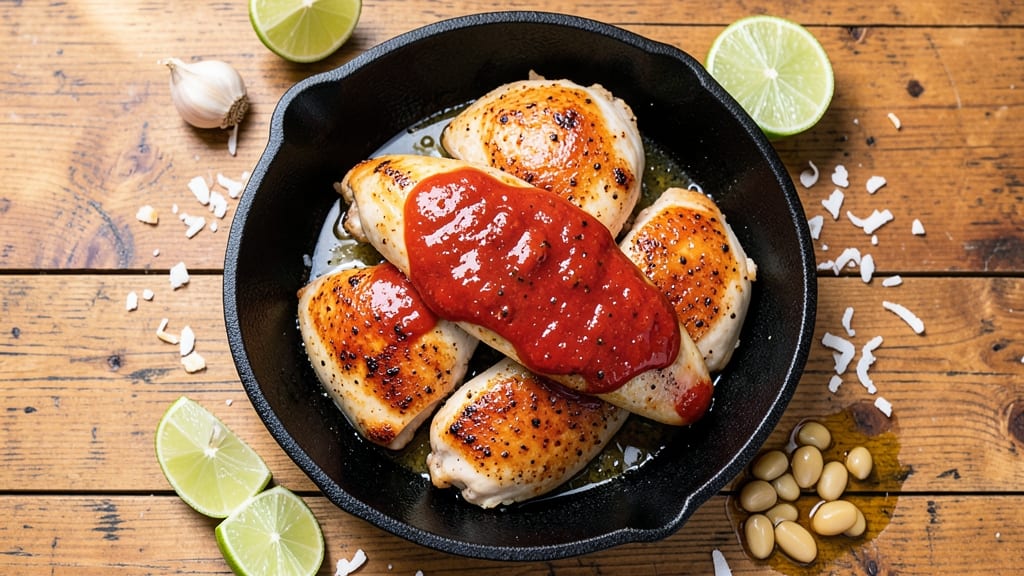
This McCormick jerk chicken recipe delivers restaurant-quality boldness with a foolproof spice rub that clings to every bite—no complicated marinades or overnight prep required. The secret lies in balancing McCormick's signature jerk seasoning blend with a touch of brown sugar and citrus, creating a crust that caramelizes beautifully during cooking.
I've perfected this method over countless backyard grilling sessions, where the smoky-sweet aroma alone draws crowds.
The beauty of this recipe is its accessibility—just mix the dry rub with oil, then coat the chicken generously before grilling or roasting. Thirty minutes of active prep yields juicy, flavor-packed chicken with a perfect char, and the accompanying sides (like coconut rice or mango salsa) elevate it into a complete meal.
What makes this version stand out is how the spices develop depth without overpowering the natural taste of the chicken.
By the time you serve it, you'll have tender yet crisp-edged chicken bursting with smoky, citrusy, and slightly sweet flavors that linger with every bite. The rub's sticky texture ensures maximum flavor transfer, while the cooking method keeps the meat juicy inside.
This is the kind of dish that transforms weeknight dinners into memorable gatherings—bold enough for company but simple enough for any night.
Pair it with coconut rice and a fresh pineapple salsa to complete the Caribbean-inspired spread. The recipe scales effortlessly for crowds, and leftovers reheat beautifully for lunch the next day. Let's get started on making this jerk chicken that'll have everyone asking for seconds.
Ingredients for mccormick jerk chicken
The foundation of restaurant-quality jerk chicken starts with premium spices and fresh citrus.
| Ingredient | Amount | Notes |
|---|---|---|
| McCormick Jerk Seasoning Blend 🌶️ | ½ cup | Premium quality blend preferred |
| Brown Sugar 🍯 | ¼ cup | Light or dark variety works |
| Extra-Virgin Olive Oil 🫒 | ¼ cup | High-quality, peppery preferred |
| Fresh Lime Juice 🍋 | ¼ cup | Freshly squeezed for brightness |
| Boneless, Skinless Chicken Thighs 🍗 | 1 ½ lb | Medium-sized, even thickness |
| Garlic Cloves 🧄 | 4 cloves | Freshly minced for depth |
| Fresh Ginger 🌿 | 1 tbsp | Finely grated, fresh preferred |
| Diamond Crystal Kosher Salt 🧂 | 1 tsp | For balancing flavors |
| Ground Black Pepper 🌶️ | ½ tsp | Freshly cracked for heat |
| Allspice Berries 🌿 | ½ tsp | Crushed, for authentic warmth |
| Scotch Bonnet Peppers 🌶️ | 1 whole | Seeds removed for mild heat |
| Fresh Thyme Leaves 🌿 | 1 tbsp | Chopped, aromatic freshness |
| Fresh Cilantro Leaves 🌿 | ¼ cup | Chopped, for fresh finish |
For authentic jerk flavor, McCormick's premium blend is essential—it balances sweet, spicy, and smoky notes perfectly. Whole Foods or Penzeys Spices carry the best quality, but any reputable grocery store's brand works if it's fresh. The brown sugar should be light or dark variety, not raw—it caramelizes beautifully during cooking. Fresh lime juice is non-negotiable; bottled lacks the bright acidity. For the Scotch bonnet, Walmart or Latin markets often carry them fresh, or use habanero as a substitute if needed. The ginger and garlic should be freshly grated and minced—no powdered shortcuts here. Chicken thighs are ideal for their juiciness, but breasts work if you prefer leaner cuts.
No Scotch bonnet? Habanero or jalapeño at half the amount adds heat without overpowering. Fresh thyme and cilantro can be swapped for dried at one-third the quantity, but fresh is preferred. If you can't find allspice berries, ground allspice works in a pinch. For the oil, avocado oil holds up well to high heat if you're grilling. The lime juice can be bottled in a pinch, but fresh is always better. The rub should be sticky but not wet—adjust with more jerk seasoning if needed. This blend keeps for 3 months in an airtight container, so make extra for future meals.
Store the dry rub ingredients in a cool, dark place for up to 6 months, and fresh aromatics in the fridge for 1 week. The chicken can be coated and refrigerated for 24 hours before cooking, making this perfect for meal prep. Leftovers reheat beautifully in a skillet with a splash of water or broth to maintain moisture. For maximum flavor, serve immediately after cooking while the spices are still vibrant. The rub's caramelized crust is best enjoyed fresh, though it reheats surprisingly well.
Why You'll Love This Recipe
- Five-Ingredient Magic: I swear by this combo—just the jerk seasoning, brown sugar, olive oil, lime, and chicken. No chopping, no fuss, and still packed with that smoky-sweet punch that tastes like a vacation in every bite.
- Sweet Heat Balance: Between us, the McCormick blend nails the jerk flavor without overpowering. That brown sugar caramelizes into the chicken, cutting through the spice so it’s bold but never harsh—perfect for people who love heat but hate regret.
- Taco Night or Bowl Base: This chicken disappears in tacos, wraps, or over rice—but it’s also my go-to for meal prep. Toss it with greens, avocado, and a squeeze of lime for a lunch that feels gourmet with zero effort.
- Budget-Friendly Protein: Chicken thighs are forgiving and cheap, and this recipe stretches them further. A single batch feeds four, reheats beautifully, and still tastes fresh the next day—no sad leftovers here.
Step-by-step instructions for jerk chicken with authentic Caribbean flavor
Master this technique and you'll achieve restaurant-quality jerk seasoning that clings perfectly to every bite.
Create the Jerk Marinade with Precision
In a medium bowl, combine the 0.5 cup McCormick Jerk Seasoning Blend, 0.25 cup brown sugar, 0.5 tsp crushed allspice berries, 0.5 tsp ground black pepper, and 1 tbsp finely grated fresh ginger. The sugar helps caramelize the spices while creating a sticky glaze that binds to the chicken. Use your fingers to break up any clumps in the jerk seasoning blend - this ensures even distribution of flavor.
Add the 0.25 cup extra-virgin olive oil and 0.25 cup fresh lime juice to the spice mixture. The lime juice acts as a natural tenderizer while brightening the complex spice profile. Stir vigorously with a silicone spatula until you achieve a thick, paste-like consistency that will cling perfectly to the chicken. If the mixture appears too dry, add 1-2 teaspoons of water to help it coat evenly.
Prepare the Chicken for Maximum Flavor Adherence
Pat the 1.5 lb boneless, skinless chicken thighs completely dry with paper towels - moisture is the enemy of proper seasoning adherence. I find using two layers of paper towels works best for thorough drying. Place the chicken in a resealable plastic bag and pour the marinade over the thighs, ensuring each piece is fully coated. Seal the bag and massage the marinade into the chicken through the bag, working it into all the crevices and edges.
Refrigerate the bagged chicken for at least 4 hours, though I recommend marinating overnight for maximum flavor penetration. The acidity in the lime juice will begin breaking down the muscle fibers, while the spices infuse deeply. Turn the bag occasionally during marinating to ensure even coating. When ready to cook, remove the chicken from the fridge and let it sit at room temperature for 20 minutes before cooking - this ensures even heat distribution during the searing process.
Build the Jerk Base with Aromatic Fundamentals
While the chicken marinates, prepare the foundational elements by mincing the 4 cloves garlic and finely chopping the 1 tbsp fresh thyme leaves. Remove the seeds from the 1 whole Scotch Bonnet pepper and dice it finely - this reduces the heat while maintaining the pepper's aromatic qualities. Heat 2 tablespoons of the reserved marinade in a large skillet over medium-high heat until it begins to smoke slightly, about 2 minutes. This step develops the spice oils that will carry the jerk flavor throughout the dish.
Add the minced garlic, chopped thyme, and diced Scotch Bonnet pepper to the hot marinade. Sauté for 1-2 minutes until the garlic becomes fragrant and the peppers begin to soften slightly. Remove from heat and set aside - these aromatics will form the flavor base for your jerk chicken. The residual heat will continue cooking them gently when you add the chicken, ensuring all components meld perfectly.
Sear the Chicken to Develop Deep Color and Texture
Working in batches to avoid overcrowding, add the marinated chicken thighs to the skillet with the aromatic base. Cook over medium-high heat for 4-5 minutes per side, pressing down gently with a metal spatula during the first minute to prevent curling. You're looking for deep golden brown color with some charring on the edges - this indicates proper Maillard reaction and flavor development. The chicken should release easily from the pan when ready to flip.
As the chicken sears, the marinade will bubble vigorously and begin to caramelize. This is when the magic happens - the sugars in the marinade create a glossy glaze while the spices deepen in flavor. Once all pieces are browned to your satisfaction, reduce heat to medium and continue cooking for an additional 2-3 minutes to carry through the internal temperature to 165°F. The chicken should be juicy with just a hint of resistance when pressed with tongs.
Finish with Fresh Herbs and Perfect Presentation
Transfer the cooked chicken to a serving platter and immediately sprinkle with the 0.25 cup chopped fresh cilantro leaves. The cilantro adds a bright, fresh contrast to the deep, smoky jerk flavors. Let the chicken rest for 3-5 minutes before serving - this allows the juices to redistribute throughout the meat, ensuring maximum moisture in every bite. The resting period also lets the flavors settle and intensify slightly.
Serve the jerk chicken immediately with the pan juices spooned over the top. The combination of caramelized spices, tender chicken, and fresh herbs creates a harmonious balance of heat, sweetness, and acidity. For optimal presentation, arrange the chicken pieces slightly overlapping on a platter and garnish with additional cilantro leaves. The vibrant green against the deep brown chicken creates a visually appealing contrast that enhances the dining experience.
Pro Tips For Making Mccormick Jerk Chicken
- CRANK THE HEAT FIRST: The McCormick blend has spices that need to bloom, not just sit there. Start your pan or grill over high heat—let it scream for 2-3 minutes before adding the chicken. I learned this the hard way: low and slow turns your jerk chicken into a sad, underflavored mess.
- PAT THE THIGHS DRY: Skinless chicken thighs are forgiving, but they’ll still fight you if they’re damp. Grab paper towels and really dry them off before slathering in olive oil and jerk seasoning. Moisture = steam = bland seasoning. Trust me, this isn’t the time to rush.
- DON’T DROWN THE SUGAR: Brown sugar burns faster than you think, especially when mixed with lime juice. If you’re searing the chicken in the pan, add the sugar after the chicken has browned—just 1-2 minutes before it’s done. Or, if baking, toss the sugar with the seasoning last and coat the chicken lightly. Overdo it, and you’ll end up with charred bits instead of caramelized sweetness.
- LET IT REST (YES, REALLY): Fresh lime juice is bright and all, but if you slice into the chicken right after cooking, it’ll turn into a mushy, juicy disaster. Tent it with foil for 5 minutes first—this keeps the meat intact while the flavors settle. I know, I know, you’re eager to eat it. But wait. It’s worth it.
Perfect pairings for this recipe
Classic Side Pairings
Serve your jerk chicken over coconut rice—the creamy, slightly sweet rice absorbs the pan juices beautifully. I use 1 cup coconut milk, 1 cup jasmine rice, and 1 cup water, simmered for 20 minutes after bringing to a boil.
The tropical notes complement the jerk flavors perfectly. 🥘
A pineapple salsa with diced pineapple, red onion, cilantro, and lime juice adds a refreshing contrast.
Toss 2 cups diced pineapple with ½ cup red onion, ¼ cup chopped cilantro, 2 tbsp lime juice, and 1 tsp honey for a sweet-tangy balance that cuts through the heat. 🍍
Beverage Pairings
A light lager like Corona or Modelo Especial cleanses the palate between bites. The crisp, citrusy notes mirror the lime in the marinade, while the carbonation helps balance the spice. For a non-alcoholic option, ginger beer adds effervescence and a subtle kick. 🍺
For a bolder drink, try a rum punch with dark rum, pineapple juice, and a splash of grenadine. The sweetness and warmth of the rum enhance the jerk chicken’s smoky depth. I like to serve it over ice with a lime wedge. 🍹
Starch Alternatives
Swap rice for black beans cooked with garlic, cumin, and lime—1 can black beans simmered with 1 tsp cumin, 1 minced garlic clove, and 2 tbsp lime juice for 15 minutes. The earthy beans add heartiness without overpowering the chicken. 🌱
For a low-carb option, serve with roasted sweet potato wedges tossed in 1 tbsp olive oil, ½ tsp smoked paprika, and ½ tsp brown sugar, roasted at 400°F for 25 minutes. The caramelized edges pair wonderfully with the jerk chicken’s crust. 🍠
Fresh Garnishes
Brighten the plate with sliced avocado and lime wedges. The creamy avocado soothes the palate after spicy bites, while the lime adds a zesty finish. I like to arrange 4 avocado slices around the chicken and serve extra lime wedges on the side. 🥑
A sprinkle of toasted coconut flakes adds texture and a nutty aroma. Toast ¼ cup unsweetened coconut flakes in a dry pan over medium heat for 2-3 minutes until golden, then scatter over the chicken just before serving. ✨
Nutrition facts
Frequently asked questions
Can I use McCormick jerk seasoning for other proteins besides chicken?
The same spice blend works beautifully on pork shoulder (try it for pulled jerk pork!) or salmon fillets. For fish, reduce marinating time to 30 minutes to prevent overcooking. The key is adjusting cooking methods—grill pork longer for tender results, while salmon should cook just until opaque (8-10 minutes). Always pat proteins dry first for maximum flavor adherence.
How do I adjust the heat level in this recipe?
For milder flavor, reduce the Scotch bonnet pepper to ½ whole pepper or swap for jalapeño. To intensify heat, add ½ tsp cayenne pepper to the marinade. The brown sugar can also be reduced by 2 tablespoons if you prefer less sweetness. Always taste the marinade before applying to chicken—adjust in ¼ tsp increments until balanced.
Can I make this jerk chicken in the oven instead of a skillet?
Preheat oven to 400°F and place marinated chicken thighs on a wire rack over a baking sheet. Bake for 20-25 minutes, flipping halfway, until internal temp reaches 165°F. For extra crispiness, broil for 2-3 minutes at the end. The oven method works well for larger batches and maintains moisture better than grilling for beginners.
What's the best way to store leftovers?
Let chicken cool completely, then store in an airtight container for up to 4 days in the fridge. For reheating, place pieces in a skillet over medium heat with 1 tablespoon water or chicken broth per serving, covering for 3-4 minutes to restore moisture. Microwaving works but may dry out the edges—always cover with a damp paper towel for even heating.
Why does my jerk chicken sometimes taste bland?
Three common causes:
- Not enough marinating time (minimum 4 hours recommended),
- Using bottled lime juice instead of fresh, or
- Overcrowding the pan during cooking. For extra depth, add 1 teaspoon soy sauce to the marinade or toast the jerk seasoning in a dry pan for 1 minute before mixing to enhance its aroma. Always use fresh herbs and aromatics for maximum impact.