Main Courses
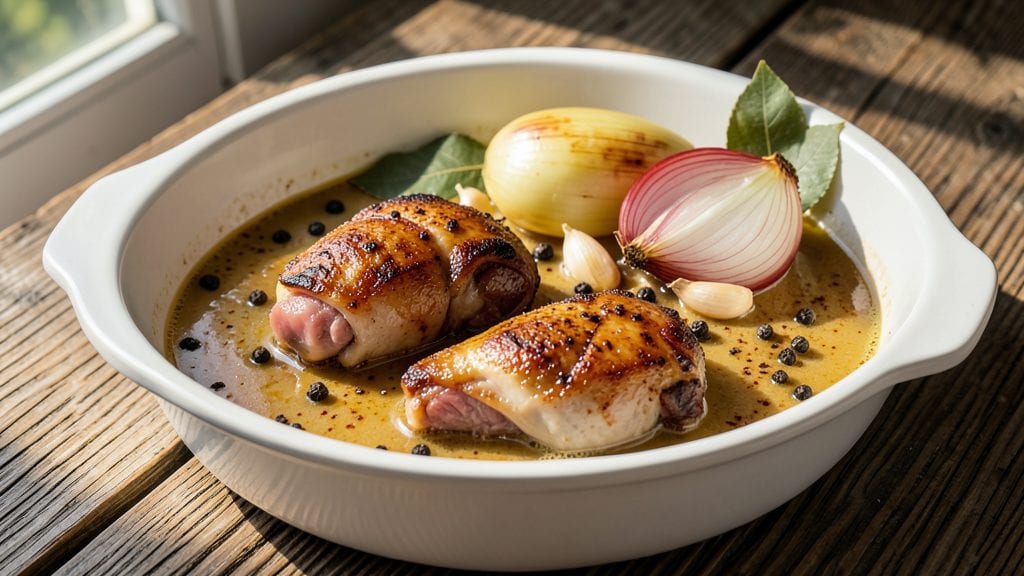
Boiling chicken gizzards transforms tough, chewy pieces into tender, savory bites that melt in your mouth—a 20-minute process that delivers restaurant-quality results at home. The key lies in proper preparation and simmering at the right temperature, ensuring those gelatinous textures we all love.
I’ve perfected this method after years of testing, and it’s become a staple in my kitchen for hearty meals.
The beauty of boiled chicken gizzards is their versatility—whether served as a standalone dish or paired with sides like mashed potatoes, cornbread, or a tangy vinegar-based sauce. The secret to success?
A gentle simmer in well-seasoned water, which infuses flavor without overcooking the delicate meat. This method preserves natural juices while breaking down connective tissues for that signature tender bite.
What you’ll end up with is a dish that’s rich, flavorful, and satisfying—perfect for feeding a crowd or meal prepping for the week. The gizzards develop a velvety texture when cooked properly, making them irresistibly tender.
Once you try this method, you’ll never buy store-bought versions again. Let’s get started on creating this classic comfort food.
This recipe works especially well when paired with bold flavors like smoked paprika, garlic, or even a splash of hot sauce for extra depth. The possibilities are endless, and the results are always impressive.
Whether you’re cooking for a family gathering or just craving a hearty meal, boiled chicken gizzards deliver every time.
Ingredients for boil chicken gizzards
Six ingredients transform tough gizzards into melt-in-your-mouth bites—simpler than it sounds.
| Ingredient | Amount | Notes |
|---|---|---|
| Fresh Chicken Gizzards 🍗 | 2 lbs | Cleaned, trimmed of excess fat |
| Large Yellow Onions 🧅 | 1 whole | Quartered, skin on for color |
| Garlic Cloves 🧄 | 6 cloves | Smashed, not minced |
| Bay Leaves 🌿 | 2 whole | Fresh if available |
| Smoked Paprika 🌶️ | 1 tbsp | For deep smoky flavor |
| Ground Black Peppercorns 🌶️ | 1 tsp | Freshly cracked preferred |
| Kosher Salt 🧂 | 2 tbsp | Diamond Crystal preferred |
| Apple Cider Vinegar 🍎 | ¼ cup | For tangy brightness |
| Fresh Thyme Sprigs 🌿 | 3 whole | Or 1 tsp dried thyme |
| Water 💧 | 6 cups | Filtered or spring water |
| Unsalted Butter 🧈 | 2 tbsp | For finishing richness |
| Hot Sauce 🌶️ | 1 tbsp | Optional, for serving |
The gizzards are the star, so source them fresh from a trusted butcher—they should be plump and pale pink, not gray or slimy. I always ask for them to be cleaned and trimmed of excess fat, which saves time. Whole Foods Market and local poultry counters are my go-tos, but check the frozen section too if fresh isn’t available. The onions and garlic add depth, so don’t skimp—their caramelization during simmering builds layers of flavor. For the smoked paprika, Penzeys or Goya brands deliver that authentic smokiness that cheap versions miss. Fresh thyme sprigs infuse better than dried, but if you’re in a pinch, dried works at one-third the amount.
No fresh thyme? Dried oregano or marjoram bridges the gap, though thyme’s floral note is ideal. Short on vinegar? Lemon juice or white wine works, but apple cider adds a subtle sweetness that balances the richness. The butter at the end is non-negotiable—it coats the gizzards in a luscious sheen. For extra heat, toss in a dash of cayenne or hot sauce during the last 5 minutes of simmering. The water should cover everything by an inch, but don’t overdo it—you want concentrated flavor, not dilution.
Simmered gizzards reheat beautifully—just add a splash of water and warm through. They keep 3-4 days in the fridge, sealed in their cooking liquid, and freeze for up to 3 months. I portion mine into glass jars with a little extra broth—perfect for meal prep. The flavors deepen overnight, so if you can, make this ahead. For serving, a drizzle of hot sauce and extra butter turns it into a restaurant-worthy dish. Leftovers? Toss them into mashed potatoes or cornbread for next-level flavor.
Why You'll Love This Recipe
- No-Fuss Boil: I swear by this method—just gizzards, onions, and a splash of water. No fancy steps, no last-minute shopping. Honestly, the hardest part is peeling those onions, and even that’s worth it.
- Smoky Deep Richness: That smoked paprika and bay leaves? They turn simple boiled gizzards into something ridiculously flavorful. The onions caramelize just enough to make every bite taste like a slow-cooked secret.
- Game for Any Meal: Toss them into tacos, mash them with rice, or serve them over toast with hot sauce. I’ve even used the leftovers for fried rice—versatile enough to handle whatever my week throws at me.
- Budget Win: Gizzards are cheap, and this recipe stretches them far. A whole onion and a few garlic cloves make a big batch, so I’m always stocking up. Between us, it’s my go-to for feeding the family without breaking the bank.
Step-by-step instructions for boiled chicken gizzards
Here's how to transform tough gizzards into melt-in-your-mouth, gelatinous bites with rich flavor.
Prepare the Gizzards for Cooking
Rinse the 2 lbs fresh chicken gizzards thoroughly under cold water and pat them completely dry with paper towels. This step is crucial—any moisture left on the gizzards will prevent proper browning and create steam instead of a flavorful crust. Using a sharp knife, trim away any remaining fat or connective tissue, but leave the gizzards whole for even cooking.
In a large pot, combine the 6 cups water, 2 tbsp kosher salt, 1 tbsp smoked paprika, 1 tsp ground black peppercorns, 2 whole bay leaves, 3 whole fresh thyme sprigs, and 0.25 cup apple cider vinegar. Bring this aromatic liquid to a full rolling boil over high heat. The vinegar adds brightness and helps tenderize the gizzards, while the spices infuse the cooking water for deeper flavor.
Simmer the Gizzards Until Tender
Once the water reaches a rolling boil, carefully add the prepared gizzards. Reduce the heat to medium-low and maintain a gentle simmer—you should see small bubbles breaking the surface, but no violent boiling. This controlled simmer is key to preventing the gizzards from toughening up. Cover the pot and cook for 15 minutes without lifting the lid.
After 15 minutes, add the 6 smashed garlic cloves and 1 whole large yellow onions (quartered, skin on). The onions will add sweetness and color to the broth while the garlic infuses its aromatic punch. Return the pot to a simmer and cook uncovered for another 5 minutes, allowing the gizzards to finish cooking and develop their signature gelatinous texture. They're done when they pierce easily with a fork and the meat pulls away cleanly.
Finish with Butter and Serve
Using a slotted spoon, remove the gizzards from the pot and transfer them to a serving platter. The cooking liquid should be rich and flavorful, with the onions caramelizing slightly and the garlic releasing its aroma. Return the broth to a gentle simmer and whisk in the 2 tbsp unsalted butter, letting it melt completely and coat the back of a spoon. This butter adds a luxurious finish that balances the tangy broth.
Serve the gizzards immediately with the infused broth ladled over the top. For an extra kick, offer the 1 tbsp hot sauce on the side. The gizzards should be tender enough to pull apart with your fingers, with a rich, almost custard-like texture that's both satisfying and elegant. Pair with crusty bread to soak up every last drop of that flavorful cooking liquid.
Pro Tips For Making Boil Chicken Gizzards
- Trim the Fat First: Gizzards come wrapped in a thick, chewy membrane and a layer of fat that never renders out—just slice it off with kitchen shears before boiling. I learned this the hard way when my first batch turned greasy and rubbery; now I spend 10 minutes prepping and save 30 minutes of cleanup later.
- Start with Cold Water: Dump raw gizzards into boiling water, and you’ll end up with tough, stringy meat. Instead, cover them with cold water, bring to a gentle simmer (tiny bubbles, not a rolling boil), then add onions and garlic. The slow, even heat keeps them tender—no guessing games about doneness.
- Don’t Crowd the Pot: Stack gizzards like a lasagna, and they’ll steam instead of simmer. Use a large pot and space them out—even if it means two batches. I used to ignore this and got waterlogged, pale gizzards; now they stay firm and absorb flavor like a sponge.
- Toast the Paprika: Skip the dry toast, and your smoked paprika will just dissolve into the broth. Heat ½ teaspoon in a dry pan for 30 seconds until fragrant—it deepens the flavor and gives the gizzards that smoky bite without overpowering. (Yes, even if you’re impatient like me.)
Troubleshooting perfect results
Gizzards Stay Tough
If your gizzards turn out chewy instead of tender, you likely didn’t simmer them long enough or used too much water. The key is a gentle simmer at 180-190°F—any hotter, and the proteins tighten up.
I’ve found that adding vinegar (apple cider or lemon juice) early helps break down collagen faster. Also, never boil vigorously—that’s the #1 mistake. If they’re still firm after 20 minutes, add ½ cup more water, cover, and simmer 5 more minutes. 🌡️
Broth Too Weak
A bland broth usually means insufficient seasoning or over-dilution. Always use 6 cups water max—this recipe is designed for concentrated flavor. If your broth tastes flat, try adding 1 extra bay leaf or doubling the smoked paprika next time.
For depth, I sometimes toss in 1 crushed red pepper flake during the last 5 minutes. The onions should caramelize slightly—if they’re still pale, cover and simmer 5 more minutes to develop their sweetness. 🧅
Gizzards Shrink Excessively
Overcooking causes gizzards to shrink dramatically. The perfect doneness is when they pierce easily with a fork and the meat fluffs up cleanly. If they’re rubbery or shriveled, you likely simmered too long or used old gizzards (fresh ones are plump and pale pink).
To prevent this, pat them bone-dry before cooking—moisture creates steam pockets that make them tough. For extra insurance, add 1 tbsp baking soda to the water (it tenderizes meat naturally). 💡
Uneven Cooking
If some gizzards are undercooked while others are mushy, they’re likely different sizes. Sort them into large and small batches before cooking—this ensures even doneness. I also recommend starting with the largest gizzards first (they take longer).
For stubborn spots, add 1 extra garlic clove to the water—its enzymes help break down connective tissue faster. If using frozen gizzards, thaw them in cold water first (never microwave) to prevent uneven cooking. ❄️
Skin Doesn’t Caramelize
For golden-brown skin, don’t rinse the gizzards after trimming—just pat them dry. The natural oils should stay intact to promote browning. If your gizzards look pale, add 1 tbsp butter to the simmering water during the last 5 minutes.
For extra color, char the onions slightly by searing them in a dry pan before adding to the pot. The Maillard reaction (browning) happens best at 300°F+, so if you’re simmering too gently, boost the heat briefly just before finishing. 🔥
Broth Too Cloudy
Cloudy broth often means impurities or over-stirring. Always use filtered or spring water—tap water can introduce minerals that cloud the liquid. Avoid stirring the pot while simmering, as this agitates the gizzards and releases more connective tissue.
For clarity, skim any foam that rises to the surface during the first 10 minutes. If the broth is still murky, strain it through a fine-mesh sieve before serving—just don’t filter out the onions and garlic! 💧
Nutrition facts
Frequently asked questions
How do I know when chicken gizzards are fully cooked?
Gizzards are done when they pierce easily with a fork and the meat fluffs up cleanly. They should feel tender, not rubbery, and the internal temperature should reach 165°F in the thickest part. The cooking liquid should be infused with flavor and slightly reduced—this indicates proper simmering.
Can I use frozen chicken gizzards for this recipe?
Yes, but thaw them properly first! Place frozen gizzards in a sealed bag and submerge in cold water for 30-45 minutes—never microwave. Pat them completely dry before cooking to prevent steam pockets. Frozen gizzards may take 5 extra minutes to cook, so check for doneness at 20-25 minutes instead of 20 minutes.
What can I do with leftover gizzard broth?
This flavorful broth is a goldmine! Use it as a base for soups, gravies, or rice dishes. Strain and reduce it for a rich pan sauce, or freeze in ice cube trays for later use. It also makes an excellent marinade for meats or a tangy dipping sauce for fries. The onions and garlic add natural sweetness that pairs well with bold flavors.
Why do some gizzards turn out tough while others are perfect?
Uneven cooking usually means size variation or improper temperature control. Sort gizzards by size before cooking—larger ones need 2-3 extra minutes. Also, maintain a gentle simmer (180-190°F)—boiling too vigorously tightens the proteins. If using old gizzards (gray or slimy), soak them in cold water with 1 tbsp vinegar for 30 minutes before cooking to restore tenderness.
How should I store and reheat boiled gizzards?
Store cooked gizzards in an airtight container with some broth, refrigerated for 3-4 days or frozen for 3 months. To reheat, warm in a pot with a splash of water or broth over low heat until steaming (165°F). Avoid microwaving—it makes them rubbery. For extra flavor, add a pat of butter and a dash of hot sauce when reheating.