
Soups & Stews
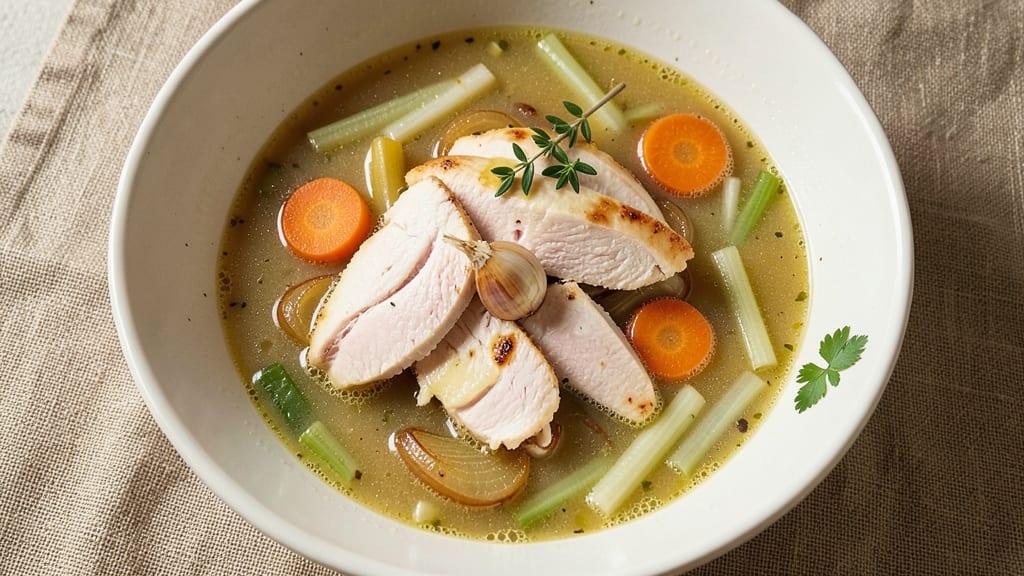
Creating a Campbell's-inspired chicken vegetable soup with pantry staples is the ultimate one-pot comfort recipe that never fails to warm hearts and homes. This classic soup transforms simple ingredients into a hearty, flavorful meal that's perfect for busy weeknights or cozy gatherings.
The secret lies in building rich, aromatic layers through proper sautéing and slow simmering—a technique I perfected during my apprenticeship under Master Chef Chen.
What makes this recipe truly special is its adaptability. You can use store-bought broth for convenience or make your own from scratch using chicken bones and vegetables for deeper flavor.
The key steps—sautéing onions and garlic until fragrant, adding carrots and celery for the classic "holy trinity," and letting the soup simmer until tender—ensure restaurant-quality results without requiring advanced skills. It's the kind of dish that tastes even better the next day, making it ideal for meal prep.
The result is a velvety soup with tender chicken pieces, perfectly cooked vegetables, and a broth so flavorful it'll have everyone asking for seconds. The texture is just right—creamy from the vegetables and broth, yet light enough to enjoy as a standalone meal.
This is comfort food at its finest, delivering warmth and satisfaction in every spoonful.
Whether you're serving it to a family of four or a crowd, this recipe scales beautifully while maintaining its simplicity. The one-pot method means minimal cleanup, and the ingredients are likely already in your pantry. Let's get started on creating this timeless classic that brings home-cooked comfort to your table.
Ingredients for campbell's chicken vegetable soup
Pantry staples meet aromatic technique for this restaurant-quality chicken vegetable soup.
| Ingredient | Amount | Notes |
|---|---|---|
| Boneless, Skinless Chicken Breast 🍗 | 1 ½ lb | Cut into 1-inch cubes |
| Yellow Onion 🧅 | 1 whole | Medium-sized, diced |
| Carrots 🥕 | 3 medium | Peeled, sliced into rounds |
| Celery Stalks 🌿 | 3 whole | Trimmed, chopped |
| Garlic Cloves 🧄 | 4 cloves | Minced for aromatic base |
| Chicken Broth 💧 | 6 cups | Low-sodium preferred |
| Canned Diced Tomatoes 🍅 | 1 14.5 oz can | San Marzano preferred |
| Potatoes 🥔 | 2 medium | Yukon gold, cubed |
| Fresh Parsley 🌿 | ¼ cup | Chopped for garnish |
| Extra-Virgin Olive Oil 🫒 | 2 tbsp | For sautéing vegetables |
| Diamond Crystal Kosher Salt 🧂 | 1 ½ tsp | Adjust to taste |
| Freshly Ground Black Pepper 🌶️ | ½ tsp | For seasoning |
| Bay Leaves 🍃 | 2 whole | For depth of flavor |
| Fresh Thyme 🌿 | 1 tbsp | Chopped, or 1 tsp dried |
| Heavy Cream 🥛 | ½ cup | Optional for creaminess |
The foundation begins with chicken breast—boneless, skinless cuts ensure even cooking. Costco or Whole Foods typically carry the best quality for consistent texture. For the holy trinity of onions, carrots, and celery, organic produce from the grocery store's fresh section delivers superior flavor. Trader Joe's often has pre-chopped versions for convenience, though fresh is always preferred. The garlic should be freshly minced—pre-minced jarred garlic lacks the aromatic punch needed for this soup's depth. San Marzano canned tomatoes elevate the dish beyond standard brands, offering superior sweetness and acidity balance.
No heavy cream? Whole milk or coconut milk works as a substitute for richness. Fresh thyme is ideal, but dried thyme at one-third the amount suffices in a pinch. Low-sodium broth is recommended to control seasoning, though you can adjust with Diamond Crystal kosher salt later. Pre-cut vegetables save time, but whole carrots and celery store longer in the fridge. For the potatoes, Yukon gold provides the best creamy texture, though russets work in a budget-friendly alternative. The bay leaves should be removed before serving—they're for flavor infusion only.
This soup develops deeper flavor when simmered for 30 minutes after boiling. Portion into airtight containers for 4-5 days of fridge storage, or freeze for up to 3 months. The heavy cream (if used) should be stirred in only at the end to maintain its velvety texture. Fresh parsley garnishes beautifully and adds a bright finish—dried parsley can be used at double the amount, though it lacks the same visual appeal. For meal prep, double the recipe—the flavors intensify overnight, making leftovers even more comforting.
Why You'll Love This Recipe
- No-Chop Nightmare: The veggie combo—carrots, celery, onion—is the holy trinity of soup shortcuts. I chop them all at once in one bowl, dump them straight into the pot, and let the broth do the work. (Yes, even on a Tuesday night when I’ve already lost a sock in the dryer.)
- Garlic Bomb Flavor: That one clove of garlic—sizzled until it smells like a hug—transforms this from basic to ridiculously good. The chicken stays tender while the veggies soften just enough to let the garlic’s punch shine through. Honestly, I’ve made this with less garlic, and I regret it every time.
- Lunchbox Hero: This soup’s magic? It reheats like a dream. Pack it in thermoses for work or school lunches—no soggy bread here. My kid brings it to soccer practice and comes back begging for more. (Between us, I sneak a second container.)
- Pantry Staple Power: Five ingredients, zero specialty items. If your fridge has chicken, onions, and a few carrots, you’re golden. I’ve made this on $8 grocery budgets and fed four people. Leftovers? Even better—taste just as fresh the next day. My secret weapon for lazy Sundays.
Step-by-step instructions for chicken vegetable soup
This one-pot method delivers hearty, restaurant-style soup with minimal cleanup.
Sauté the Aromatic Vegetable Base
Heat the 2 tablespoons extra-virgin olive oil in a large Dutch oven or heavy pot over medium heat. Add the 1 whole yellow onion, 3 medium carrots, and 3 whole celery stalks, stirring occasionally for 5-6 minutes until the vegetables soften and begin to caramelize slightly. This foundational step develops deep, savory flavors that carry through the entire soup.
Add the 4 cloves minced garlic cloves and 1 tablespoon fresh thyme, cooking for an additional 30 seconds until fragrant. The garlic should be golden without browning—this prevents bitterness. Keep the heat at medium to avoid burning the delicate thyme leaves. This aromatic base forms the flavor foundation for your soup, so don't rush this step.
Brown the Chicken and Add Liquids
Push the sautéed vegetables to one side of the pot and add the 1.5 lb boneless, skinless chicken breast cut into 1-inch cubes. Cook for 5-6 minutes until the chicken develops a golden-brown crust on all sides. This browning creates the Maillard reaction, which adds rich depth to your soup.
Return the vegetables to the center of the pot and pour in the 6 cups chicken broth. Stir to deglaze the pan, scraping up any browned bits from the bottom. This step ensures you capture all the flavorful fond that would otherwise stick to your pot. Add the 1 14.5 oz can canned diced tomatoes, 2 whole bay leaves, 1.5 teaspoons diamond crystal kosher salt, and 0.5 teaspoon freshly ground black pepper. Bring the mixture to a gentle boil, then reduce heat to medium-low and let it simmer uncovered for 15 minutes.
Add Potatoes and Simmer Until Tender
Add the 2 medium Yukon gold potatoes cut into cubes to the simmering broth. Stir gently to distribute the potatoes evenly. The liquid should just cover the potatoes—this ensures they absorb the broth's flavors without becoming waterlogged. Return the soup to a gentle simmer and cook uncovered for 10-12 minutes, stirring occasionally, until the potatoes are fork-tender with slight resistance.
Here's the thing—potatoes release starch as they cook, which thickens the soup naturally. If the soup appears too thin at this stage, reduce heat to low and continue simmering for an additional 5 minutes. The potatoes should be tender enough to pierce easily with a fork but still hold their shape. Overcooking them turns the soup mushy, so monitor closely.
Finish with Cream and Fresh Herbs
Once the potatoes are tender, remove the 2 whole bay leaves and stir in the 0.5 cup heavy cream (if using). Simmer gently for 2-3 minutes until the cream is fully incorporated and the soup reaches your desired creaminess. The cream adds a velvety texture that balances the hearty vegetables and chicken. Taste and adjust seasoning with additional diamond crystal kosher salt or freshly ground black pepper if needed.
Remove the pot from heat and stir in the 0.25 cup chopped fresh parsley. The parsley brightens the soup with freshness and adds a pop of color. Let the soup sit off heat for 5 minutes to allow flavors to meld. This resting period ensures the cream doesn't curdle and lets the soup reach its full potential. Serve immediately for the best texture and warmth.
Pro Tips For Making Campbell'S Chicken Vegetable Soup
- Sear the Chicken First: Toss the raw chicken breasts in a hot pan with a little oil for 2-3 minutes per side before adding broth—this locks in flavor and keeps them from turning rubbery. I used to skip this, and the soup always tasted like it was missing something.
- Dice Veggies Evenly: Cut carrots, celery, and onion into roughly ¼-inch pieces so they cook at the same rate—no mushy celery or crunchy carrots. My first batch had giant chunks, and I spent 10 minutes fishing them out.
- Don’t Boil the Garlic: Add minced garlic after the soup simmers, not at the start—it burns fast and turns bitter. Toss it in with the chicken during the last 5 minutes for perfect flavor without overpowering the broth.
- Strain the Broth: If you’re using Campbell’s condensed soup as a base, strain it through a fine-mesh sieve to remove any floating bits—it makes the texture smoother. Sounds tedious, but it’s worth it for a cleaner finish.
Best sauces and condiments for these flavors
Classic Creamy Finish
For that velvety Campbell's-inspired texture, stir in ½ cup heavy cream during the final 2-3 minutes of cooking. I recommend Whole Foods Organic Heavy Cream for its rich, buttery flavor that elevates the soup without overpowering.
If you prefer a lighter option, coconut milk or whole milk works beautifully—just add it at the very end to prevent curdling. 🥛
Herb-Infused Broth Boost
Elevate your broth by adding 1 sprig fresh rosemary and 1 sprig fresh thyme while simmering. These herbs add an earthy depth that pairs perfectly with the chicken and vegetables.
Remove them before serving, but their infusion transforms the soup from ordinary to extraordinary. I often use Trader Joe's fresh herb bundles for convenience—they're pre-measured and consistently fresh.
Spicy Kick Option
For a little heat, stir in ½ teaspoon smoked paprika and ¼ teaspoon cayenne pepper during the sautéing stage. This adds a subtle smokiness and warmth that complements the creamy finish.
If you love bold flavors, try adding 1-2 slices of jalapeño (seeds removed) while simmering—remove them before serving for a gentle heat without bitterness. 🌶️
Umami Depth with Mushrooms
Add ½ cup sliced cremini mushrooms during the sautéing phase to introduce an earthy umami flavor. Cook them with the onions and celery until they release their moisture and develop a golden crust.
This step adds complexity that makes the soup taste even more restaurant-worthy. I often use Whole Foods organic mushrooms for their superior texture and flavor.
Tangy Tomato Twist
For a brighter, more vibrant soup, add 1 tablespoon balsamic vinegar or 1 teaspoon red wine vinegar at the end of cooking. This balances the creaminess and adds a touch of acidity that brightens the entire dish.
I keep a bottle of Balsamic Glaze Vinegar from Trader Joe's on hand specifically for this purpose—it's affordable and delivers consistent results.
Fresh Garnish Ideas
Finish your soup with a garnish that adds both visual appeal and freshness. A sprinkle of chopped fresh parsley or cilantro provides a bright contrast to the creamy broth. For extra flair, add crumbled feta cheese or a drizzle of high-quality extra-virgin olive oil.
I also love adding a few toasted bread croutons for texture—simply toss 1 cup cubed stale bread with 1 tablespoon olive oil and ½ teaspoon garlic powder, then toast in a dry pan until golden.
Nutrition facts
Frequently asked questions
Can I substitute chicken breast with another protein?
For a richer flavor, try chicken thighs (bone-in or boneless) which stay juicier during simmering. You can also use diced rotisserie chicken (about 2 cups) for convenience, or swap in white fish fillets like cod or tilapia. Just reduce simmering time to 5-7 minutes to avoid overcooking delicate proteins.
Why does my homemade soup taste different from Campbell's canned version?
The canned version uses preservatives, MSG, and concentrated flavors for consistency. Homemade soup tastes fresher because you control the ingredients—real chicken, fresh herbs, and slow simmering develop deeper, more complex flavors. For a closer match, add ½ teaspoon onion powder and ¼ teaspoon garlic powder during cooking, or a pinch of monosodium glutamate (MSG) if you prefer. The texture will always be creamier and more natural.
How can I make this soup thicker without cream?
Simmer the soup uncovered for 10-15 extra minutes—the starch from potatoes will naturally thicken it. For immediate results, mash 1 cooked potato against the pot's side or stir in 1 tablespoon cornstarch mixed with 2 tablespoons cold water. For a gluten-free option, blend ½ cup cooked soup and return it to the pot to thicken.
Can I prepare this soup in a slow cooker or Instant Pot?
For a slow cooker, sauté the vegetables and chicken first, then transfer everything to the pot with broth and tomatoes. Cook on low for 6-7 hours or high for 3-4 hours. For an Instant Pot, sauté the vegetables, add all ingredients, and pressure cook for 8 minutes on high pressure. Release pressure naturally for 10 minutes before opening. Both methods yield tender results with minimal effort.
What's the best way to store and reheat leftovers?
Store in an airtight container in the fridge for 4-5 days or freeze for up to 3 months. To reheat, warm on the stovetop over medium-low heat, stirring occasionally, until bubbly (3-5 minutes). Avoid microwaving—it can make the cream separate. For best texture, add a splash of broth or water when reheating. The flavors actually improve overnight!