Main Courses
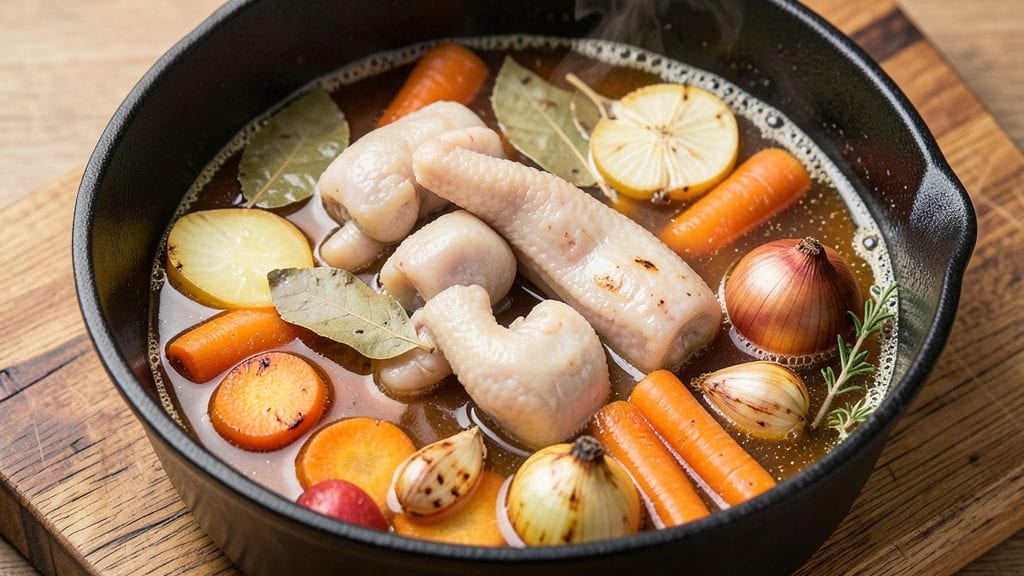
This chicken feet stock recipe unlocks the deep, savory foundation for soups, stews, and braises that taste like they simmered for days. The secret lies in slow extraction of collagen and gelatin from chicken feet, transforming them into a rich, umami-packed liquid that elevates any dish.
I first discovered this technique while studying traditional Asian braising methods, and it completely changed how I approach flavor development in the kitchen.
The process requires patience—8 to 12 hours of gentle simmering at low heat—but the results are worth every minute. Unlike commercial stocks, this version develops a complex depth from the feet's natural gelatin and cartilage, creating a velvety texture that clings to noodles, vegetables, and proteins.
For best results, I recommend adding aromatic vegetables like carrots, onions, and ginger, along with a bay leaf or two for subtle earthiness.
Once strained and reduced, this stock becomes the backbone of dishes like pho, braised chicken feet, or hearty winter stews. The gelatin content gives soups a luxurious mouthfeel while infusing them with layers of savory richness that store-bought options simply can't match.
Whether you're preparing a celebratory meal or a comforting weeknight dish, this stock transforms ordinary recipes into something extraordinary.
For those new to working with chicken feet, I’ll walk you through every step—from cleaning and blanching to simmering and straining—so you can achieve professional-quality results at home. The key is precision in timing and temperature, ensuring the stock develops its full potential without bitterness.
Let’s get started on creating this versatile, umami-rich foundation for your cooking repertoire.
Ingredients for chicken feet stock
Patience and simple ingredients transform chicken feet into a velvety, umami-rich stock foundation.
| Ingredient | Amount | Notes |
|---|---|---|
| Chicken Feet 🦶 | 2 ½ lb | Fresh, cleaned and blanched |
| Yellow Onions 🧅 | 1 whole | Peeled, halved, charred slightly |
| Carrots 🥕 | 4 whole | Scrubbed, cut into chunks |
| Fresh Ginger 🧄 | 2 oz | Peeled, sliced into thick coins |
| Garlic Cloves 🧄 | 6 cloves | Peeled, smashed lightly |
| Bay Leaves 🌿 | 2 whole | Dried, standard size |
| Black Peppercorns 🌶️ | 1 tbsp | Whole, lightly crushed |
| Salt 🧂 | 1 ½ tsp | Kosher or sea salt |
| Cold Water 💧 | 12 cups | Filtered preferred |
| Apple Cider Vinegar 🍎 | 1 tbsp | For initial blanching |
| Extra-Virgin Olive Oil 🫒 | 1 tbsp | For deglazing pot |
The chicken feet are the star—look for fresh, plump feet with minimal odor at Asian markets or specialty butchers. Costco often carries them pre-cleaned, but if you're buying raw, soak them in cold water for 30 minutes to remove any impurities. The ginger should be firm and aromatic, not fibrous or sprouting. Carrots with vibrant orange color and no soft spots work best. For garlic, fresh cloves are non-negotiable—jarred minced garlic lacks the depth. I always buy extra bay leaves since they add subtle earthiness without overpowering.
No fresh ginger? Dried ginger at half the amount works in a pinch, but fresh is ideal for that bright, zesty kick. Short on chicken feet? Add 1 lb chicken bones to boost volume, but expect less gelatin. The vinegar is crucial—it helps break down proteins during the initial blanching. For the olive oil, use something fruity and peppery like California extra-virgin. The stock will develop its richest flavor if you use cold water for the initial simmer, not hot. And trust me on the black peppercorns—they add warmth without bitterness.
Once strained, this stock freezes beautifully—portion into ice cube trays for easy use in future recipes. Keeps in the fridge for 5-7 days or 6 months frozen. The gelatin content thickens when chilled, so reheat gently to restore its silky texture. I always make a double batch—one for immediate use, one to freeze for future pho or braises. The longer it simmers, the deeper the flavor, but never boil vigorously—that creates bitterness.
Why You'll Love This Recipe
- Zero-Waste Magic: I swear by this recipe—those chicken feet aren’t just scraps, they’re flavor bombs. The collagen-rich bones turn into a velvety broth while the feet themselves crisp up into edible nuggets (yes, you can eat them!). Honestly, it’s the only way I justify buying them in bulk.
- Umami Bomb: That combo of ginger and garlic? It’s like a flavor grenade. The onions caramelize into sweetness, the carrots add natural sweetness, and the chicken feet bring this deep, savory richness. Between us, this stock tastes better than any store-bought version—no joke.
- Meal Prep MVP: Freeze half the batch and you’ve got instant soup base, braising liquid, or stir-fry sauce for weeks. I keep a jar in my freezer labeled “Emergency Flavor”—because let’s be real, some nights you just need that depth without extra effort.
- Budget Game-Changer: A pound of chicken feet costs less than a single rotisserie chicken, but the flavor? Unmatched. I stretch this stock into soups, rice dishes, or even dumplings, and it never feels like I’m compromising. My wallet and my taste buds thank me.
Step-by-step instructions for chicken feet stock
This method unlocks deep umami flavor from chicken feet while keeping the process straightforward.
Blanch the Chicken Feet
Place the 2.5 lb chicken feet in a large pot and cover with cold water by about 2 inches. Add the 1 tbsp apple cider vinegar and bring to a boil over high heat. Once boiling vigorously, reduce heat to medium-high and simmer for exactly 15 minutes. This blanching step removes impurities and surface proteins that would otherwise cloud your stock.
Here's the thing—don't skip this step. The vinegar helps break down the skin and connective tissue, ensuring your final stock will be crystal clear rather than murky. After 15 minutes, drain the feet through a colander and rinse them thoroughly under cold water. This removes any residual vinegar and impurities that could affect flavor.
Build the Stock Base
Return the rinsed chicken feet to the same pot and add the 12 cups cold water. Place the pot over medium heat and bring to a gentle simmer. Here's where the magic happens: add the halved yellow onions, carrot chunks, sliced fresh ginger, smashed garlic cloves, bay leaves, crushed black peppercorns, and 1.5 tsp salt. The water should just cover all ingredients by about 1 inch.
Real talk: this is the moment that matters. You want a gentle simmer—not a rolling boil—that maintains the integrity of the ingredients while extracting their flavors. Adjust the heat so you see small bubbles breaking the surface but no vigorous agitation. Skim off any foam that rises to the top during the first 30 minutes of cooking.
Simmer for Deep Flavor Extraction
Cover the pot and maintain this gentle simmer for 3 hours. I know it seems like a long time, but this slow cooking is what transforms tough chicken feet into rich, gelatinous stock. The collagen breaks down completely, creating that luxurious mouthfeel that defines great stocks. After 3 hours, check the consistency—it should be thick and gelatinous when chilled.
If you're impatient, here's the secret: after the initial 3 hours, you can strain the stock through a fine-mesh sieve or cheesecloth into a clean pot. Return the solids to the pot, add 4 more cups of cold water, and simmer uncovered for another 2 hours. This two-stage process maximizes flavor extraction without overcooking the ingredients.
Strain and Finish
After the full cooking time, strain the stock through a fine-mesh sieve or cheesecloth-lined colander into a large bowl or clean pot. Press gently on the solids to extract every last bit of flavorful liquid. Discard the solids—no need to save them for this application. The strained stock should be clear with a deep amber color and rich aroma.
Return the strained stock to the pot and stir in the 1 tbsp extra-virgin olive oil. This final step adds a subtle richness and helps prevent a skin from forming when refrigerated. Taste and adjust seasoning with additional salt if needed. The stock should be deeply savory with notes of garlic, ginger, and umami from the chicken feet.
Pro Tips For Making Chicken Feet Stock
- Parboil First: Drop the chicken feet in a separate pot of boiling water for 10 minutes before adding them to the stock. This softens the tough skin and connective tissue—trust me, your stock will be smoother and richer when you do.
- Peel Ginger Roughly: Skip the peeler and just slice off the thick outer skin with a knife—it’s faster and leaves more surface area for flavor. I used to fuss over perfect peels, but this works just as well.
- Don’t Rush the Simmer: Keep the stock at a gentle simmer, not a rolling boil. I learned this after my first batch turned cloudy from too much heat—low and slow is the only way to get that deep, collagen-rich flavor.
- Char the Onions: Sear the sliced onions in a dry pan until they’re dark and caramelized before adding them to the pot. This adds a smoky depth that plain onions can’t match—worth the extra 5 minutes.
Regional styles of chicken feet stock
Vietnamese Pho Foundation
The Vietnamese approach to chicken feet stock is all about clarity and aromatic depth. In Hanoi, street vendors simmer feet with charred shallots, star anise, and cinnamon sticks for 10-12 hours to create the base for pho.
I add 1 tsp rock sugar during the final 30 minutes of simmering to balance the umami. For authenticity, strain through cheesecloth twice for a crystal-clear broth. Serve with rice noodles, fresh herbs, and sliced jalapeños for that signature Vietnamese bowl. 🌶️
Chinese Five-Spice Braise
In Cantonese cuisine, chicken feet stock becomes the backbone of braised dishes like "chicken feet with preserved vegetables." After simmering the feet, I add 1 tbsp Chinese five-spice powder and 2 slices of ginger during the final hour of cooking.
The stock is then reduced by half to create a thick, glossy sauce. This version pairs perfectly with bok choy and shitake mushrooms. The five-spice blend adds warmth without overpowering the natural umami. 🧂
Korean Tangsu Jjigae
Korean tangsu jjigae (chicken feet stew) uses this stock as its liquid foundation. After simmering, I strain the stock and return it to the pot with 1 cup of anchovy broth, 1 tbsp gochujang, and 1 tsp toasted sesame oil.
The stock is then simmered with potatoes, carrots, and chicken feet until the vegetables are tender. The result is a rich, slightly spicy stew that's comfort food at its finest. Serve with steamed rice and kimchi. 🍜
Thai Tom Kha Soup
While not traditional, Thai tom kha soup benefits from the depth of chicken feet stock. After simmering, I strain the stock and add 1 stalk lemongrass, 3 kaffir lime leaves, and 1 tbsp galangal during the final 20 minutes.
The stock becomes the base for a coconut milk-infused soup with chicken, straw mushrooms, and Thai basil. The gelatin from the feet adds a luxurious mouthfeel that complements the creamy coconut. 🥥
Filipino Afritada
In Filipino cuisine, chicken feet stock is the secret to afritada, a hearty tomato-based stew. After simmering, I strain the stock and reduce it by one-third before adding 1 can crushed tomatoes, 1 tbsp soy sauce, and 1 tsp black pepper.
The stock is then used to braise chicken thighs, potatoes, and green beans. The umami from the feet deepens the tomato flavor, creating a rich, savory dish. 🍅
Japanese Chicken Feet Ramen
Japanese tentsuyu (chicken feet broth) is a specialty in Osaka. After simmering, I strain the stock and add 1 tbsp mirin, 1 tsp soy sauce, and 1 slice of kombu during the final hour.
The stock is then used as the base for ramen, where it's combined with chicken broth and pork fat. The result is a silky, umami-rich broth that clings to noodles beautifully. Serve with soft-boiled eggs and nori strips. 🍜
Nutrition facts
Frequently asked questions
Why do chicken feet make such a rich stock?
Chicken feet contain high levels of collagen and gelatin that dissolve during long simmering, creating a thick, velvety texture. The cartilage and connective tissue break down into amino acids that develop deep umami flavor—far more concentrated than regular chicken bones. This is why traditional Asian cuisines prize them for soups and braises.
Can I substitute chicken feet with other parts?
You can use 2.5 lb chicken wings or backs as a partial substitute, but expect less gelatin. For maximum richness, combine with 1 lb chicken feet. The feet's unique collagen content gives that signature silky mouthfeel that other cuts can't replicate. If avoiding feet entirely, use chicken bones with marrow for depth.
How do I prevent the stock from being cloudy?
The blanching step with vinegar is critical—it removes surface proteins that cause cloudiness. Always use cold water for the initial simmer (never hot) and skim foam during the first 30 minutes. For extra clarity, strain through cheesecloth twice. The stock should be golden and translucent when chilled.
What's the best way to store homemade stock?
Store in an airtight container in the fridge for 5-7 days or freeze for 6 months. For freezing, portion into ice cube trays—this makes it easy to add to recipes later. When reheating, warm gently to 165°F to preserve texture. The gelatin will thicken when cold, so stir well before using.
Can I use this stock in non-Asian dishes?
The deep umami works beautifully in Italian risottos, French consommé, or even American-style chicken noodle soup. For Italian dishes, add rosemary and thyme during simmering. In French cooking, strain through a fine chinois for ultra-clear results. The gelatin makes it perfect for thickening sauces too.