Main Courses
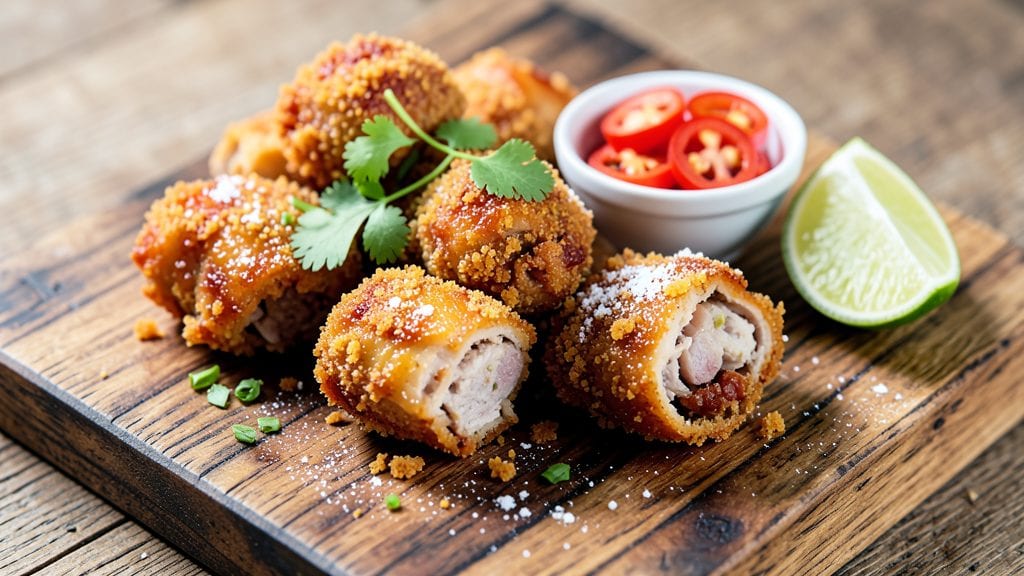
This chicken gizzard fry recipe delivers the perfect balance of crispy golden edges and juicy tender meat—transforming a humble offal into a restaurant-worthy bite. I developed this method after years of experimenting with frying techniques, and the secret lies in proper preparation and precise temperature control.
Gizzards are rich in flavor but require careful handling to achieve that satisfying crunch without drying out the interior.
The process begins with thorough cleaning and marinating to tenderize the meat, followed by a light coating of seasoning that ensures a crispy exterior. Using a deep fryer or heavy pot with enough oil to maintain 350°F creates the ideal environment for even cooking.
The result is a dish that’s bold, satisfying, and perfect for serving with tangy dipping sauces or fresh sides. Safety and texture are prioritized at every step—no shortcuts, just proven results.
What you’ll end up with is a plate of crispy bite-sized gizzards that shatter slightly when bitten into, revealing juicy meat inside. The golden-brown crust gives way to tender, flavorful meat that’s impossible to resist.
This recipe turns a simple fry into a standout main course, whether you’re feeding a crowd or treating yourself to a hearty meal. Let’s get started with the foolproof technique.
For best results, pair these gizzards with a side of cooling coleslaw or a bright lemon aioli to balance the richness. The crispy texture holds up well, making this dish ideal for sharing or meal prepping.
With just a few key steps, you’ll master the art of frying gizzards like a pro—crispy outside, juicy inside, every time.
Ingredients for chicken gizzard fry
Gather these key ingredients for the perfect crispy, juicy chicken gizzard fry experience.
| Ingredient | Amount | Notes |
|---|---|---|
| Chicken Gizzards 🍗 | 1 ½ lb | Fresh, cleaned thoroughly |
| All-Purpose Flour 🌾 | 1 cup | For light coating |
| Cornstarch 🌽 | ½ cup | For extra crispiness |
| Yellow Cornmeal 🌽 | ¼ cup | For texture contrast |
| Garlic Powder 🧄 | 2 tbsp | Freshly ground preferred |
| Onion Powder 🧅 | 1 tbsp | For savory depth |
| Paprika 🌶️ | 1 tbsp | Smoked for extra flavor |
| Ground Black Pepper 🌶️ | 1 tbsp | Freshly cracked |
| Salt 🧂 | 1 ½ tbsp | Kosher preferred |
| Vegetable Oil 🫒 | 4 cups | For frying, 350°F |
| Lemon Juice 🍋 | 2 tbsp | Freshly squeezed |
| Fresh Parsley 🌿 | ¼ cup | Chopped, for garnish |
| Butter 🧈 | 2 tbsp | Unsalted, for serving |
The gizzards are the star—fresh is non-negotiable. Grab them from the butcher counter or a specialty meat shop (they’re often in the offal section). Look for vibrant color and avoid any with a strong ammonia smell. If you’re nervous about cleaning them yourself, many stores sell pre-cleaned gizzards—just ask! Costco or Whole Foods usually carry them, and they’re often cheaper in bulk. The secret to juicy results? Don’t skip the marinating step—even 30 minutes in lemon juice and salt makes a difference. For the coating, Bob’s Red Mill cornmeal adds that perfect crunch, but any fine cornmeal works.
No cornmeal? Panko breadcrumbs work in a pinch, but you’ll lose that slight sweetness. Can’t find smoked paprika? Regular paprika plus a pinch of liquid smoke gets you close. The flour and cornstarch combo is key—it’s what gives that golden, shatteringly crisp crust. If you’re frying for a crowd, double the oil and keep it at exactly 350°F (use a thermometer!). The lemon juice isn’t just for flavor—it tenderizes the meat and keeps the color bright. Fresh parsley? Dried oregano at half the amount works if you’re in a rush, but fresh is definitely worth the extra minute to chop.
Fry these bad boys fresh—they’re best served immediately while still crispy. If you must prep ahead, keep the coated gizzards in the fridge for up to 4 hours (no longer, or they’ll get soggy). The oil? Strain it through a fine-mesh sieve after frying and store it in a jar for 1 month—perfect for future frying adventures. These reheat poorly, so plan to fry just before serving. The leftovers? Toss them in a sandwich with some sharp cheddar and pickles—trust me, they’re even better cold the next day.
Why You'll Love This Recipe
- No Fuss, Big Payoff: I swear by this—just pat the gizzards dry, toss them in flour, cornstarch, and a generous shake of garlic powder, then dredge in that yellow cornmeal. Fifteen minutes later, you’ve got crunchy, golden bites with zero stress.
- That Crunch Factor: Between us, the cornmeal crust is the star here. It’s not just crispy—it’s shatteringly crispy while staying tender inside. Honestly, my kids fight over the last piece, and I haven’t even mastered the perfect fry yet.
- Game for Any Meal: Slap these on a plate with pickles and hot sauce for a quick lunch, or serve them as a side at dinner. They’re even great cold in sandwiches—yes, really. (I’ve tested it.)
- Budget Magic: A pound of gizzards feeds four for under $5. That’s a full meal for less than takeout, and the leftovers? Reheat in the air fryer—no soggy bits, just flavor every time. My wallet and my taste buds thank me.
Step-by-step instructions for crispy chicken gizzard fry
Here's how to transform tough gizzards into irresistibly crispy, juicy bites—every time.
Prep and Cut the Chicken Gizzards
Start by cleaning the 1.5 lb chicken gizzards thoroughly under cold water, removing any connective tissue or membranes. Rinse them well and pat completely dry with paper towels—this step is non-negotiable for crispiness. Using a sharp knife, cut each gizzard into bite-sized pieces (about ½-inch thick). The smaller the pieces, the faster they'll cook and the crispier they'll become.
Here's the thing—don't skip the drying step. Any moisture left on the gizzards will steam instead of crisp during frying. I like to work in batches, keeping the cut pieces on a paper towel-lined plate while I prep the next ones. This prevents them from sticking together before frying.
Create the Perfect Crispy Coating
In a large bowl, combine the 1 cup all-purpose flour, 0.5 cup cornstarch, 0.25 cup yellow cornmeal, 2 tbsp garlic powder, 1 tbsp onion powder, 1 tbsp paprika, 1 tbsp ground black pepper, and 1.5 tbsp salt. Mix thoroughly with your hands or a whisk until the spices are evenly distributed. The cornstarch and cornmeal create that perfect crunchy exterior, while the spices add incredible depth of flavor.
Add the cut gizzard pieces to the dry mixture and toss gently to coat them evenly. You'll notice the coating clings better if the gizzards are completely dry. Let them sit in the coating for 10 minutes—this helps the spices adhere and creates a thicker, more stable crust. Don't rush this; patience here makes all the difference for that crispy texture.
Fry to Golden Perfection
Fill a deep skillet or Dutch oven with 4 cups vegetable oil and heat it to 350°F. Use a deep-fry thermometer to monitor the temperature—this is crucial for even cooking. Once the oil reaches temperature, carefully add the coated gizzard pieces in batches, leaving space between them so they don't stick together. Fry for 5-6 minutes, turning occasionally, until they're deep golden brown and floating at the surface.
Here's where the magic happens: the gizzards should be crispy outside with juicy, tender meat inside. If you notice the oil temperature dropping significantly, reduce the heat slightly to maintain 350°F. Remove the fried gizzards with a slotted spoon and drain them on a paper towel-lined plate. They'll stay crispy if you work quickly and don't overcrowd the fryer.
Finish with Zesty Flavor
While the gizzards are still hot, toss them gently with 2 tbsp lemon juice to brighten the flavors and cut through any richness. The acidity in the lemon juice also helps maintain that crispy texture. Sprinkle with 0.25 cup chopped fresh parsley for a pop of color and freshness. Serve immediately with 2 tbsp melted butter for dipping—trust me, this takes these bites to another level.
Real talk: these gizzards are best served right away while they're still crispy. If you need to hold them for a bit, keep them warm in a 200°F oven on a wire rack to prevent sogginess. The contrast of crispy outside and juicy inside is what makes this recipe truly special—don't let them sit too long after frying.
Pro Tips For Making Chicken Gizzard Fry
- PREP GIZZARDS RIGHT: Split them open with kitchen shears, then scrape out the gristle and membrane—this isn’t just about cleaning, it’s about texture. Skip this, and you’ll end up chewing rubber instead of crispy bites.
- MIX YOUR CRUST WET: Combine flour, cornstarch, and cornmeal dry, then add cold water (about 2 tablespoons) to form a stiff paste before dipping. This keeps the coating from falling off mid-fry—trust me, I’ve seen it happen.
- DOUBLE-FRY LOW AND SLOW: First fry at 325°F (163°C) for 4 minutes to render fat and cook through, then crank to 375°F (190°C) for the final 2 minutes. Rushing the second fry = greasy gizzards, not crispy ones.
- SALT THE OIL: Add 1 teaspoon of kosher salt to the hot oil before frying—it seasons the crust and keeps the gizzards from absorbing excess grease. (Yes, even if your recipe says “season the gizzards.”)
Troubleshooting this recipe
Oil Too Hot
If your gizzards turn brown too quickly but stay raw inside, your oil is too hot. I’ve seen this happen when using a high-heat burner without proper monitoring. Immediately reduce heat to maintain 350°F—anything above 375°F will burn the coating before the meat cooks through.
Use a thermometer like the Thermoworks Deep Fry to stay precise. If the oil smokes excessively, turn off the heat and let it cool slightly before continuing.
Gizzards Staying Soggy
Soggy gizzards usually mean moisture wasn’t fully removed before frying. Double-check that your pieces are completely dry after rinsing—pat them with paper towels until no moisture remains. Another culprit? Overcrowding the fryer. Fry in small batches with enough space between pieces so they don’t steam.
If you’re short on time, let the coated gizzards rest for 15 minutes before frying to help the coating set.
Uneven Cooking
Uneven cooking often happens when gizzard pieces vary in size or the oil temperature fluctuates. Cut all pieces to ½-inch thickness for consistency. For large batches, maintain oil temp by adding 1-2 tbsp extra oil if it drops below 350°F during frying.
I also recommend using a Dutch oven—its thick base helps stabilize heat better than a thin skillet. Stir the oil gently before adding new batches to ensure even distribution.
Coating Falling Off
A coating that won’t stick usually means the gizzards weren’t dry enough or the coating mixture wasn’t mixed thoroughly. First, ensure your gizzards are bone-dry before tossing in the flour blend. Second, mix the dry ingredients by hand to break up any clumps—this ensures even distribution.
For extra adhesion, chill the coated gizzards in the fridge for 10 minutes before frying. This helps the coating firm up slightly.
Oil Smoking Excessively
Excessive smoking indicates your oil is past its prime or overheating. If you’re using vegetable oil, it can handle 350°F repeatedly, but repeated high-heat use breaks it down. Strain and replace oil after 3-4 uses to prevent off-flavors.
For immediate fixes, reduce heat to medium-low until smoking stops, then gradually bring it back to 350°F. Keep a lid nearby—covering the fryer can help contain smoke while maintaining temperature.
Gizzards Taste Bland
Bland flavor often means the seasoning wasn’t distributed evenly or the gizzards weren’t properly marinated. Before coating, toss the cleaned gizzards with 1 tbsp lemon juice and ½ tsp salt for 30 minutes to tenderize and enhance flavor.
When mixing the coating, use your fingers to press spices into the gizzards—don’t just toss. For extra depth, add ½ tsp smoked paprika directly to the coating blend. A final squeeze of lemon at serving time also brightens the flavor profile.
Nutrition facts
Frequently asked questions
Can I use frozen chicken gizzards for frying?
Fresh gizzards yield the best results, but you can use frozen if necessary. Thaw them completely in the refrigerator overnight, then follow the same prep steps—clean thoroughly, pat completely dry, and cut into ½-inch pieces. Never thaw at room temperature, as this promotes bacterial growth. The texture may be slightly less tender than fresh, but they'll still crisp up beautifully when fried.
How do I know when the gizzards are fully cooked?
They're done when the internal temperature reaches 165°F and they float to the surface, turning deep golden brown. Use a meat thermometer to check the thickest piece—this ensures they're juicy inside without being overcooked. If they sink, they need a few more minutes. The coating should shatter slightly when bitten, revealing tender meat underneath.
What's the best way to store leftover fried gizzards?
Store them in an airtight container at room temperature for up to 2 hours (they lose crispiness after that). For longer storage, refrigerate for 3-4 days or freeze for 1 month. Reheat in a 350°F oven for 10 minutes to restore some crispness, but they won't be as perfect as fresh-fried. The texture changes significantly after reheating—best enjoyed immediately!
Can I make this recipe without cornmeal?
Swap the cornmeal for ½ cup panko breadcrumbs or ¼ cup crushed cornflakes to maintain texture. For extra crunch, add 1 tbsp rice flour to the flour blend. The key is keeping the coating dry and well-adhered. If you're avoiding gluten, use cornstarch only—just expect a slightly less crisp result. The flavor won't change, just the texture.
Why do my gizzards turn out greasy instead of crispy?
Greasy gizzards usually mean the oil wasn't hot enough (350°F) or they were fried too long. Maintain precise temperature with a thermometer and fry in small batches to avoid dropping the oil temp. Drain on a wire rack instead of paper towels to let excess oil drip away. For extra crispiness, double-coat the gizzards—dip in beaten egg first, then the flour blend.