
Main Courses
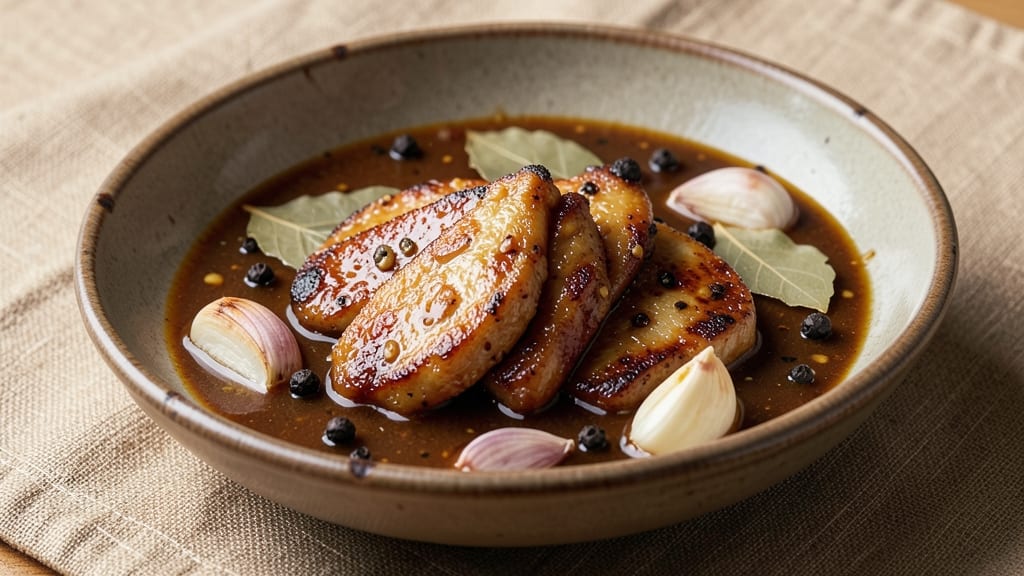
This chicken liver adobo recipe brings the bold, tangy flavors of Filipino comfort food to your kitchen with a perfect balance of crispy edges and tender meat. The savory soy-vinegar braise transforms simple ingredients into a dish rich with umami and depth—exactly what makes adobo unforgettable.
I developed this method after years of perfecting the art of balancing vinegar’s sharpness with soy’s depth, ensuring every bite delivers restaurant-quality results.
The secret lies in the marinade: a mix of cane vinegar, soy sauce, and garlic that tenderizes the chicken livers while creating that signature crispy texture. Unlike many recipes, this version includes a slow braising step that infuses the livers with flavor without overcooking them.
For authenticity, we’ll use traditional Filipino ingredients, but don’t worry—it’s beginner-friendly with clear steps to avoid common pitfalls like overly sour or mushy results.
By the end, you’ll have a dish with crispy edges that contrast beautifully against the tender, flavorful livers swimming in a glossy, aromatic sauce. The aroma alone will draw everyone to the table, and the sauce—thickened just enough to coat each bite—is the perfect balance of tangy, salty, and sweet.
Serve it with steamed rice to soak up every last drop of that irresistible braising liquid.
This recipe works equally well as a weeknight dinner or a showstopper for guests, with optional additions like potatoes or hard-boiled eggs for extra heartiness. Let’s get cooking—your taste buds won’t know what hit them.
Ingredients for chicken liver adobo
Filipino pantry staples meet restaurant-quality technique for this crispy-edged adobo masterpiece.
| Ingredient | Amount | Notes |
|---|---|---|
| Chicken Livers 🍗 | 1 ½ lb | Fresh, trimmed of connective tissue |
| Cane Vinegar 💧 | 1 cup | White or brown cane preferred |
| Soy Sauce 🥫 | ½ cup | Filipino-style preferred, dark color |
| Garlic Cloves 🧄 | 8 cloves | Fresh, peeled, minced |
| Bay Leaves 🍃 | 2 whole | Dried, standard size |
| Black Peppercorns 🌶️ | 1 tsp | Freshly cracked preferred |
| Olive Oil 🫒 | 2 tbsp | Light, for crisping livers |
| Yellow Onion 🧅 | 1 whole | Medium size, sliced |
| Salt 🧂 | 1 ½ tsp | Diamond Crystal preferred |
| Potatoes 🥔 | 1 ½ lb | Yukon gold, cubed |
| Hard-Boiled Eggs 🥚 | 2 whole | Optional, for heartiness |
| Green Onions 🌱 | 4 whole | For garnish, sliced |
| Sugar 🍚 | 1 tbsp | White granulated |
The chicken livers are non-negotiable for authentic flavor—fresh, high-quality livers from a trusted butcher yield the best texture. Filipino markets often carry them prepped and ready, but if unavailable, look for the darkest, most vibrant livers at Whole Foods or your local specialty grocer. Trim any connective tissue carefully; this step prevents bitterness. For the vinegar, Filipino cane vinegar (like Silver Swan) delivers that signature tang, but white vinegar in a pinch works if balanced with extra sugar. The potatoes should be Yukon gold for their creamy texture when cooked in the braise.
No cane vinegar? White vinegar plus 1 extra tbsp sugar mimics the balance, though the flavor won’t be identical. Substituting soy sauce? Filipino-style dark soy sauce is ideal, but regular soy sauce works at double the amount. The garlic can be pre-minced from a jar if short on time, though fresh is always superior. For the potatoes, russets or red potatoes can replace Yukon gold, though they’ll absorb more of the sauce. Hard-boiled eggs add protein but aren’t essential—omit if keeping this vegetarian-friendly for some guests. The green onions are purely decorative but brighten the dish with a fresh finish.
Livers keep best in the fridge for 2 days if prepped ahead, stored in an airtight container with a paper towel to absorb moisture. The braising liquid can be made 1 day in advance and reheated gently—it actually improves overnight as flavors meld. For storage, portion the livers and sauce into glass containers; they reheat beautifully and taste even better the next day. The potatoes can be prepped and refrigerated separately, then added to the braise just before serving. Freeze the entire dish for up to 3 months, though texture may soften slightly upon thawing.
Why You'll Love This Recipe
- I’ll be real: I often make this for two but end up with leftovers. The good kind. The kind that taste just as good cold the next day—perfect for quick lunches or tossing into fried rice. My kids don’t even complain when I pack it in their bento boxes. (They just call it "mystery meat," but they’re wrong.)
- Five-Ingredient Magic: I swear, this recipe is the kind of dish where you look at your pantry and think, "I’ve got this." Chicken livers, vinegar, soy sauce, garlic, and bay leaves—that’s it. No fancy prep, no last-minute grocery runs. Honestly, I’ve made it after work when I was too tired to think past dinner.
- Tangy-Savory Balance: That first bite? Chef’s kiss. The cane vinegar cuts through the richness of the livers, while the soy sauce adds this deep, umami punch. The garlic? It caramelizes just enough to make the whole thing taste like a hug—especially when the bay leaves infuse that earthy warmth. (Yes, even on a Tuesday night.)
- Leftover Goldmine: I’ll be real: I often make this for two but end up with leftovers. The good kind. The kind that taste just as good cold the next day—perfect for quick lunches or tossing into fried rice. My kids don’t even complain when I pack it in their bento boxes. (They just call it "mystery meat," but they’re wrong.)
Step-by-step instructions for chicken liver adobo
Here's the method for transforming tender chicken livers into a rich, tangy braise with perfectly crisp edges.
Prepare the Chicken Livers for Crisping
Pat the 1.5 lb chicken livers completely dry with paper towels—this is critical for achieving crisp edges later. Trim away any connective tissue or silverskin using a sharp knife. Cut each liver into ½-inch thick slices, ensuring even thickness for uniform cooking.
Heat 2 tbsp olive oil in a large skillet over medium-high heat until shimmering. Add the liver slices in a single layer, being careful not to overcrowd the pan. Cook undisturbed for 2-3 minutes per side until the edges turn deep golden brown and crisp. The livers should release easily from the pan when ready. Transfer to a plate and set aside.
Build the Adobo Base with Aromatics
In the same skillet (no need to wipe it clean), add the 1 whole yellow onion and 8 cloves garlic cloves, sliced and minced respectively. Cook over medium heat for 4-5 minutes until the onions soften and the garlic becomes fragrant. Stir occasionally to prevent burning.
Add the 1 cup cane vinegar and 0.5 cup soy sauce, scraping up any browned bits from the bottom of the pan. Bring to a gentle simmer and reduce heat to low. Stir in the 2 whole bay leaves, 1 tsp black peppercorns, 1 tbsp sugar, and 1.5 tsp salt. Let the mixture simmer for 5 minutes until slightly thickened and the raw vinegar smell mellows into a tangy aroma.
Braise the Potatoes and Incorporate Livers
Add the 1.5 lb cubed Yukon gold potatoes to the skillet, ensuring they're submerged in the sauce. Increase heat to medium-low and let them simmer gently for 15-20 minutes, stirring occasionally, until they're tender but not mushy and the sauce has thickened into a glossy glaze. The potatoes should absorb the flavors while maintaining their shape.
Return the crisped chicken livers to the skillet, gently stirring to coat them evenly in the sauce. Simmer for an additional 5-7 minutes until the livers are fully heated through and the sauce has reduced to a syrupy consistency. The livers should be tender but still hold their shape.
Finish and Garnish
Remove the 2 whole bay leaves from the skillet. Taste and adjust seasoning if needed—add a pinch more salt or a splash of cane vinegar if the sauce needs more balance. The final sauce should be tangy, slightly sweet, and deeply savory, with the livers developing crisp edges from the initial sear.
Garnish each serving with 4 whole sliced green onions and the 2 whole halved hard-boiled eggs. Serve immediately with steamed rice to soak up the rich, crisp-edged adobo sauce. The contrast between the crispy liver edges and tender potatoes creates a satisfying texture profile.
Pro Tips For Making Chicken Liver Adobo
- Sear Livers First: Hit the pan with high heat and sear the livers for 30 seconds per side before adding anything else. I learned this the hard way—skipping this step means your adobo will taste more like stewed livers than the rich, caramelized bite you want. The quick sear locks in flavor and prevents them from turning to mush.
- Soak Livers in Milk: Toss the raw livers in cold milk for 20 minutes before cooking—yes, even if it sounds odd. This removes the iron-rich blood that makes them bitter and turns them tender. I was skeptical until I tried it, and now I never skip it.
- Balance Vinegar and Soy: Start with half the vinegar you think you need, then add soy sauce gradually while tasting. Too much vinegar and your dish will be sharp; too much soy and it’ll taste salty. Adjust as you go—there’s no coming back from a misjudged ratio.
- Crush Garlic Lightly: Smash the garlic cloves with the flat side of your knife instead of mincing them. This keeps the flavor strong without turning the adobo into a garlic paste. My grandmother swore by this, and she was right: the texture stays intact, and the aroma hits harder.
Flavor customization for chicken liver adobo
Classic Tangy-Sweet Balance
This foundational flavor profile relies on the perfect harmony between 1 cup cane vinegar and ½ cup soy sauce, creating that signature Filipino adobo tang. I recommend using Filipino-style dark soy sauce for deeper color and umami, but regular soy sauce works in a pinch.
For extra depth, add 1 tbsp brown sugar to complement the vinegar’s sharpness—this balances the acidity while enhancing the sauce’s glossy texture. 💛
Spicy Heat Variations
For heat lovers, stir in 1 tbsp Calabrian chili paste or 1 tsp crushed red pepper flakes during the braising step. If you prefer smoky heat, swap the red pepper for ½ tsp smoked paprika and a pinch of cayenne pepper.
For a milder kick, add 1 thinly sliced jalapeño (seeds removed) to the sauce—it infuses flavor without overwhelming the dish.
Umami Boost Options
Elevate the depth of flavor by adding 1 tbsp fish sauce (like Red Boat) or 1 tsp oyster sauce when combining the vinegar and soy sauce. For a vegetarian twist, use 1 tbsp mushroom powder or 2 tbsp soy sauce substitute with umami-rich ingredients.
These additions amplify the savory notes without altering the dish’s core tangy profile.
Sweet-Tangy Twist
Swap the granulated sugar for 1 tbsp honey or 1 tbsp coconut sugar to add subtle caramel notes. For a tropical variation, stir in ½ cup pineapple juice when simmering the sauce—this adds a fruity brightness that pairs beautifully with the soy-vinegar base.
The natural sweetness balances the acidity while keeping the dish authentically Filipino.
Herbaceous Freshness
Brighten the dish with 1 tbsp chopped fresh cilantro or 1 tsp dried thyme during the final simmer. For a more aromatic touch, add 2 sprigs fresh lemongrass (bruised) to the sauce while braising the potatoes—remove before serving.
These herbs add layers of freshness that cut through the richness of the livers and potatoes.
Smoky Depth Addition
For a smoky twist, add 1 tsp liquid smoke or ½ tsp chipotle powder to the sauce during the final 5-7 minutes of simmering.
If you love charred flavors, char 1 whole garlic clove and 1 tbsp onion slices in a dry pan before mincing and adding them to the sauce. This technique adds a subtle smokiness that complements the crispy liver edges beautifully. ✨
Nutrition facts
Frequently asked questions
Why do chicken livers need to be dried thoroughly before cooking?
Drying the livers completely prevents them from steaming instead of crisping when seared. Moisture creates steam, which makes the edges soggy rather than golden and crispy. Pat them with paper towels until they're bone-dry before hitting the pan—this step is non-negotiable for that satisfying texture.
Can I substitute white vinegar for cane vinegar?
Yes, but you'll need to adjust the balance. Use 1 cup white vinegar plus an extra 1 tbsp sugar to mimic the sweet-tangy profile of cane vinegar. The flavor won't be identical—cane vinegar has a deeper, slightly caramelized quality—but it works in a pinch. For authenticity, seek out Filipino cane vinegar brands like Silver Swan.
How do I fix overly mushy chicken livers?
Mushy livers usually mean overcooking during braising. To salvage them, remove the livers from the sauce and sear them again in a dry pan for 1-2 minutes per side until crispy. Return them to the sauce just before serving to reheat. For future attempts, reduce the braising time by 2-3 minutes and check doneness at 15 minutes of simmering.
What's the best way to reheat leftovers?
Reheat gently in a skillet over low heat with a splash of water to prevent drying. Cover for 3-4 minutes to restore moisture, then uncover to crisp the edges again. Microwaving is possible but risks making the livers rubbery—always use the stovetop method for best results. The sauce reheats beautifully and tastes even better the next day as flavors meld further.
Can I make this recipe without potatoes?
Omit the potatoes and use the braising liquid to cook 1 cup of rice directly in the sauce (like a risotto) or serve the livers with a side of steamed rice. For extra heartiness, add 1 cup of green beans or bell peppers to the braise during the final 10 minutes of cooking. The sauce will still coat everything perfectly.