
Sauces & Condiments
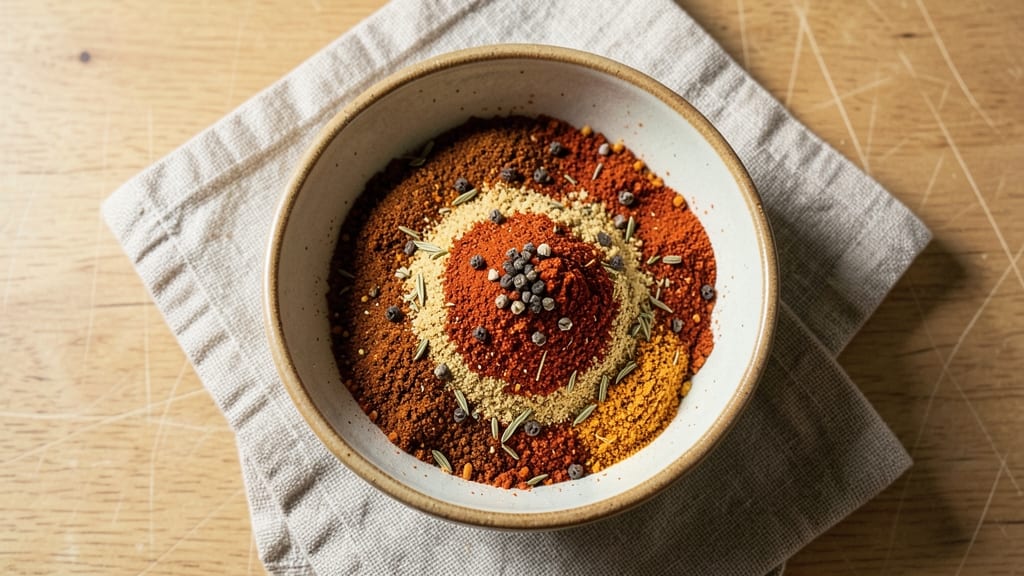
Creating a Philly chicken seasoning recipe that delivers authentic steakhouse flavor in every bite starts with the right blend of spices. This dry rub transforms ordinary chicken into restaurant-quality Philly cheesesteak-style bites with just a sprinkle—no fancy equipment or complicated steps required.
The secret lies in balancing smoky, savory, and slightly sweet notes that mimic the iconic cheesesteak seasoning.
This professional-grade seasoning mix uses eight simple ingredients measured precisely in tablespoons and teaspoons, making it easy to replicate the bold flavors of a real Philly cheesesteak. Whether you're seasoning grilled chicken, roasting potatoes, or adding depth to a marinade, this blend delivers consistent, restaurant-quality results every time.
The spices are shelf-stable for up to six months, so you can keep a jar on hand for quick flavor boosts.
What makes this seasoning truly special is its versatility—it works on everything from chicken strips to roasted vegetables, adding that signature Philly flavor without the need for cheese. The blend includes key spices like garlic powder, onion powder, and paprika, which create a rich, aromatic crust when applied to meat.
For best results, apply generously before cooking and store any leftovers in an airtight container.
Perfect for meal prep, game day, or a quick weeknight dinner, this seasoning transforms simple ingredients into something extraordinary. Once you try it, you’ll never settle for store-bought blends again. Let’s get started on creating your own flavor-packed jar of Philly magic.
Ingredients for chicken philly seasoning
Eight spices, one jar—transform chicken into Philly cheesesteak magic with this bold seasoning blend.
| Ingredient | Amount | Notes |
|---|---|---|
| Chili Powder 🌶️ | 2 tbsp | Medium heat preferred for balance |
| Garlic Powder 🧄 | 1 ½ tbsp | Non-iodized preferred for purity |
| Onion Powder 🧅 | 1 ½ tbsp | Freshly ground if possible |
| Smoked Paprika 🌶️ | 1 tbsp | For authentic smoky depth |
| Dried Oregano 🌿 | 1 tsp | Mexican oregano for authentic flavor |
| Ground Black Pepper 🌶️ | 1 tsp | Freshly ground for best flavor |
| Diamond Crystal Kosher Salt 🧂 | 1 tsp | For even distribution |
| Granulated Sugar 🍚 | ½ tsp | Balances savory flavors |
The chili powder and smoked paprika are your flavor anchors here. Penzeys or Trader Joe's carry the best quality—look for vibrant red color and no dusty smell. Mexican oregano is a game-changer (find it at Latin markets or Whole Foods), but regular oregano works in a pinch. The garlic and onion powders should be labeled 'non-iodized'—iodized can add metallic notes. For the sugar, Domino or C&H brands are reliable, but any granulated works. Store your spices in airtight containers away from light to preserve their punch for up to 6 months.
No smoked paprika? Regular paprika plus a pinch of liquid smoke gets you close. Short on Mexican oregano? Italian oregano at half the amount works, though it's slightly less complex. Want more heat? Add ½ tsp cayenne. For a sweeter profile (like classic cheesesteak), bump the sugar to 1 tsp. The kosher salt is crucial—it distributes more evenly than table salt, so don't skip it. If you're using this on vegetables, you might want to double the smoked paprika for extra depth.
This blend keeps indefinitely in a cool, dark place—glass jars with tight seals are ideal. Once mixed, store in an airtight container for up to 6 months. For best results, shake before each use to redistribute the spices evenly. A little goes a long way—start with 1 tbsp per pound of chicken and adjust to taste. The sugar will caramelize slightly when cooking, adding that signature cheesesteak sweetness without actual cheese.
Why You'll Love This Recipe
- Pantry Magic: I swear by this mix—no fresh herbs, no fancy prep, just five spices from your cabinet. The smoked paprika alone gives it that deep, smoky backbone, while the garlic and onion powders sneak in layers of flavor without a single chop.
- Philly Worthy: That perfect balance of heat, smokiness, and earthiness? It’s what makes grilled chicken taste like it came from a food truck. Honestly, my kids think it’s takeout—no shame in that.
- Meal Prep MVP: Toss this on chicken thighs for a weeknight dinner, sprinkle it on roasted potatoes, or even mix it into scrambled eggs. Between us, I’ve used it on everything from tacos to deviled eggs, and it never lets me down.
- Budget-Friendly Boost: A single batch costs pennies and stretches across meals. I make a big jar and keep it in my spice rack—because nothing beats that crispy, seasoned chicken without breaking the bank or complicating my life.
Step-by-step instructions for creating Philly chicken seasoning
Here's how to blend these bold spices into a perfect, restaurant-worthy seasoning.
Measure All Ingredients Precisely
Start by gathering all your ingredients and measuring them exactly as listed. I use a small mixing bowl and a digital scale for accuracy, especially with the fine powders. The 2 tablespoons chili powder should be the base of your blend—this gives that signature Philly heat without overwhelming the other flavors. For the garlic and onion powders, I recommend using freshly ground versions if possible—they pack more aromatic punch than pre-ground spices from a can.
Sprinkle the 1.5 tablespoons garlic powder and 1.5 tablespoons onion powder directly into the bowl. These will form the savory backbone of your seasoning. The 1 tablespoon smoked paprika adds that essential smoky depth that makes this blend taste like a true Philly steakhouse creation. Don't skip this—it's what transforms ordinary chicken into something special. As you measure, give each ingredient a quick sniff to appreciate their individual aromas before combining.
Combine Dry Ingredients Thoroughly
Using a whisk or small fork, gently fold together the chili powder, garlic powder, onion powder, and smoked paprika. The goal here is to distribute these base ingredients evenly without creating any clumps. I like to whisk in a circular motion for about 30 seconds to ensure complete integration. You'll notice the mixture taking on a rich, reddish-brown hue—this is exactly what you want for that classic Philly look.
Next, add the remaining ingredients: 1 teaspoon dried oregano, 1 teaspoon ground black pepper, 1 teaspoon diamond crystal kosher salt, and 0.5 teaspoon granulated sugar. The oregano brings earthy warmth, while the black pepper adds a sharp contrast. The salt enhances all flavors, and the tiny amount of sugar—just half a teaspoon—balances the heat and creates a subtle caramelization when used on meat. Whisk these final ingredients into the mixture until everything is completely homogeneous. At this point, your seasoning should look like a fine, even powder with no visible streaks of any single ingredient.
Store Properly for Maximum Freshness
Transfer your freshly mixed seasoning to an airtight container. I prefer small glass jars with tight-sealing lids—they preserve flavor better than plastic and let you see the beautiful reddish-brown blend inside. Tap the container gently to settle the seasoning and remove any air pockets. The key to long-term flavor is minimizing exposure to moisture and air, which can cause spices to lose their potency.
Label your container with the date and contents. This blend will keep its best flavor for about 3 months when stored in a cool, dark pantry. For even better results, divide the seasoning into smaller portions after making—this way, you're not repeatedly opening the container, which lets moisture in. When you're ready to use it, simply shake the jar well before each application to ensure even distribution of all those carefully measured spices.
Pro Tips For Making Chicken Philly Seasoning
- SIFT THE SPICES: I learned this the hard way—don’t just dump all the spices into one pile and measure blindly. Use a fine-mesh strainer to sift each powder (especially the chili and smoked paprika) right into your measuring spoon. This guarantees even distribution and cuts out clumps that’ll make your seasoning taste uneven.
- TOAST THE PAPRIKA: Smoked paprika loses its depth when it sits in a hot pan too long. Instead of adding it raw, toast it dry in a small skillet over medium-low heat for 30 seconds—just until you smell that smoky aroma. Then mix it in last. (Yes, even if you’re impatient like me.)
- BALANCE THE HEAT: Chili powder varies wildly in spice level, and skipping this step ruined my first batch. Taste your dry mix before adding salt—if it’s too fiery, cut back on chili powder by 10% and add a pinch of sugar or a dash of cinnamon to mellow it. (Your future self will thank you.)
- USE A MORTAR AND PESTLE: This isn’t the prettiest method, but it’s the tastiest. If you want that restaurant-quality depth, crush the dried oregano leaves between your palms first, then grind the whole mix (including spices) in a mortar for 30 seconds. The friction releases oils that make the seasoning cling better to the chicken. (I know, I know—but trust the process.)
Regional styles of this chicken philly seasoning
Philly Steakhouse Roots
This seasoning blend draws direct inspiration from the iconic Philly cheesesteak tradition, where thinly sliced beef gets tossed in a mix of garlic, onion, and spices before hitting the grill.
The original recipe was born in Pat's King of Steaks in 1930, where the seasoning was simple but bold—just garlic, onion, and black pepper. My version expands on that foundation with smoked paprika for that signature smoky char and chili powder for subtle heat, while keeping the garlic-onion backbone intact.
The tiny amount of sugar mimics the caramelization that happens when steak sits on hot grates. 🌶️
Pennsylvania Dutch Influence
The Pennsylvania Dutch region surrounding Philadelphia brought hearty, flavorful cooking traditions that still influence modern Philly cuisine. This seasoning reflects those roots with oregano (a staple in Dutch cooking) and the kosher salt preference common in Pennsylvania kitchens.
The Dutch also popularized pickled vegetables and smoked meats, both of which share this blend's love of bold, aromatic spices. Try using this seasoning on smoked sausage or roasted cabbage for an authentic regional twist.
New York vs. Philly Debate
While New York-style steak sandwiches focus on caramelized onions and hoagie rolls, Philly's version prioritizes garlic, onion powder, and a quick char. This seasoning captures that essence perfectly—no onions needed! The key difference is the smoked paprika, which gives it that distinctive Philly grillhouse aroma.
New Yorkers might add more salt, but we're keeping it authentic to the original Philly profile. For a true test, grill some chicken with this blend and compare it to a New York-style seasoning side by side.
Modern Fusion Twists
Today's Philly chefs are putting creative spins on classic seasonings. Some add a pinch of cinnamon for warmth (inspired by Middle Eastern influences) or a dash of cumin for earthiness. I've kept it traditional, but if you want to experiment, try adding ½ teaspoon cumin for a North African-Philly fusion.
The sugar in this blend already gives it a subtle sweetness that works beautifully with grilled pineapple—a modern pairing you'd never see in 1930s Philly but that works surprisingly well today. 🍍
Game Day Staple
This seasoning became a Philly Eagles football tradition in the 2000s, when fans started using it on chicken wings and sliders at tailgates. The Eagles' home stadium, Lincoln Financial Field, even serves Philly cheesesteak-style chicken during games.
For ultimate game-day appeal, toss chicken tenders in this blend, grill them, and serve with caramelized onions and sriracha mayo—a perfect fusion of classic and modern Philly flavors. The smoky depth makes it stand out against the crowd of BBQ and buffalo wings.
Nutrition facts
Frequently asked questions
Can I use this seasoning on foods other than chicken?
This bold blend works beautifully on grilled steak, roasted potatoes, corn on the cob, or even smoked sausage. The smoky, savory profile enhances any protein or starchy side. Try it on portobello mushrooms for a vegetarian option that mimics the cheesesteak experience. Just remember to adjust the amount—1 tbsp per pound of meat is ideal.
How do I adjust the heat level in this seasoning?
For milder heat, reduce the chili powder to 1 tbsp and replace with ½ tsp extra sugar. For extra spice, add ½ tsp cayenne pepper or ½ tsp crushed red pepper flakes. The smoked paprika already adds depth without heat, so keep that amount unchanged. Always taste as you go—start with half the adjustment and build gradually.
Can I make this seasoning without smoked paprika?
Yes! Replace the 1 tbsp smoked paprika with 1 tbsp regular paprika plus ¼ tsp liquid smoke (found in baking aisles). For a smokier alternative, try ½ tsp chipotle powder in place of the smoked paprika. The flavor won't be identical, but you'll still get that signature Philly depth. The key is balancing the smokiness with the garlic and onion powders.
Why does my homemade blend taste different from store-bought Philly seasoning?
Store-bought versions often include MSG or artificial flavors that enhance umami, while this recipe uses only natural spices. The smoked paprika and Mexican oregano create a more complex profile than basic blends. For a closer match, add ½ tsp celery salt (common in commercial mixes) or a pinch of ground coriander for extra depth. The sugar in this recipe also caramelizes differently than processed blends.
How long does this seasoning last once mixed?
When stored in an airtight container in a cool, dark place, this blend stays fresh for 3-6 months. The smoked paprika and chili powder are the most perishable components, so check for strong aromas before use. For longer storage, divide into small portions and refrigerate—it'll keep flavorful for up to 1 year. Freezing isn't recommended as it can degrade the spices' potency over time.