Appetizers
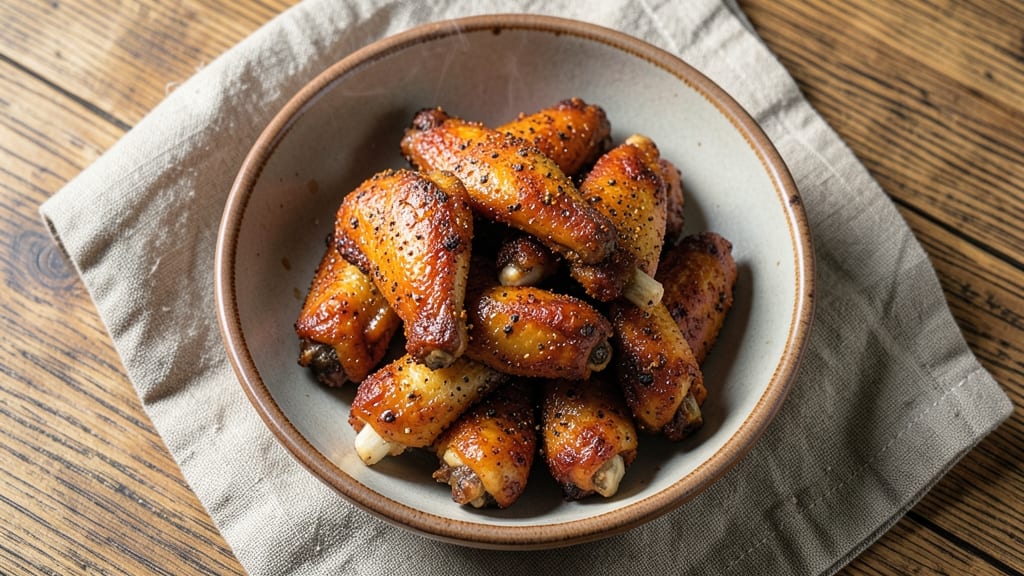
Mastering a dry rub fried chicken wings recipe transforms ordinary appetizers into a crowd-pleasing centerpiece that delivers crunchy bark and juicy bites every time. Growing up in small-town Georgia, I learned the secret to perfect fried wings isn't just the oil temperature—it's the balance of spices in that dry rub.
This method delivers restaurant-quality results without shortcuts, using a precise blend of paprika, garlic powder, and cayenne that creates a flavorful crust while keeping the meat tender inside.
The key lies in the technique: coating wings in the dry rub twice before frying ensures maximum flavor penetration, while maintaining the right oil temperature (350°F) guarantees a golden, crispy exterior.
The process is straightforward but requires attention to detail—prepping the wings properly, frying in small batches, and draining on a wire rack to maintain that coveted crunch. This isn't just another appetizer; it's a method that builds confidence in your cooking skills.
What you'll end up with is wings that are juicy and perfectly seasoned, with a crispy bark that shatters at every bite. The dry rub creates a flavor profile that's both bold and balanced, making these wings ideal for game day gatherings or weeknight snacks.
Serve with classic ranch or a tangy honey mustard sauce for the ultimate combination of textures and flavors. The secret to success? Precision in every step—from the rub to the fry.
This recipe scales beautifully for parties or meal prep, and the dry rub can be adjusted to suit different taste preferences. Whether you're feeding a crowd or treating yourself to a satisfying snack, these wings deliver professional-quality results at home.
Let's get started with the complete method that transforms simple ingredients into an unforgettable dish.
Ingredients for dry rub fried chicken wings
The foundation of restaurant-quality wings starts with these carefully balanced ingredients.
| Ingredient | Amount | Notes |
|---|---|---|
| Chicken Wings 🍗 | 3 ½ lb | Split into drumettes and flats |
| Sweet Paprika 🌶️ | 2 tbsp | Smoked paprika for deeper flavor |
| Garlic Powder 🧄 | 1 ½ tbsp | Freshly ground preferred |
| Onion Powder 🧅 | 1 ½ tbsp | For balanced seasoning |
| Ground Black Pepper 🌶️ | 1 tbsp | Freshly cracked for intensity |
| Ground Cumin 🌿 | 1 tsp | Toasted for aromatic depth |
| Cayenne Pepper 🔥 | ½ tsp | Adjust for heat preference |
| Kosher Salt 🧂 | 1 ½ tsp | Diamond Crystal preferred |
| Cornstarch 🌾 | ½ cup | For extra crispiness |
| Vegetable Oil 🫒 | 4 cups | High smoke point required |
| Butter 🧈 | ¼ cup | Melted, for basting |
| Fresh Lemon Juice 🍋 | 2 tbsp | Brightens final flavor |
| Ice ❄️ | 2 cups | For post-fry chilling |
The chicken wings should be fresh, never frozen, for optimal texture. Local butcher shops often carry the best quality, but grocery store brands like Perdue or Bell & Evans work well too. For game day prep, buy an extra pound—everyone always wants seconds. The cornstarch is non-negotiable; it creates that signature crunch while the paprika and cayenne deliver the signature Southern heat. Penzeys Spices carries excellent pre-mixed blends, but I prefer measuring each component individually for precision. Toast your spices in a dry pan for 30 seconds before mixing—the aroma alone makes it worth the extra minute.
No sweet paprika? Substitute smoked paprika at half the amount for deeper complexity. Running low on cayenne? Red pepper flakes work in a 1:1 ratio, though they're slightly coarser. The butter basting can be swapped for melted bacon fat if you prefer a smokier profile. For the oil, vegetable or peanut oil are ideal, but avoid olive oil—its low smoke point makes crisping difficult. Prepping ahead? Mix the dry rub ingredients in a resealable plastic bag with a quart of cornstarch to prevent clumping. Store in an airtight container for up to two weeks—just shake to redistribute before use.
Maintain crispiness by frying in small batches—overcrowding drops the oil temperature. After frying, transfer wings to a wire rack set over a baking sheet to drain excess oil completely. The ice bath is crucial for stopping the cooking process instantly and preventing sogginess. For meal prep, store wings in a single layer on a tray before refrigerating—this prevents them from sticking together. Reheat in a 350°F oven for 10-12 minutes, or air fry at 375°F for 3-4 minutes to restore crispiness. Portion into airtight containers with parchment paper between layers for up to 4 days of restaurant-quality results.
Why You'll Love This Recipe
- I’ll be real: most fried wings turn into sad, greasy leftovers. Not these. The dry rub clings so well that reheating them in the oven keeps that crispy edge intact. Plus, they’re cheap—just a few spices and wings—and stretch across meals like a champ. My wallet thanks me.
- Five-Ingredient Magic: I swear, this recipe is the kind of simple that makes me feel like a genius. Just wings, a handful of spices, and a shake—no fancy marinades or messy pastes. The sweet paprika gives it that warm, smoky kick without overpowering, and the garlic powder? Oh, it lingers in the best way.
- Crispy-Creamy Perfection: That crispy shell with a juicy inside? It’s the kind of texture combo that makes you pause mid-bite. The black pepper adds a little bite, while the onion powder rounds it out—like a hug for your taste buds. Honestly, it’s the first thing I reach for when I need a serious flavor punch.
- Game Day Hero: Between us, these wings are my go-to for game nights, lazy Sundays, or when I just need to feed the family without stress. Double up the batch, pop them in the fridge, and boom—you’ve got a backup for when the pizza delivery takes forever. (Yes, even on a Tuesday night.)
Step-by-step instructions for dry rub fried chicken wings
Mastering the perfect balance of crispy exterior and juicy interior requires precision timing and technique.
Prepare the Dry Rub and Coat the Chicken Wings
In a medium bowl, combine the 2 tablespoons sweet paprika, 1.5 tablespoons garlic powder, 1.5 tablespoons onion powder, 1 tablespoon ground black pepper, 1 teaspoon ground cumin, 0.5 teaspoon cayenne pepper, and 1.5 teaspoons kosher salt. Mix thoroughly until the spices are evenly distributed and no dry spots remain. This blend creates a complex flavor profile with smoky, garlicky, and slightly spicy notes.
Pat the 3.5 pounds chicken wings dry with paper towels, ensuring no moisture remains on the skin. This step is critical—excess moisture prevents the rub from adhering properly and can lead to uneven frying. Working in batches, toss each wing in the dry rub mixture, pressing gently to ensure full coverage. Place the coated wings on a wire rack set over a baking sheet to allow air circulation, preventing them from steaming. Let them rest at room temperature for 30 minutes before frying. This allows the rub to penetrate the skin and develop a deeper flavor bond.
Fry the Chicken Wings in Hot Oil
Fill a deep fryer or heavy pot with 4 cups vegetable oil and heat it to 350°F. Use a deep-fry thermometer to monitor the temperature—this precision ensures consistent results. The oil should shimmer gently but not smoke excessively. If you don’t have a thermometer, test the oil by dropping in a small piece of bread; it should sizzle and turn golden in 30-45 seconds.
Fry the wings in batches to avoid overcrowding, which lowers the oil temperature and leads to greasy, unevenly cooked wings. Cook for 12-14 minutes, turning occasionally, until the wings reach an internal temperature of 165°F and develop a deep golden-brown color. The skin should be crispy to the touch, and the meat should pull away from the bone with slight resistance. Remove the wings and drain them on a wire rack placed over a baking sheet lined with paper towels. This rack method prevents sogginess by allowing excess oil to drip away.
Finish with Butter and Lemon Juice
Reduce the oil temperature to 325°F and return the fried wings to the pot. Add the 0.25 cup melted butter and toss the wings gently to coat them evenly. The butter bastes the wings, adding richness and enhancing the crispiness of the skin. Cook for an additional 2-3 minutes, ensuring the butter melts completely and coats every surface. Remove the wings and transfer them to a clean wire rack.
Immediately drizzle the wings with 2 tablespoons fresh lemon juice, tossing gently to distribute evenly. The acidity brightens the flavors, cutting through the richness of the butter and balancing the smoky, spicy notes from the rub. Let the wings rest for 5 minutes before serving, allowing the juices to redistribute and the skin to set. Serve immediately while the wings are crispy and the interior remains juicy.
Chill and Serve for Maximum Crunch
Place the 2 cups ice in a shallow dish and transfer the fried wings to it for 1-2 minutes. This rapid chilling step firms up the skin, locking in the crispiness and preventing it from becoming soggy. Handle the wings carefully to avoid breaking the delicate crust. Serve immediately with your choice of dipping sauce, such as ranch or honey mustard, to complement the bold flavors.
For best results, serve the wings within 30 minutes of frying. The contrast between the crunchy, spiced exterior and the tender, juicy interior is what makes this recipe stand out. If storing, keep the wings in an airtight container at room temperature for up to 2 hours or refrigerate for up to 2 days, but reheat in a 375°F oven for 5-7 minutes to restore crispiness.
Pro Tips For Making Dry Rub Fried Chicken Wings
- CRANK THE HEAT HIGH: Your oil needs to be smoking hot—like, almost blue smoke—before the wings hit the pan. I used to fry at medium heat, and the rub just clung to the wings instead of crisping. Once you get that first batch golden in 4-5 minutes, you’ll never go back.
- PAT DRY WINGS WELL: Towel-dry the wings thoroughly before applying the rub—no wet spots. I learned this the hard way when my first batch came out soggy because I just wiped them with a damp paper towel. Use two clean towels: one to blot, one to press. The extra 30 seconds saves you from a sad, greasy mess.
- SKIP THE OVERCROWDING: Fry in batches of 8-10 wings max, or your oil will cool down and turn the rub into paste. I once tried to rush it and ended up with wings that were greasy but not crispy. A little patience here means a crunch that’ll make your guests think you deep-fried them twice.
- GRILL THE RUB FIRST: Toast the sweet paprika, garlic powder, and onion powder in a dry pan for 30 seconds before mixing with black pepper—it deepens the flavor. I was skeptical until I tried it; now, the rub smells like a proper spice blend instead of just a dry mix. Do this while your oil heats up to save time.
Pro cooking tips for great dry rub fried chicken wings
Oil Temperature Control
This is where most home cooks go wrong—I can't stress enough how critical 350°F oil temperature is for perfect wings. I use a ThermoWorks Smoke thermometer because it's accurate and stays stable.
If your oil isn't hot enough, you'll end up with greasy wings; too hot, and they'll burn before cooking through. Test it by dropping in a small piece of bread—it should turn golden in 30-45 seconds. 🌡️
Pro tip: Keep a 2-quart spray bottle with water nearby—a quick spray on the oil surface will lower the temperature by 10-15°F instantly if it gets too hot.
This saved me from ruining a batch during my first BBQ competition in Charleston. The oil should shimmer like a still lake, not smoke like a campfire.
Double Rub Technique
Most recipes tell you to coat your wings once, but I've found that double-rubbing makes all the difference. After your initial coating and 30-minute rest, toss the wings in the rub mixture a second time right before frying.
This creates an extra-thick, flavor-packed crust that stays crispy longer. I like to use a fine-mesh strainer to shake off excess rub before the second coat—this prevents clumping.
Here's my secret: After the second rub, place the wings on a wire cooling rack set over a baking sheet. This allows air to circulate around each piece, preventing steaming which would make your crust soggy. Let them rest for 10 minutes before frying for maximum adhesion.
Batch Frying Essentials
Never fry more than 6-8 wings at a time—overcrowding drops your oil temperature and leads to greasy, unevenly cooked wings. I use a 10-quart cast iron Dutch oven because it maintains temperature better than a deep fryer for small batches.
If you're cooking for a crowd, work in 3-4 batches and keep the first batch warm in a 200°F oven while you finish frying.
For extra crispiness, I add 1 tablespoon cornstarch to the dry rub before the second coating. The cornstarch creates a lighter, crunchier crust that stays crisp even after reheating. Just be sure to shake off any excess before frying—too much will make the wings gummy.
Butter Basting Secrets
The butter basting step is what takes your wings from good to restaurant-quality. After frying, reduce your oil temperature to 325°F and return the wings to the pot. Add ¼ cup melted butter and toss gently with tongs for 2-3 minutes.
This isn't just about flavor—it's about creating a glossy finish that makes your wings look (and taste) like they came from a high-end kitchen.
I like to use European-style cultured butter like Plugrá or Kerrygold for the best flavor, but any good-quality butter works. For an extra touch, add 1 teaspoon fresh thyme leaves to the butter while it melts—this adds an herbal note that pairs perfectly with the smoky paprika.
Just don't skip the lemon juice after basting—it cuts through the richness and brightens all the flavors.
Crispiness Lock Technique
The ice bath isn't just about cooling—it's about locking in that crispiness. After basting, transfer your wings to a shallow dish filled with 2 cups ice for exactly 1-2 minutes.
This rapid chilling firms up the skin, preventing it from becoming soft and rubbery. I've seen home cooks skip this step and wonder why their wings lose crispiness within minutes.
For serving, I always place wings on a wire rack set over a baking sheet. This keeps them elevated so air circulates, maintaining that perfect crunch.
If you must store them, keep them in a single layer on the rack in the fridge—stacking them will make them steam and lose their texture. Reheat in a 375°F oven for 5-7 minutes on a wire rack to restore crispiness.
Nutrition facts
Frequently asked questions
Can I use frozen chicken wings for this recipe?
Fresh wings work best for maximum crispiness, but if you must use frozen, thaw them completely in the refrigerator overnight first. Never thaw at room temperature—this causes uneven cooking and can make the meat tough. Pat them completely dry before applying the dry rub, as any remaining moisture will prevent proper adhesion and crisping.
How do I adjust the spice level for kids or sensitive eaters?
Reduce the cayenne pepper to ¼ teaspoon or omit it completely, and use ½ teaspoon smoked paprika instead for color. For extra mild flavor, add ½ teaspoon dried parsley to the rub—it adds freshness without heat. Always taste the rub mixture before applying it to the wings to ensure the right balance.
What's the best way to keep fried wings crispy when serving?
Serve wings immediately on a wire rack set over a baking sheet to allow air circulation. If storing, keep them in a single layer in the fridge for up to 2 days, reheating at 375°F for 5-7 minutes on a wire rack (never microwave). For parties, place wings in a 200°F oven on a rack while finishing frying to maintain crispiness.
Can I make the dry rub ahead of time?
Store the dry rub mixture in an airtight container for up to 2 weeks at room temperature. For best results, shake to redistribute before using. If storing longer, freeze the rub in 1-tablespoon portions—just thaw and mix when ready. Toasting spices fresh before each use enhances flavor, but pre-mixed rub works well for convenience.
Why did my wings turn out greasy instead of crispy?
Most likely, your oil temperature was too low (below 350°F) or you overcrowded the fryer. Use a deep-fry thermometer and cook in 6-8 wing batches max. Also ensure wings are completely dry before frying—any moisture creates steam that prevents crisping. For extra insurance, pat wings with paper towels right before frying.