
Main Courses
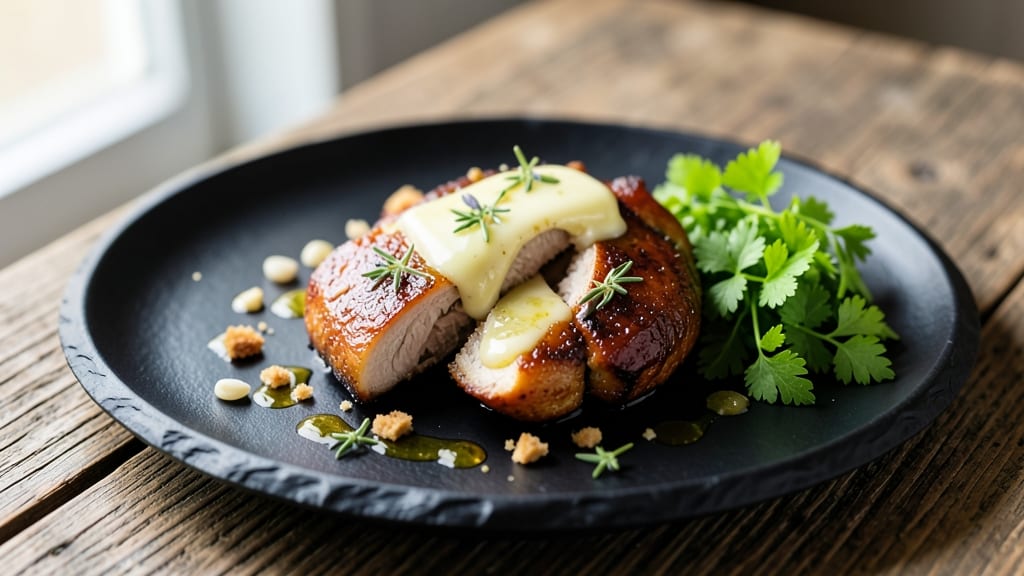
Frying chicken livers delivers an unmatched depth of flavor that transforms a simple pan into a gourmet experience. The secret lies in proper preparation—cleaning thoroughly, patting dry, and searing over high heat to render fat while locking in juices.
This method creates tender, golden-brown livers with crisp edges, elevated by a herby butter basting that adds richness without overpowering the natural taste.
What sets this recipe apart is the balance between tradition and technique. Unlike traditional recipes that rely solely on butter, we incorporate a light oil for even cooking, then finish with herby butter to infuse flavor without excess grease.
The process takes just 10 minutes but requires attention to timing—overcooking turns livers rubbery, while perfect execution yields melt-in-your-mouth texture.
By the end, you'll have a dish that's restaurant-worthy yet simple enough for weeknight dinners. The herby butter adds layers of aroma and taste, making each bite feel indulgent.
Serve with crusty bread or roasted vegetables to soak up the rich juices, and you'll have a meal that feels special without the fuss.
This recipe works equally well as a main course or appetizer, proving that chicken livers can be both elegant and approachable. The key is confidence in the cooking process—once you master the timing, you'll never buy store-bought again.
Ingredients for frying chicken livers
Rich, tender livers need just a few quality ingredients to shine. Nothing fancy, just good stuff.
| Ingredient | Amount | Notes |
|---|---|---|
| Fresh Chicken Livers 🍗 | 1 lb | Trimmed of connective tissue |
| Unsalted Butter 🧈 | 4 tbsp | Cold, cubed for basting |
| Extra-Virgin Olive Oil 🫒 | 2 tbsp | Light for even cooking |
| Fresh Parsley 🌿 | ¼ cup | Finely chopped, stems removed |
| Fresh Thyme Leaves 🍃 | ½ tbsp | Finely chopped, or 1 tsp dried |
| Garlic Cloves 🧄 | 2 cloves | Minced, for herby butter |
| Lemon Juice 🍋 | 1 tbsp | Freshly squeezed |
| Kosher Salt 🧂 | 1 ½ tsp | Adjust to taste |
| Ground Black Pepper 🌶️ | ½ tsp | Freshly cracked preferred |
| All-Purpose Flour 🌾 | 1 tbsp | For dredging livers |
| Crusty Bread 🍞 | 4 slices | For serving, optional |
| Roasted Vegetables 🥦 | 2 cups | Optional side, like asparagus |
The livers are the star—look for bright red, firm ones at the butcher counter. Whole Foods or local markets usually have the freshest, but the grocery store meat section works too. Trim any connective tissue or silver skin before cooking—it can make them bitter. I like to buy mine pre-trimmed from Costco when I'm making a big batch, but trimming yourself takes two minutes. Freshness matters here: if they smell strong or have a grayish tint, skip them. The butter should be cold and cubed—this helps create that perfect crust when searing.
No parsley? Fresh cilantro or chives work in a pinch, though parsley's bright flavor is ideal. Short on thyme? Dried oregano at half the amount gets you close, but fresh thyme is worth hunting down. The olive oil is key—light and fruity is best, not that heavy, peppery stuff. If you're nervous about timing, use two 6-ounce packages of livers instead of a full pound—it's easier to manage. The lemon juice can be bottled, but fresh is brighter. And if you're feeling fancy, add a pinch of smoked paprika to the herby butter for depth.
Livers cook fast—keep them cold until ready to fry. The herby butter keeps for 3 days in the fridge, but I usually make it fresh since it takes five minutes. Store it in a small jar, covered with plastic wrap pressed right on top to keep it fresh. The cooked livers reheat beautifully—just a quick sizzle in a pan with a splash of water. They're even better the next day, honestly. Portion them into containers with the herby butter drizzled on top for easy lunches. The crusty bread? Buy it the day before—it'll be fresher than anything at the store.
Why You'll Love This Recipe
- Pan in 10 Minutes: I swear, this is the kind of recipe where you’re still rinsing the livers and the pan’s already sizzling. No chopping, no waiting—just a quick sear in butter and olive oil, and suddenly you’ve got something restaurant-worthy on your table.
- Rich Umami Magic: That first bite? The buttery richness of the livers, the bright herbal punch from the parsley and thyme—it’s like a tiny, luxurious flavor explosion. Honestly, I’ve never met a dish that delivers this much depth with so few ingredients.
- Weeknight or Weekend: Throw these on for a lazy Tuesday dinner or serve them at a brunch with friends. They’re equally at home on a simple plate with toast or as the star of a charcuterie spread. My go-to? Over mashed potatoes when I’m craving something hearty but not heavy.
- Budget Meal Upgrade: Chicken livers are one of those pantry gems—cheap, packed with protein, and they stretch like crazy. A single pound feeds four, and the leftovers? Perfect for frittatas or sandwiches the next day. (Yes, even on a Tuesday.)
Step-by-step instructions for pan-seared chicken livers
Here's how to get crispy, golden livers with a velvety interior every time.
Prep and Season the Chicken Livers
Start by trimming any visible connective tissue or silverskin from the 1 lb fresh chicken livers using a sharp knife. This step is crucial—leaving connective tissue behind makes the livers tough. Rinse them under cold water and pat completely dry with paper towels, removing any moisture that would prevent browning.
In a small bowl, whisk together the 1 tbsp all-purpose flour, 1.5 tsp kosher salt, and 0.5 tsp ground black pepper. This dry rub will create a light crust and enhance flavor. Dredge each liver in the flour mixture, pressing gently to ensure even coating. Let them sit on a plate for 5 minutes while you prepare the pan—this resting period helps the flour adhere better.
Sear the Livers in Hot Oil
Heat a large skillet over medium-high heat until it's hot but not smoking. Add the 2 tbsp extra-virgin olive oil and swirl to coat the pan evenly. The oil should shimmer but not burn—this is your signal it's ready. Working in batches (you'll need 2-3 rounds for all the livers), add about 4-5 livers per batch to the pan.
Sear undisturbed for 1 minute per side until golden brown. I press down gently on the livers during the first minute—this prevents them from curling and ensures even contact with the pan. They're done when they release easily from the pan and have developed a crispy crust. Transfer the cooked livers to a plate and tent loosely with foil to keep warm while you finish the rest.
Make the Herby Butter Sauce
Reduce the heat to medium and add the 4 tbsp cold unsalted butter to the same skillet. Let it melt completely, then add the 2 minced garlic cloves and cook for 30 seconds until fragrant—don't let them brown or they'll turn bitter. Stir in the 0.25 cup finely chopped fresh parsley and 0.5 tbsp fresh thyme leaves, cooking for another 30 seconds until the herbs are just wilted.
Remove from heat and stir in the 1 tbsp freshly squeezed lemon juice. The sauce should be glossy and fragrant with bright herbal notes. If it thickens too much, add 1-2 tablespoons of water to loosen it slightly. Keep the skillet warm while you prepare the roasted vegetables and crusty bread.
Finish and Serve
Return all the seared livers to the skillet with the herby butter sauce. Toss gently to coat them evenly in the sauce, letting it melt and create a glossy finish. Cook for 1-2 minutes until everything is heated through and the livers are fully coated. The sauce should cling to the livers, creating a rich, flavorful crust.
Serve immediately over the 2 cups roasted vegetables and alongside the 4 slices crusty bread for dipping. The contrast of crispy bread against the tender livers and the bright acidity of the lemon in the sauce makes this dish irresistible. Each bite should deliver perfect texture—crispy exterior, tender interior—with layers of herby, buttery flavor.
Pro Tips For Making Frying Chicken Livers
- Trim and Soak: Chicken livers hold blood and iron, which can turn your pan into a science experiment. Trim off any connective tissue, then soak them in cold water for 10–15 minutes—this removes excess iron and keeps them from curdling. (Yes, even if you’re impatient like me, don’t skip this.)
- Start Hot, Finish Gentle: High heat sears them fast, but after the first 30 seconds, drop the heat to medium. Livers cook in minutes, and they’ll dry out if you’re too aggressive. Think "quick sizzle, then tender finish"—not a charred mess.
- Butter First, Then Oil: Melt the unsalted butter in the pan until it’s foamy, then add the olive oil. The butter adds flavor, but the oil prevents burning. (This isn’t the prettiest method, but it’s the tastiest—I promise.)
- Salt After Searing: Salt the livers after they’ve browned, not before. The salt draws out moisture, and you want that crust locked in. Sprinkle generously, then let them rest for 2–3 minutes—your future self will thank you.
Perfect pairings for these flavors
Herby Butter Drizzle
The star of this dish is the herby butter—it’s what elevates simple fried chicken livers to something truly special.
I make mine with 4 tbsp cold unsalted butter, 2 minced garlic cloves, ¼ cup chopped parsley, and ½ tbsp thyme, finished with 1 tbsp lemon juice.
The cold butter creates a luxurious sauce that clings beautifully to the livers, while the lemon brightens the richness. 🌿
Crusty Bread Pairing
Serve these livers with 4 slices crusty bread, like a baguette or sourdough, for dipping. The bread soaks up the herby butter and balances the richness of the livers.
I like to toast it lightly before serving so it’s warm and crispy. For extra flavor, rub the bread with a garlic clove before toasting.
Roasted Vegetable Base
Roasted vegetables add freshness and texture to the dish. I recommend asparagus, Brussels sprouts, or zucchini, tossed in 1 tbsp olive oil, ½ tsp salt, and ¼ tsp black pepper.
Roast at 400°F for 15-20 minutes until tender and slightly caramelized. The acidity of the lemon in the butter sauce pairs perfectly with the sweetness of the roasted veggies.
Wine Pairing
A crisp white wine cuts through the richness of the livers beautifully. I recommend a Sauvignon Blanc from New Zealand or a Chardonnay with bright citrus notes.
The acidity in the wine mirrors the lemon in the butter, making each bite feel fresh and balanced. Avoid heavy reds—they’ll overpower the delicate flavors.
Spicy Kick Option
For a little heat, add ½ tsp smoked paprika or a pinch of red pepper flakes to the herby butter. If you love spice, drizzle the finished livers with a chili oil or a dash of hot sauce at the table.
The heat contrasts perfectly with the richness of the butter and the tenderness of the livers. 🌶️
Make-Ahead Tip
Prep the herby butter ahead of time and store it in the fridge for up to 3 days. You can also cook the livers a day in advance—they reheat beautifully in a skillet with a splash of water.
Just warm them through gently to keep them tender. This makes the dish even easier for a weeknight dinner.
Nutrition facts
Frequently asked questions
Why do chicken livers need to be trimmed before cooking?
Trimming removes connective tissue and silver skin, which can make the livers bitter and tough. These parts don't break down during cooking, so removing them ensures a smooth, tender texture. Look for any white or fibrous bits—cut them away with a sharp knife before seasoning.
Can I cook chicken livers in a nonstick pan?
Yes, but use medium heat to prevent sticking. A nonstick pan works well for beginners, but cast iron or stainless steel gives better browning. If using nonstick, add just 1 tbsp oil—too much can cause splattering. The key is patience: let the livers cook undisturbed for 1 minute per side.
How do I fix rubbery chicken livers?
Rubbery texture happens from overcooking or not trimming connective tissue. To salvage them, slice into thin strips and cook in a skillet with 1 tbsp butter and 1 tbsp lemon juice over medium heat for 2-3 minutes. The acidity tenderizes the fibers. For next time, cook only until internal temp reaches 145°F.
What's the best way to store leftover fried chicken livers?
Store in an airtight container with a thin layer of herby butter on top to preserve moisture. They keep for 2 days in the fridge or 1 month in the freezer. To reheat, warm in a skillet with 1 tbsp water over medium heat for 3-4 minutes, stirring gently to prevent drying.
Can I substitute butter with oil in the herby sauce?
You can use 100% olive oil for the sauce, but the texture will be lighter. For richness, mix 3 tbsp oil with 1 tbsp melted butter—this keeps the glossy finish. The herby elements (parsley, thyme, lemon) still shine, but the sauce won't coat the livers as luxuriously.