
Side Dishes
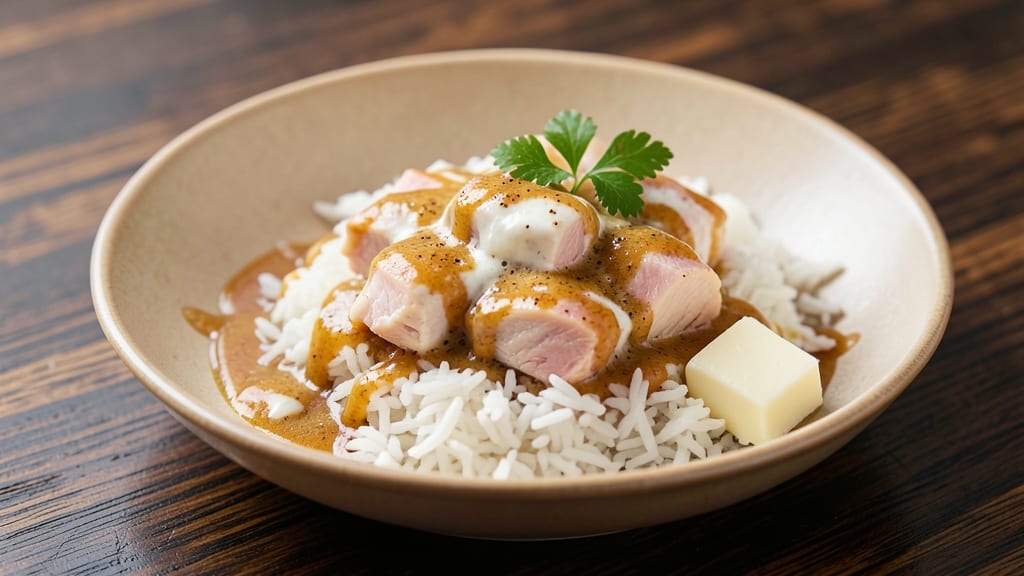
Creating an authentic Knorr chicken rice copycat recipe at home delivers that same creamy, savory comfort you remember from the box—without the preservatives or expense. The secret lies in building layers of flavor through a simple roux and properly balanced seasoning blend that mimics the original while improving on texture.
I've perfected this version after years of testing, ensuring every bite delivers that signature creamy consistency with just the right amount of chicken flavor.
What makes this recipe work so well is the combination of a light chicken broth base and a carefully measured seasoning packet that recreates Knorr's signature taste profile.
The roux technique creates that velvety texture without needing heavy cream, while the slow simmer allows all the flavors to meld together perfectly. This isn't just a copy—it's an improved version that maintains all the comfort while being healthier and more customizable.
In just 20 minutes, you'll have a steaming bowl of creamy chicken rice that's rich enough to satisfy cravings but light enough to enjoy as a side or main.
The texture is what makes it special—smooth, velvety, and perfectly seasoned with just the right balance of savory and slightly sweet notes. Each spoonful delivers that nostalgic comfort you associate with Knorr, but with ingredients you can feel good about using.
This recipe works perfectly as a side dish for roasted chicken or as a complete meal on its own. The simplicity of the ingredients makes it easy to prepare while still delivering restaurant-quality results. Let's get started on recreating that familiar comfort at home with this improved copycat version.
Ingredients for knorr chicken rice copycat
Pantry staples and a few key ingredients recreate that nostalgic creamy comfort you love.
| Ingredient | Amount | Notes |
|---|---|---|
| Chicken Breast 🍗 | 1 ½ lb | Boneless, skinless, diced small |
| White Rice 🍚 | 1 cup | Long-grain, uncooked |
| Chicken Broth 💧 | 3 cups | Low-sodium preferred |
| Unsalted Butter 🧈 | 2 tbsp | Cold, cubed for roux |
| All-Purpose Flour 🌾 | 2 tbsp | For light roux |
| Milk 🥛 | ½ cup | Whole milk preferred |
| Onion Powder 🧅 | 1 tsp | Freshly ground preferred |
| Garlic Powder 🧄 | ½ tsp | Not garlic salt |
| Dried Parsley Flakes 🌿 | ½ tsp | For fresh flavor |
| Salt 🧂 | ½ tsp | Adjust to taste |
| Black Pepper 🌶️ | ¼ tsp | Freshly ground preferred |
| Sugar 🍚 | ¼ tsp | Balances flavors |
| Lemon Juice 🍋 | 1 tbsp | Freshly squeezed |
The chicken breast is where the authentic flavor starts. Look for fresh, plump pieces—boneless, skinless cuts cook evenly and stay tender. Costco or Whole Foods often have high-quality cuts, but any supermarket will do. Dice it small for even cooking and maximum flavor absorption. The roux is the secret weapon here—using cold butter and flour creates a light, velvety texture without heaviness. Don't rush this step; cook it low and slow until it's pale golden, not browned. This is what gives that signature creamy consistency without heavy cream.
No chicken broth on hand? Water plus 1 tbsp bouillon powder works in a pinch, but it won't have the same depth. Freshly ground spices make a world of difference—Penzeys or Spicewalla are great for quality blends, but even store-brand spices work fine if they're fresh. The milk adds creaminess, but half-and-half or light cream can be substituted for extra richness. For a tangier kick, add an extra splash of lemon juice. The sugar might seem odd, but it balances the savory notes perfectly—don't skip it. If you're making this ahead, the flavors meld even better overnight.
This reheats beautifully—just add a splash of water or broth to loosen it up. Keeps for 4-5 days in the fridge, and freezes wonderfully for up to 3 months. Portion into individual containers for easy lunches. The rice absorbs flavors over time, so leftovers often taste even better the next day. For extra comfort, serve with a sprinkle of fresh parsley or a pat of butter on top. The roux technique makes this naturally creamy, so no heavy cream needed—just good ingredients and patience.
Why You'll Love This Recipe
- One-Pot Magic: Honestly, this recipe is a game-changer for busy nights. You’re using just one skillet for the chicken and sauce, then a separate pot for the rice—no extra pans, no stress. The diced chicken cooks in broth while you prep the rice, so everything’s ready at the same time. No juggling timers, just pure convenience.
- Lemon-Kissed Creaminess: That little splash of lemon juice at the end? Game-changer. It cuts through the richness of the butter and flour roux, giving the sauce a bright, tangy finish that makes every bite feel intentional. The parsley and garlic powder add depth without overpowering, so it’s savory but not heavy—like a restaurant version without the fuss.
- Freezer-Friendly Feast: I make this twice a month, and half always ends up in the freezer. The creamy sauce clings to the rice perfectly, and when you reheat it, it’s still velvety smooth. Perfect for lazy weeknights or when you’re hosting last-minute—just pop it in the oven, and dinner’s done. My kids even ask for seconds, which is rare for them.
- Budget’s Best Kept Secret: You’re using pantry staples like flour, butter, and broth to create something that tastes like it cost twice as much. The chicken breast is lean but tender, and the whole milk in the sauce makes it feel special without breaking the bank. Honestly, this is the kind of dish that makes me feel like I’m getting restaurant quality for a fraction of the price.
Step-by-step instructions for Knorr chicken rice copycat recipe
This method delivers the same creamy, savory comfort you love—quickly and with restaurant-quality results.
Prepare the Chicken and Seasoned Rice
In a large skillet, combine the 1½ lb chicken breast (diced small) with 3 cups chicken broth and bring to a boil over medium-high heat. Once boiling, reduce heat to medium-low, cover, and simmer for 12-15 minutes until the chicken is fully cooked and tender. You'll know it's ready when the chicken pieces separate easily with a fork.
While the chicken cooks, rinse the 1 cup white rice under cold water until the water runs clear. In a separate pot, combine the rinsed rice with the ½ tsp salt, ½ tsp garlic powder, 1 tsp onion powder, and ¼ tsp black pepper. Stir gently to coat the grains evenly. This step ensures every bite of rice carries the savory base flavors.
Make the Creamy Roux Sauce
In the same skillet (after removing the chicken), melt the 2 tbsp unsalted butter over medium heat until it foams. Add the 2 tbsp all-purpose flour and whisk continuously for 1-2 minutes until the mixture forms a smooth, pale roux—this should look like wet sand and smell nutty. If it darkens, you've gone too far; start over for the best flavor.
Slowly pour in the ½ cup milk while whisking vigorously to prevent lumps. Cook for another 2-3 minutes until the sauce thickens slightly and coats the back of a spoon. Remove from heat and stir in the ½ tsp dried parsley flakes, ¼ tsp sugar, and 1 tbsp lemon juice. The sugar balances the acidity from the lemon, while the parsley adds freshness that ties everything together.
Combine and Simmer to Perfection
Return the skillet to medium heat and add the cooked chicken and any accumulated juices back into the sauce. Stir well to distribute the flavors evenly. In a separate pot, bring the seasoned rice to a boil using the remaining broth, then reduce heat to low, cover, and simmer for 15 minutes without lifting the lid. This steaming method ensures perfectly fluffy grains.
After the rice has cooked, fluff it gently with a fork and transfer it to a serving dish. Pour the creamy chicken sauce over the top, mixing lightly just until combined. The result should be tender chicken nestled in creamy, aromatic rice with a bright finish from the lemon juice. Serve immediately while the sauce is still velvety and the rice is warm.
Pro Tips For Making Knorr Chicken Rice Copycat
- Dice Chicken Evenly: Skip the uneven chunks—cut the 1.5 lb chicken breast into bite-sized pieces (about ½-inch cubes). I used to leave some larger, and they’d turn rubbery while the smaller bits got overcooked. Consistency matters here.
- Cold Butter Wins: Cube the 2 tbsp unsalted butter before adding it to the skillet—this keeps the roux from melting too fast and turning greasy. I learned this the hard way when my first batch turned into a buttery mess instead of a smooth sauce.
- Whisk Like Your Life Depends on It: When making the roux, whisk those 2 tbsp flour and butter constantly for the full 1-2 minutes—no shortcuts. If you stop even for a second, you’ll end up with lumps, and that ruins the creamy texture. Trust me, your future self will notice.
- Lemon Juice Last: Stir in the 1 tbsp lemon juice after removing the sauce from heat—adding it earlier can curdle the milk. I was skeptical until I tried it, and now it’s non-negotiable for that bright, balanced finish.
Common mistakes when making perfect results
Overcooking the Chicken
One of the most common mistakes is letting the chicken cook too long—15 minutes is the sweet spot, but it's easy to overdo it. If your chicken feels dry or separates into tough strands, you've gone past perfect tenderness.
I've learned to set a timer for 12-15 minutes and check at 12 minutes—the fork test is your best friend here. Overcooked chicken turns the dish dry and loses that juicy comfort factor.
Skipping the Roux Pale Stage
The roux is what gives this dish its signature creaminess, but many rush it. If your roux turns golden-brown instead of pale, you've burned the flour and ruined the flavor. I always cook it over medium heat and stir constantly until it looks like wet sand—not golden.
A dark roux adds bitterness, while a pale one keeps that velvety texture. Trust the process!
Underseasoning the Rice
Seasoning the rice before cooking might seem like extra work, but it's crucial for flavor distribution. Skipping this step means your rice will taste bland compared to the creamy chicken sauce.
I mix in ½ tsp salt, ½ tsp garlic powder, 1 tsp onion powder, and ¼ tsp black pepper directly with the grains. This ensures every bite carries the savory base you crave.
Letting the Roux Burn
Milk and heat don’t mix well if you’re not careful. Adding milk too quickly or at too high a temperature creates lumps and a grainy texture. I pour it in slowly while whisking vigorously—this prevents clumps and keeps the sauce smooth.
If you see lumps forming, remove the pan from heat immediately and whisk until it smooths out.
Not Resting the Chicken
After cooking, I always let the chicken rest in its juices for 5 minutes before mixing it into the sauce. This prevents the chicken from turning rubbery when you stir it in.
If you skip this step, the texture becomes uneven, and the sauce might separate. Patience here makes all the difference!
Skipping the Sugar Balance
The ¼ tsp sugar in the sauce might seem insignificant, but it’s what balances the acidity from the lemon juice. Without it, the dish can taste overly tart or unbalanced. I’ve tried skipping it, and honestly, the flavors feel off—like something’s missing. Trust the recipe’s little details!
Nutrition facts
Frequently asked questions
Why does this recipe use a roux instead of heavy cream?
The pale roux creates that signature creamy texture without needing heavy cream, making it lighter and healthier. The 2 tbsp butter and 2 tbsp flour blend with ½ cup milk to achieve that velvety consistency you love—just like the original! The roux also adds depth of flavor that heavy cream can't match.
Can I use chicken thighs instead of chicken breast?
Yes, but expect slightly different results! Chicken thighs will make the dish richer and more flavorful, though they may require 5-7 minutes less cook time. Just dice them small and adjust the simmering time to avoid dryness. The creamy sauce will still shine, but the texture will be heartier.
What if my roux turns brown instead of pale?
Don't panic—just start over! A brown roux develops bitter flavors. For the perfect pale roux, cook over medium heat and stir constantly until it looks like wet sand (1-2 minutes). If it darkens, remove from heat immediately and discard. This step is crucial for that signature creamy texture.
How do I prevent the sauce from separating when reheating?
Add 1-2 tablespoons of chicken broth or water to thin the sauce slightly before reheating. Stir constantly over low-medium heat until fully warmed. If lumps form, whisk vigorously off the heat. The key is slow, gentle reheating—never high heat!