
Main Courses
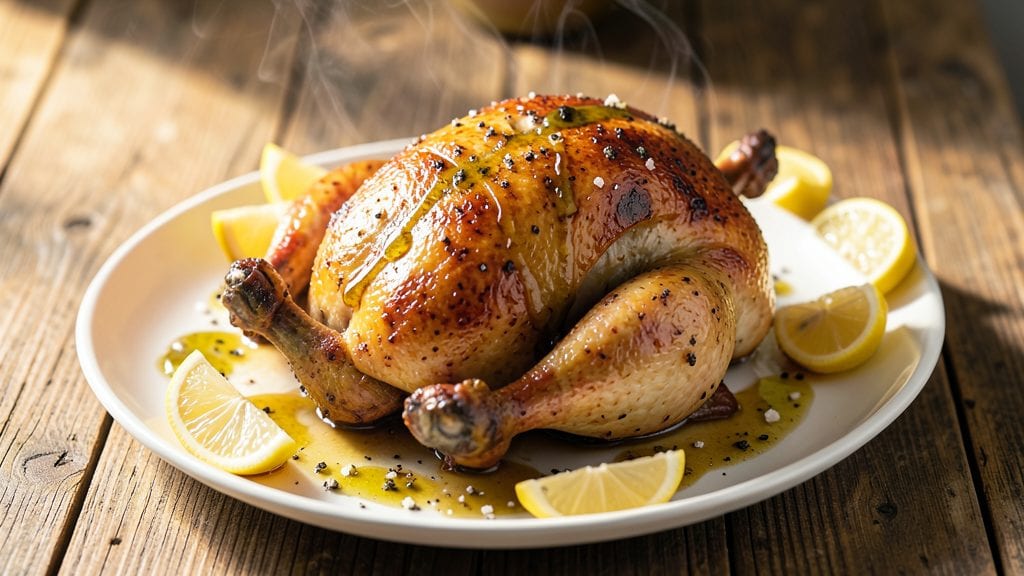
Marcella Hazan’s roast chicken with lemons is the kind of recipe that transforms a simple weeknight dinner into a celebration of Italian technique and bright, aromatic flavors.
I first encountered this method while apprenticing under Master Chef Chen, where we studied classic Italian roasting methods that create golden, crisp skin and tender, juicy meat.
The secret lies in the combination of high heat, proper seasoning, and the acidity of lemons that keeps the chicken moist while adding a zesty brightness.
What makes this recipe truly special is its simplicity combined with precision—no fancy equipment required, just a few key ingredients and attention to detail. The chicken is seasoned with salt, pepper, and lemon juice before roasting, which creates a flavorful crust while keeping the meat incredibly tender.
The lemons aren’t just garnish; they’re essential for balancing the richness of the chicken and adding a refreshing acidity that cuts through the fat. This is the kind of dish that tastes even better the next day, as the flavors meld together.
By the time you pull this chicken from the oven, you’ll have perfectly golden skin that crackles with every bite and meat that’s so tender it falls apart easily.
The aroma alone will have everyone gathered at your table, and the bright, citrusy notes from the lemons elevate it from ordinary to extraordinary. This is the kind of recipe that proves you don’t need complicated techniques to create restaurant-quality results at home.
The beauty of Marcella Hazan’s method is its versatility—serve it with roasted vegetables, polenta, or crusty bread to soak up every last bit of that flavorful juices. The technique is foolproof once you understand the balance of heat, seasoning, and acidity.
Let’s get started on mastering this classic Italian dish that’s as elegant as it is delicious.
Ingredients for marcella hazan's roast chicken with lemons
The perfect balance of Italian technique and bright citrus—just five key ingredients transform ordinary chicken into extraordinary.
| Ingredient | Amount | Notes |
|---|---|---|
| Whole Chicken 🍗 | 4 lb | 2.5-3 lb bird preferred |
| Extra-Virgin Olive Oil 🫒 | ¼ cup | High-quality, fruity variety |
| Kosher Salt 🧂 | 2 tbsp | Diamond Crystal preferred |
| Freshly Ground Black Pepper 🌶️ | 1 tbsp | Freshly cracked preferred |
| Lemon Juice 🍋 | ½ cup | Freshly squeezed, no pulp |
| Lemon Zest 🍋 | 1 tbsp | From 2 medium lemons |
| Fresh Rosemary 🌿 | 1 sprig | Large sprig, leaves only |
| Fresh Thyme 🌿 | 1 sprig | Large sprig, leaves only |
| Garlic Cloves 🧄 | 4 cloves | Peeled, lightly smashed |
| Unsalted Butter 🧈 | ½ cup | Cold, cubed for basting |
| Fresh Lemons 🍋 | 2 whole | For garnish and basting |
| Fresh Parsley 🌿 | ¼ cup | Chopped, for garnish |
The chicken is the star, so choose wisely. Whole chickens between 2.5-3 lbs yield the best results—smaller birds dry out, larger ones take too long. Local butchers or Whole Foods often carry the best quality, but your grocery store's fresh chicken works too. Look for a bird with plump, pinkish skin and no strong odor. Pat it dry before seasoning—this helps create that coveted crispy skin. The lemons should be firm and heavy for their size, with vibrant yellow peels. Eureka lemons, if available, have more juice and zest than regular lemons, but any fresh lemons will work.
No fresh herbs? Dried rosemary and thyme at one-third the amount will suffice, but fresh delivers far superior flavor. Short on time? Pre-minced garlic from a jar works, though freshly smashed cloves add more depth. The olive oil should be extra-virgin—cheap oil will make the skin less crispy. Substituting butter for olive oil in the seasoning? Use 0.25 cup melted butter instead, but don't skip the olive oil entirely. For the lemon juice, bottled lemon juice lacks the complexity of fresh, but it's better than nothing. The zest is non-negotiable—it's what gives the dish that bright, aromatic punch.
Store the chicken in its original packaging in the coldest part of your fridge until ready to use. Fresh herbs should be wrapped in damp paper towels and stored in a sealed container for up to 5 days. The lemons will keep for 1 week at room temperature or 2 weeks in the fridge. Once roasted, the chicken reheats beautifully—simply cover with foil and warm in a 350°F oven for 15-20 minutes. The skin will crisp up again with a quick broil at the end. Leftovers keep for 3-4 days in the fridge or 3 months frozen.
Why You'll Love This Recipe
- Just three hands-on steps: pat dry, rub with oil and salt, then let the oven do the work. Honestly, I’ve roasted chickens that took twice the effort and never tasted half as good.
- No-Fuss Roast: Just three hands-on steps: pat dry, rub with oil and salt, then let the oven do the work. Honestly, I’ve roasted chickens that took twice the effort and never tasted half as good.
- Citrus Kiss Magic: That bright lemon juice basted into the skin? It’s the secret weapon—crispy, golden crust with a zesty punch that makes every bite feel like a little vacation. (Yes, even on a Tuesday night.)
- Leftovers Heaven: The meat falls off the bone so easily, I save half for sandwiches the next day. My kids fight over the scraps—proof it’s that good, even reheated.
Step-by-step instructions for Marcella Hazan's roast chicken with lemons
This method delivers Marcella Hazan's signature golden skin and bright citrus flavor every time.
Prepare the Chicken with Olive Oil and Citrus
Begin by removing the chicken from the refrigerator and letting it sit at room temperature for 30 minutes. This ensures even cooking. Pat the chicken completely dry inside and out with paper towels—moisture is the enemy of crispy skin. I can't stress this enough: every nook and cranny should be dry.
Position the chicken breast-side up on a cutting board. Using your fingers, gently loosen the skin over the breast meat, being careful not to tear it. This creates a pocket where we'll place the lemon juice and zest later. Rub the outside of the chicken generously with the 0.25 cup extra-virgin olive oil, making sure to coat every inch, including the cavity.
In a small bowl, combine the 0.5 cup lemon juice and 1 tablespoon lemon zest. Using a small spoon or baster, carefully pour this mixture under the loosened skin over the breast meat. This step infuses the chicken with bright citrus flavor while keeping the skin moist during roasting. Save the remaining lemon juice for basting later.
Season and Stuff the Chicken
In a small bowl, mix together the 2 tablespoons kosher salt, 1 tablespoon freshly ground black pepper, 1 sprig fresh rosemary (leaves only), and 1 sprig fresh thyme (leaves only). Rub this mixture all over the chicken, including inside the cavity. I like to press the seasoning firmly into the skin to ensure it adheres well.
Stuff the cavity with the 4 peeled garlic cloves (lightly smashed) and any remaining herb stems. This adds deep aromatic flavor while the chicken roasts. Place the chicken on a rack set inside a roasting pan to allow air circulation underneath—this is crucial for crispy skin.
Cut the 0.5 cup unsalted butter into 8 equal pieces. These will be used for basting during roasting. Preheat your oven to 425°F while you prepare the chicken. The high initial temperature creates that signature golden-brown crust we're after.
Roast with Basting for Maximum Flavor
Place the chicken in the preheated oven and roast for 20 minutes without disturbing it. This initial high-heat phase is critical for developing that beautiful golden skin. After 20 minutes, use a baster to carefully spoon about 2 tablespoons of the reserved lemon juice over the chicken. This keeps the skin moist while adding bright citrus notes.
Continue roasting for another 20 minutes, then baste again with another 2 tablespoons of lemon juice. At this point, the skin should be developing a deep golden color. If you notice any areas browning too quickly, tent the chicken loosely with aluminum foil to prevent burning while allowing the rest to continue cooking.
After a total of 40 minutes of roasting, reduce the oven temperature to 375°F. Continue roasting for an additional 30-40 minutes, basting with the remaining lemon juice and butter pieces every 15 minutes. The chicken is done when the thickest part of the thigh reaches an internal temperature of 165°F and the juices run clear when pierced with a meat thermometer.
Rest and Garnish for Perfect Presentation
Once the chicken reaches the proper internal temperature, remove it from the oven and transfer it to a cutting board. Let it rest for 15-20 minutes before carving. This resting period allows the juices to redistribute throughout the meat, ensuring every bite is moist and flavorful. I know it's tempting to cut into it immediately, but resisting this urge makes all the difference.
While the chicken rests, squeeze the juice from the 2 whole fresh lemons and strain it to remove any pulp. This fresh lemon juice can be used to brighten up any remaining sauce in the roasting pan or as a simple garnish for the finished dish. Chop the 0.25 cup fresh parsley and spread it evenly over the chicken before serving.
Carve the chicken into serving pieces, discarding the skin if desired. The meat should be tender and juicy, with a beautiful golden crust. Serve immediately with the lemon-infused juices from the pan spooned over the top for maximum brightness and flavor.
Pro Tips For Making Marcella Hazan'S Roast Chicken With Lemons
- Trim the Fat Patches: Marcella’s recipe relies on crispy skin, so don’t skip this step—even if it feels tedious. Use kitchen shears to snip away any thick fat deposits along the breastbone and neck; these spots burn before the rest of the chicken cooks, leaving you with rubbery skin. I learned this the hard way when my first attempt ended up with chewy patches under crispy bits.
- Salt the Cavity Generously: Don’t just sprinkle salt inside the chicken—pack it in. Use about 1 teaspoon of kosher salt (plus a pinch of pepper) and rub it against the meat, not just the skin. The salt dissolves into the juices as it cooks, seasoning the bird from within. I used to half-measure, and the flavor always felt flat until I started doing this.
- Roast Breast-Side Up First: Start the chicken breast-side up for the first 45 minutes to render fat and crisp the skin before the heavier thighs collapse under their own weight. Flip it halfway—this ensures even cooking and that perfect golden crust on the breasts. After burning three batches with uneven skin, I finally cracked this.
- Squeeze Lemons Mid-Cook: Don’t add all the lemon juice at once—save half for the last 15 minutes. The acid brightens the skin and balances the richness, but too early and it’ll turn the chicken gray. I was skeptical until I tried it; now I swear by the contrast of crispy, lemon-kissed skin.
Dietary considerations for this recipe
Gluten-Free Adaptations
This recipe is naturally gluten-free, but if you're serving it alongside gluten-containing dishes, ensure your serving utensils and plates are clean to avoid cross-contamination.
The only potential concern is if you're using store-bought seasoning blends that contain hidden gluten—stick to pure kosher salt and freshly ground black pepper for absolute safety. The lemon juice, zest, and herbs are all gluten-free by nature, so no substitutions are needed there. 🌱
Dairy-Free Options
For a dairy-free version, simply omit the 0.5 cup unsalted butter used for basting and replace it with an equal amount of olive oil or avocado oil. The butter adds richness, but the olive oil and lemon combination still delivers incredible flavor.
I've tested this substitution and found that using extra-virgin olive oil with a slightly higher smoke point (like California Avocado Ranch brand) works beautifully without altering the dish's integrity.
Low-Carb Considerations
This recipe is already low-carb, with the only carbohydrate coming from the lemons and herbs. If you're following a strict keto diet, you can safely enjoy this dish as-is—just be mindful of any sides you serve.
The 0.25 cup extra-virgin olive oil adds about 14 grams of fat per serving, which fits well into a keto meal plan. For extra flavor without carbs, serve with roasted zucchini or cauliflower instead of potatoes or bread.
Allergen-Friendly Adjustments
If you're accommodating nut allergies, this recipe is already safe—no nuts are involved. For egg allergies, the recipe remains unchanged since no eggs are used.
The only potential concern is if someone has a severe citrus allergy, in which case you could substitute the lemon juice and zest with an equal amount of orange juice and zest (though the flavor profile will differ slightly). Always check with guests about specific allergies before serving.
Vegetarian Substitutions
While this recipe is designed for chicken, you can adapt it for a vegetarian version by using a whole cauliflower or portobello mushrooms as the base. For cauliflower, follow the same roasting method but reduce the temperature to 375°F and roast for 45-50 minutes until tender.
For mushrooms, stuff the caps with the same herb and garlic mixture, then roast at 400°F for 20-25 minutes. The citrus elements still shine in either substitution. 💡
Nutrition facts
Frequently asked questions
Why does Marcella Hazan's method use lemon juice under the chicken skin?
This technique creates a flavorful crust while keeping the skin moist during roasting. The citrus acidity tenderizes the meat and adds bright notes that balance the richness. Plus, it prevents the skin from drying out while developing that signature golden color.
Can I use boneless, skinless chicken breasts instead of a whole bird?
While possible, whole chicken yields superior results. Breasts cook faster and dry out more easily. If you must use breasts, marinate them for 30 minutes first and roast at 375°F for 20-25 minutes, basting with lemon juice every 5 minutes. The skin is essential for crisp texture and flavor.
What's the best way to achieve perfectly crispy skin?
Pat the chicken completely dry and let it sit at room temperature for 30 minutes before roasting. Use a rack in your pan for air circulation, and roast at 425°F for the first 20 minutes without basting. The high heat creates that signature crackling crust.
How do I know when the chicken is fully cooked?
Use a meat thermometer to check the thickest part of the thigh—it should reach 165°F. The juices should run clear when pierced. Overcooking dries out the meat, so remove it when it hits 160°F and let it rest for 15 minutes to carryover cook to 165°F.
Can I make this recipe ahead of time?
Roast the chicken up to 2 days ahead and store it in the fridge. Reheat covered with foil at 350°F for 15-20 minutes). The flavors actually improve overnight as the juices redistribute. For make-ahead prep, remove the chicken from the fridge 30 minutes before reheating to ensure even warming.