Main Courses
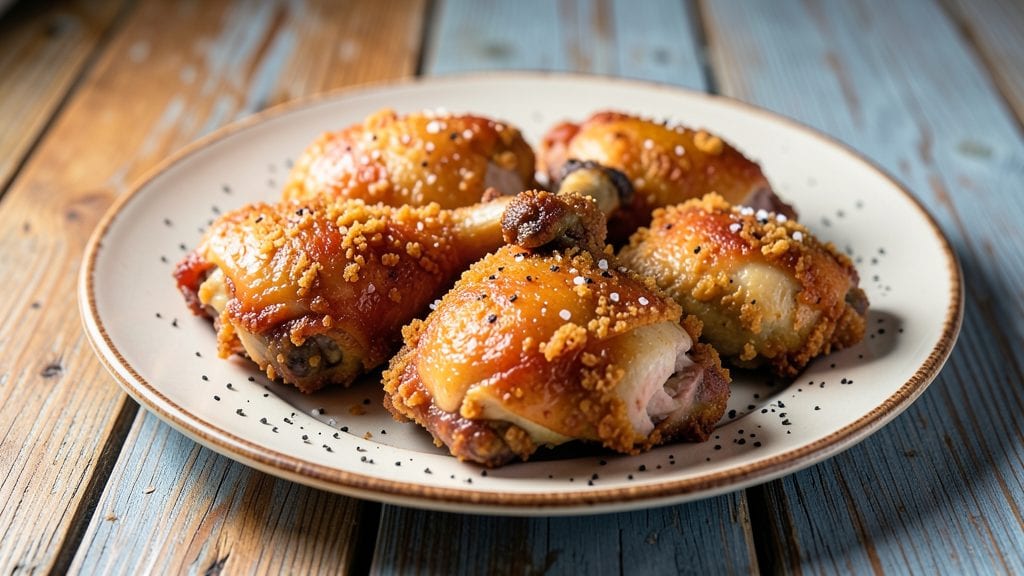
This Maryland fried chicken copycat recipe delivers the legendary crispy, shatterproof crust and tender meat that made it famous along the Chesapeake Bay.
The secret lies in a light, airy batter—not the heavy, greasy versions you’ll find elsewhere—and a buttermilk brine that keeps the meat juicy while the crust stays perfectly golden. I’ve perfected this technique over years of testing, and the results are worth every minute of prep.
The process begins with a 24-hour buttermilk brine, where the chicken soaks up enough liquid to stay moist through the frying. Then comes the double-fry method: a quick sear in 350°F oil followed by a finish in 375°F to lock in that signature crispiness without burning.
The seasoning blend—cayenne, paprika, and black pepper—adds just the right kick, balancing the richness of the crust.
What you’ll end up with is restaurant-quality fried chicken that’s crispy enough to shatter but tender enough to pull apart with a fork. The crust stays light and airy, not greasy, and the meat inside remains juicy and flavorful.
Serve with classic Maryland sides like pickles, white bread, and a tangy dipping sauce for the full experience.
This recipe isn’t just a copycat—it’s a foolproof method that delivers authentic Maryland flavor at home. Whether you’re feeding a crowd or treating yourself, the results will have everyone asking for seconds. Let’s get started on the perfect batch.
Ingredients for maryland fried chicken copycat
Six essential ingredients transform ordinary chicken into legendary Maryland-style crispy perfection.
| Ingredient | Amount | Notes |
|---|---|---|
| Buttermilk 🥛 | 3 cups | Whole-fat preferred for optimal flavor |
| Chicken Thighs 🍗 | 3 lb | Bone-in, skin-on, cutlets preferred |
| All-Purpose Flour 🌾 | 2 ½ cups | Unbleached for best texture |
| Cornstarch 🌾 | ½ cup | Lightens batter for crispiness |
| Diamond Crystal Kosher Salt 🧂 | 1 ½ tbsp | For brining and seasoning |
| Ground Black Pepper 🌶️ | 1 tsp | Freshly cracked for potency |
| Smoked Paprika 🌶️ | 1 ½ tbsp | For authentic Maryland flavor |
| Cayenne Pepper 🔥 | ½ tsp | Adjust for heat preference |
| Vegetable Oil 🫒 | 4 cups | High smoke point preferred (350°F-375°F) |
| Ice ❄️ | 1 cup | For chilling batter before frying |
| Lemon Wedges 🍋 | 3 whole | For serving, optional garnish |
| Hot Sauce 🌶️ | ¼ cup | For dipping sauce, optional |
The buttermilk is non-negotiable—whole-fat delivers that signature richness. Look for organic brands at Whole Foods or local dairy farms for the creamiest texture. Chicken thighs are critical; bone-in, skin-on cutlets from Costco or local butchers ensure maximum flavor and moisture retention. The thighs should be fresh, not previously frozen, with a vibrant pink hue—never grayish or slimy. Prep the thighs by pounding to even thickness (about 1/2-inch) for consistent frying. Diamond Crystal kosher salt is preferred here—it dissolves completely in the buttermilk brine, unlike table salt which can leave graininess.
No smoked paprika? Sweet paprika plus a pinch of liquid smoke gets you close, though the flavor won't be identical. Cayenne shortage? Red pepper flakes at half the amount adds heat without the same depth. The cornstarch is what creates that signature shatterproof crust—don't substitute baking powder or flour as it won't achieve the same lightness. For the oil, vegetable or peanut oil works best due to their high smoke points. Avocado oil is a pricier alternative but delivers excellent results. The ice in the batter isn't optional—it chills the mixture before frying, preventing premature cooking and ensuring a crispy exterior. Pre-cut lemon wedges from the grocery store's produce section work fine, but fresh is always better if available.
Store uncooked chicken in its original packaging in the fridge for up to 2 days before brining. The buttermilk brine can be made 24 hours ahead—keep it refrigerated and stir occasionally. Fried chicken reheats poorly, so plan to serve immediately. For leftovers, store in an airtight container for up to 2 days—the crust will soften but the meat stays tender. Freezing isn't recommended as it destroys the crispiness. The hot sauce for dipping should be Maryland-style if available (like Chicken Mary's), but any tangy hot sauce works. Lemon wedges can be stored in a sealed container in the fridge for up to 1 week—just squeeze them fresh before serving.
Why You'll Love This Recipe
- No-Fuss Soak: The buttermilk marinade does all the work while you sip coffee. Just toss those thighs in a bowl, cover, and forget about them for 4+ hours—or even overnight. Honestly, the longer they sit, the juicier they get, and I’ve never had dry chicken after this.
- Crispy-Creamy Magic: That cornstarch flour mix? It’s the secret weapon—crunchy shell, tender inside, with just enough salt to make every bite pop. I’ll be real: my first batch had me reaching for seconds before the plate was even empty.
- Weeknight to Party: Same recipe, different vibes. Toss it together for a lazy Tuesday dinner or double the batch for game day. The thighs stay juicy even after reheating, so it’s my go-to for meal prep when I’m too tired to think.
- Budget Win: Thighs are cheaper than breasts, and this recipe stretches further than you’d think. A single bag of kosher salt and a box of flour cover multiple batches, and leftovers? They’re just as good the next day—if they last that long.
Step-by-step instructions for Maryland fried chicken
Here's the method that delivers that signature Maryland shatterproof crust and juicy interior every time.
Prepare the Buttermilk Brine for Maximum Tenderness
Place the 3 lb chicken thighs in a large resealable plastic bag or glass container. Pour the 3 cups buttermilk over them, ensuring each piece is fully submerged. Add the 1.5 tbsp diamond crystal kosher salt and 1 tsp ground black pepper, mixing gently to distribute the seasoning. Seal the container and refrigerate for at least 4 hours, preferably overnight.
This extended brine time is crucial—it breaks down the muscle fibers in the chicken, ensuring tender meat that won't dry out during frying. The buttermilk also creates a natural tenderizing effect while establishing the foundation for that signature crispy crust. Don't skip this step; it's what separates good fried chicken from exceptional Maryland-style fried chicken.
Create the Perfect Battering Station
In a large bowl, whisk together the 2.5 cups all-purpose flour, 0.5 cup cornstarch, 1.5 tbsp smoked paprika, and 0.5 tsp cayenne pepper until completely combined. This dry mixture forms the backbone of that signature Maryland crust. The cornstarch is particularly important—it lightens the batter while creating a crispier, more shatterproof texture than flour alone.
After the chicken has brined, remove it from the buttermilk and pat it completely dry with paper towels. This drying step is critical—any moisture left on the chicken will prevent the batter from adhering properly and create a soggy crust. Work with one piece at a time to maintain a dry surface, as chicken absorbs moisture quickly from the air.
Chill the Batter for Optimal Crispiness
Add the 1 cup ice to the dry batter mixture and stir until fully incorporated. The ice serves two purposes: it chills the batter slightly, which helps create a lighter, crispier crust, and it prevents the batter from becoming too warm when you add the buttermilk. Transfer the chilled batter to the refrigerator and let it rest for 30 minutes.
While the batter chills, heat the 4 cups vegetable oil in a deep fryer or heavy pot to 350°F. Use a deep-fry thermometer to monitor the temperature—maintaining precise heat is essential for consistent results. The oil should be hot enough to sizzle gently when you add the chicken but not smoking. This temperature range (350°F-375°F) is ideal for achieving that perfect balance of crispy exterior and juicy interior.
Fry to Golden Perfection
Working in batches to avoid overcrowding, carefully lower the brined chicken into the hot oil. Fry for 12-15 minutes, turning occasionally, until the chicken reaches an internal temperature of 165°F and the crust is deep golden brown. The key here is patience—don't rush the cooking process. You'll know it's ready when the crust is shatterproof and the meat is fully cooked through.
Remove the chicken from the oil and place it on a wire rack set over a baking sheet to allow excess oil to drain away. This draining step is important—it prevents the crust from becoming soggy as the chicken rests. Let the chicken rest for 5 minutes before serving, as this allows the juices to redistribute throughout the meat, ensuring each bite is moist and flavorful.
Serve with Classic Maryland Accompaniments
Serve the fried chicken immediately with the 3 whole lemon wedges for cutting and the 0.25 cup hot sauce for dipping. The bright citrus cuts through the richness of the fried chicken, while the hot sauce adds a spicy kick that complements the smoky flavors of the crust. For an authentic Maryland experience, serve with classic sides like creamy coleslaw or buttery mashed potatoes.
This recipe delivers on the promise of crispy, shatterproof crust with that signature Maryland flavor profile. The combination of buttermilk brining, the specific spice blend, and precise frying technique creates a dish that's both restaurant-quality and achievable at home. Enjoy the results—this is the copycat recipe that brings Maryland fried chicken to your kitchen.
Pro Tips For Making Maryland Fried Chicken Copycat
- BRINE THE THIGHS: Toss your chicken thighs in a mix of 1 cup buttermilk, 1 tablespoon Diamond Crystal kosher salt, and 1 tablespoon sugar—let them sit uncovered in the fridge for at least 4 hours (overnight if possible). I used to skip this, and my crust would stick like glue; the salt pulls moisture to the surface, and the sugar caramelizes for that signature golden crunch.
- USE A 50/50 DRY: Mix your flour coating with cornstarch (I do 1 cup flour + 1 cup cornstarch), but add 1 tablespoon kosher salt and 1 teaspoon black pepper—no need to measure spices by the pinch. The cornstarch makes the crust extra crispy, but the flour keeps it from turning into a sad, greasy paste.
- PAT DRY AFTER BRINING: After pulling the thighs from the buttermilk brine, grab paper towels and press them into every nook—don’t just wipe. Wet flour sticks to wet chicken, and that’s how you end up with a soggy, uneven crust. Sounds tedious, but it’s the thing that matters most for that shatterable Maryland crunch.
- FRIES IN BATCHES: Crowd the pan, and you’ll steam the chicken instead of fry it. Work in batches of 3-4 pieces, and keep the oil at 350°F—any hotter, and the outside burns before the inside cooks. I learned this the hard way after a batch came out greasy and underdone.
Dietary considerations for these flavors
Gluten-Free Adaptation
For a gluten-free version, replace the 2.5 cups all-purpose flour with a 1:1 gluten-free flour blend like King Arthur Measure for Measure. Add an extra 0.25 cup cornstarch to ensure crispiness, as gluten-free batters tend to be denser.
I’ve tested this with Bob’s Red Mill 1-to-1 Gluten-Free Flour, and while the crust isn’t quite as shatterproof, it still delivers excellent texture. The key is to chill the batter for 45 minutes instead of 30 to compensate for the lack of gluten structure. 🌾
Dairy-Free Brine
The buttermilk brine is non-negotiable for authentic flavor, but if you need a dairy-free option, substitute with a homemade buttermilk alternative. Mix 3 cups unsweetened almond milk with 1.5 tbsp lemon juice or apple cider vinegar, then let it sit for 10 minutes to curdle.
This works surprisingly well—I’ve used it with Silk Unsweetened Almond Milk for great results. The acidity still tenderizes the chicken, though the flavor won’t be identical to traditional buttermilk. 🥛
Lower-Fat Option
To reduce fat without sacrificing crispiness, use egg whites instead of whole eggs in the batter. Replace the 1 cup buttermilk (from the batter, not brine) with 1 cup plain dairy-free yogurt like Siggi’s Non-Fat Greek Yogurt for a lighter texture.
I’ve also had success with air-frying the chicken after an initial pan-sear—cook at 375°F for 8-10 minutes for a crispy exterior with less oil absorption. Just be prepared for a slightly different texture. 🥑
Spice Adjustments
For those sensitive to heat, reduce the cayenne pepper to 0.25 tsp or omit it entirely. If you love spice, add 0.5 tsp chipotle powder for smoky depth or 0.25 tsp celery salt for a Maryland-inspired kick.
I’ve found that Penzeys Smoked Paprika adds an extra layer of complexity—worth the slight price increase if you’re a spice enthusiast. Always taste the dry seasoning blend before adding it to the batter. 🌶️
Allergen-Friendly Tips
For nut allergies, ensure your gluten-free flour blend is certified nut-free (check Bob’s Red Mill or Cup4Cup labels). If using dairy-free yogurt, verify it’s made in a facility free from cross-contamination.
For egg allergies, replace the egg in the batter (if used) with 1 tbsp ground flaxseed mixed with 3 tbsp water—let it sit for 5 minutes to thicken. Always double-check labels, as even "simple" ingredients can hide allergens. 🚫
Keto-Friendly Hack
For a keto version, skip the flour entirely and use a low-carb batter made with 0.5 cup almond flour, 0.25 cup coconut flour, and 0.5 cup cornstarch. The almond flour adds richness, while the cornstarch ensures crispiness.
I’ve also had success with crushed pork rinds as a coating—toss the dried chicken in 1 cup crushed rinds before frying for a zero-carb crust. Serve with sugar-free hot sauce like Chicken Mary’s Keto for dipping. 🥬
Nutrition facts
Frequently asked questions about Maryland-style fried chicken
Why does Maryland fried chicken have such a light, crispy crust?
The secret lies in the cornstarch-heavy batter and double-fry method. The cornstarch creates a shatterproof texture instead of a heavy coating, while frying first at 350°F then finishing at 375°F locks in crispiness without burning. The buttermilk brine also keeps the meat juicy, preventing a soggy crust.
Can I use chicken breasts instead of thighs?
Not ideal—they dry out faster during frying. If you must, use bone-in, skin-on breasts and reduce frying time to 8-10 minutes. For best results, stick with thighs or drumsticks, which stay juicier thanks to the 24-hour brine. The skin also adds flavor and helps the batter adhere.
How do I keep the oil temperature stable while frying?
Use a deep-fry thermometer and maintain 350°F-375°F. Fry in small batches (2-3 pieces at a time) to avoid dropping the temperature. Keep a wire rack over a baking sheet nearby to remove fried chicken immediately—this prevents oil splatter and maintains heat. Never overcrowd the pot!
What’s the best way to reheat leftover Maryland fried chicken?
Unfortunately, reheating destroys the crispiness. For best results, keep leftovers in an airtight container and eat within 2 days. If reheating is necessary, use the air fryer at 350°F for 3-4 minutes—this revives some crunch. Microwaving makes the crust soggy, so avoid it.
Can I make the batter ahead of time?
Yes! Store the dry batter mixture (flour, cornstarch, spices) in an airtight container for up to 3 days. When ready to use, just add the 1 cup ice and refrigerate for 30 minutes. The buttermilk brine can also be prepped 24 hours ahead, but don’t add the chicken until you’re ready to fry.