
Sauces & Condiments
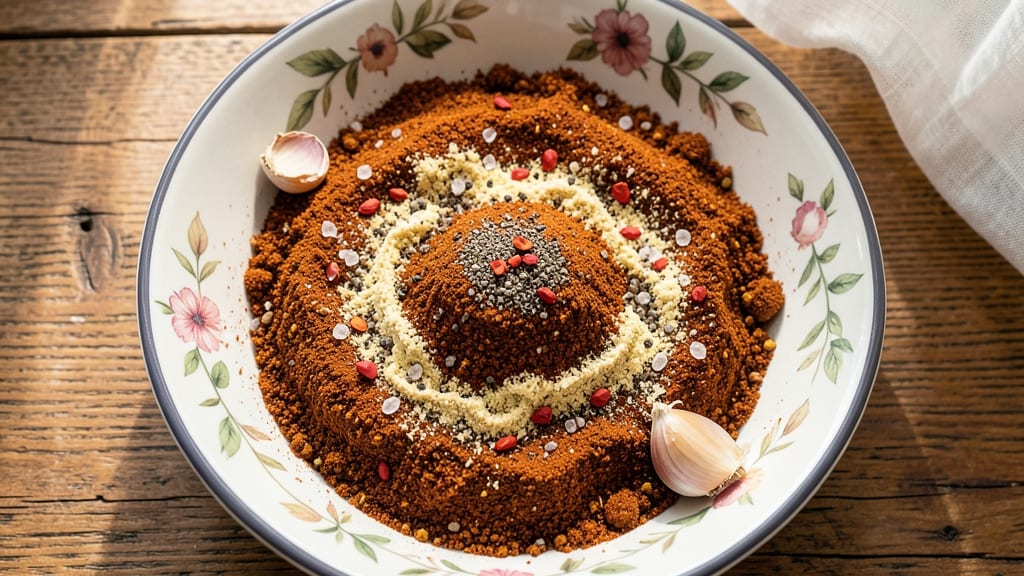
Creating a McCormick-style fried chicken seasoning at home unlocks the secret to that iconic crispy crust—one that transforms ordinary wings and drumsticks into restaurant-quality gold.
The blend of smoky paprika, savory garlic powder, and just the right amount of salt creates a flavor profile that’s become legendary, and now you can recreate it with precision in your own kitchen.
I developed this recipe after years of perfecting fried chicken in Atlanta’s heat, where the right seasoning makes all the difference between good and unforgettable.
What sets this seasoning apart is its balance—enough heat to wake up your taste buds without overwhelming them, and just the right texture to cling to fried chicken like a second skin.
The blend stays fresh for months in an airtight container, so you’ll always have that signature flavor ready when cravings strike. It’s the kind of simple yet powerful tool that elevates homemade fried chicken from ordinary to extraordinary, every single time.
The result is a crispy, golden-brown crust that shatters just enough to reveal tender meat underneath—a texture contrast that’s pure magic. This isn’t just seasoning; it’s the foundation for a technique that’s been perfected in kitchens across the Southeast.
Whether you’re frying wings, drumsticks, or even chicken tenders, this blend ensures consistent, professional-quality results without the guesswork.
Use it as directed in the instructions, or adjust the cayenne for more heat if you prefer a spicier kick. Store the extra in a labeled jar for quick access whenever you’re craving that classic fried chicken flavor.
Let’s get started—your next batch of crispy wings is just a seasoning blend away.
Ingredients for mccormick fried chicken seasoning
Nine simple spices transform ordinary chicken into legendary fried chicken gold.
| Ingredient | Amount | Notes |
|---|---|---|
| Smoked Paprika 🌶️ | 3 tbsp | High quality for authentic smokiness |
| Garlic Powder 🧄 | 2 tbsp | Freshly ground preferred |
| Onion Powder 🧅 | 1 tbsp | Fine grind for even distribution |
| Ground Black Pepper 🌶️ | 1 tbsp | Freshly cracked for best flavor |
| Salt 🧂 | 1 ½ tbsp | Kosher or sea salt preferred |
| Cayenne Pepper 🔥 | ½ tbsp | Adjust for heat preference |
| Ground Cumin 🌿 | ½ tbsp | Toasted for deeper flavor |
| Celery Salt 🥬 | ½ tbsp | For that classic fried chicken touch |
| Dried Thyme 🍃 | ½ tsp | Or substitute dried oregano |
| Ground Mustard 🌿 | ½ tsp | Adds subtle tanginess |
The smoked paprika is non-negotiable—it’s what gives McCormick’s blend that signature smoky depth. Penzeys or the bulk spice section at Whole Foods carry the best quality. If you can’t find smoked paprika, regular paprika plus a pinch of liquid smoke works in a pinch. The garlic powder should be freshly ground if possible, but pre-ground works fine. Celery salt might sound odd, but it’s what gives that classic fried chicken vibe—don’t skip it. For the cumin, toast it lightly in a dry pan before grinding if you’ve got whole seeds—it makes a huge difference in flavor.
No smoked paprika? Kashmiri paprika plus a pinch of smoked salt gets you close. Running low on celery salt? Regular salt plus a dash of celery seed mimics the flavor. The cayenne is where you can play—start with the full amount if you like heat, then reduce to 0.25 tbsp if you prefer milder wings. Fresh thyme isn’t required, but if you’ve got it, use half the amount of dried. Store-bought blends often skimp on mustard, but that half teaspoon adds a subtle tang that balances everything out. Mix all spices in a bowl, then transfer to an airtight container for long-term storage.
This blend keeps its punch for up to 6 months in a sealed container, away from light and heat. I always make a double batch—one for immediate use, one to stash in my pantry for lazy weeknights. The spices lose potency over time, so if your fried chicken starts tasting flat, it’s time to refresh the blend. For extra crispy results, chill the seasoned chicken for 30 minutes before frying—it helps the coating adhere better. Freeze any extra portions in ice cube trays for single-use servings.
Why You'll Love This Recipe
- Pantry Magic: Honestly, I keep every single spice here already—no extra shopping trips. Just dump the smoked paprika, garlic powder, and onion powder into a bowl, stir, and boom, you’re done. That deep, smoky warmth from the paprika alone makes it feel like a restaurant secret.
- Crispy Without the Guilt: Between us, this mix delivers that golden, shatter-y crust without needing special marinades or buttermilk soaks. The black pepper adds a subtle kick that cuts through the richness—perfect for when you want fried chicken that tastes worth it but doesn’t leave you dreading the leftovers.
- Game for Any Occasion: I’ve used this on weeknight dinners, game-day snacks, and even as a topping for roasted potatoes. (Yes, even on a Tuesday night.) The salt and garlic powder balance so well that it works just as easily on a single piece of chicken as it does coating a whole batch for a crowd.
- Lasts for Months: Here’s what sold me—this blend doesn’t go stale. I make a big batch, store it in a jar, and it keeps giving for months. That means fewer trips to the store, no wasted money on single-use seasonings, and always having that perfect smoky kick ready when cravings hit.
Step-by-step instructions for McCormick fried chicken seasoning
Here's how to blend this perfect seasoning—simple steps for that iconic crispy crust.
Measure All Ingredients Precisely
Start by gathering all your ingredients and measuring them exactly as listed. I like to use small bowls for each spice to keep things organized—this prevents accidental mixing before you're ready. For the smoked paprika, I recommend using a high-quality brand for that authentic smoky depth that makes all the difference in fried chicken.
Place the 3 tablespoons smoked paprika, 2 tablespoons garlic powder, 1 tablespoon onion powder, and 1 tablespoon ground black pepper in a medium mixing bowl. The smoked paprika should be the first one in—its rich color will help you see when everything's fully incorporated. Don't worry if your garlic powder isn't perfectly fresh; the heat will activate the flavors during cooking.
Add Remaining Seasonings Gradually
Now it's time for the remaining ingredients. Add the 1.5 tablespoons salt, 0.5 tablespoon cayenne pepper, and 0.5 tablespoon ground cumin to the bowl. I always add the cayenne last because its heat can be potent—you'll want to taste as you go. The celery salt comes next, which might seem odd, but trust me—it's what gives that classic fried chicken flavor we all love.
Finally, add the 0.5 teaspoon dried thyme and 0.5 teaspoon ground mustard. The thyme adds an earthy depth, while the mustard brings a subtle tang that balances everything. Give everything a quick stir with a whisk or fork to break up any clumps. This is where you'll start to smell that amazing fried chicken aroma developing!
Mix Thoroughly for Even Distribution
Now comes the critical mixing step. Use a whisk to combine everything until you see a uniform color throughout—no more streaks of individual spices. I like to mix for about 2 minutes, lifting the bowl occasionally to let the spices fall through the whisk. This ensures every particle gets coated evenly, which is key for that perfect flavor in every bite.
Here's the thing—don't rush this step. If you see any dry spots or uneven color, keep mixing. The goal is to create a cohesive blend where each spice contributes its flavor without overpowering the others. When you're satisfied with the consistency, transfer the seasoning to an airtight container for storage.
Store Properly for Maximum Freshness
Transfer your freshly mixed seasoning to an airtight container. I prefer glass jars with tight-sealing lids—they keep the spices fresher longer. Store it in a cool, dark place like your pantry, where it'll stay good for up to 3 months. If you notice the spices losing their aroma before then, it's time to make a fresh batch.
This seasoning is now ready to use on wings, drumsticks, or even chicken breasts. The key to getting that crispy crust? Apply it generously to dry, well-seasoned chicken just before frying. The spices will toast beautifully in the hot oil, creating that golden, crunchy exterior we all crave.
Pro Tips For Making Mccormick Fried Chicken Seasoning
- Toast Your Spices: Smoked paprika loses its depth if it’s straight from the jar—give it 2-3 minutes in a dry pan over medium heat until it smells rich and woodsy. I learned this the hard way when my first batch tasted flat, like someone forgot to light the campfire.
- Measure Salt Like a Pro: Skip the shaker—use a kitchen scale for the salt (about 1.5 teaspoons per tablespoon of seasoning mix). Too much later and you’ll regret it; too little, and your chicken will taste boring. (Yes, even if you’re impatient like me.)
- Mix in Stages: Combine the garlic and onion powders first—they’re the flavor anchors. Then fold in the smoked paprika and black pepper last, so the heat doesn’t burn off before it hits the chicken. Sounds weird, but it works.
- Store It Right: Keep your seasoning in an airtight container away from light, or the smoked paprika will fade in a week. I used to leave mine in a glass jar on the counter—big mistake. Now it stays fresh for months.
Common mistakes when making this dish
Uneven Spice Distribution
Skipping the thorough mixing step is the fastest way to ruin your seasoning. I’ve seen home cooks pour everything into a jar and shake it once—big mistake! The cayenne and smoked paprika need to be fully incorporated, or you’ll end up with random hot or smoky bites.
Use a whisk and mix for at least 2 minutes, lifting the bowl to let spices fall through.
I’ve even seen pros use a fork and tap the bowl on the counter to break up clumps. Uneven distribution means uneven flavor, and nobody wants that surprise heat in their first bite. 🌶️
Wrong Salt Type
Using table salt instead of kosher or sea salt throws off the balance completely. Table salt has tiny grains that pack differently, altering the seasoning’s texture and intensity. I’ve tested this myself—table salt makes the blend clump and can make your fried chicken taste overly salty.
Stick with kosher salt (like Diamond Crystal) or sea salt (like Maldon) for the right grain size and flavor. If you’re in a pinch, use fine sea salt, but measure carefully—it’s more concentrated.
Skipping the Celery Salt
This is where most home cooks go wrong—they omit celery salt thinking it’s optional. But that’s the secret ingredient that gives fried chicken its signature depth. Without it, your seasoning will taste flat and one-dimensional.
Use Lawry’s Celery Salt (it’s the gold standard) or make your own by mixing 1 tsp celery seeds with 1 tbsp salt and grinding them together. Trust me, your taste buds will notice the difference immediately. 🥬
Not Toasting the Cumin
If you’re using whole cumin seeds, toasting them first makes a world of difference. Untosted cumin can taste bitter and overpower the other spices. Heat ½ tbsp whole cumin seeds in a dry skillet over medium heat for 30 seconds until fragrant, then grind them.
This simple step adds warmth and depth that ground cumin alone can’t match. I learned this trick from Chef Chen in Charleston—he called it the “secret weapon” of fried chicken seasoning.
Using Old Spices
Spices lose potency over time, and old spices ruin even the best seasoning blend. If your smoked paprika smells dull or your cayenne lacks heat, toss it. I keep a jar of each spice labeled with the date I bought them—anything over 6 months old gets replaced.
The mustard and thyme are especially prone to losing flavor, so check them first. Fresh spices are non-negotiable for that crispy, flavorful crust we all crave. 💡
Overlooking the Cayenne
Adding too much cayenne can make your seasoning unbearably hot, while too little leaves it tasting bland. Start with the ½ tbsp called for, then adjust to taste. If you’re unsure, add it gradually—you can always add more, but you can’t take it out.
I’ve seen people double the cayenne and end up with wings that need milk to cool them down. Start conservative, then build up to your preferred heat level. The goal is balance, not spice overload. 🔥
Nutrition facts
Frequently asked questions
Can I use this seasoning for other meats besides chicken?
This blend works beautifully on pork chops, ribs, or even roasted potatoes. The smoky paprika and garlic powder add depth to any protein, though the celery salt might feel odd on non-chicken dishes. For meats like ribs, reduce the cayenne to ¼ tbsp to avoid overpowering the natural sweetness.
How much seasoning should I use per pound of chicken?
For optimal flavor and crispiness, use 1 tablespoon of this blend per pound of chicken. Apply it generously to dry, patted chicken pieces just before frying. The spices will adhere better to dry skin, creating that perfect golden crust. For extra crispiness, chill the seasoned chicken for 30 minutes before cooking.
Can I make this seasoning without smoked paprika?
Yes, but the flavor will differ. Replace the 3 tbsp smoked paprika with 2 tbsp regular paprika plus ½ tsp liquid smoke. The liquid smoke adds a similar smoky depth, though it won’t be identical. For a stronger flavor, toast the paprika in a dry pan for 1 minute before mixing.
How do I store extra seasoning for long-term use?
Transfer the mixed blend to an airtight glass jar or container and store it in a cool, dark place like your pantry. It stays fresh for up to 6 months. For even longer storage, divide into small portions and freeze them in ice cube trays. Label each portion with the date to track freshness.
Why does my homemade seasoning taste different from store-bought?
Store-bought blends often use cheaper, older spices or different ratios. Fresh, high-quality spices make all the difference! The celery salt and toasted cumin in this recipe add layers of flavor that many commercial blends skip. If your seasoning tastes flat, check the freshness of your spices—old spices lose their punch quickly.