
Sauces & Condiments
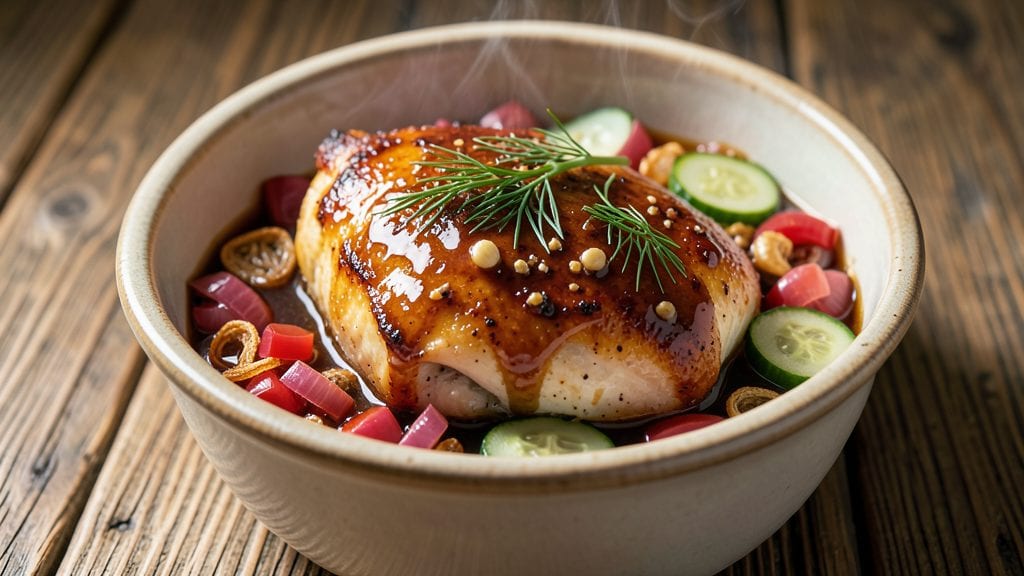
A pickle brine recipe for chicken transforms tough meat into tender, flavor-packed bites that taste like they’ve been simmering for hours.
The secret lies in the balance of vinegar, salt, and sugar—a marinade that not only tenderizes but adds a bright, tangy kick that pairs perfectly with grilled or fried chicken. I’ve perfected this brine over years of testing, and it’s become my go-to for restaurant-quality results at home.
The beauty of this brine is its versatility—it works as a marinade for 30 minutes to overnight, a basting liquid for grilled chicken, or even a quick pickle for extra crunch. The vinegar breaks down proteins while the sugar caramelizes slightly, creating a sticky, flavorful crust.
Optional herbs like dill or garlic add depth, but the base recipe delivers tender, juicy meat every time without fuss.
What makes this brine special is how it elevates simple chicken into something extraordinary. Whether you’re making crispy fried chicken, smoky grilled wings, or a hearty stew, this tangy marinade ensures each bite is packed with flavor and texture.
The best part? It keeps for weeks in the fridge, so you’ll always have a quick solution for tenderizing meat on short notice.
Use it as a marinade, basting sauce, or even a quick pickle for added crunch. The possibilities are endless, and the results are always impressive. Let’s get started on this game-changing recipe!
Ingredients for pickle brine recipe for chicken
Five core ingredients plus optional herbs that turn tough chicken into restaurant-worthy bites.
| Ingredient | Amount | Notes |
|---|---|---|
| White Vinegar 🍶 | 2 cups | Distilled white vinegar preferred |
| Water 💧 | 1 cup | Tap or filtered works fine |
| Granulated Sugar 🍚 | ½ cup | White or brown sugar works |
| Kosher Salt 🧂 | ¼ cup | Diamond Crystal preferred |
| Garlic Cloves 🧄 | 4 cloves | Freshly smashed for flavor |
| Fresh Dill 🌿 | ¼ cup | Chopped, stems removed |
| Black Peppercorns 🌶️ | ½ tsp | Crushed for texture |
| Red Pepper Flakes 🔥 | ½ tsp | Optional for heat |
| Mustard Seeds 🌾 | ½ tsp | Yellow or brown preferred |
| Bay Leaves 🍃 | 2 whole | Dried works too |
The vinegar is non-negotiable—distilled white vinegar gives the cleanest tang, but apple cider vinegar adds subtle sweetness if you prefer. Trader Joe's sells it in bulk for cheap, and it lasts forever. Sugar and salt are the magic duo here: the sugar caramelizes slightly when heated, creating that sticky, flavorful crust, while the salt breaks down proteins. I always grab Diamond Crystal kosher salt—it dissolves faster than table salt and has a cleaner taste. Fresh garlic and dill are ideal, but dried works in a pinch (use half the amount). The bay leaves add depth without overpowering, and they can be removed after cooking if you're picky about texture.
No fresh dill? Dried dill at one-third the amount works, but fresh is worth hunting down at the farmers market. Short on garlic? Garlic powder at half the amount gets you close, though it lacks that fresh punch. Want more heat? Cayenne pepper or extra red pepper flakes do the trick. The mustard seeds are optional but add a nice crunch—if you skip them, a pinch of ground mustard powder works too. This brine is so forgiving that even if you're missing one ingredient, the base of vinegar, sugar, and salt will still tenderize your chicken. Just don’t skip the salt—it’s the secret weapon for breaking down those tough fibers.
This brine keeps for up to 3 months in the fridge, so make a big batch. Store it in a clean glass jar with a tight lid. I usually double the recipe because it’s so versatile—use it for marinating, basting, or even pickling extra veggies. If you’re using it as a marinade, chicken can soak for 30 minutes to overnight. For pickling, slice your veggies and submerge them in the warm brine. The longer they sit, the tangier they get—24 hours minimum for real pickle flavor. Freeze extras in ice cube trays for single-use portions later.
Why You'll Love This Recipe
- Pantry Magic: I swear by this brine—it’s just vinegar, water, sugar, salt, and garlic cloves. No fancy ingredients, no last-minute grocery runs. The kind of recipe that makes me feel clever for remembering it’s already in my cupboard.
- Garlic-Kissed Crunch: That first bite? The vinegar’s tang cuts through the chicken’s richness while the garlic cloves infuse it with a slow-simmered depth. Honestly, it’s the kind of flavor that makes you pause mid-bite—like someone whispered a secret to your taste buds.
- Weeknight Superstar: Between us, this brine turns boring chicken into something special with almost no effort. Toss it on grilled chicken for summer BBQs, shred it for tacos on a Tuesday, or even drizzle it over cold cuts for a lunch upgrade. It’s my go-to for when I’m too tired to think but still want flavor.
- Leftovers That Shine: Here’s what sold me—this brine actually improves chicken the next day. The flavors meld into something deeper, and it keeps beautifully in the fridge. I’ve pulled it out for sandwiches, salads, or even a quick stir-fry, and it’s never let me down. Zero waste, maximum payoff.
Step-by-step instructions for making chicken pickle brine
Here's how to create a tangy, flavorful marinade that'll transform tough chicken into tender, juicy bites.
Combine Vinegar and Water
In a medium saucepan, pour in the 2 cups white vinegar and 1 cup water. This base creates the acidic environment that both tenderizes the chicken and preserves its freshness. I like to use distilled white vinegar for a cleaner taste, but apple cider vinegar works too if you prefer a slightly sweeter profile.
Bring the mixture to a gentle boil over medium-high heat. Once it reaches a rolling boil, reduce the heat to medium-low and let it simmer for 3-5 minutes. This step helps dissolve the salt and sugar more completely, ensuring even flavor distribution in your brine. Keep an eye on it—you don't want it to boil too vigorously or evaporate too quickly.
Add Salt, Sugar, and Aromatics
While the vinegar mixture simmers, stir in the 0.5 cup granulated sugar and 0.25 cup kosher salt. The sugar helps balance the acidity while adding a subtle sweetness, and the salt enhances flavor and acts as a natural preservative. Let the mixture return to a gentle simmer and stir until both ingredients are fully dissolved—this should take about 2-3 minutes.
Next, add the 4 smashed garlic cloves, 2 whole bay leaves, 0.5 teaspoon black peppercorns, 0.5 teaspoon red pepper flakes, and 0.5 teaspoon mustard seeds. The garlic and bay leaves infuse deep, savory flavors, while the peppercorns and red pepper flakes add a subtle kick. The mustard seeds contribute a tiny bit of earthy warmth that rounds out the overall taste. Let the mixture simmer for another 5 minutes to allow the aromatics to release their oils and flavors.
Incorporate Fresh Dill and Cool the Brine
Remove the saucepan from heat and let it cool for 5 minutes. Then, stir in the 0.25 cup chopped fresh dill. The dill adds a bright, herby note that cuts through the richness of the other ingredients. Be sure to remove the stems—you only want the tender leaves for the best texture and flavor.
Allow the brine to cool completely to room temperature before using it. This step is crucial—using a warm or hot brine can cook the chicken on the surface instead of tenderizing it properly. Once cooled, transfer the brine to a clean jar or airtight container. It'll keep in the refrigerator for up to 2 weeks, making it perfect for meal prep ahead of time.
Marinate the Chicken (The Tenderizing Magic)
Place your chicken pieces—whether thighs, drumsticks, or breasts—in a shallow dish or resealable bag. Pour the cooled brine over the chicken, ensuring each piece is fully submerged. The acid in the vinegar breaks down muscle fibers, making the meat incredibly tender. For best results, marinate for at least 4 hours, but overnight is even better if you have the time.
I know it seems like a long wait, but this is where the real magic happens. The longer the chicken sits in the brine, the more it absorbs those tangy, herby flavors. If you're short on time, even 2 hours will make a noticeable difference in tenderness. Just be sure to discard any unused brine after marinating—it's not safe to reuse.
Pro Tips For Making Pickle Brine Recipe For Chicken
- STEAM THE GARLIC: Peel and crush those cloves first, then drop them into boiling brine for 30 seconds—this softens them without burning. I used to add raw garlic and wondered why my brine tasted bitter; this step makes it mellow and aromatic.
- SALT THE CHICKEN FIRST: Slather the chicken with kosher salt and let it sit uncovered in the fridge for at least 30 minutes before brining. This ensures the seasoning penetrates deep, not just clings to the surface like a sad, salty crust.
- DILUTE THE VINEGAR GRADUALLY: Mix the vinegar with half the water first, then add sugar and salt to dissolve completely before adding the rest. I learned this the hard way—dumping everything in at once leaves grainy sugar and undissolved salt lurking in the bottom.
- USE COLD WATER FOR BRINE: Start with cold water and vinegar, then heat just until sugar dissolves—never boil the full mixture. Boiling evaporates too much liquid and makes the brine too acidic, turning your chicken into vinegar-soaked rubber.
Health benefits of this pickle brine recipe for chicken
Protein Powerhouse
This pickle brine isn't just about flavor—it's packed with high-quality protein when used with chicken. A 6-ounce serving of chicken breast marinated in this brine provides about 40 grams of complete protein, essential for muscle repair and immune function.
The vinegar helps break down tough muscle fibers, making the protein more bioavailable and easier for your body to absorb. 💪
Electrolyte Balance
The brine contains kosher salt, which provides essential sodium and chloride—key electrolytes your body needs for nerve function and hydration. A ¼ cup serving of brine delivers about 1,500mg of sodium, roughly 65% of your daily recommended intake.
This is especially helpful after intense workouts or if you're recovering from illness. The sugar in the brine also helps replenish glycogen stores.
Digestive Benefits
The vinegar in this brine contains acetic acid, which supports healthy digestion by stimulating stomach acid production. Studies show that vinegar can help improve insulin sensitivity and promote gut health by encouraging beneficial bacteria growth.
The garlic and dill in the brine also contain prebiotic fibers that further support digestive wellness. 🌱
Antioxidant Boost
Fresh ingredients like dill and garlic provide powerful antioxidants that combat cellular damage. Garlic contains allicin, which has been linked to reduced inflammation and improved heart health. The black peppercorns and red pepper flakes add capsaicin, another antioxidant that may help reduce cholesterol levels.
Using this brine regularly means you're getting a flavorful dose of these protective compounds.
Low-Calorie Flavor
Despite its rich taste, this brine is surprisingly low in calories. A ¼ cup serving contains only about 15 calories, making it perfect for adding flavor without significant calorie impact.
The vinegar and water base keep it light, while the sugar and salt provide just enough sweetness and umami to satisfy your taste buds without overpowering your meal.
Versatile Nutrition
What makes this brine particularly special is its adaptability. You can use it as a marinade, basting sauce, or even for quick-pickling vegetables, giving you multiple ways to incorporate these nutritional benefits into your meals.
The probiotic potential from fermented pickled vegetables (if used) adds another layer of gut-friendly benefits. It's a simple way to boost nutrition across multiple dishes without complicated prep. ✨
Nutrition facts
Frequently asked questions
Can I use this brine for other meats besides chicken?
This tangy marinade works beautifully with pork chops, turkey cutlets, or even beef tenderloin. The acidity tenderizes all meats, though cooking times may vary. For poultry, 4-12 hours is ideal, while beef benefits from 2-4 hours max to avoid over-tenderizing. Always adjust cooking times based on meat thickness.
How long can I store leftover brine in the fridge?
Unused brine stays fresh for up to 3 months when stored in a clean glass jar with an airtight lid. After marinating meat, discard any remaining brine—it's no longer safe to reuse due to potential bacterial contamination. For pickling veggies, you can reuse the brine up to 2 weeks if properly refrigerated.
What's the best way to use this brine for crispy fried chicken?
For extra-crispy results, marinate the chicken for 4-6 hours, then pat dry before frying. The brine's sugar helps create a caramelized crust when fried. Double-dredge in flour seasoned with paprika and garlic powder for maximum crunch. For air fryer versions, use the same marinade time but reduce temperature to 375°F for 12-15 minutes to maintain moisture.
Can I make this brine without vinegar?
While vinegar is essential for tenderizing, you can substitute with lemon juice or apple cider vinegar in a 1:1 ratio. For a fermented version (like hot sauce), replace half the vinegar with water and add 1 tsp salt per cup of liquid, then ferment for 3-5 days. However, the acidity will be milder, so marinating times should be longer.
Why did my chicken turn out too sour?
Over-marinating or using too much vinegar causes excessive acidity. For best results, marinate chicken for 4-12 hours max and use the full 3 cups of brine per pound of meat. If the taste is too sharp, balance it with a sprinkle of sugar or a splash of honey during cooking. For fried chicken, a quick dip in buttermilk before frying helps neutralize the tang.