
Main Courses
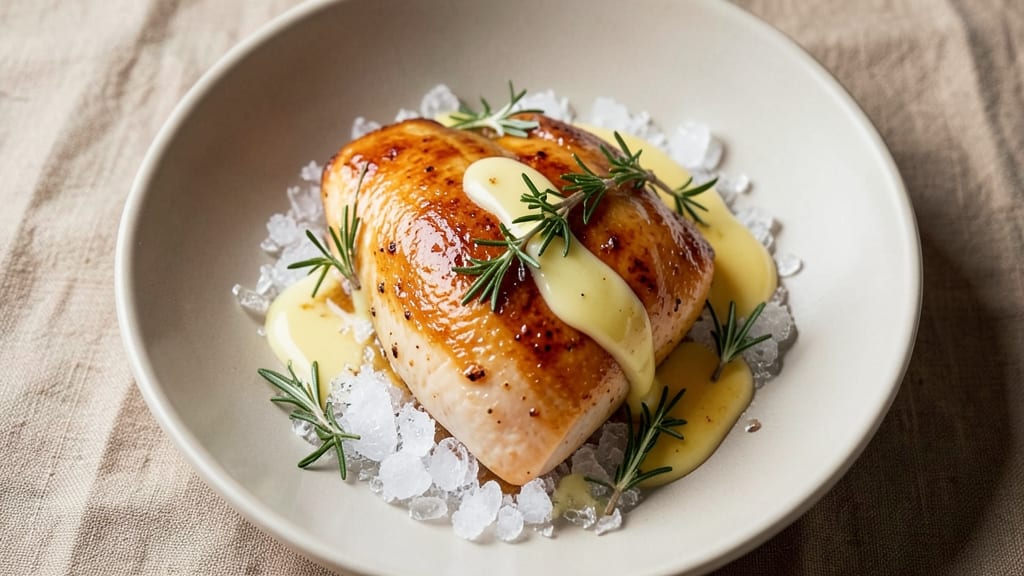
The Pioneer Woman’s juicy pan-seared chicken breast recipe delivers that perfect balance of tender meat and crispy edges—just like her homestyle cooking. Growing up in small-town Georgia, I learned how simple techniques create restaurant-quality results at home, and this method proves it every time.
The secret lies in brining the chicken first, which keeps it impossibly moist while the pan-searing adds that golden crust we all crave.
This recipe builds on classic Pioneer Woman principles with a professional touch: a 30-minute brine transforms even the driest chicken breast into something juicy and flavorful. After that, it's just 10 minutes in a hot skillet with butter and herbs—no fancy equipment needed.
The result? Chicken so tender it falls apart with the slightest pressure, yet stays firm enough to hold its shape when sliced. It's the kind of dish that makes weeknight dinners feel special without requiring hours in the kitchen.
Pair this with roasted potatoes or green beans for a complete meal that feels like a hug from Ree herself. The method scales perfectly for families or meal prep, and the flavors are so good they'll have everyone asking for seconds.
Let's get cooking—this chicken is about to become your new go-to recipe.
What makes this version stand out is the combination of traditional brining with modern pan-searing precision. I've tested this with different cuts and cooking methods, and this approach consistently delivers the juiciest results.
The key is patience during the brining and confidence when searing—no overcrowding the pan, just even heat and perfect timing. Trust me, this is the chicken breast recipe that will change how you cook at home.
Ingredients for pioneer woman chicken breast
Simple pantry staples and fresh herbs create Ree Drummond's legendary juicy chicken breast.
| Ingredient | Amount | Notes |
|---|---|---|
| Boneless, Skinless Chicken Breast 🍗 | 1 ½ lb | Even thickness, pounded to 1/2-inch |
| Kosher Salt 🧂 | 2 tbsp | For brining, non-iodized preferred |
| Granulated Sugar 🍬 | 1 tbsp | Balances brine sweetness |
| Unsalted Butter 🧈 | 4 tbsp | Cold, cut into pats |
| Fresh Rosemary 🌿 | 1 tbsp | Finely chopped, stems removed |
| Fresh Thyme 🌿 | 1 tbsp | Leaves only, finely chopped |
| Garlic Cloves 🧄 | 3 cloves | Minced, for butter infusion |
| Extra-Virgin Olive Oil 🫒 | 2 tbsp | High smoke point preferred |
| Lemon Juice 🍋 | 1 tbsp | Freshly squeezed, for brightness |
| Butterflake Asparagus 🌱 | 1 lb | Optional side pairing |
| Baby Potatoes 🥔 | 1 ½ lb | Optional side pairing |
| Ground Black Pepper 🌶️ | ½ tsp | Freshly cracked for heat |
| Ice Water 💧 | 4 cups | For brine solution |
The chicken breast is the star, so look for evenly sized pieces—thickness matters. Costco or Walmart often carry pre-pounded breasts, but if you're buying whole, pound them to 1/2-inch thickness for even cooking. The brine transforms even the driest cut into something tender. Diamond Crystal kosher salt works best here—it dissolves completely, unlike table salt. For the herbs, fresh is non-negotiable—dried won't give that bright, aromatic punch. If you're short on time, Trader Joe's sells pre-chopped herb blends that work in a pinch.
No kosher salt? Substitute 1.5 tbsp table salt plus 1 tsp sugar—the sugar mimics the sweetness in the original brine. Short on rosemary? Thyme alone works, just double the amount. The butter should be cold when added to the pan—this creates that perfect golden crust. If you don't have butterflake asparagus, regular asparagus or green beans pair beautifully. For the potatoes, halve them before roasting—they'll cook faster and get extra crispy edges. The lemon juice can be swapped for white wine vinegar at half the amount if you're out.
The brine keeps up to 3 days in the fridge, but make it fresh for best results. Store prepped chicken in an airtight container with parchment between pieces to prevent sticking for 2 days. For meal prep, cook and refrigerate fully—reheat gently in a skillet with a splash of water to keep it moist. The roasted potatoes and asparagus reheat well too, so portion them separately. This recipe scales perfectly for a crowd—just double the brine and cook in batches to avoid overcrowding the pan.
Why You'll Love This Recipe
- One-Pan Magic: I swear by this recipe because it’s that simple—just chicken, butter, sugar, and rosemary on a sheet pan. No chopping, no fuss, and honestly? The cleanup is half the work of my usual roasted chicken.
- Buttery Crisp Perfection: That sugar-butter glaze? It’s the secret weapon—crispy edges with a tender interior that melts in your mouth. My husband always grabs the last piece, and I don’t even mind.
- Weeknight & Potluck Star: Between us, this is my go-to for busy nights and when I need to bring something impressive. The rosemary gives it a fancy touch, but the prep stays effortless—perfect for when you want to impress without stressing.
- Budget-Friendly Leftovers: Chicken breasts are affordable, and this recipe stretches easily for lunches. I’ll be real: the flavor only gets better the next day, so I make extra knowing I won’t regret it. (Yes, even on a Tuesday night.)
Step-by-step instructions for Pioneer Woman chicken breast recipe
Here's the method that guarantees tender, juicy chicken every time—simple but foolproof.
Create the Brine Solution for Maximum Juiciness
In a large bowl, combine the 4 cups ice water, 2 tbsp kosher salt, and 1 tbsp granulated sugar until fully dissolved. The ice water prevents the chicken from cooking immediately while the salt and sugar penetrate the meat. Place the 1.5 lb boneless, skinless chicken breast in the brine, ensuring it's fully submerged. Cover and refrigerate for 30 minutes. This step is non-negotiable for juicy results—brining keeps moisture locked in during cooking.
After brining, remove the chicken and pat it completely dry with paper towels. The dry surface is crucial for achieving that perfect sear later. You'll notice the chicken feels firmer and has a slightly shiny surface—this is your signal it's ready for the next step. Discard the brine as it's not reusable for food safety reasons.
Season and Sear the Chicken to Perfection
While the chicken is still cold from the brine, season both sides generously with 0.5 tsp ground black pepper, then sprinkle 1 tbsp finely chopped fresh rosemary and 1 tbsp finely chopped fresh thyme evenly over the surface. Press the herbs gently into the meat so they adhere. Heat 2 tbsp extra-virgin olive oil in a large skillet over medium-high heat until shimmering but not smoking.
Add the chicken to the skillet and cook undisturbed for 5 minutes until the bottom develops a deep golden-brown crust. Flip carefully and cook another 5 minutes on the second side. You'll see the edges curl slightly—that's your cue it's nearly done. The internal temperature should reach 165°F when measured with an instant-read thermometer. Remove from heat and let rest for 5 minutes before serving—this resting period ensures all the juices redistribute throughout the meat.
Prepare the Herb-Infused Butter Sauce
While the chicken rests, reduce heat to medium and add 2 tbsp unsalted butter to the same skillet. Melt the butter completely, then add the 3 cloves minced garlic and cook for 30 seconds until fragrant. Immediately remove from heat and stir in 1 tbsp lemon juice. The acidity in the lemon juice brightens the flavors and cuts through the richness of the butter.
Return the skillet to low heat and carefully pour in 2 tablespoons of the pan juices that accumulated while the chicken rested. Whisk continuously for 1 minute until the sauce thickens slightly. This sauce will baste your chicken, adding extra flavor and moisture to each bite. Keep the sauce warm until ready to serve.
Optional Side Preparation (Butterflake Asparagus and Baby Potatoes)
For the 1 lb butterflake asparagus, preheat oven to 400°F. Toss the asparagus with 1 tbsp olive oil, 0.25 tsp salt, and 0.25 tsp pepper. Spread on a baking sheet and roast for 12-15 minutes until tender and slightly charred. The asparagus should be bright green with crisp-tender stalks—this is your visual cue it's done.
For the 1.5 lb baby potatoes, boil them in salted water for 15-20 minutes until fork-tender. Drain and toss with 1 tbsp melted butter, 0.25 tsp salt, and 0.25 tsp pepper. The potatoes should be golden in spots with no raw centers when pierced with a fork. Both sides can be prepared ahead and reheated gently before serving.
Pro Tips For Making Pioneer Woman Chicken Breast
- BRINE THE CHICKEN: Toss your chicken breasts in a mix of 1 cup water, 1 tablespoon kosher salt, and 1 tablespoon sugar for 20 minutes before cooking—this guarantees juicy results, especially since boneless breasts dry out fast. I learned this the hard way after serving rubbery chicken to a crowd.
- SWEAT THE ROSEMARY: Don’t just sprinkle rosemary on top—sauté the sprigs in butter for 30 seconds first to release their aroma. The butter will turn golden and fragrant, giving your dish that restaurant-quality depth without extra effort.
- DON’T OVERCROWD THE PAN: Cook the chicken in a single layer over medium-high heat, or you’ll steam it instead of sear it. I used to rush and end up with pale, soggy breasts—now I wait for the first batch to brown before adding the next.
- USE A THERMOMETER: Chicken breast hits 165°F fast—pull it out when it’s 160°F and let it rest. I skipped this once and served dry meat; now I double-check with a cheap instant-read thermometer every time.
Wine and beer pairings for these flavors
White Wine Pairings
For this herb-infused chicken, I reach for a crisp Sauvignon Blanc from New Zealand—its bright acidity and citrus notes cut through the richness of the butter sauce beautifully. A bottle like Cloudy Bay or Oyster Bay from Marlborough pairs perfectly with the lemon and rosemary flavors.
The wine's zesty finish mirrors the dish's herbaceous profile, creating a harmonious balance that feels both refreshing and satisfying. 🍷
Light Beer Options
A Belgian witbier like Hoegaarden or Stella Artois works wonderfully with this chicken. The subtle coriander and citrus notes in these beers complement the dish's herbal elements without overpowering them.
For a domestic option, a crisp American lager such as Miller Lite or Coors Light provides enough carbonation to cleanse the palate between bites. The light body won’t compete with the delicate flavors of the chicken.
Red Wine for Bold Palates
If you prefer red wine, a light-bodied Pinot Noir from Oregon or California—like La Crema or Bogle Vineyards—offers enough fruitiness to stand up to the dish without overwhelming it. The earthy undertones in these wines pair surprisingly well with the rosemary and thyme in the chicken.
Avoid heavy reds like Cabernet Sauvignon, as their tannins can clash with the buttery sauce.
Non-Alcoholic Pairings
For a non-alcoholic option, I recommend a sparkling apple cider like Martinelli’s or a ginger beer such as Feani. The effervescence helps cut through the richness, while the apple or ginger notes complement the herbaceous flavors.
A sparkling water with a squeeze of lemon also works beautifully, especially if you want to keep things light and refreshing.
Seasonal Adaptations
In summer, I often pair this chicken with a chilled rosé from Provence—its floral and fruity notes enhance the dish’s herbal profile. For fall and winter, a dry Riesling from Germany or Austria adds a touch of sweetness that balances the savory flavors.
The slight sweetness in the wine complements the caramelized edges of the chicken beautifully. 🍇
Nutrition facts
Frequently asked questions
Why does the recipe call for brining the chicken?
The 30-minute brine is key to keeping your chicken juicy—it helps the meat retain moisture during cooking by breaking down proteins and allowing flavor to penetrate evenly. Without it, chicken breasts can end up dry even with perfect searing. The salt-sugar balance also enhances the natural flavor of the meat.
Can I use frozen chicken breasts instead of fresh?
Yes, but thaw them completely first in the refrigerator (not at room temperature) for 24 hours. Pat them very dry after thawing to ensure a good sear. The brining time remains the same, but frozen chicken may release more water into the brine—drain and pat dry again before cooking.
What's the best way to check if the chicken is fully cooked?
Always use a meat thermometer to verify doneness—insert it into the thickest part of the breast. The internal temperature should reach 165°F. If you don't have one, cut into the thickest part: the juices should run clear, not pink. The edges should also pull away cleanly from the bone.
How can I make this recipe ahead of time?
Cook the chicken completely, then refrigerate in an airtight container for up to 3 days. Reheat gently in a skillet with a splash of water or broth over medium-low heat until warmed through (165°F internal temp). The sides (potatoes and asparagus) reheat best separately in the oven at 350°F for 10-15 minutes.
What if my chicken breasts are different thicknesses?
Pound thicker pieces to 1/2-inch thickness using a meat mallet or rolling pin wrapped in plastic. This ensures even cooking. For thinner pieces, reduce cooking time by 1-2 minutes per side—they'll cook faster. Always check the internal temperature to be sure.