
Main Courses
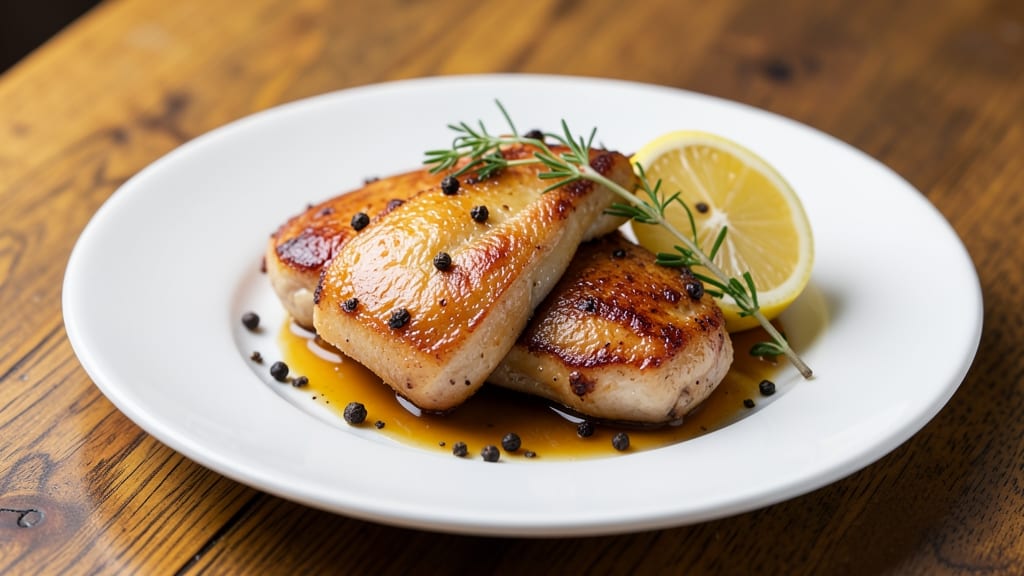
Mastering poached chicken recipe that delivers silky skin and a juicy center in just 30 minutes transformed my approach to weeknight dinners. After years of struggling with dry, overcooked chicken, I discovered the secret lies in precise temperature control and a simple broth ratio—no fancy equipment needed.
This method preserves moisture while creating a texture so tender it practically melts in your mouth.
The key to perfect poached chicken is maintaining a gentle simmer—never a rolling boil—which prevents the skin from becoming rubbery. I use a combination of water, aromatics like bay leaves and peppercorns, and a splash of vinegar to keep the meat tender and flavorful.
The process is hands-off once you get the water right, making it ideal for busy weeknights or when you want restaurant-quality results without the fuss.
What you'll achieve is chicken so moist and flavorful that even skeptics will be convinced. The skin remains silky rather than tough, and the meat stays juicy throughout. This technique works beautifully with thighs or breasts, and the leftovers reheat perfectly for sandwiches or salads.
The simplicity of the method makes it accessible, while the results feel like a special occasion.
Pair your poached chicken with a bright lemon-dill sauce or a simple herb butter for extra flavor. The beauty of this recipe is its versatility—it's perfect for meal prep, family dinners, or when you want to impress guests without spending hours in the kitchen.
Let's get started on creating chicken that's truly unforgettable.
Ingredients for poached chicken
Juicy chicken every time—just these ingredients and perfect poaching technique.
| Ingredient | Amount | Notes |
|---|---|---|
| Chicken Thighs or Breasts 🍗 | 1 ½ lb | Bone-in, skin-on preferred |
| Water 💧 | 4 cups | Filtered preferred for clarity |
| White Vinegar 🍶 | ¼ cup | Distilled or apple cider |
| Bay Leaves 🌿 | 2 whole | Fresh or dried, high quality |
| Black Peppercorns 🌶️ | 1 tbsp | Whole, lightly crushed |
| Garlic Cloves 🧄 | 4 cloves | Smashed for aroma infusion |
| Onion 🧅 | 1 whole | Yellow or white, peeled |
| Salt 🧂 | 1 ½ tsp | Diamond Crystal preferred |
| Fresh Thyme 🌿 | ¼ cup | Leaves only, stems removed |
| Fresh Parsley 🌿 | 0.2 cup | Chopped, for garnish |
| Lemon Juice 🍋 | 2 tbsp | Freshly squeezed, optional |
| Olive Oil 🫒 | 1 tbsp | Extra-virgin, for finishing |
The chicken cut matters most here. Thighs stay juicier longer, but breasts work too if you prefer leaner meat. Grab bone-in, skin-on pieces—they render flavor and stay moist. Trader Joe's or Whole Foods often have great pre-cut options, but check the packaging for freshness. Look for meat with a vibrant pink color and minimal slime. If using breasts, pound them to even thickness so they cook uniformly. The skin will become silky if you maintain that gentle simmer (never a boil).
No fresh thyme? Dried works at one-third the amount, but fresh is ideal. Short on vinegar? White wine or apple cider vinegar both work—just use the same quantity. The aromatics (bay leaves, peppercorns, garlic) are non-negotiable for flavor, but if you're in a pinch, dried mixed herbs can substitute at half the amount. For the onion, yellow or white are best—red adds color but less sweetness. The lemon juice is optional but brightens the final dish, so add it if you've got it. No need to peel the garlic cloves—just smash them lightly with the side of your knife for maximum aroma.
This chicken reheats beautifully—store in an airtight container with any remaining broth for 3-4 days in the fridge. For longer storage, freeze portions for up to 3 months. The poaching liquid makes a great base for soups or gravies, so don't toss it. I always portion the chicken into meal prep containers with a drizzle of olive oil and fresh parsley—ready to grab for lunches all week. The skin stays crispy when reheated, so it's perfect for sandwiches or salads too.
Why You'll Love This Recipe
- No-Fuss Simplicity: I swear by this for nights when I’m too tired to fuss. Just chicken, water, vinegar, and a handful of spices—no marinating, no basting, no hovering over a hot pan. Toss everything in, simmer, and walk away. That’s it.
- Taste Like a Restaurant: Honestly, the vinegar and peppercorns do something magical—the chicken stays juicy with a subtle tang that cuts through richness. It’s not fancy, but it’s solid, the kind of flavor that makes you pause mid-bite.
- Leftover Hero: Between us, this is my go-to for meal prep. The poached chicken stays tender for days, so I can toss it into salads, wraps, or grain bowls all week. No sad, dry leftovers here—just reliable, flavorful protein.
- Budget-Friendly Staple: Thighs or breasts, either way, this recipe stretches a dollar without sacrificing quality. A few bay leaves and peppercorns elevate the simplest chicken into something worth repeating. My wallet and my family thank me every time.
Step-by-step instructions for silky poached chicken
Here's how to transform simple ingredients into tender, restaurant-quality chicken.
Prepare the Poaching Liquid with Precision
In a large pot or deep skillet, combine the 4 cups water, 0.25 cup white vinegar, 2 whole bay leaves, 1 tablespoon black peppercorns, 4 smashed garlic cloves, and 1 whole peeled onion. Bring this mixture to a full rolling boil over high heat. The vinegar is crucial here—it helps tenderize the chicken while adding subtle acidity that brightens the flavor.
While waiting for the liquid to boil, lightly crush the 1 tablespoon black peppercorns between a rolling pin and cutting board. This releases their aromatic oils without turning them into powder, which would cloud the poaching liquid. Once boiling, reduce heat to medium-high and let the liquid simmer vigorously for 5 minutes to allow the aromatics to infuse fully. You'll notice the liquid becomes fragrant and slightly cloudy—this is when it's ready for the chicken.
Season and Poach the Chicken to Perfection
While the liquid simmers, pat the 1.5 lb chicken thighs or breasts completely dry with paper towels. Season both sides generously with 1.5 teaspoons salt—this creates a flavorful crust and prevents the skin from becoming rubbery. For bone-in, skin-on pieces, I like to press the seasoning into the skin gently so it adheres well.
Carefully lower the chicken into the simmering liquid, skin-side up if using thighs or breasts. The liquid should return to a gentle simmer immediately—if it stops bubbling, increase heat slightly. Poach for 12-15 minutes for breasts or 20-25 minutes for thighs, until the internal temperature reaches 165°F and the meat is fork-tender. The skin should be silky and opaque, not tough or leathery. Here's the thing—don't overcrowd the pot. Poaching too many pieces at once will lower the temperature and create uneven cooking.
Finish with Aromatics and Resting
Once the chicken reaches the proper temperature, remove it from the pot and transfer to a plate. Tent loosely with aluminum foil and let it rest for 5-10 minutes. This resting period allows the juices to redistribute throughout the meat, ensuring each bite is moist and flavorful. While the chicken rests, stir the 0.25 cup fresh thyme leaves into the poaching liquid and let it steep for 2 minutes to infuse the remaining liquid with aromatic depth.
For the final touch, drizzle the chicken with 1 tablespoon olive oil and squeeze 2 tablespoons lemon juice over the top. The oil adds richness while the lemon brightens the flavors and cuts through any potential heaviness. Garnish with 0.2 cup chopped fresh parsley just before serving. The parsley not only adds visual appeal but also introduces a fresh, herbal note that complements the silky chicken beautifully.
Pro Tips For Making Poached Chicken
- Use Cold Water, Start Slow: I learned this the hard way—dumping chicken into boiling water makes it tough as boot leather. Instead, start with cold water and bring it to a gentle simmer (tiny bubbles, not rolling). This keeps the meat tender and lets the vinegar do its magic without shocking the protein.
- Vinegar Ratio Matters: Too little vinegar and the water tastes flat; too much and you’ll regret it. For 4 cups of water, use ¼ cup white vinegar—just enough to brighten the broth without turning it into a science experiment. (Yes, even if you’re impatient like me.)
- Don’t Crowd the Pot: Chicken needs space to poach properly. If you jam thighs or breasts too close, they’ll steam instead of cook evenly, turning out soggy. Leave at least 1 inch between pieces—your future self will thank you.
- Check Internal Temp, Not Time: Poaching times vary wildly based on cut size. Skip guessing—use a meat thermometer. Thighs hit 165°F (74°C) faster than breasts, but always confirm. (I’ve pulled chicken "done" only to find it still gray—don’t be that person.)
Storing and reheating your poached chicken
Refrigerator Storage
Poached chicken stays fresh in the refrigerator for 3-4 days when stored properly. Transfer it to an airtight container with any remaining poaching liquid—this keeps it moist and flavorful. I like using glass Pyrex containers because they're easy to reheat directly.
Let the chicken cool completely before sealing to prevent condensation buildup, which can make the meat soggy. 💫
Freezer-Friendly Tips
For longer storage, freeze portions for up to 3 months in freezer-safe bags or containers. Lay the chicken flat in a single layer before freezing to prevent clumping. I've found that quart-sized Ziploc bags work best—they're stackable and thaw quickly.
Label with the date to track freshness. When ready to use, transfer directly from freezer to fridge to thaw overnight.
Stovetop Reheating
My preferred method is stovetop reheating—it preserves the silky skin and juicy texture. Place chicken in a skillet with 1-2 tablespoons of the reserved poaching liquid and heat over medium-low heat for 5-7 minutes. The liquid helps maintain moisture while gently warming the meat.
Avoid high heat, which can dry out the chicken. Taste and adjust seasoning after reheating with a pinch of salt or lemon juice if needed. 🔥
Oven Reheating
For a hands-off approach, preheat your oven to 300°F and place the chicken on a baking sheet lined with parchment paper. Drizzle lightly with olive oil and cover loosely with foil.
Bake for 10-15 minutes until warmed through. This method works well for larger batches and keeps the chicken tender without overcooking the edges.
Microwave Safety
When using the microwave, place chicken on a microwave-safe plate with a splash of water or poaching liquid. Cover with a damp paper towel and heat on 50% power for 1-2 minutes, checking frequently.
The damp towel prevents drying while the lower power setting ensures even heating. This is my go-to for quick lunches, but I always add a fresh squeeze of lemon afterward to brighten the flavors. ⚡
Leftovers Reinvention
Poached chicken reheats beautifully for sandwiches, salads, or grain bowls. I often shred it for tacos or chop it into bite-sized pieces for grain salads.
The tender texture works perfectly in banh mi sandwiches with pickled veggies and cilantro mayo, or in grain bowls with quinoa, roasted vegetables, and a tahini dressing. Don't let leftovers go to waste—get creative with how you repurpose them! 💡
Nutrition facts
Frequently asked questions
Why does poached chicken turn out rubbery sometimes?
The most common cause is boiling instead of simmering. A rolling boil tightens the fibers, creating tough meat. Keep the liquid at a gentle simmer—small bubbles breaking the surface—and never let it return to a full boil after adding chicken. The vinegar and proper seasoning also help maintain tenderness.
Can I use chicken breasts instead of thighs?
Chicken breasts work beautifully, but they cook faster and require more attention. Pound them to even thickness (½-inch) and poach for only 12-15 minutes until they reach 165°F. For extra tenderness, marinate them in buttermilk for 30 minutes before poaching. The skin stays silky if you maintain the gentle simmer.
What's the best way to use leftover poaching liquid?
Don't toss it! Strain and reduce it by half to make a flavorful pan sauce—just deglaze your pan with butter and a splash of cream. Or use it as a base for soups, risottos, or even a quick gravy. The aromatics infuse deep flavor, so save it for recipes where you want that subtle herby brightness. It keeps in the fridge for 3-4 days.
How do I keep the skin crispy after poaching?
Pat the skin completely dry before seasoning, and don't overcook the chicken. After poaching, transfer it to a paper towel-lined plate and press gently to remove excess moisture. For extra crunch, broil for 1-2 minutes skin-side up at the end—just watch closely to avoid burning. The key is that gentle simmer and proper drying before cooking.
Is poached chicken safe to eat if it's slightly undercooked?
No—always cook chicken to at least 165°F internally to kill bacteria. If your chicken is close but not quite there, return it to the simmering liquid for another 2-3 minutes. Undercooked chicken poses serious food safety risks, so use a meat thermometer to be sure. The gentle poaching method actually helps retain juices while ensuring safety.