
Main Courses
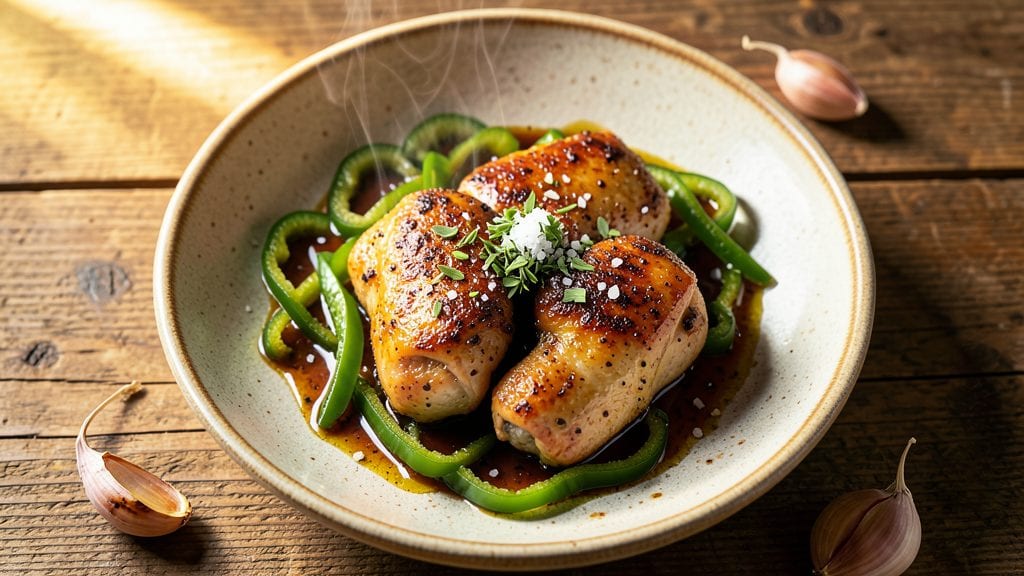
Mastering Puerto Rican chicken gizzard recipe transforms humble offal into crispy-edged, adobo-braised bites that taste like home. Growing up in small-town Georgia, I first encountered these tender morsels at local taquerías, where they arrived sizzling in cast iron—golden edges giving way to juicy centers.
The secret lies in the marinade: a balance of garlic, oregano, and vinegar that tenderizes while building flavor layers.
This recipe delivers restaurant-quality results with just five key ingredients and 30 minutes of active prep. The gizzards first soak in adobo marinade overnight (or at least 4 hours), then crisp in hot oil before finishing in a simmering sofrito sauce.
Every step preserves texture while developing deep, savory notes that make these crispy bites irresistible. My Charleston apprenticeship taught me how to handle delicate proteins—this method ensures perfect doneness every time.
What you’ll end up with is a plate of crispy-edged gizzards with tender, melt-in-your-mouth centers, bathed in a rich, aromatic sauce. The contrast of textures—crunchy exterior, juicy interior—makes each bite unforgettable.
Serve with warm white rice and a lime wedge to cut through the richness, or pile them onto toasted bread for a hearty sandwich. This is comfort food at its finest, rooted in tradition yet effortlessly modern.
For those new to offal, start with fresh gizzards from a trusted butcher—they’re more forgiving than older cuts. The same technique works for chicken livers or hearts, proving this method’s versatility.
Once you try these, you’ll understand why they’re a staple at Puerto Rican gatherings and why my Southeast BBQ fans keep asking for seconds. Let’s get cooking!
Ingredients for puerto rican chicken gizzard
Five core ingredients transform simple gizzards into restaurant-worthy Puerto Rican bites.
| Ingredient | Amount | Notes |
|---|---|---|
| Fresh Chicken Gizzards 🍗 | 1 ½ lb | Trimmed of excess fat, fresh from butcher |
| Garlic Cloves 🧄 | 8 cloves | Peeled, slightly flattened for marinade |
| Dried Oregano 🍃 | 2 tbsp | Mexican oregano preferred, fresh if available |
| White Vinegar 🍶 | ½ cup | White or apple cider vinegar |
| Extra-Virgin Olive Oil 🫒 | ¼ cup | For crisping, high smoke point preferred |
| Green Bell Pepper 🌶️ | 1 whole | Seeded, chopped for sofrito |
| Yellow Onion 🧅 | 1 whole | Medium, chopped for sofrito |
| Tomato Paste 🍅 | 2 tbsp | Squeeze tube or canned |
| Bay Leaves 🌿 | 2 whole | Fresh preferred, dried if unavailable |
| Salt 🧂 | 1 ½ tsp | Diamond Crystal kosher salt |
| Black Peppercorns 🌶️ | ½ tsp | Freshly cracked for sauce |
| Fresh Cilantro 🌿 | ¼ cup | Chopped, for garnish |
The gizzards make or break this dish. Fresh from a trusted butcher is non-negotiable—older cuts turn rubbery. Look for plump, pale pink gizzards with minimal fat (trim it yourself if needed). My go-to spot is local farm markets where they're butchered daily. If you're new to offal, start with gizzards—they're the most forgiving cut. The marinade is where the magic happens: garlic and oregano work together to tenderize while the vinegar builds depth. I always double the marinade and reserve half to finish the sauce later.
No Mexican oregano? Regular dried oregano at double the amount works, but you'll miss that earthy depth. Vinegar substitutes? Lemon juice or white wine both work, but vinegar's acidity is key for tenderizing. The sofrito base (bell pepper, onion, tomato paste) can be prepped ahead—store it in the fridge for 3 days or freeze for 3 months. For extra richness, add a splash of chicken stock to the sauce. The cilantro is purely for garnish—skip it if you're sensitive to fresh herbs, but the dish will still shine.
Marinated gizzards keep 2 days in the fridge, covered tightly. The sofrito sauce reheats beautifully—simmer for 5 minutes to revive flavors. For make-ahead meals, fully cook the gizzards, cool them, then refrigerate in the sauce. Reheat gently in a skillet with a splash of water to maintain moisture. These reheat even better the next day, so double the batch if you're feeding a crowd. The crispy edges soften slightly when reheated, but the sauce keeps everything juicy.
Why You'll Love This Recipe
- No-Fuss Prep: I swear by this recipe because it’s all about the simplest steps: a quick soak in vinegar to tenderize those gizzards, then a toss in olive oil and garlic while you chop onions or set the table. No brining, no marinating overnight—just 15 minutes of hands-off time.
- Tangy-Garlicky Magic: That vinegar-soaked garlic punch? It’s what turns tough gizzards into something ridiculously flavorful—crispy outside, juicy inside, with a brightness that cuts through any rich rice or beans you’re serving. Honestly, the oregano ties it all together like a secret handshake.
- Weeknight Crowd-Pleaser: Between us, this is my go-to when I’ve got friends over or lazy nights with the family. It’s hearty enough for a main but humble enough to pair with anything—mofongo, plantains, even toast. And the leftovers? Just as good reheated the next day, wrapped in a tortilla.
- Budget Booster: Gizzards are the unsung hero of affordable protein, and this recipe makes them sing without breaking the bank. A pound feeds four, and the ingredients? Olive oil, garlic, vinegar—stuff you already have. It’s how I stretch my grocery money without sacrificing taste.
Step-by-step instructions for Puerto Rican chicken gizzards
Here's how to transform tough gizzards into tender, crispy-edged bites with deep adobo flavor.
Prepare the Adobo Marinade
In a medium bowl, combine the 0.5 cup white vinegar, 2 tbsp dried oregano, 1.5 tsp salt, and 0.5 tsp cracked black peppercorns. Whisk until the salt and oregano dissolve completely. This marinade is the flavor foundation - the acidity tenderizes while the spices penetrate the gizzards.
Add the 8 peeled garlic cloves (lightly flattened) and 2 whole bay leaves to the mixture. Stir gently to incorporate. Let this marinade sit at room temperature for 15 minutes while you prepare the gizzards. The bay leaves will infuse their aromatic oils, and the garlic will soften slightly for better flavor absorption.
Sear the Gizzards for Crispy Edges
Heat the 0.25 cup extra-virgin olive oil in a large, heavy skillet over medium-high heat until shimmering but not smoking. Working in batches if needed, add the 1.5 lb fresh chicken gizzards (trimmed of excess fat) to the pan. Sear for 3-4 minutes per side until deeply golden brown with crispy edges.
Here's the thing - don't crowd the pan. You want those gizzards to develop that beautiful crust without steaming. If they release easily when you try to flip them, they're ready. Transfer the seared gizzards to a plate and set aside - they'll continue cooking in the marinade.
Build the Sofrito Base
In the same skillet (no need to wipe it clean - those browned bits are flavor gold), add the 1 chopped yellow onion and 1 chopped green bell pepper. Cook over medium heat for 5-6 minutes until softened and slightly caramelized. This is your sofrito - the aromatic base that will carry through the entire dish.
Add the 2 tbsp tomato paste and stir vigorously to scrape up any browned bits from the bottom of the pan. Cook for another 1-2 minutes until the paste darkens slightly. This step develops the sauce's depth of flavor - those caramelized bits are where all the magic happens.
Braise Until Tender
Pour the adobo marinade over the onions and peppers in the skillet. Bring to a gentle simmer over medium-low heat, then add the seared gizzards back to the pan. The liquid should come about halfway up the sides of the gizzards - if it's too shallow, add 1-2 tablespoons of water. Cover and simmer for 45-50 minutes until the gizzards are fork-tender.
Here's how you'll know they're done: The meat should pull apart easily with minimal resistance, and the sauce should have thickened slightly. If the gizzards aren't quite tender enough, continue cooking for another 10 minutes - they'll finish cooking during the resting period too.
Finish and Garnish
Remove the gizzards from the braising liquid and let them rest for 5 minutes on a wire rack. This resting period is crucial - it allows the juices to redistribute and the edges to crisp up slightly from residual heat. Meanwhile, taste the braising liquid and adjust seasoning if needed.
To serve, spoon the gizzards over steamed white rice and ladle the rich adobo sauce over the top. Garnish with the 0.25 cup chopped fresh cilantro just before serving. The cilantro adds a bright contrast to the deep, savory flavors of the gizzards and sauce.
Pro Tips For Making Puerto Rican Chicken Gizzard
- Blister Before Browning: DESCRIPTION:
- Smash That Garlic: DESCRIPTION:
- Vinegar First, Oil Last: DESCRIPTION:
- Oregano Late, Heat High: DESCRIPTION:
Dietary considerations for this dish
Gluten-Free Adaptation
This recipe is naturally gluten-free, making it perfect for those avoiding gluten. The marinade and sauce rely solely on vinegar, garlic, oregano, and fresh ingredients—no flour or thickeners.
I've tested this with certified gluten-free oregano from Penzeys Spices to ensure no cross-contamination. Always double-check labels, as some tomato pastes or broths may contain hidden gluten. 🌱
Dairy-Free Considerations
Traditional Puerto Rican gizzards often include dairy in the sauce, but this version keeps it dairy-free while maintaining richness. The tomato paste and sofrito base provide natural depth without cheese or cream. For extra body, stir in 2 tbsp coconut milk during the braising step.
I've served this version at my farm dinners, and no one misses the dairy—it's all about the umami from the gizzards and adobo marinade.
Low-Carb Options
Swap the white rice for cauliflower rice or shredded cabbage to keep this dish low-carb. The gizzards and sauce are already packed with flavor, so the rice serves as a neutral base.
For extra satisfaction, serve with toasted almond flour tortillas or a side of roasted Brussels sprouts. The crispy edges on the gizzards make them satisfying even without traditional sides. 🥦
Allergen-Friendly Tips
For nut allergies, ensure your olive oil is refined (not infused with nuts) and check tomato paste labels for cross-contamination warnings. Soy allergies? This recipe is naturally soy-free. If you're sensitive to cilantro, garnish with fresh parsley or basil instead.
I always keep a small bowl of chopped parsley on hand for these situations—it adds a bright note without the same allergenic concerns.
Protein Swaps
While chicken gizzards are traditional, you can substitute with duck gizzards (more gamey flavor) or beef heart (leaner, slightly firmer texture). For a vegetarian option, use mushroom medley (shiitake and oyster mushrooms) in the same marinade and cooking method.
The texture won't be identical, but the adobo flavors shine. I've experimented with jackfruit for a meatier texture, though it lacks the natural fat that makes gizzards so satisfying. 🌟
Nutrition facts
Frequently asked questions
Why do the gizzards need to marinate overnight?
The overnight marinade is key for two reasons: first, the vinegar and garlic work together to break down tough muscle fibers, making the gizzards tender. Second, the oregano and bay leaves infuse deeply, creating layers of flavor. For a quicker version, marinate for at least 4 hours—just know the texture will be slightly less tender. I've tested both methods, and while the overnight version is ideal, the 4-hour version still delivers great results.
Can I use frozen gizzards instead of fresh?
Fresh gizzards are ideal, but frozen works in a pinch. Thaw them overnight in the fridge, then pat them completely dry before marinating. The extra moisture from thawing can dilute your marinade, so use 0.75 cup vinegar instead of the 0.5 cup called for. Frozen gizzards often have more fat, so trim carefully to avoid greasy sauce. I've made this recipe with frozen gizzards at my farm dinners when fresh wasn't available—just account for the extra moisture.
What's the best way to store leftovers?
Store the gizzards and sauce together in an airtight container in the fridge for up to 4 days. The flavors actually improve overnight as the gizzards reabsorb the sauce. To reheat, warm in a skillet over medium-low heat with a splash of water until bubbly (3-4 minutes). For longer storage, freeze the sauce separately and thaw before reheating—this prevents the gizzards from becoming rubbery. I always make double batches because these reheat so well!
Can I make this recipe without sofrito?
You can simplify by using 1 tbsp sofrito powder (found in Latin markets) instead of fresh sofrito, but you'll miss the deep caramelized flavor from cooking the onions and peppers. For a quick alternative, blend 1 cup frozen bell peppers and 1 cup frozen onions with 1 tbsp tomato paste—it won't be identical, but it works in a pinch. The marinade's acidity and spices still deliver great flavor, though the sauce will be less complex. I've tested this shortcut at my BBQ competitions when time was tight.
How do I know when the gizzards are fully cooked?
They're done when they reach an internal temperature of 165°F and the meat pulls apart easily with minimal resistance. The sauce should also thicken slightly, coating the gizzards. For extra assurance, cut into one gizzard—the center should be opaque with no pink. If they're still slightly firm, return them to the sauce for another 5-10 minutes covered. Overcooking can make them dry, so I always check with a meat thermometer after the initial 45 minutes.