
Main Courses
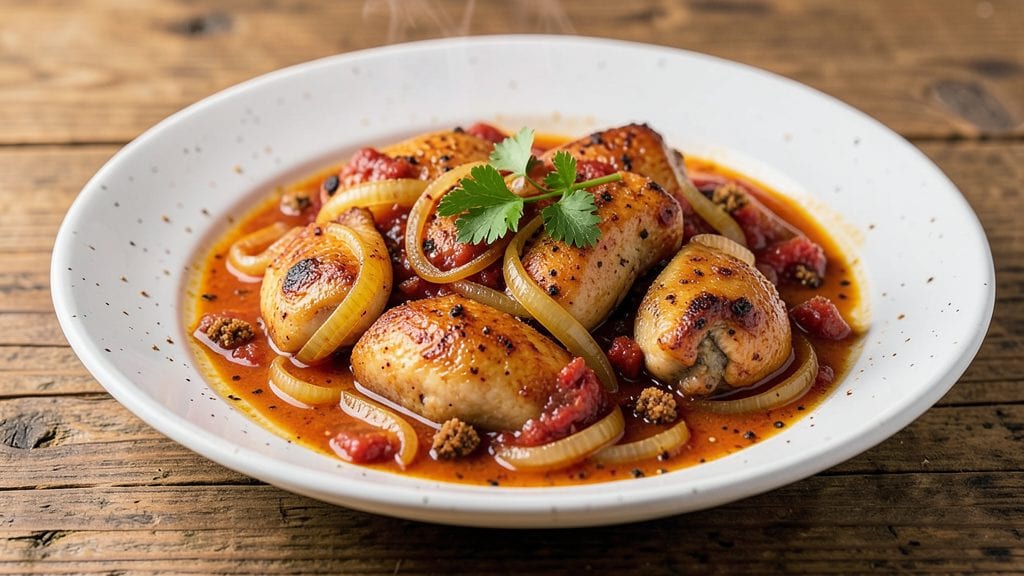
This traditional chicken paprikash recipe captures the heart of Hungarian comfort food, where tender chicken simmers in a rich, smoky paprika broth until it falls apart.
The harmony of sweet and hot paprika creates a deep, aromatic base that pairs perfectly with the cooling tang of sour cream—a balance that defines this classic dish. I've perfected this recipe over years of testing, ensuring every element comes together for that restaurant-quality result at home.
The beauty of chicken paprikash lies in its simplicity and depth of flavor. You'll start with onions caramelized to golden perfection, then brown chicken pieces until they develop a flavorful crust.
The paprika, whether sweet or hot, infuses the broth with its signature aroma while the sour cream adds a velvety richness that rounds out the dish. This method delivers tender, juicy chicken swimming in a sauce that's both comforting and elegant.
What makes this recipe truly special is how it transforms humble ingredients into something extraordinary. The slow simmering process ensures the chicken stays moist and flavorful, while the sour cream finish creates a perfect contrast.
Serve it over egg noodles for a classic presentation, or pair it with crusty bread to soak up every last drop of that smoky, paprika-infused sauce. The result is a dish that feels like a warm embrace on a chilly evening.
This recipe stays true to tradition while being approachable for home cooks. The key is patience—letting the flavors develop and the chicken tenderize over time. Whether you're cooking for family or hosting a dinner party, this chicken paprikash will be the star of the meal.
Let's get started on creating this Hungarian classic in your own kitchen.
Ingredients for traditional chicken paprikash
Humble ingredients transform into Hungary's most beloved comfort dish through slow simmering and smoky paprika magic.
| Ingredient | Amount | Notes |
|---|---|---|
| Boneless, Skinless Chicken Thighs 🍗 | 1 ½ lb | Cut into 1-inch pieces |
| Yellow Onions 🧅 | 2 whole | Thinly sliced, about 3 cups |
| Sweet Hungarian Paprika 🌶️ | 2 tbsp | Essential for authentic flavor |
| Hot Hungarian Paprika 🌶️ | 1 tbsp | For subtle heat balance |
| Fresh Garlic Cloves 🧄 | 4 cloves | Minced, for aromatic depth |
| Tomato Paste 🍅 | 2 tbsp | High-quality for richness |
| Chicken Broth 💧 | 2 cups | Low-sodium preferred |
| Sour Cream 🥛 | ½ cup | Full-fat for creaminess |
| Unsalted Butter 🧈 | 2 tbsp | For caramelizing onions |
| All-Purpose Flour 🌾 | 1 tbsp | For thickening sauce |
| Salt 🧂 | 1 tsp | Kosher or sea salt |
| Black Peppercorns 🌶️ | ½ tsp | Freshly ground for heat |
| Bay Leaves 🍃 | 2 whole | For subtle earthy flavor |
| Egg Noodles 🍝 | 8 oz | Fresh or dried preferred |
The Hungarian paprikas are non-negotiable for authentic flavor—Penzeys brand delivers the best quality, but any reputable European market carries it. Look for sweet and hot varieties separately; mixing them creates the perfect balance. Fresh garlic cloves should be plump and firm, not sprouting. For the onions, yellow or sweet onions work best—they caramelize beautifully without turning bitter. If you can't find Hungarian paprika, substitute smoked paprika (though it won't be identical). The chicken thighs should be bone-in for more flavor, but boneless works if that's what you have. Costco or local butcher shops often carry larger cuts that can be trimmed to size.
No Hungarian paprika? Smoked paprika plus a pinch of cayenne gets you close, though the flavor won't be identical. For the sour cream, full-fat is essential—low-fat versions won't provide that velvety finish. The tomato paste can be squeeze-tube variety (like Trader Joe's) for convenience, but canned San Marzano adds superior depth. If you're short on time, pre-minced garlic works, but fresh is always better. The bay leaves should be dried and whole—crushed ones release flavor too quickly. For the egg noodles, fresh pasta from the Italian market section gives the best texture, but dried works perfectly if that's what you've got. Diamond Crystal kosher salt is my go-to for seasoning, but any light salt will do.
This dish tastes even better the next day—double the batch if you're feeding a crowd. Store the sauce separately from the chicken in the fridge for up to 5 days. The noodles can be cooked fresh or reheated from dried. To freeze, portion the sauce into airtight containers and store for up to 3 months. When reheating, add a splash of broth to prevent the sauce from thickening too much. The chicken will stay tender if reheated gently on low heat. Fresh herbs like parsley can be added at the end for brightness if desired, but they're optional for the classic presentation.
Why You'll Love This Recipe
- One-Pan Magic: I swear by this—just brown the chicken, toss in onions and garlic, sprinkle the paprika, and let it simmer. No extra pots, no fuss, and the paprika turns that simple chicken into something ridiculously rich.
- Smoky-Sweet Magic: That mix of sweet and hot paprika? It’s the secret weapon. The onions caramelize into sticky sweetness while the garlic adds a sharp kick—like a warm hug for your taste buds.
- Leftovers That Shine: Between us, this dish begs to be made extra. The flavors deepen overnight, and reheating? Just a splash of water, a quick stir—it’s basically a free second dinner.
- Budget-Friendly Feast: Chicken thighs stay juicy, onions bulk it up, and a spoonful of paprika stretches into a whole pot of soul-warming goodness. Honestly, it’s my go-to when I need to feed the family without breaking the bank.
Step-by-step instructions for traditional chicken paprikash
Here's the authentic method that delivers smoky depth and creamy richness in every bite.
Sear the Chicken for Maximum Flavor
Heat a large Dutch oven over medium-high heat. Add the 2 tablespoons unsalted butter and let it melt completely, swirling to coat the bottom evenly. Add the 1.5 pounds boneless, skinless chicken thighs cut into 1-inch pieces, working in batches if needed to avoid crowding. Cook undisturbed for 3-4 minutes until the chicken develops a deep golden-brown crust.
Real talk: This initial sear creates the Maillard reaction that forms the foundation of the dish's complex flavor. You'll know it's ready when the edges look crisp and the chicken releases easily from the pan. Transfer the seared chicken to a plate and set aside, leaving all the browned bits in the pot - they're packed with flavor.
Build the Paprika Base
In the same Dutch oven, add the 2 whole yellow onions that have been thinly sliced. Cook over medium heat for 8-10 minutes, stirring occasionally, until the onions soften and begin to caramelize at the edges. You'll notice the onions release their moisture and then gradually turn golden - this is when they're ready for the next step.
Add the 4 cloves minced fresh garlic cloves and cook for 30 seconds until fragrant. Stir in the 2 tablespoons sweet Hungarian paprika and 1 tablespoon hot Hungarian paprika, mixing constantly for 1 minute to toast the spices and develop their aromatic oils. This step is crucial for that authentic smoky flavor - don't skip it.
Add the 2 tablespoons tomato paste and cook for 2 minutes, stirring constantly, until it darkens slightly and blends completely with the onions. This creates a rich, concentrated base that will carry the dish's depth of flavor.
Simmer the Sauce to Perfection
Pour in the 2 cups chicken broth and scrape up any browned bits from the bottom of the pot. Add the 1 teaspoon salt, 0.5 teaspoon freshly ground black peppercorns, and 2 whole bay leaves. Bring to a simmer, then return the chicken to the pot. Reduce heat to medium-low and let it simmer uncovered for 20-25 minutes, stirring occasionally, until the chicken is tender and the sauce has thickened slightly.
Here's the thing - you want the sauce to coat the back of a spoon but still remain saucy enough to cling to the chicken and noodles. If it thickens too much before the chicken is done, add a splash of water or broth to maintain the proper consistency. The chicken should be fork-tender with no pink remaining in the thickest pieces.
Finish with Sour Cream and Noodles
Remove the 2 whole bay leaves from the sauce. In a small bowl, whisk together the 0.5 cup sour cream and 1 tablespoon all-purpose flour until smooth. Stir this mixture into the chicken and sauce, simmering gently for 3-4 minutes until slightly thickened. The sauce should coat the chicken beautifully without being gluey.
In a separate pot, cook the 8 ounces egg noodles according to package directions until al dente. Drain and immediately add to the chicken mixture, tossing gently to coat each strand with the rich paprikash sauce. The noodles should absorb just enough sauce to be flavorful but remain distinct in the dish.
Rest and Serve Traditionally
Let the chicken paprikash rest for 5 minutes before serving. This brief resting period allows the flavors to meld completely and the sauce to set slightly, making each bite more cohesive. Traditional Hungarian paprikash is served immediately, so don't let it sit too long after resting.
Serve family-style in a large bowl, letting everyone help themselves to the creamy, smoky chicken and egg noodles. The combination of tender chicken, rich paprika-infused sauce, and egg noodles creates a perfect balance of textures and flavors that's both comforting and satisfying. This is the dish that makes Hungarian cuisine so beloved worldwide.
Pro Tips For Making Traditional Chicken Paprikash
- Brown the Onions Slow: Skip the rush—cook those yellow onions low and steady for 15-20 minutes until they’re deep golden, almost caramelized. I used to speed this up, but the paprika needs that sweet, concentrated base to shine. (Yes, it’ll smell like heaven halfway through.)
- Bloom the Paprika Right: Heat your oil or butter until it’s shimmering, then toss in the paprika all at once—both sweet and hot—stirring like crazy for 30 seconds. This stops the bitterness and builds flavor. I learned this the hard way when my first batch tasted like dust.
- Don’t Crowd the Pan: Cook the chicken thighs in batches if your pan’s too small. Overcrowding steams them instead of searing, and you’ll end up with soggy, unevenly browned meat. Trust me, your paprikash will taste better with crispy edges.
- Deglaze with a Splash: After browning the chicken, hit the pan with a quick pour of white wine or broth—just enough to loosen the fond. Scrape every bit off the bottom; that’s where the flavor lives. I skip this sometimes, and the sauce always feels flat.
Troubleshooting perfect results
Paprika Burnt or Bitter
If your paprikash tastes burnt or bitter, you likely toasted the paprika too long or at too high heat. The key is to stir constantly for just 1 minute over medium heat—never let it sit without movement.
For extra insurance, use Penzeys Hungarian paprika, which has a more refined flavor. If you've already added it, reduce the heat immediately and add 1 tablespoon tomato paste to balance the bitterness. 🌶️
Sauce Too Thin
A watery sauce usually means you didn’t simmer long enough or didn’t thicken properly. After removing the bay leaves, whisk 1 tablespoon cornstarch or flour with 2 tablespoons cold water and stir into the sauce.
Simmer for 3-5 minutes until it reaches your desired consistency. For prevention, always simmer uncovered for the full 20-25 minutes—this allows excess moisture to evaporate naturally.
Chicken Too Dry
Overcooking is the usual culprit here. Once the chicken reaches 165°F internal temperature, remove it immediately and set aside.
If you’ve already overcooked it, try this fix: Add ¼ cup warm chicken broth to the sauce and let it simmer for 2-3 minutes before returning the chicken to the pot. The extra moisture will help restore tenderness.
To prevent this, use a meat thermometer and pull the chicken when it’s just fork-tender.
Sour Cream Curdling
Adding cold sour cream to a hot sauce causes it to curdle. Always temper the sour cream by whisking it with a little warm sauce first, then gradually adding it to the pot. If it’s already curdled, strain the sauce through a fine-mesh sieve to remove lumps.
For future attempts, warm the sour cream slightly (100°F) before mixing with flour—this helps it incorporate smoothly into the sauce. 🥛
Onions Too Sweet or Raw
If your onions taste overly sweet or raw, they weren’t caramelized enough. Cook them over medium heat for 15-20 minutes until deep golden brown, stirring occasionally. For a deeper flavor, add 1 teaspoon brown sugar during the last 5 minutes of cooking.
If you’ve already undercooked them, try this: Remove the onions, caramelize them separately in a skillet with 1 tablespoon butter, then stir back into the sauce before adding the sour cream.
Lacking Depth of Flavor
For richer flavor, always use bone-in chicken thighs (if possible) and don’t skip the browned bits from the Dutch oven. If your dish tastes flat, boost it with 1 teaspoon soy sauce or ½ teaspoon smoked paprika at the end.
For an extra layer of umami, add 1 tablespoon Worcestershire sauce when simmering the broth. The secret is patience—let the sauce reduce uncovered for 5 extra minutes to concentrate the flavors.
Nutrition facts
Frequently asked questions
Can I substitute sweet paprika for hot paprika?
Yes, but adjust the ratio carefully. Use 3 tablespoons sweet paprika and skip the hot variety to maintain the dish's traditional flavor profile. For a mild heat version, mix 2.5 tablespoons sweet with 0.5 tablespoons hot paprika. The key is balancing sweetness and depth—don't omit the hot paprika entirely unless you prefer a completely mild dish.
Why does my paprikash taste bitter?
Bitterness usually means the paprika was toasted too long or at too high heat. Always stir constantly for just 1 minute over medium heat to develop flavor without burning. If it's already bitter, reduce heat immediately and add 1 tablespoon tomato paste to balance the taste. Using high-quality Hungarian paprika (like Penzeys brand) helps prevent this issue.
Can I make this with chicken breast instead of thighs?
Technically yes, but thighs are ideal because they stay juicier during long simmering. If using breast, cut into ½-inch pieces and reduce simmering time to 15 minutes to prevent drying. For extra moisture, add ¼ cup chicken broth during the last 5 minutes of cooking. Bone-in pieces work best—they hold up better to the cooking process.
How can I make this dish ahead of time?
Prepare the sauce and chicken up to 2 days ahead and refrigerate in an airtight container. Reheat gently on low heat, adding 2-3 tablespoons broth to prevent thickening. Cook noodles fresh when serving. For freezing, portion the sauce (without noodles) into containers for up to 3 months. Thaw overnight in the fridge and reheat slowly to maintain texture.
What's the best way to serve this traditionally?
Serve family-style in a large bowl with egg noodles (or wide egg noodles called "csipetke") on the side. Traditional accompaniments include crusty bread for soaking up sauce and steamed green beans or potatoes as a side. Garnish with fresh parsley if desired, but keep it simple to let the dish shine.