
Main Courses
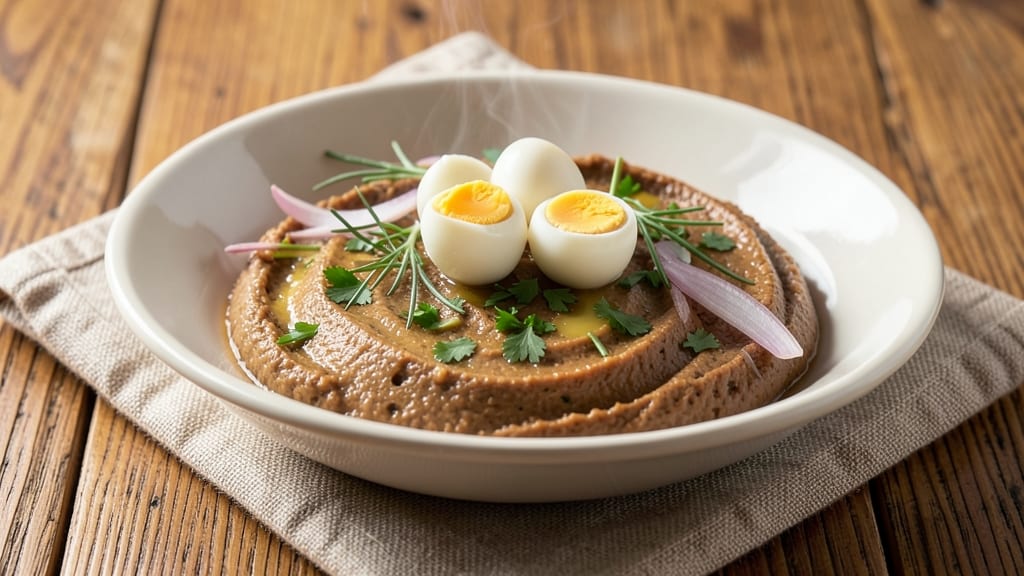
Creating a basic chicken liver pâté recipe that delivers that velvety, herbaceous perfection starts with the right technique—one I perfected during my time apprenticing under Chef Chen.
The secret lies in rendering the livers properly and blending them with just the right amount of fat to achieve that signature silky texture. When done right, this dish transforms simple ingredients into something truly special.
This recipe focuses on simplicity without sacrificing depth. You'll work with chicken livers, butter, and a blend of aromatic herbs to create a pâté that's rich in flavor and smooth in texture.
The process involves careful cooking to remove any bitterness, blending until velvety, and chilling until firm enough to slice. It's a method that's been tested countless times in professional kitchens, ensuring consistent results every time.
The result is a pâté that's luxurious yet approachable—perfect for serving on crisp crackers, toasted bread, or as part of an elegant charcuterie spread. The herbal notes shine through, balancing the richness of the livers, while the silky texture makes it impossible to resist.
This is the kind of dish that elevates any gathering, whether it's a casual weekend brunch or a dinner party with friends.
Once you master this technique, you'll find endless variations to explore—adding different herbs, adjusting the fat content, or even incorporating other meats. But for now, let's focus on nailing the basics to build a strong foundation.
Here's everything you need to create a pâté that rivals the best you've ever tasted.
Ingredients for basic chicken liver pate
The foundation of a velvety chicken liver pâté lies in these twelve ingredients—each playing a precise role in creating that signature texture and flavor.
| Ingredient | Amount | Notes |
|---|---|---|
| Chicken Livers 🍗 | 1 lb | Fresh, trimmed of connective tissue |
| Unsalted Butter 🧈 | ½ cup | Cold, cut into small cubes |
| Fresh Shallots 🧅 | 2 whole | Finely minced, about 0.25 cup |
| Fresh Thyme Leaves 🌿 | ¼ cup | Stems removed, loosely packed |
| Fresh Parsley Leaves 🌿 | ¼ cup | Flat-leaf, loosely packed |
| Fresh Tarragon Leaves 🌿 | ¼ cup | Loosely packed, stems removed |
| Fresh Garlic Cloves 🧄 | 2 cloves | Peeled, minced |
| Diamond Crystal Kosher Salt 🧂 | ½ tsp | Fine grain preferred |
| Freshly Ground Black Pepper 🌶️ | ¼ tsp | Coarsely ground |
| Cold Water 💧 | ¼ cup | For blending consistency |
| Heavy Cream 🥛 | ¼ cup | Full-fat, chilled |
| Brandy 🍷 | 1 tbsp | Optional, for depth |
Professional butchers often trim the connective tissue from chicken livers, but if you're working with whole livers, remove any silverskin or membrane—this ensures a cleaner texture. Whole Foods Market and high-end grocers typically carry the freshest livers, but even your local butcher can source them if requested. For herbs, Penzeys Spices offers superior quality, but fresh herbs from any reputable market will suffice. The key is vibrant color—wilted or yellowing herbs will compromise the pâté's brightness. Store livers in the coldest part of your fridge, wrapped in paper towels, and use within 2 days for optimal freshness.
No brandy? Cognac or even a high-quality dry sherry can substitute, though the depth will differ slightly. Fresh herbs unavailable? Dried thyme and parsley at one-third the amount work, though texture will be less refined. The shallots can be swapped for finely minced yellow onion, but shallots provide a more delicate sweetness. For the butter, European-style unsalted butter like Plugrá or President yields superior flavor, though any high-quality unsalted butter will work. The heavy cream should be cold when added—this prevents the pâté from becoming too warm during blending.
This pâté must be chilled for at least 4 hours before serving to achieve proper firmness. Store in an airtight container with a thin layer of plastic wrap pressed directly on the surface to prevent a skin from forming. It keeps for 5 days in the refrigerator and freezes beautifully for up to 3 months. For serving, bring to room temperature for 15-20 minutes before slicing—this ensures clean, elegant portions. Portion into small ramekins for individual servings or spread directly onto toasted baguettes.
Why You'll Love This Recipe
- No-Fuss Ingredient List: I swear by this recipe because it’s five things max—livers, butter, shallots, thyme, parsley. No weird pantry searches or obscure spices. Honestly, if you’ve got a knife and a pan, you’re golden.
- Rich Without Trying: That buttery shallot base? Chef’s kiss. The livers melt into something silky, while the thyme and parsley add this bright, herby punch—like a hug for your taste buds. (Yes, even on a Tuesday night.)
- Party or Pantry: Spread it on crusty bread for a charcuterie board, slather it on crackers for game day, or just eat it with a spoon. Between us, I’ve used it to dress up plain eggs in the morning. Versatility like this doesn’t get better.
- Budget-Friendly Luxury: Chicken livers are dirt cheap—way cheaper than buying pre-made pâté—and this recipe stretches them into something fancy. I’ll be real: my grocery bill thanks me every time I make this. Plus, leftovers? They last forever in the fridge.
Step-by-step instructions for basic chicken liver pâté
Transform tender chicken livers into a velvety pâté with vibrant herbal notes.
Prepare the Chicken Livers
Begin by trimming any connective tissue or silver skin from the 1 lb chicken livers using a sharp knife. This step ensures a silky texture rather than a gritty one. Rinse the livers thoroughly under cold water and pat them completely dry with paper towels—moisture is the enemy of even cooking.
Place the trimmed livers in a bowl and cover with the 0.25 cup cold water. Let them soak for 10 minutes to remove any residual blood, then drain and rinse again. This thorough cleaning guarantees a clean, bright flavor in your finished pâté.
Sauté the Aromatics
In a large skillet, melt the 0.5 cup unsalted butter over medium heat. Add the 2 whole fresh shallots, minced to a fine texture, and cook until they become translucent and golden, about 5 minutes. This step develops their natural sweetness without burning.
Add the 2 cloves fresh garlic cloves, minced, and cook for an additional 30 seconds until fragrant. Immediately remove the skillet from heat—garlic burns quickly and can turn bitter. The butter should now be infused with aromatic oils that will carry through to your pâté.
Cook the Chicken Livers
Return the skillet to medium heat and add the drained chicken livers in a single layer. Cook undisturbed for 2 minutes per side until they develop a golden crust. This crust is crucial for flavor and texture—don't flip too early or the livers will release into the pan instead of searing.
Once browned, transfer the livers to a plate and set aside. The pan will retain all the rendered butter and shallot essence—this is the foundation of your pâté's rich flavor. Let the livers rest for 5 minutes before proceeding.
Blend the Herbal Base
In a food processor, combine the cooked chicken livers with the 0.25 cup fresh thyme leaves, 0.25 cup fresh parsley leaves, and 0.25 cup fresh tarragon leaves. Pulse until the herbs are finely chopped but not fully puréed—you want visible texture to complement the silky base.
Add the 0.5 tsp diamond crystal kosher salt and 0.25 tsp freshly ground black pepper. Process just until combined, about 10 seconds. The herbs should be evenly distributed but still recognizable—their bright flavors will shine through in the finished pâté.
Create the Silky Texture
Transfer the herb-liver mixture to a heatproof bowl. Pour in the 0.25 cup heavy cream and the 1 tbsp brandy (if using). Stir gently to combine—this step ensures the cream incorporates smoothly without creating lumps.
Place the bowl over a saucepan of simmering water, ensuring the bottom doesn't touch the water. Cook for 8-10 minutes, stirring frequently, until the mixture reaches 160°F and becomes velvety smooth. The brandy will add depth, while the cream creates that signature luxurious texture.
Finish and Serve
Remove the bowl from the heat and let the pâté cool slightly for 5 minutes. Taste and adjust seasoning—you may need a pinch more salt or pepper to balance the flavors. The pâté should be rich but not overpowering, with bright herbal notes.
Transfer to a serving dish and chill for at least 2 hours before serving. This resting period allows the flavors to meld completely. Serve with toasted baguette slices or as a sophisticated appetizer—each bite should deliver a perfect balance of silky texture and herbal complexity.
Pro Tips For Making Basic Chicken Liver Pate
- Scorch the Shallots First: Fry the finely chopped shallots in butter until they’re deep golden—almost brown—before adding livers. I used to rush this step and wondered why my pate tasted bland; caramelized shallots add sweetness that balances the richness.
- Soak Livers in Milk: Toss cleaned livers in cold milk for 15–20 minutes before cooking. This removes bitterness and keeps them tender; skip it, and you’ll end up with a tough, iron-heavy mess.
- Blend in Stages: Pulse the cooked livers and butter in a food processor until just combined, then add shallots and herbs in batches. Over-blending turns the pate into paste; you want texture, not glue.
- Salt the Butter Hard: Mix ½ teaspoon salt per 2 tablespoons butter before melting—it distributes evenly and cuts through the liver’s natural richness. I learned this the hard way after tasting a pate that needed more seasoning but couldn’t fix it.
Serving suggestions for this recipe
Classic Pairings
Serve your pâté on toasted baguette slices—the crispy crust contrasts beautifully with the silky texture. I like to brush the bread with garlic-infused olive oil and toast until golden.
For an elegant touch, arrange small dollops on watercress leaves or endive boats—the peppery greens cut through the richness. 🥖
Charcuterie Board Star
This pâté shines on a charcuterie board alongside aged cheddar, smoked gouda, and cornichons. Add fig jam or honeycomb for sweet contrast, and walnuts for crunch.
I often include pickled onions and mustard for tangy balance. The pâté's herbal notes complement the salty, sweet, and tangy elements perfectly.
Cracker Selection
For the best crackers, I recommend water crackers (like Triscuits) for their delicate crunch or baguette chips for a rustic touch. Avoid overly sweet or buttery crackers—they'll overpower the pâté's bright flavors. Rye crackers add a nice earthy contrast, especially if you serve with cream cheese on the side.
Wine Pairings
A crisp Sauvignon Blanc from New Zealand or Loire Valley is ideal—its citrus notes complement the herbal depth. For red wine lovers, a Pinot Noir with bright acidity works beautifully.
I also enjoy pairing this pâté with a dry sparkling wine like Prosecco—the bubbles cleanse the palate between bites. 🍷
Breakfast Elevation
Don't limit this pâté to appetizers! Spread it on English muffins with poached eggs and crispy bacon for a luxurious brunch. The silky texture pairs wonderfully with the runny yolk and smoky bacon. For a lighter version, try it on avocado toast with a sprinkle of flaky sea salt.
Garnish Like a Pro
Before serving, garnish with fresh tarragon leaves or chopped chives for a pop of color. A drizzle of truffle oil (just ½ teaspoon) adds a gourmet touch. For a smoky element, sprinkle with smoked paprika right before serving. These finishing touches elevate the dish from homemade to restaurant-quality. ✨
Nutrition facts
Frequently asked questions
Why do chicken livers need to soak before cooking?
Soaking removes residual blood that can make the pâté bitter. The 10-minute soak in cold water ensures a clean, bright flavor. Skipping this step risks a metallic aftertaste that even seasoning can't fully mask.
Can I use duck or goose livers instead of chicken?
Duck or goose livers create a richer, more decadent pâté. Use 12 oz instead of 1 lb chicken livers, as they're denser. Adjust cooking time to 3-4 minutes per side to prevent overcooking. The fat content will be higher, so reduce butter to ¼ cup to maintain balance.
What if my pâté turns out grainy instead of silky?
Overprocessing in the food processor creates a grainy texture. Pulse just until herbs are finely chopped—not puréed. For extra smoothness, blend ½ cup of the cooked mixture first, then mix it back in. Chilling too quickly can also cause graininess—always wait 2 hours before serving.
How do I store leftovers without a skin forming?
Press plastic wrap directly onto the surface before sealing the container. This prevents oxidation that causes skins. Store in the fridge for 5 days or freeze for 3 months. For reheating, warm gently in a water bath to 160°F—never microwave directly.
Can I make this pâté ahead for a dinner party?
Yes! Prepare it 2 days ahead for deeper flavor development. Store in an airtight container in the fridge. Bring to room temperature 1 hour before serving for perfect slicing. The flavors meld beautifully over time, making it ideal for entertaining.