
Main Courses
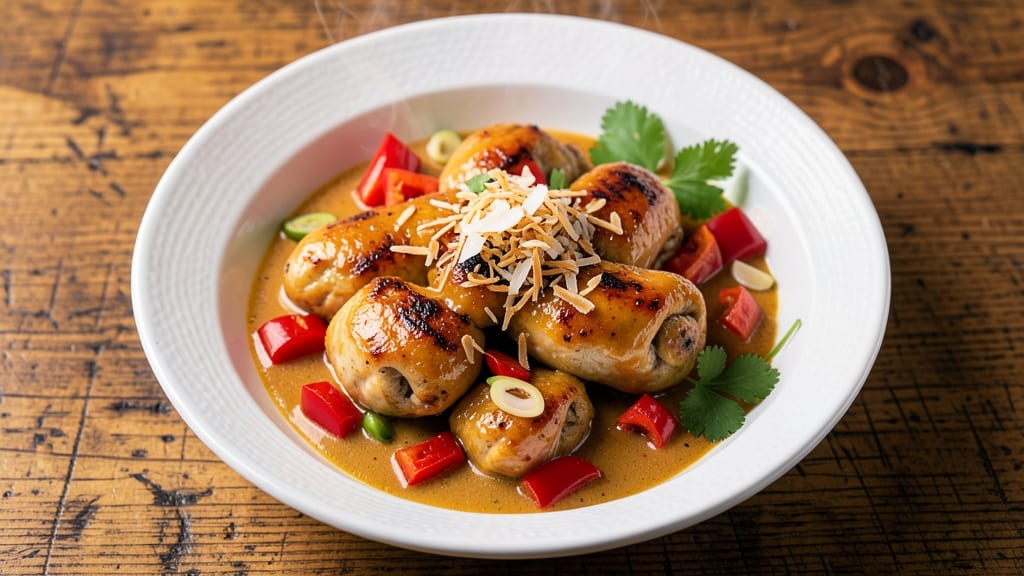
Betty Crocker’s chicken curry recipe delivers the aromatic, golden coconut-spiced dish that feels like a restaurant favorite in under an hour. The secret lies in balancing warm spices with tender chicken and a velvety sauce that coats every bite—no advanced techniques required.
I’ve adapted this classic to work in a standard home kitchen, where the flavors develop gradually while you prep sides or set the table.
This recipe transforms boneless chicken thighs into melt-in-your-mouth pieces by simmering them in a fragrant blend of garlic, ginger, and curry powder before adding the coconut milk. The sauce thickens just enough to cling to the chicken and rice, creating that signature creamy texture without requiring constant stirring.
What sets this apart is the 45-minute timeline—perfect for weeknights when you crave something special but don’t have hours to spare.
By the time you serve it, your kitchen will smell like a spice market, and the table will be covered in golden curry swimming with tender chicken, bright vegetables, and basmati rice. The sauce is rich but not heavy, with just enough heat to linger on the tongue.
This is the kind of dish that turns a simple dinner into a memorable meal, and it’s foolproof enough for even those new to curry-making.
Pair it with warm naan or crusty bread to soak up every last drop of that golden coconut sauce. The recipe scales easily for a crowd, and leftovers reheat beautifully—making it ideal for meal prep or hosting. Let’s get cooking!
Ingredients for betty crocker chicken curry
Golden coconut milk, fragrant spices, and tender chicken—everything you need for this restaurant-style curry.
| Ingredient | Amount | Notes |
|---|---|---|
| Boneless Chicken Thighs 🍗 | 1 ½ lb | Trimmed of excess fat |
| Light Coconut Milk 🥥 | 13 ½ oz | Full-fat works too |
| Curry Powder 🌶️ | 2 tbsp | Mild or medium heat |
| Garlic Cloves 🧄 | 4 cloves | Minced for aromatic base |
| Fresh Ginger 🌿 | ½ cup | Finely grated, peeled |
| Red Bell Pepper 🌶️ | 1 whole | Diced, any color |
| Onion 🧅 | 1 whole | Medium, chopped |
| Tomato Paste 🍅 | 2 tbsp | Smooth, not chunky |
| Basmati Rice 🍚 | 1 cup | Uncooked, long-grain |
| Chicken Broth 💧 | 1 cup | Low-sodium preferred |
| Lemon Juice 🍋 | 1 tbsp | Freshly squeezed |
| Olive Oil 🫒 | 2 tbsp | Extra-virgin preferred |
| Salt 🧂 | 1 tsp | Kosher or sea salt |
| Black Pepper 🌶️ | ½ tsp | Freshly ground preferred |
| Fresh Cilantro 🌿 | ¼ cup | Chopped, for garnish |
The coconut milk is the heart of this curry, so don’t skimp. Thai Kitchen or Goya brands are reliable, but any light coconut milk works. For extra richness, some people mix light and full-fat—just keep the total at 13.5 oz. The curry powder? Penzeys or the bulk bins at Whole Foods have the best blends, but the grocery store stuff is fine if it's labeled 'mild' or 'medium.' Fresh ginger and garlic are non-negotiable here—they build the aromatic base that makes this dish sing. If you're using frozen ginger, thaw and grate it first.
No curry powder? Mix 1 tbsp each turmeric, coriander, and cumin for a close substitute. The bell pepper can be any color—red, yellow, or orange all work. Short on time? Pre-chopped frozen veggies save minutes. The tomato paste is worth the small can—it thickens the sauce beautifully. For extra depth, add 1 tsp of fish sauce (trust me, you won’t taste it, but it rounds out the flavors). The rice? Basmati is ideal, but jasmine works too—just don’t use instant rice unless you’re desperate.
This curry reheats beautifully—honestly tastes better the next day as the flavors meld. Keeps for 4-5 days in the fridge or 3 months frozen. I always double the recipe and freeze half for lazy nights. Store the sauce separately if you’re prepping ahead—just reheat the sauce first, then add the chicken and rice. Garnish with fresh cilantro right before serving (it wilts fast, so don’t do it too early).
Why You'll Love This Recipe
- One-Pot Magic: I swear by this recipe when I’m too tired to scrub pots—just brown the chicken, toss in the spices, pour on the coconut milk, and let it simmer. That’s it. The curry powder and ginger do all the heavy lifting while I sip my tea.
- Rich Without Effort: The light coconut milk and garlic cloves create this velvety, aromatic sauce that’s ridiculously flavorful but takes zero guesswork. Honestly, the first time I made it, I thought I’d over-spiced it—until my husband licked the pan.
- Leftovers That Beg: This curry tastes even better the next day, which is perfect because it’s so easy to double. I freeze portions for lazy nights, and it reheats like a dream—no dry edges, just that same creamy, spiced goodness.
- Budget-Friendly Feast: Chicken thighs stretch further than breasts, and curry powder is cheap but packs a punch. Between us, this recipe feeds four for under $15, and I’ve never had anyone complain about the price—or the seconds.
Step-by-step instructions for golden coconut chicken curry
Here's how to create a rich, fragrant curry that delivers restaurant-quality flavor in less than an hour.
Sauté the Aromatic Base
Heat the 2 tablespoons olive oil in a large skillet or Dutch oven over medium heat. Add the 1 whole onion and 1 whole red bell pepper, both chopped, and cook for 5-6 minutes until softened and beginning to caramelize at the edges. You'll notice the onions turn translucent and the bell pepper releases its sweet aroma.
Add the 4 cloves garlic cloves and 0.5 cup fresh ginger, both minced, and cook for another 1-2 minutes until fragrant. The kitchen should fill with that warm, spicy scent—this is where all the flavor begins. Be careful not to let the garlic burn, as it can quickly turn bitter. If it starts to brown too quickly, reduce the heat slightly.
Develop the Curry Sauce
Stir in the 2 tablespoons tomato paste and cook for 1 minute to deepen its flavor. Add the 2 tablespoons curry powder and cook for 30 seconds, stirring constantly, until the spices are fragrant. This step activates the curry powder's flavors and prevents a raw, bitter taste in the finished dish.
Pour in the 1 cup chicken broth and scrape up any browned bits from the bottom of the pan. These bits are packed with flavor—don't miss them. Bring the mixture to a gentle simmer and let it cook for 3-4 minutes until slightly thickened. The sauce should coat the back of a spoon but still be pourable.
Cook the Chicken and Coconut Milk
Add the 1.5 lb boneless chicken thighs, trimmed of excess fat, to the skillet. Cook for 5-6 minutes, stirring occasionally, until the chicken is no longer pink on the outside. The chicken should develop a light golden color, indicating it's sealing properly. If the sauce starts to reduce too quickly, add 2-3 tablespoons water to maintain moisture.
Pour in the 13.5 oz light coconut milk and stir gently to combine. The mixture will bubble slightly as it heats through. Reduce the heat to low and let the curry simmer uncovered for 15-20 minutes, stirring occasionally. The coconut milk will separate slightly, with a creamy layer forming on top—this is normal and adds to the dish's richness. The chicken should be fully cooked and tender when pierced with a fork.
Finish and Serve
Stir in the 1 tablespoon lemon juice and season with the 1 teaspoon salt and 0.5 teaspoon black pepper. Taste and adjust the seasoning if needed—the lemon juice brightens the flavors and balances the richness of the coconut milk. The curry should be well-seasoned but not overly salty.
Serve the curry hot over 1 cup cooked basmati rice, garnished with 0.25 cup fresh cilantro. The rice should be fluffy and separate, providing a perfect base for the rich curry. Each bite should deliver tender chicken, creamy coconut milk, and a harmonious blend of warm spices. For extra freshness, squeeze a bit of lemon over the top before serving.
Pro Tips For Making Betty Crocker Chicken Curry
- Brown the Chicken First: Skip the straight-to-curry step—sear those thighs in a hot pan with a splash of oil for 4-5 minutes per side until golden. I learned this the hard way: pale chicken in curry tastes bland. The crust locks in flavor and keeps the meat juicy, even when simmered later.
- Grate, Don’t Mince Ginger: Use a microplane or box grater for ginger instead of mincing—it releases oils and blends smoother into the coconut milk. Minced ginger sits in chunks, no matter how much you stir. (Yes, even if you’re impatient like me.)
- Simmer, Don’t Boil: Keep the curry at a gentle bubble, not a rolling boil, after adding coconut milk. Boiling splits the milk into greasy curds and watery broth—ruining the creamy texture. A low simmer (barely any movement) keeps it luscious.
- Toast the Curry Powder: Dry-toast the curry powder in the same pan for 30 seconds before adding liquids—it deepens the aroma and cuts bitterness. I was skeptical until I tried it: the difference is noticeable, especially with store-bought blends. (Your future self will thank you.)
Troubleshooting great betty crocker chicken curry
Sauce Too Thin?
If your curry sauce ends up thinner than expected, don’t panic—this happens more often than you’d think. The fix is simple: reduce the heat to low and let it simmer uncovered for an extra 5-10 minutes.
Stir occasionally to prevent sticking, and the coconut milk will thicken naturally as the moisture evaporates. For an instant fix, mix 1 tablespoon cornstarch with 2 tablespoons cold water, stir into the sauce, and simmer for 2 minutes until thickened. 🌡️
Chicken Overcooked?
Boneless chicken thighs can dry out if left too long in the sauce. To avoid this, remove the chicken from the sauce once it reaches 165°F internal temperature (about 5-6 minutes of initial searing), then return it to the pan after adding coconut milk.
This two-step method keeps the meat juicy while the sauce finishes. If you notice the chicken is drying out, cover the pan with a lid for the last 5 minutes of cooking to trap steam.
Spices Too Strong?
If the curry powder’s heat overwhelms your taste buds, balance it with 1-2 tablespoons plain yogurt or coconut yogurt stirred into the sauce. The cooling dairy mellows the spices without altering the dish’s integrity.
For a sweeter touch, add ½ teaspoon honey or maple syrup to offset the heat. Taste as you go—this is where your grandmother’s trick of "seasoning in layers" comes in handy. 🌶️
Coconut Milk Separating?
It’s completely normal for coconut milk to separate slightly, but if you prefer a smoother texture, blend the curry briefly with an immersion blender before serving. For extra creaminess, whisk in 1 tablespoon heavy cream or coconut cream at the end.
The separation actually adds depth—just stir vigorously before serving to redistribute the creaminess. If you’re freezing leftovers, stir well before reheating to prevent a curdled texture.
Rice Too Dry?
If your basmati rice turns out dry, don’t toss it—it’s still edible! Revive it by sprinkling 1-2 tablespoons warm water over the rice, covering with a damp towel, and letting it steam for 5 minutes.
For future reference, rinse the rice thoroughly before cooking to remove excess starch, and use 1.5 cups water per cup of rice for perfect fluffiness. I swear by this method after years of burnt rice disasters. 🍚
Leftovers Too Thick?
Reheating curry can make the sauce thicken further, but a splash of warm water or broth (about 2-3 tablespoons) will restore its ideal consistency. Stir gently over low heat until smooth.
For extra flavor, add a pinch of garam masala or a dash of lemon juice while reheating. Store leftovers in an airtight container to keep the sauce from drying out overnight.
Nutrition facts
Frequently asked questions
Can I use chicken breasts instead of thighs?
Chicken breasts work, but they're leaner and can dry out faster in the sauce. For best results, cut them into 1-inch pieces and cook them for just 3-4 minutes before adding coconut milk. Keep the heat at medium-low during simmering to prevent overcooking. If you prefer breasts, consider marinating them for 30 minutes in yogurt with curry powder first for extra tenderness.
How can I make this curry less spicy?
Start with a mild curry powder (like Betty Crocker's mild blend) and reduce the amount to 1.5 tablespoons. For extra mildness, stir in 2 tablespoons plain yogurt or 1 tablespoon honey at the end. The coconut milk naturally balances heat, so don't worry about adding too much of it. Taste as you go—this is your chance to adjust!
What's the best way to reheat leftovers?
Reheat gently in a saucepan over low heat with 2-3 tablespoons water or broth to restore moisture. Stir frequently to prevent sticking. For microwave reheating, cover with a damp paper towel and heat in 30-second intervals, stirring between each. Never reheat to a boil—it can make the sauce separate. Add fresh cilantro after reheating for brightness.
Can I make this in a slow cooker?
Yes! Brown the chicken and sauté the veggies in a skillet first, then transfer everything to the slow cooker. Add the coconut milk and simmer on low for 4-5 hours or high for 2-3 hours. The slow cooking enhances the flavors beautifully. Keep an eye on the sauce—it may need stirring occasionally to prevent separation.
What if I don't have fresh ginger?
Use 1 teaspoon ground ginger as a substitute, but fresh is always better. If you have frozen ginger, thaw it first and grate it. For a quick fix, use an extra ½ teaspoon ground cinnamon or ¼ teaspoon ground cardamom to add warmth. The dish will still taste great—just slightly different!