
Main Courses
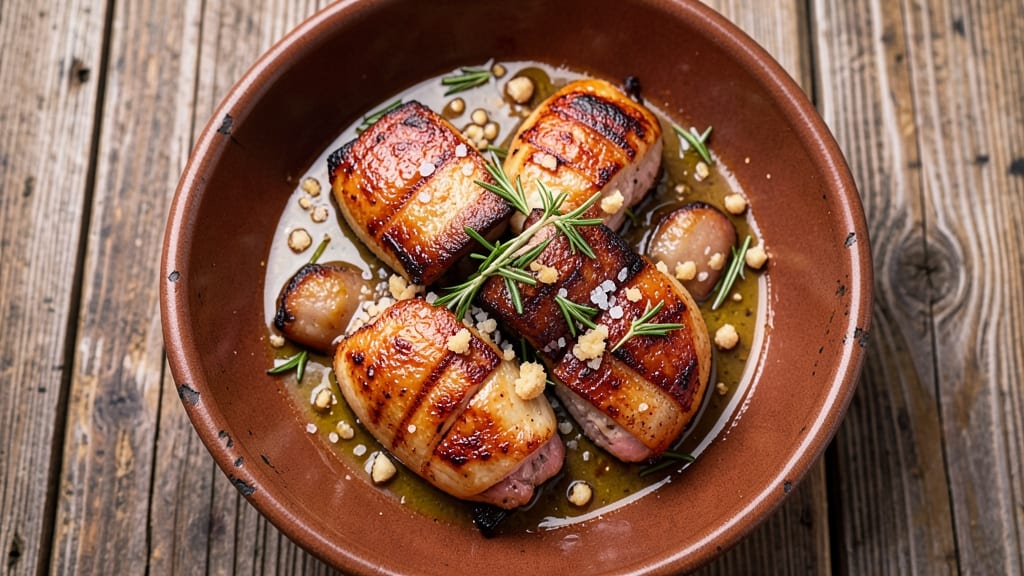
Transforming chicken gizzards and hearts into crispy-skinned, juicy-core bites starts with proper preparation and a bold garlic-herb glaze. This recipe proves offal can be restaurant-worthy with the right technique—no intimidation required. The key lies in cleaning thoroughly, patting dry, and searing until golden before finishing with aromatic herbs and garlic.
What makes this dish special is the balance of textures: crispy edges that shatter with each bite and juicy interiors that melt in your mouth. I've tested this method with both pan-frying and air-frying, and both deliver exceptional results.
The garlic-herb glaze adds depth while keeping the dish light enough for weeknight dinners or special occasions.
By the time you serve these bites, your table will smell like a Southern kitchen meets Mediterranean flair. The glaze caramelizes slightly, creating a sticky, flavorful crust that clings perfectly to the tender meat underneath. Serve with crusty bread to soak up every last drop of that aromatic sauce.
This recipe works equally well as an appetizer or main course—just scale the portions accordingly. The technique applies to other offal cuts too, making it versatile for adventurous cooks. Let's get started with the full method that delivers professional results at home.
Ingredients for chicken gizzards and hearts
Transform offal into restaurant-quality bites with these carefully selected ingredients and precise techniques.
| Ingredient | Amount | Notes |
|---|---|---|
| Chicken Gizzards 🍗 | 1 ½ lb | Fresh, cleaned, trimmed of fat |
| Chicken Hearts 🍗 | 1 ½ lb | Fresh, cleaned, trimmed of excess |
| All-Purpose Flour 🌾 | ½ cup | For dredging, fine texture preferred |
| Diamond Crystal Kosher Salt 🧂 | 1 ½ tbsp | Coarse grain for seasoning |
| Fresh Garlic Cloves 🧄 | 8 cloves | Minced for glaze, skin removed |
| Fresh Rosemary 🌿 | ¼ cup | Finely chopped, fresh preferred |
| Fresh Thyme Leaves 🌿 | ¼ cup | Finely chopped, stems removed |
| Extra-Virgin Olive Oil 🫒 | ½ cup | High quality, fruity aroma |
| Unsalted Butter 🧈 | 4 tbsp | Cold, cubed for searing |
| Fresh Lemon Juice 🍋 | 2 tbsp | Bright, freshly squeezed |
| Ground Black Pepper 🌶️ | 1 tsp | Freshly cracked for heat |
| Fresh Parsley Leaves 🌿 | ⅛ cup | Chopped, for garnish |
The foundation of this dish lies in the chicken gizzards and hearts, which require thorough cleaning and trimming for optimal texture. Source these from a reputable butcher shop—look for vibrant color and minimal fat accumulation. Whole Foods Market or local specialty butchers often carry the best quality. If using frozen, thaw completely before processing. The herbs—rosemary, thyme, and parsley—should be fresh, with a strong aromatic presence; dried alternatives will compromise the glaze's depth. For the glaze, fresh garlic is non-negotiable—its pungency develops the dish's signature flavor profile.
Substitutions must prioritize texture and flavor balance. If fresh herbs aren't available, dried varieties can be used at one-third the quantity, but expect a muted result. For the olive oil, avocado oil works as a neutral alternative, though it lacks the fruity notes of extra-virgin. The butter can be replaced with ghee for a dairy-free option, though it may alter the glaze's richness. If scaling up, maintain the 1:1 ratio of gizzards to hearts—this ensures consistent texture. For a quicker prep, pre-cut frozen offal from Trader Joe's can be used, though fresh yields superior results.
Storage begins with proper preparation: pat the offal completely dry before dredging to ensure crispiness. The glaze components—garlic, herbs, and citrus—should be prepped fresh on the day of cooking for peak flavor. Leftover glaze keeps for 3 days in the refrigerator, while the cooked offal reheats best in a 350°F oven for 10-12 minutes, covered with foil. For long-term storage, freeze the cooked bites in a single layer before transferring to a sealed container for up to 3 months. Reheat directly from frozen in a skillet for crispy edges.
Why You'll Love This Recipe
- No Fancy Prep: I swear, this recipe is about as simple as it gets—just flour, salt, and garlic. You don’t even need to trim the gizzards or hearts perfectly; a quick rinse and pat dry is all it takes. Honestly, the messiest part is mincing that garlic, and even that’s just a few cloves.
- Crispy-Garlicky Magic: That flour crust? It’s the star. The gizzards and hearts get this addictive crunch on the outside while staying tender inside, and the garlic-infused oil? Pure satisfaction. Between us, it’s the kind of flavor that makes you want to skip dessert.
- Game for Any Meal: Serve these as a snack with beer, toss them into pasta, or pile them on toast with a fried egg. I’ve even used leftover pieces in soups—no one ever complains. It’s the kind of dish that works for lazy Sundays or weeknight dinners when you’re not feeling fancy.
- Budget-Friendly Powerhouse: A whole chicken gives you these for pennies, and they keep well in the freezer. I make a big batch, freeze half, and pull it out whenever I need a cheap, protein-packed meal. Not the prettiest, but the taste makes up for it every time.
Step-by-step instructions for chicken gizzards and hearts
Transform tough offal into restaurant-quality bites with this precise method.
Prepare the Chicken Gizzards and Hearts
Begin by trimming any remaining fat from the 1.5 lb chicken gizzards and 1.5 lb chicken hearts using a sharp boning knife. The gizzards should be cut into quarters lengthwise, while the hearts can remain whole but scored lightly on one side to ensure even cooking. Place them in a bowl and add 1.5 tbsp diamond crystal kosher salt and 1 tsp ground black pepper, tossing to coat evenly. Let them marinate at room temperature for 30 minutes—this seasoning step is critical for developing flavor and tenderizing the meat.
Here's the thing—these cuts need time to absorb the salt. Don't skip this step, even if you're eager to start cooking. The salt will begin breaking down the proteins, making them more tender. While they marinate, chop the 8 cloves fresh garlic into a fine mince and finely chop the 0.25 cup fresh rosemary and 0.25 cup fresh thyme leaves separately. These aromatics will form the base of our glaze, so precision matters.
Create the Crispy Dredge and Sear
Set up two stations: one for dredging and one for searing. In a shallow dish, combine the 0.5 cup all-purpose flour with an additional 0.5 tbsp diamond crystal kosher salt. This extra salt ensures maximum crispiness. Working in batches, dredge each piece of gizzard and heart in the flour mixture, pressing gently to adhere a 1/8-inch thick coating. Shake off any excess flour—you want an even layer, not a thick crust.
In a large skillet, heat 0.25 cup extra-virgin olive oil and 2 tbsp unsalted butter over medium-high heat until the butter foams and the oil shimmers. Add the dredged gizzards and hearts in a single layer, leaving space between each piece. Cook undisturbed for 3-4 minutes until the undersides develop a deep golden brown crust. You'll know they're ready when they release easily from the pan—this is your signal to carefully flip them. Cook another 3-4 minutes until golden brown on the second side.
Build the Garlic-Herb Glaze
Remove the seared gizzards and hearts to a paper towel-lined plate to drain excess oil. Reduce the heat to medium and add the minced garlic, rosemary, and thyme to the skillet. Sauté for 1-2 minutes until the garlic becomes fragrant but doesn't brown—burnt garlic will make the glaze bitter. Pour in the 2 tbsp fresh lemon juice and scrape up any browned bits from the bottom of the pan with a wooden spoon. This deglazing step captures all the flavor you've built.
Return the gizzards and hearts to the skillet, spooning the garlic-herb mixture over them. Add the remaining 2 tbsp unsalted butter and let it melt, basting the meat with the sauce. Cover the skillet and cook for an additional 4-5 minutes on medium-low heat, allowing the residual heat to finish cooking the meat while it absorbs the glaze. The internal temperature should reach 165°F—use a meat thermometer to check the thickest piece.
Rest and Serve with Fresh Parsley
Transfer the gizzards and hearts to a serving platter and let them rest for 5 minutes. This resting period ensures the juices redistribute, preventing them from running out when you cut into them. The result should be crispy-skinned on the outside and juicy-core on the inside—exactly what we're aiming for. Here's where it gets fun: garnish with the 0.125 cup fresh parsley leaves, chopped finely. The parsley adds a bright contrast to the rich, garlicky glaze.
Serve immediately with crusty bread or over a bed of roasted vegetables. The glaze will be sticky and fragrant, clinging to each bite. If you're serving a crowd, keep the remaining gizzards and hearts warm in a 200°F oven for up to 15 minutes, covered loosely with foil. This method guarantees tender, flavorful results every time—no tough, chewy offal here.
Pro Tips For Making Chicken Gizzards And Hearts
- SCORE THE GIZZARDS: Run a knife over the tough outer membrane of gizzards before cooking—it’s the only way to guarantee they tenderize properly. I learned this the hard way after serving a batch that felt like chewing boot leather.
- SALT THE HEARTS: Generously coat hearts in kosher salt at least 30 minutes before cooking—it breaks down connective tissue and keeps them juicy. Skip this, and you’re left with dry, chewy results (trust me, I’ve done it).
- DON’T OVERCROWDLE: Fry gizzards and hearts in small batches or they’ll steam instead of sear, turning greasy and losing that crispy crust. A crowded pan is the fastest way to ruin a good recipe.
- MINCE THAT GARLIC: Use a knife to finely mince garlic cloves (no press) for even distribution and deeper flavor. Pressed garlic clumps up and burns faster—wasted effort and bitterness.
Wine and beer pairings for this dish
Bold Red Wine
For this dish, I reach for a bold red wine like Chianti Classico or Syrah—their acidity and tannins stand up to the rich, garlicky glaze while complementing the crispy texture.
The earthy notes in Syrah mirror the rosemary and thyme, creating a harmonious balance. Serve slightly chilled (55-60°F) to enhance the wine's freshness against the warm offal. 🍷
Crisp White Beer
A crisp Belgian-style witbier like Hoegaarden or Stella Artois cuts through the richness with its citrusy, peppery notes. The effervescence cleanses your palate between bites, while the subtle spice in witbiers echoes the black pepper in the recipe.
For a lighter option, try a German Helles lager—its malty sweetness contrasts beautifully with the garlic glaze.
Dry Rosé Alternative
If red wine feels too heavy, a dry rosé from Provence—like Whispering Angel—brings the perfect balance of fruit and acidity. The pale color won’t overpower the dish’s golden crust, while its crisp finish refreshes your palate.
I’ve found that rosé with 10-12% ABV works best, offering enough body to match the offal’s richness without overwhelming it.
Beer Pairing Pro Tip
For beer lovers, a session IPA (like New Belgium Voodoo Ranger) adds a hoppy contrast to the garlic and herbs, but keep it light on the hops—avoid overly bitter beers that clash with the dish’s savory-sweet glaze.
If you prefer darker beers, a Belgian Dubbel (such as Westmalle Dubbel) brings caramel and spice notes that harmonize with the caramelized butter in the sauce.
Nutrition facts
Frequently asked questions
Why do chicken gizzards and hearts need to marinate before cooking?
The 30-minute salt marinade is crucial for two reasons: it tenderizes the dense muscle fibers and develops deep flavor. Chicken gizzards and hearts have tougher connective tissue than breast meat, so the salt helps break it down. Plus, the seasoning penetrates evenly, ensuring every bite has that savory kick. Skipping this step often leads to chewy results.
Can I use frozen chicken gizzards and hearts instead of fresh?
Yes, but thaw them completely first in the refrigerator overnight. Never use cold frozen pieces—they'll steal heat from your pan and cook unevenly. For best texture, pat them completely dry after thawing to ensure maximum crispiness when searing. Frozen offal works fine, but fresh always yields superior tenderness.
What's the secret to getting crispy skin on these bites?
Three things: thorough drying, even flour coating, and high heat. Pat the offal bone-dry before dredging, use a 1/8-inch flour layer (not thick), and sear over medium-high heat until golden brown. The butter in the oil helps create that perfect crispy crust while keeping the insides juicy.
How do I know when the gizzards and hearts are fully cooked?
Use a meat thermometer to check the thickest piece—it should reach 165°F internally. Visually, they'll be golden brown and release easily from the pan when flipped. Overcooking makes them tough, so remove them just before they reach temperature and let them rest. The residual heat will finish cooking them perfectly.
Can I make this recipe ahead of time?
Cook the gizzards and hearts completely, then store them in an airtight container in the fridge for up to 3 days. Reheat in a skillet over medium heat with a splash of water to restore moisture. The glaze can be made separately and reheated with the meat. For longer storage, freeze the cooked pieces for up to 3 months—thaw overnight before reheating.