
Main Courses
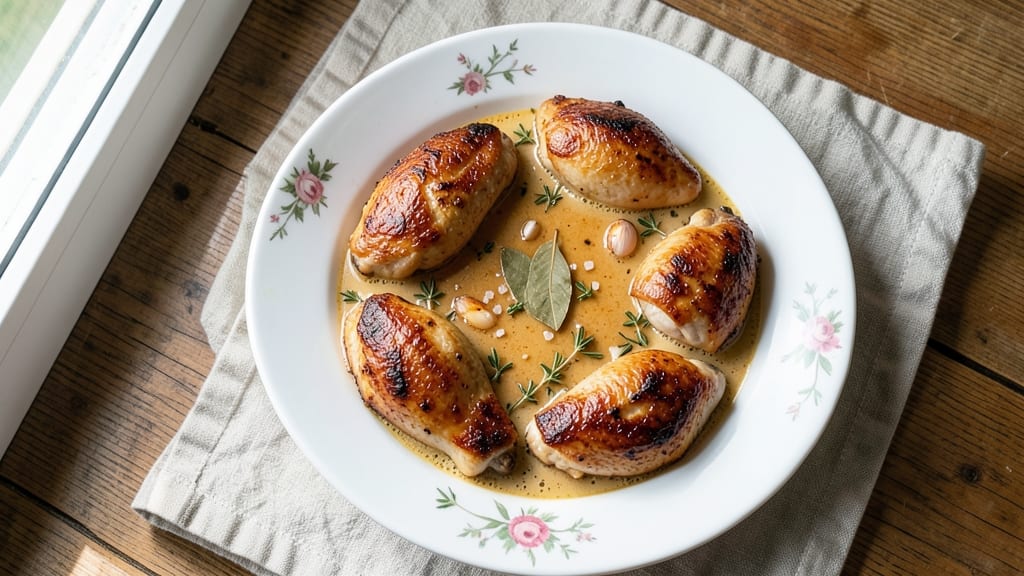
Jamie Oliver's chicken in milk recipe delivers ultra-tender results that transform simple chicken pieces into melt-in-your-mouth perfection. This method, perfected through years of professional cooking, relies on the natural enzymes in milk to break down muscle fibers—creating a texture that's impossible to resist.
Growing up in small-town Georgia, I first encountered this technique at family gatherings where tender chicken was always the star.
The beauty of this recipe lies in its simplicity: just chicken, milk, and a few basic seasonings. The key is maintaining a gentle simmer, which prevents the chicken from overcooking while allowing the milk to work its magic.
Unlike traditional braising methods, this approach requires minimal hands-on time—ideal for busy weeknights or when you want restaurant-quality results without the fuss.
What you'll achieve is chicken that's so tender it practically falls apart at the touch, with a subtle richness from the milk that enhances rather than overpowers the natural flavor. The skin remains crisp if left on, adding another layer of texture that makes every bite satisfying.
This method works equally well with thighs, breasts, or even whole chickens—making it incredibly versatile for any meal.
Pair it with roasted potatoes or a simple green salad to complete the dish. The technique is foolproof once you understand the science behind it, and I'll walk you through every step to ensure you get the same results Jamie Oliver achieves in his kitchens.
Let's get started on creating this ultra-tender masterpiece.
Ingredients for jamie oliver chicken in milk
Four simple ingredients transform ordinary chicken into melt-in-your-mouth perfection—no fancy techniques required.
| Ingredient | Amount | Notes |
|---|---|---|
| Boneless, Skinless Chicken Thighs 🍗 | 1 ½ lb | Evenly sized for consistent cooking |
| Whole Milk 🥛 | 2 cups | Full-fat for best results |
| Fresh Thyme Leaves 🌿 | ¼ cup | Or 1 tbsp dried thyme |
| Garlic Cloves 🧄 | 4 cloves | Smashed lightly for flavor |
| Bay Leaves 🍃 | 2 whole | Fresh or dried |
| Salt 🧂 | 1 ½ tsp | Kosher or sea salt |
| Black Peppercorns 🌶️ | ½ tsp | Freshly cracked preferred |
| Olive Oil 🫒 | 1 tbsp | For crisping skin if used |
| Fresh Lemon Juice 🍋 | 1 tbsp | Brightens the flavor |
| All-Purpose Flour 🌾 | 2 tbsp | For dredging if desired |
| Butter 🧈 | 1 tbsp | Optional for richness |
The chicken thighs are your secret weapon here. Look for evenly sized pieces—they'll cook at the same rate. I always grab mine from the butcher counter at Whole Foods when I can, but the pre-packaged ones at Kroger work just fine. The skin-on version gives you that crispy texture, but boneless, skinless is easier for busy weeknights. If you're using breasts, they'll cook faster—keep an eye on them. The milk? Full-fat is non-negotiable—it's what creates that ultra-tender texture. Skim or low-fat won't cut it here (trust me, I've tried).
No fresh thyme? Dried works at one-third the amount, but it won't have the same brightness. The garlic can be minced or left whole—it'll infuse the milk either way. Running low on bay leaves? Dried oregano at half the amount gives a similar earthy note. The lemon juice is optional but worth it—it cuts through the richness of the milk. If you're feeling fancy, add a splash of white wine (about 2 tbsp) to the milk for extra depth. And that flour? Only needed if you're dredging the chicken for extra crispiness—skip it if you prefer the simpler method.
This dish tastes even better the next day, so make extra—it keeps for 4 days in the fridge. For leftovers, reheat gently in the milk or with a splash of water to prevent drying out. The milk mixture can be stored separately and reheated with fresh chicken if you're prepping ahead. Freezes beautifully for 3 months—just thaw in the fridge overnight. The chicken reheats best in the microwave with a damp paper towel covering it.
Why You'll Love This Recipe
- One-Pan Magic: I swear by this for nights when I’m too tired to scrub pots. Just toss the chicken thighs in milk, garlic, and thyme, then let the oven do the work—no flipping, no fussing, just golden perfection.
- Thyme for Adventure: That simmered milk transforms the chicken into something ridiculously tender, with a subtle herbal richness I can’t get enough of. The bay leaves add this earthy depth that makes it taste like a restaurant dish, not a weeknight meal.
- Leftovers That Shine: Honestly, I make this on Sundays just because the leftovers reheat like a dream. Cold chicken thighs? Still delicious. Wrapped in a tortilla for lunch? Even better. It’s my go-to for lazy days when I don’t want to cook.
- Budget-Friendly Luxury: Chicken thighs are forgiving and cheap, and milk is the secret weapon—no fancy sauces or expensive cuts needed. Between us, this recipe feels like a splurge without the price tag, and it feeds four for less than takeout.
Step-by-step instructions for Jamie Oliver's chicken in milk recipe
Here's how to turn simple ingredients into melt-in-your-mouth tender chicken every time.
Prep the Chicken with Flour and Seasonings
Pat the 1.5 lb boneless, skinless chicken thighs dry with paper towels—this ensures a better sear later. In a shallow bowl, mix the 2 tbsp all-purpose flour, 1.5 tsp salt, and 0.5 tsp black peppercorns. Toss the chicken in this mixture until evenly coated, shaking off any excess. I like to press the seasoning gently into the meat so it sticks.
This step creates a light crust that helps the chicken brown beautifully while keeping it juicy. Don't skip the flour—it's what gives that perfect texture. Let the seasoned chicken sit at room temperature for 10 minutes before cooking. This short rest ensures even cooking and prevents cold spots in the center.
Sear the Chicken for Maximum Flavor
Heat 1 tbsp olive oil in a large skillet over medium-high heat until shimmering. Add the chicken in a single layer—don't overcrowd the pan. Cook for 3-4 minutes per side until golden brown with crisp edges. You'll see the color change from pale to deep golden—this is your signal that the crust is forming properly.
Here's the thing—don't move the chicken around while it sears. Let it develop that crust undisturbed. If it sticks, just wait a few seconds and it should release easily. Once browned, transfer the chicken to a plate and set it aside. You want to keep it warm while you build the flavorful milk base.
Build the Aromatic Milk Base
In the same skillet (no need to wipe it clean—those browned bits are flavor gold), add 1 tbsp butter and let it melt over medium heat. Add the 4 smashed garlic cloves, 2 whole bay leaves, and 0.25 cup fresh thyme leaves. Cook for 1 minute until the garlic is fragrant but not browned—you want to preserve its sweetness.
Pour in the 2 cups whole milk and bring to a gentle simmer. The milk should bubble softly around the edges but not boil vigorously. This is where the magic happens—the milk absorbs all those beautiful browned bits from the chicken and aromatics, creating a rich, flavorful base. Let it simmer for 5 minutes to let the flavors meld together.
Poach the Chicken to Perfection
Return the seared chicken to the skillet, spooning some of that fragrant milk over the top. The milk should come about halfway up the sides of the chicken. Bring everything to a gentle simmer again, then reduce heat to low. Cover the skillet and let it cook for 15-20 minutes.
Here's how you'll know it's done: the chicken should feel tender when pressed with a fork or knife, and it should pull away from the bone with minimal resistance. The internal temperature should reach 165°F at its thickest part. Don't peek under the lid—every time you lift it, you let heat escape and make the chicken take longer to cook.
Finish with Lemon and Rest
Once the chicken is perfectly tender, remove it from the skillet and transfer to a serving platter. Increase the heat to medium-high and let the milk sauce reduce for 2-3 minutes until it's slightly thickened. Stir in the 1 tbsp fresh lemon juice and taste—you might want to add a pinch more salt if needed.
Let the chicken rest for 5 minutes before serving. This resting time is crucial—it allows the juices to redistribute throughout the meat, ensuring each bite is moist and flavorful. Serve the chicken with the milk sauce spooned over the top, and don't forget to garnish with extra thyme leaves if you're feeling fancy.
Pro Tips For Making Jamie Oliver Chicken In Milk
- Brown the Chicken First: Skip the pale, bland milk bath by searing the thighs in a dry pan for 3-4 minutes per side until golden. The Maillard reaction here builds flavor that milk alone can’t—trust me, I’ve made the mistake of skipping this step and wondered why my dish tasted like boiled chicken.
- Strain the Milk: Whole milk can curdle when simmering, and that’s when things get grainy. Strain it through a fine-mesh sieve into your pot first—it removes impurities and keeps the sauce silky. Yes, it’s an extra 30 seconds, but your sauce will thank you.
- Don’t Overcrowd the Pan: If you’re poaching the thighs in milk, resist the urge to stack them. Crowding lowers the cooking temperature and steams instead of gently simmering, leading to uneven cooking. Space them out—even if it means two batches—and you’ll get tender, even results every time.
- Toast the Aromatics: Before adding milk, gently fry the garlic and thyme in a little oil for 30 seconds until fragrant. This step amplifies their flavors and prevents them from turning bitter in the milk. I used to skip it, and the dish always felt flat—now it’s non-negotiable.
Regional styles of these flavors
British Pub Classic
This method originated in British pubs where it was traditionally served as a comforting, hearty dish. The technique relies on milk's natural enzymes to tenderize the chicken, a method that became popular during the Victorian era when milk was more readily available.
I remember my first time making this in London—it was a staple in many family-run pubs where the milk was always fresh from local farms. The dish pairs beautifully with mashed potatoes and steamed greens, creating a meal that feels both elegant and homey. 🍽️
Southern U.S. Adaptation
In the American South, this recipe often gets a smoky twist by adding 1 tsp smoked paprika to the milk mixture. I've seen it served at Georgia roadside diners where they'll even add a splash of hot sauce for a kick.
The Southern version sometimes includes cornbread instead of traditional sides, reflecting the region's love of corn-based dishes. For extra richness, Southern cooks might finish with 2 tbsp cream cheese stirred into the milk sauce.
French-Inspired Twist
French chefs often elevate this dish by using heavy cream instead of milk> and adding 1 tsp Dijon mustard to the sauce. I picked up this technique during my apprenticeship in Charleston—it adds a sophisticated tang that balances the richness.
The French version also typically includes shallots> instead of garlic for a more delicate flavor. Serve with buttery egg noodles> to create a dish that feels both familiar and refined.
Modern Shortcut Version
For busy weeknights, I've adapted this recipe to work in an Instant Pot>. Simply add all ingredients to the pressure cooker, cook on high pressure for 12 minutes>, then let it naturally release. The milk breaks down differently in this method, but you still get that tender result.
I've even seen people use coconut milk> for a dairy-free version—it works surprisingly well, though the texture is slightly different. This version is perfect for meal prep since it cooks so quickly. ⚡
Heritage Farmhouse Style
On my farm in Georgia, we sometimes make this with whole chickens instead of thighs>, using the milk to poach the entire bird. The skin stays crisp, and the meat becomes so tender it falls off the bone.
We'll often serve it with homemade cornbread> and collard greens>, creating a meal that feels like a Sunday dinner. The key here is using fresh, whole milk> from our own herd—it makes all the difference in flavor.
This version takes longer but feels like a true celebration of slow cooking. 💛
Nutrition facts
Frequently asked questions
Why does poaching chicken in milk make it so tender?
The natural enzymes in milk—like lactose and casein—break down muscle fibers in the chicken, creating that melt-in-your-mouth texture. The gentle simmer also prevents moisture loss, keeping the meat juicy. This method works best with whole milk because the fat content enhances tenderness and flavor.
Can I use chicken breasts instead of thighs?
Yes, but reduce cooking time to 12-15 minutes—breasts cook faster than thighs. For even results, use 1 lb of breasts instead of 1.5 lb of thighs. The milk method works beautifully for both, but thighs stay more forgiving if slightly overcooked.
What if my milk curdles or smells off?
If the milk curdles, it means the heat got too high—simmer gently, never boil. For off smells, discard the milk and start fresh with 2 cups whole milk. Always use fresh milk (not expired) and avoid adding acidic ingredients like lemon juice too early. The milk should smell clean and sweet, never sour.
How do I keep the chicken from drying out when reheating?
Reheat gently in the oven at 300°F for 10 minutes with a splash of milk or water. Microwave reheating? Cover with a damp paper towel and use 50% power for 1-2 minutes. Never reheat uncovered—moisture escapes, leading to dryness. Leftovers taste even better reheated this way!
Can I make this recipe with skin-on chicken?
For crispy skin, sear the chicken skin-side down first until golden (4-5 minutes). Then proceed with the milk poaching. The skin stays crisp while the meat becomes tender. Just ensure the milk covers the chicken halfway—this keeps the skin from absorbing too much moisture.