
Main Courses
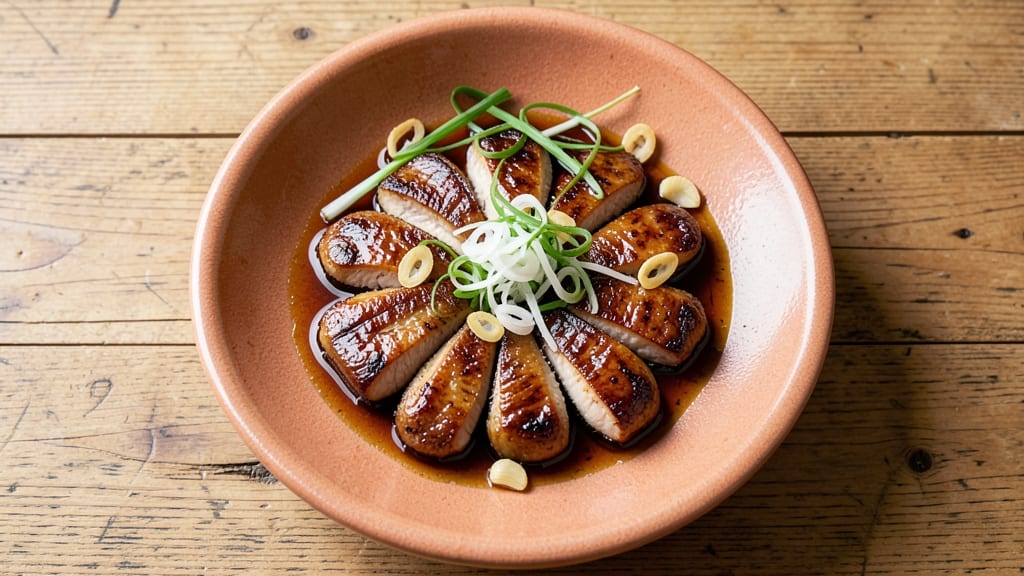
Japanese chicken liver recipe transforms humble ingredients into a dish that balances rich umami with delicate textures—something I’ve perfected after years of refining traditional techniques. The secret lies in properly preparing the livers (soaking and drying them thoroughly) before achieving that signature caramelized crust through precise pan-searing.
This method delivers a restaurant-quality result at home, with tender meat and a glossy glaze that’s impossible to resist.
What sets this dish apart is the sauce—a harmonious blend of mirin, soy sauce, and sugar that creates a sticky, slightly sweet glaze while preserving the livers’ natural richness. The process is straightforward but requires attention to detail, particularly when deglazing the pan to capture all those flavorful browned bits.
Serving them over steamed rice or alongside goma-ae spinach elevates the meal into a complete, balanced experience.
By the time you plate this dish, you’ll have perfectly seared chicken livers with a glossy, caramelized exterior and tender, juicy centers. The sauce clings beautifully, adding layers of sweetness and depth that complement the liver’s inherent earthiness.
Garnished with green onions and sesame seeds, it’s a dish that feels both elegant and approachable—ideal for a special dinner or an impressive weeknight meal.
This recipe serves two, but the leftovers reheat beautifully, making it perfect for meal prep or sharing with guests. The technique is adaptable, too—swap the sauce for a simple mitarashi style if you prefer a tangier profile.
Let’s get started on creating this umami-rich delight that will have everyone asking for seconds.
Ingredients for japanese chicken liver
Twelve ingredients deliver restaurant-quality Japanese chicken livers with perfect texture and umami balance.
| Ingredient | Amount | Notes |
|---|---|---|
| Chicken Livers 🍗 | 1 lb | Fresh, trimmed of connective tissue |
| Mirin 🍶 | 2 tbsp | High-quality, unsweetened preferred |
| Japanese Soy Sauce 🥫 | 2 tbsp | Koikuchi shoyu recommended |
| Granulated Sugar 🍚 | 1 tbsp | Fine grain preferred |
| Extra-Virgin Olive Oil 🫒 | 1 tbsp | Light variety for high heat |
| Green Onions 🧅 | 2 whole | Thinly sliced, white and green parts |
| Toasted Sesame Seeds 🌾 | 1 tbsp | White or black preferred |
| Unsalted Butter 🧈 | 2 tbsp | Cold, cubed for searing |
| Diamond Crystal Kosher Salt 🧂 | ½ tsp | For seasoning and soaking |
| Cold Water 💧 | 1 cup | For soaking livers |
| Japanese Rice Vinegar 🍶 | 1 tsp | For deglazing (optional) |
| Steamed White Rice 🍚 | 1 ½ cups | Short-grain preferred |
The chicken livers require careful preparation to achieve that signature tender yet caramelized texture. Source fresh livers from a trusted butcher—they should be bright red, not brown or discolored. Trim any visible connective tissue or fat, then soak them in cold water with Diamond Crystal kosher salt for 30 minutes to remove excess blood before patting thoroughly dry. This step is non-negotiable; wet livers will steam instead of sear. For optimal results, use livers within 24 hours of purchase. Whole Foods Market or high-end grocery stores typically carry the highest quality, but your local butcher shop often provides fresher options than the supermarket meat counter.
Mirin and soy sauce are the heart of this dish's signature glaze, so quality matters here. Substitute dry sherry plus 1 tsp sugar for mirin if unavailable, but the authentic sweetness is worth seeking out. For soy sauce, Koikuchi shoyu delivers the deepest umami profile—avoid tamari or reduced-sodium versions. The sugar can be swapped for honey or mirin powder, though granulated provides the most precise control. Green onions should be fresh, not dried; if only dried are available, reconstitute in warm water for 5 minutes. Sesame seeds must be toasted to release their nutty aroma—toast them in a dry pan over medium heat for 2-3 minutes until fragrant, then grind lightly with a mortar and pestle for maximum impact.
Freshly prepared livers should be seared immediately after drying to maintain their delicate texture. The sauce components can be pre-mixed up to 2 days in advance and stored in an airtight container in the refrigerator. Reheat gently before using. Leftover livers reheat beautifully in a dry skillet over medium heat for 2-3 minutes until warmed through. For meal prep, portion the sauce separately and combine just before serving to maintain its glossy texture. Store any unused sauce in the refrigerator for up to 1 week, though it's best used within 3 days for optimal flavor. The steamed rice should be prepared fresh for serving, as reheated rice tends to dry out and lose its delicate texture.
Why You'll Love This Recipe
- Five-Ingredient Magic: I swear, this recipe’s pantry-friendly. No obscure finds—just chicken livers, a splash of mirin, soy sauce, sugar, and olive oil. Honestly, if you’ve ever cooked meat, you’ve got this.
- Umami Bomb: That combo of mirin and Japanese soy sauce? It’s like a flavor grenade—sweet, salty, and deep all at once. The sugar caramelizes just enough to make the livers irresistibly glossy.
- Weeknight or Dinner Party: Same recipe, two vibes. Serve it as a quick weeknight snack with rice, or plate it fancy with steamed greens for guests. (Yes, even on a Tuesday night.)
- Budget Meal, Big Payoff: Chicken livers are cheap, and this recipe stretches them far. Leftovers? Reheat them in a pan with a splash of mirin—still tastes like a restaurant dish. My wallet thanks me.
Step-by-step instructions for Japanese chicken liver preparation
This method transforms delicate chicken livers into a restaurant-quality dish with perfect texture and depth of flavor.
Prepare and Soak the Chicken Livers
Begin by trimming any connective tissue from the 1 lb chicken livers using a sharp knife. This ensures tender results rather than chewy bites. Place the cleaned livers in a bowl and add the 1 cup cold water and 0.5 tsp Diamond Crystal kosher salt. Soak for 15 minutes at room temperature. This step removes any bitterness and prevents the livers from drying out during cooking.
The water should remain cold throughout the soaking process. If the livers float to the surface, gently press them down with a spoon to ensure even exposure to the soaking liquid. After 15 minutes, drain and pat the livers completely dry with paper towels. This drying step is crucial for achieving a proper sear later.
Create the Marinade and Sear the Livers
In a small bowl, combine the 2 tbsp mirin, 2 tbsp Japanese soy sauce, 1 tbsp granulated sugar, and 1 tbsp extra-virgin olive oil. Whisk until the sugar dissolves completely, creating a glossy marinade. This balance of sweet, salty, and umami flavors will elevate the natural richness of the chicken livers.
Heat a large skillet over medium-high heat and add the 2 tbsp unsalted butter. Once the butter foams, add the drained chicken livers in a single layer. Cook undisturbed for 2-3 minutes per side until the exterior develops a deep golden-brown crust. The interior should still appear slightly pink in the center when cut - this indicates perfect doneness. Remove the livers to a warm plate and tent loosely with foil to keep warm.
Deglaze and Prepare the Sauce
Immediately after removing the livers, reduce the heat to medium and add the 1 tsp Japanese rice vinegar to the skillet. The acidity will help break down any fond remaining on the bottom, creating a flavorful base for the sauce. Let it simmer for 30 seconds while scraping up the browned bits with a wooden spoon.
Return the chicken livers to the skillet and pour in the prepared marinade. Bring to a gentle simmer and cook for 1-2 minutes until the sauce reduces slightly and coats the livers. The sauce should be glossy and well-adhered, not watery. This reduction step intensifies the flavors and creates a silky texture that complements the tender meat.
Assemble and Garnish
Transfer the chicken livers to a serving platter lined with the 1.5 cups steamed white rice. The rice should be hot but not mushy, providing a neutral base that allows the flavors of the livers to shine. Distribute the livers evenly over the rice, allowing each serving to have an equal portion.
Garnish each serving with the thinly sliced 2 whole green onions and sprinkle evenly with the 1 tbsp toasted sesame seeds. The green onions add freshness to balance the richness, while the sesame seeds contribute a nutty aroma and textural contrast. Serve immediately while the livers are still warm and the rice maintains its texture.
Pro Tips For Making Japanese Chicken Liver
- Trim and Soak: Chicken livers bleed like crazy when raw—give them a quick trim of connective tissue and a 20-minute soak in cold water with a pinch of salt. This removes bitterness and keeps them from turning rubbery when you cook them fast. (Yes, even if you're impatient like me, don’t skip this.)
- High Heat First: After draining the livers, sear them in olive oil over maximum heat for just 30 seconds per side until deeply browned. Then pull them out—they’ll finish cooking in the sauce. I learned this the hard way by cooking them low and slow, and they ended up dry and gray.
- Reduce the Sauce Fast: Don’t walk away when simmering mirin, soy sauce, and sugar—stir constantly and keep the heat medium-high until it thickens to a glossy glaze (about 5 minutes). If it splatters, you’re doing it right, but don’t let it burn. (This isn’t the prettiest method, but it’s the tastiest.)
- Use Real Mirin: Skip the cheap "cooking wine" labeled as mirin—it won’t caramelize or balance the soy sauce. A good mirin adds sweetness and depth, and you’ll taste the difference. If you’re stuck, a 1:1 mix of dry white wine and sugar works, but it’s not the same. (Your future self will notice.)
Perfect pairings for this japanese chicken liver
Rice Pairings
Steamed short-grain Japanese rice is the ideal companion to these livers, absorbing the glossy sauce while providing a neutral canvas. I use Koshihikari rice for its slightly sticky texture and delicate flavor—just cook 1 cup rice to 1.25 cups water in a rice cooker for perfect results.
For extra luxury, serve over furikake-seasoned rice or sprinkle with furikake after plating. 🍚
If you prefer variety, try sushi rice with a touch of rice vinegar and sugar mixed in. The subtle tang enhances the umami in the livers, creating a harmonious balance. For a heartier option, pair with miso-glazed black rice—the earthy notes complement the sweet-savory sauce beautifully.
Vegetable Sides
Goma-ae spinach (blanched spinach with sesame dressing) is a classic pairing that adds freshness. Toss 4 cups baby spinach with 1 tbsp toasted sesame oil, 1 tsp soy sauce, and ½ tsp sugar, then finish with 1 tsp toasted sesame seeds. The nutty, creamy texture contrasts perfectly with the caramelized livers. 🥬
For a lighter option, serve quick-pickled cucumbers—slice ½ English cucumber into rounds, soak in ¼ cup rice vinegar, 1 tsp sugar, and a pinch of salt for 15 minutes. The crisp, tangy crunch cuts through the richness of the dish.
Another great choice is steamed bok choy with a sprinkle of toasted sesame seeds—its mild bitterness balances the sweetness of the sauce.
Drink Pairings
A crisp dry sake like Hakkaisan Junmai (15% ABV) elevates the dish with its clean, slightly nutty profile. The alcohol content helps cut through the richness of the livers while complementing the umami sauce.
For a non-alcoholic option, sparkling yuzu soda (mix ½ cup sparkling water with 1 tbsp yuzu juice and ice) adds a refreshing citrus note. 🍶
If you prefer beer, a light Japanese lager like Asahi Super Dry (4.5% ABV) works wonders—its crisp, effervescent quality cleanses the palate between bites. Avoid heavy stouts or IPAs, as their bold flavors can overpower the delicate balance of the dish.
For wine lovers, a dry Riesling (off-dry if you prefer sweetness) pairs beautifully with the sauce’s sweet-savory profile.
Garnish Upgrades
Beyond the classic green onions and sesame seeds, try shiso leaves for a fragrant, slightly minty aroma. Finely chop 4 fresh shiso leaves and sprinkle over the dish just before serving.
Another unexpected but brilliant garnish is pickled red ginger—its bright pink color and tangy crunch add visual appeal and contrast. 🌿
For a smoky touch, drizzle with a few drops of chili oil (mix 1 tbsp neutral oil with ½ tsp red pepper flakes and toast in a dry pan for 1 minute).
The heat wakes up the flavors, especially if you prefer a spicier profile. A final sprinkle of flaky sea salt (like Maldon) adds a sophisticated finish that enhances all the components.
Nutrition facts
Frequently asked questions
Why do I need to soak chicken livers before cooking?
Soaking removes excess blood and bitterness while preventing the livers from drying out during cooking. The 15-minute cold water soak with salt ensures tender, flavorful results rather than tough or metallic-tasting meat. Skipping this step can ruin the texture and taste.
Can I substitute mirin in this Japanese chicken liver recipe?
Yes, but the flavor will differ. Replace mirin with 2 tbsp dry sherry plus 1 tsp sugar for a similar sweetness level. For a tangier profile, use 1 tbsp rice vinegar plus 1 tbsp sugar. However, mirin's unique umami depth is hard to replicate—it's worth tracking down for authentic results.
How do I fix rubbery chicken livers?
Rubbery texture usually means overcooking or insufficient soaking. For future attempts, ensure livers are pat dry after soaking and cook only until slightly pink inside (130°F internal temp). If already overcooked, try reheating gently in a skillet with 1 tbsp butter and 1 tsp soy sauce for 1-2 minutes—this adds moisture and flavor.
What's the best way to store leftovers?
Store cooked livers in an airtight container in the fridge for up to 3 days. Reheat gently in a skillet over medium-low heat with a splash of water or butter to prevent drying. The sauce can be reheated separately and combined just before serving to maintain its glossy texture. Freezing isn't recommended as it alters the texture.
Can I make this recipe with beef or pork liver?
While possible, chicken liver works best due to its delicate flavor and texture. Beef liver is stronger and requires longer cooking (4-5 minutes per side), while pork liver falls between the two. For closest results, reduce cooking time by 30 seconds per side and adjust sauce sweetness to balance the richer meat.