
Sauces & Condiments
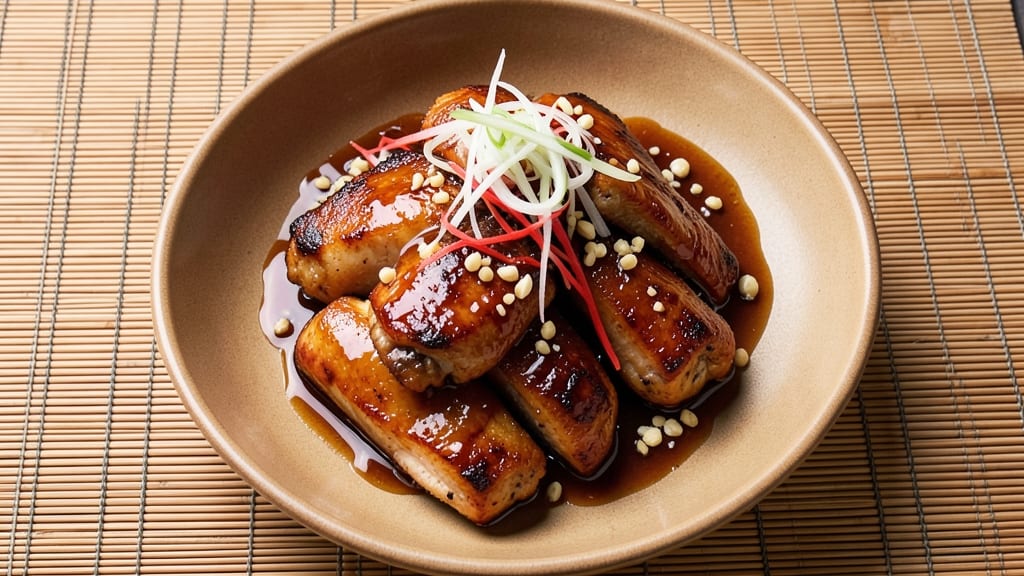
This Japanese teriyaki chicken marinade transforms ordinary chicken into restaurant-quality bites with its glossy umami glaze and subtle ginger warmth. The secret lies in balancing sweetness, salt, and acidity—where soy sauce provides depth, mirin adds brightness, and ginger delivers that signature kick without overpowering.
I developed this marinade after years of testing, ensuring it works equally well for grilled, baked, or pan-seared chicken.
The foundation of great teriyaki starts with high-quality ingredients: Japanese-style soy sauce, mirin, and a touch of honey or sugar create that signature caramelized shine. Fresh ginger and garlic infuse layers of aroma, while a splash of rice vinegar keeps flavors bright.
This marinade isn't just for chicken—it elevates tofu, shrimp, or even vegetables when given enough time to work its magic.
What you'll achieve is a deeply flavorful glaze that caramelizes beautifully during cooking, locking in moisture while creating a sticky, savory crust. The ginger's warmth lingers beneath the sweet-salty surface, making every bite complex and satisfying.
Whether you're prepping for a weeknight dinner or a weekend feast, this marinade cuts through the monotony of ordinary cooking.
Use it as a 2+ hour marinade for maximum flavor penetration, or brush it on during the last 10 minutes of cooking for a quick glaze. The possibilities are endless—let's create something extraordinary with this simple yet powerful blend.
Ingredients for japanese teriyaki chicken marinade
Nine ingredients transform simple chicken into restaurant-worthy umami perfection.
| Ingredient | Amount | Notes |
|---|---|---|
| Japanese-Style Soy Sauce 🥢 | ½ cup | High-quality brand like Kikkoman or Yamasa |
| Mirin 🍶 | ¼ cup | Sweet cooking wine, not mirin substitute |
| Fresh Ginger 🌿 | 2 tbsp | Finely grated, aromatic quality preferred |
| Garlic Cloves 🧄 | 4 cloves | Minced, fresh preferred for authentic flavor |
| Rice Vinegar 🍶 | 1 tbsp | Seasoned preferred for depth |
| Honey 🍯 | 2 tbsp | Wildflower preferred for floral notes |
| Sesame Oil 🫒 | 1 tbsp | Toasted sesame for nutty aroma |
| Diamond Crystal Kosher Salt 🧂 | 1 tsp | Fine grain for even dissolution |
| Black Pepper 🌶️ | ¼ tsp | Freshly cracked for subtle heat |
| Cornstarch 🌾 | 1 tsp | For glaze thickening during cooking |
The soy sauce and mirin are your flavor anchors—Kikkoman soy sauce and authentic mirin (not the sweetened substitute) create that signature depth. I always grab Yamasa mirin from Asian markets—it's worth the extra cost for that genuine umami punch. Fresh ginger matters here: look for vibrant, firm rhizomes with no soft spots. The garlic should be plump and firm, not shriveled. Sesame oil is non-negotiable for that nutty aroma—toasted sesame oil from bulk bins at Trader Joe's is my go-to. For the honey, wildflower variety adds subtle floral notes that complement the ginger beautifully.
No mirin? Dry sherry plus 1 tsp sugar gets you close, though it won't caramelize as beautifully. Substituting rice vinegar? Apple cider vinegar at half the amount works, but you'll lose some of that bright acidity. Out of sesame oil? Light toasted peanut oil adds a different but complementary nuttiness. The cornstarch is optional but essential for that signature glossy glaze—skip it if you prefer a more liquid marinade. For a vegetarian version, simply omit the chicken and use it on tofu or mushrooms. The marinade keeps its magic when stored properly.
This marinade develops best when refrigerated for at least 2 hours, but overnight is ideal. Store any leftovers in an airtight container for up to 1 week—the flavors actually deepen over time. For a quick glaze, brush it on during the last 10 minutes of cooking. The cornstarch will thicken beautifully when exposed to heat. Freeze portions in ice cube trays for 3 months—perfect for last-minute flavor boosts. Always taste before using; adjust honey or salt to your preference.
Why You'll Love This Recipe
- No-Fuss Pantry Magic: I swear by this marinade because it uses things I already have—no special trips to the store. That jar of mirin gathering dust? Perfect. Leftover ginger root? Even better. Just toss in the soy sauce, garlic, and vinegar, and let the fridge do the work while you chop veggies for the side.
- Umami Bomb Combo: The ginger and garlic aren’t just background players here—they sing with the sweet-salty soy and mirin. That crispy edge on the chicken? The glaze sticks like glue, but in a good way. Honestly, I’ve tried store-bought teriyaki, and this tastes like it was made in a Tokyo kitchen.
- Weeknight Superstar: This marinade is my go-to for everything: quick weeknight dinners, lunchboxes, or even a last-minute potluck dish. Toss it on chicken thighs for a sheet-pan dinner, or use it as a glaze for stir-fry. My kids ask for it more than takeout, and that’s saying something.
- Marinade That Pays Off: Make a double batch—it keeps for weeks in the fridge and turns bland chicken into something special later. I’ve used leftover marinade to baste roasted veggies or even drizzle it over rice. Not to mention, it’s cheaper than buying pre-made sauces, and you control the sugar. Win-win.
Step-by-step instructions for Japanese teriyaki chicken marinade
This marinade delivers that signature glossy sheen and deep umami flavor you crave.
Prepare the Aromatics and Ginger
Start by peeling and mincing the 4 cloves garlic cloves into a fine paste using a mortar and pestle or the flat side of your chef's knife. This releases more flavor than chopping. In a medium bowl, combine the minced garlic with the 2 tablespoons fresh ginger that you've grated using a microplane—this ensures you capture the aromatic oils without the fibrous texture. The ginger will add that subtle kick that makes this marinade truly special.
I like to use a fine-mesh strainer to press out any excess liquid from the ginger, which can dilute the marinade. You want the ginger to contribute its essence, not its moisture. Set this mixture aside while you prepare the remaining ingredients—this is where the magic begins.
Combine Wet Ingredients for Depth of Flavor
In a separate measuring cup, whisk together the 0.5 cup Japanese-style soy sauce and 0.25 cup mirin. This combination is the heart of the marinade, delivering that perfect balance of salty and sweet. Let these two ingredients sit for 5 minutes at room temperature—the mirin will begin to break down slightly, enhancing its sweetness and reducing its acidity.
Next, add the 1 tablespoon rice vinegar and 2 tablespoons honey to the soy-mirin mixture. Stir well to fully incorporate. The vinegar adds a bright acidity that cuts through the richness, while the honey rounds out the flavors and creates that signature glossy finish. You'll notice the mixture will start to thicken slightly as the honey begins to dissolve.
Build the Marinade Base with Umami and Nutty Notes
Return to your bowl with the garlic-ginger mixture and pour in the soy-mirin-honey-vinegar blend. Add the 1 tablespoon sesame oil and 1 teaspoon Diamond Crystal kosher salt, stirring vigorously to combine. The sesame oil will carry those nutty, toasty notes that elevate the marinade from good to extraordinary. At this point, you should taste the mixture—it should be sweet, salty, with a bright acidity and a hint of that ginger kick.
Now, add the 0.25 teaspoon black pepper. This might seem like a small amount, but it's crucial for adding subtle heat and depth. The pepper will mellow out as it marinates, but it ensures the flavors are well-rounded. Give everything one final stir to ensure the salt and pepper are evenly distributed throughout the mixture.
Thicken and Finish the Marinade
In a small bowl, whisk together the 1 teaspoon cornstarch with 2 tablespoons water to create a smooth slurry. This is the secret to achieving that perfect glossy glaze when you cook the chicken. Slowly pour the cornstarch slurry into the marinade while stirring constantly. The mixture will begin to thicken immediately, but don't worry—it will thin out again once it's fully incorporated.
Let the marinade sit at room temperature for 10-15 minutes, stirring occasionally. This resting period allows the flavors to meld together and the cornstarch to fully activate. You'll notice the marinade will have a syrupy consistency, perfect for clinging to the chicken and creating that beautiful caramelized crust during cooking.
Use Immediately or Store for Later
For best results, use the marinade immediately on your chicken. If you're preparing ahead, transfer the marinade to an airtight container and refrigerate for up to 3 days. The flavors will continue to develop over time, becoming even more complex. When you're ready to use it, give it a good stir—you might need to add a splash of water if it's thickened too much from resting.
To marinate the chicken, simply pour the marinade over 4 boneless, skinless chicken breasts or thighs in a resealable plastic bag, ensuring each piece is fully coated. Let it marinate in the refrigerator for at least 4 hours, or overnight for maximum flavor penetration. The longer it marinates, the more tender and flavorful your chicken will be.
Pro Tips For Making Japanese Teriyaki Chicken Marinade
- Simmer Slow and Low: After burning my first batch of marinade, I learned to keep the heat at a gentle simmer—not a rolling boil—once the ginger and garlic hit the pot. A steady, quiet bubble (about 3-4 minutes) lets the flavors meld without turning bitter, and no one wants a charred marinade ruining their chicken.
- Grate, Don’t Dice, the Ginger: I used to slice ginger thinly, but grating it—even roughly—releases more of that zesty punch into the marinade. Use about 1 tablespoon of fresh ginger, and if you’re short on time, a microplane works faster than a knife, but don’t skip the zest.
- Skip the Raw Garlic Burn: If your garlic cloves are stubbornly hard, give them a quick smash with the flat side of your knife before mincing. This softens them enough to infuse flavor without turning the marinade into a bitter, almond-scented disaster—trust me, I’ve tasted it.
- Strain for Smooth Sipping: If you’re using this marinade for glazing later, strain out the ginger and garlic fibers with a fine-mesh sieve after simmering. It’s extra work, but the silky result coats the chicken like a dream—no one wants to bite into a chunky surprise mid-bite. (Yes, I’ve done it.)
Wine and beer pairings for this recipe
Sake Pairings
Japanese sake is the perfect partner for teriyaki chicken, mirroring the marinade's sweet-salty balance. I recommend a dry junmai ginjo like Dassai 23—its crisp acidity and subtle fruit notes complement the ginger's warmth without overpowering.
The 14-15% ABV range ensures it won't clash with the dish's richness. For a lighter option, try Hakkaisan Junmai Daiginjo, which highlights the honey's floral undertones. 🍶
Serve the sake slightly chilled (45-50°F) to enhance its clean finish. Pour 4-5 oz per glass to let the teriyaki's umami shine through. If you prefer carbonation, a sparkling junmai like Gekkeikan Sparkling adds a refreshing contrast to the sticky glaze.
Light Beer Options
A crisp Japanese lager cuts through the marinade's intensity beautifully. Sapporo Premium or Asahi Super Dry (both 4.5-5% ABV) provide a neutral canvas that lets the teriyaki flavors stand out. The subtle hop bitterness balances the sweetness, creating a harmonious pairing. 🍺
For a craft beer twist, opt for a wheat beer like Orion Pilsner—its citrusy notes echo the rice vinegar in the marinade. Avoid heavy IPAs or stouts, as their bold flavors can overpower the delicate ginger and honey balance.
Red Wine Surprise
While white wine is traditional, a light-bodied Japanese red like Koshu (from Nagano) works surprisingly well. Its 12-13% ABV and earthy notes complement the soy sauce's depth. Serve slightly below room temperature (55-60°F) to preserve its freshness. 🍷
For a Western option, a Pinot Noir from Oregon (like Domaine Serene) mirrors the teriyaki's subtle fruitiness. Avoid heavy Cabernets—their tannins clash with the marinade's sweetness.
Non-Alcoholic Pairings
For a refreshing non-alcoholic option, try Japanese melon soda (like Ramune). Its citrusy sweetness mirrors the honey while the effervescence cleanses the palate. Alternatively, yuzu sparkling water (from Suntory) adds a bright, floral contrast to the umami richness. ✨
Herbal teas like genmaicha (green tea with roasted rice) provide a warm, nutty complement to the sesame oil's toasty notes. Brew at 175°F for 2-3 minutes to avoid bitterness.
Nutrition facts
Frequently asked questions
Can I use this marinade for other proteins besides chicken?
This marinade works beautifully with tofu, shrimp, or even salmon. For tofu, marinate for 30-60 minutes to avoid over-absorption. With shrimp, use it for 15-30 minutes max to prevent toughness. The ginger and soy balance especially shine with seafood.
What's the difference between this marinade and store-bought teriyaki sauce?
This marinade has fresh ginger and garlic for depth, while most store-bought sauces use powdered spices. The mirin and rice vinegar create a brighter, more complex flavor than the high-fructose corn syrup often found in bottled versions. Plus, you control the sweetness level!
How do I fix if my marinade turns out too thick or too thin?
For thick marinade, add 1-2 teaspoons water at a time until syrupy. For thin marinade, whisk in ½ teaspoon cornstarch with 1 teaspoon water until glossy. Always stir well after adjustments. The cornstarch slurry is your secret weapon for perfect consistency!
Can I make this marinade without mirin?
Yes! Mix 1 tablespoon dry sherry with 1 teaspoon sugar as a substitute. For a non-alcoholic option, use 1 tablespoon rice vinegar plus 1 teaspoon honey. The flavor won't be identical, but it'll still deliver delicious results. The key is balancing sweetness and acidity.
How long can I keep leftover marinade?
Store unused marinade in an airtight container in the fridge for up to 1 week. The flavors actually improve over time! For longer storage, freeze in ice cube trays for up to 3 months. Thaw overnight in the fridge before using.