
Soups & Stews
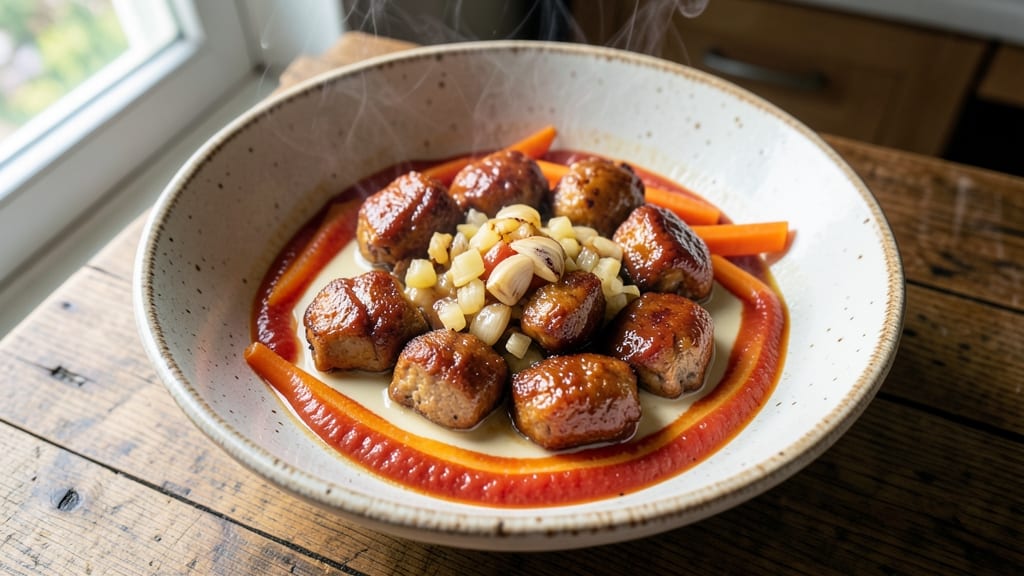
This stewed chicken gizzards recipe transforms tough, gamey pieces into tender, flavor-packed bites that disappear from the plate. Growing up in small-town Georgia, I learned how slow-simmered gizzards became a centerpiece at family gatherings—rich with umami and texture that no other cut delivers.
The secret lies in proper preparation and patient cooking, turning what many avoid into a dish worth savoring.
Cleaned and trimmed properly, gizzards absorb flavors like a sponge, soaking up herbs, spices, and broth until they’re fall-apart tender. This method requires just 30 minutes of active prep followed by 1.5 hours of hands-off simmering—ideal for weeknight meals when you want restaurant-quality depth without fuss.
The result? Bites that balance earthy richness with bright, aromatic notes, proving that offal can be just as satisfying as premium cuts.
What makes this recipe stand out is the umami bomb created by combining chicken stock, tomato paste, and a touch of soy sauce—deepening flavor without overpowering the natural taste.
Serve alongside crusty bread to soak up every drop of that velvety stew, or pair with mashed potatoes for a hearty meal that feels both rustic and refined. The key is confidence in the process; once you try it, you’ll never buy store-bought versions again.
Perfect for feeding a crowd, meal prepping, or impressing guests with a dish that feels special yet simple. Let’s get started—your taste buds will thank you for the transformation.
Ingredients for stewed chicken gizzards
Sixteen ingredients, one transformative dish. Gamey gizzards become tender umami bites with patience.
| Ingredient | Amount | Notes |
|---|---|---|
| Chicken Gizzards 🍗 | 2 ½ lb | Fresh, cleaned and trimmed |
| Yellow Onion 🧅 | 1 whole | Medium, chopped |
| Garlic Cloves 🧄 | 6 cloves | Peeled, smashed |
| Carrots 🥕 | 3 whole | Medium, chopped |
| Chicken Stock 🍲 | 4 cups | Homemade or high-quality |
| Tomato Paste 🍅 | 2 tbsp | Smooth, not chunky |
| Soy Sauce 🍜 | 1 tbsp | Light or all-purpose |
| Red Wine Vinegar 🍷 | 1 tbsp | For brightness |
| Fresh Thyme 🌿 | ½ oz | Or 1 tbsp dried |
| Bay Leaves 🌿 | 2 whole | Fresh preferred |
| Black Peppercorns 🌶️ | 1 tsp | Freshly cracked |
| Olive Oil 🫒 | 2 tbsp | Extra-virgin for searing |
| All-Purpose Flour 🌾 | ½ cup | For dredging |
| Salt 🧂 | 1 ½ tsp | Diamond Crystal preferred |
The gizzards are the star—look for bright red, firm pieces at your butcher or grocery store's meat counter. Costco or Whole Foods often carry them pre-cleaned, which saves time. If you're buying whole, soak them in cold water for 30 minutes to remove any blood, then scrub under cold water. The onions and carrots should be vibrant, not wilted—local farmers markets have the freshest. For the stock, homemade is ideal, but Pacific Foods or Swanson brands are solid if you're short on time. The tomato paste? Muir Glen or Rao's are the good stuff—none of that watered-down junk.
No soy sauce? Fish sauce at half the amount works in a pinch, but it's a different flavor profile. Fresh thyme is ideal, but dried works at one-third the amount. If you're avoiding wine vinegar, lemon juice or apple cider vinegar both work. The flour is just for dredging—King Arthur or Bob's Red Mill brands are reliable. For the olive oil, California Olive Ranch or Bertolli are good mid-range options. The key here is balance—don't skip the salt, but don't overdo it either. Taste as you go, especially after the initial sear.
This stew tastes even better the next day—make a double batch if you're feeding a crowd. Keeps for 4-5 days in the fridge, freezes beautifully for 3 months. I like to portion it into containers so lunches are sorted for the week. The gizzards will get firmer when cold, but a quick reheat in the sauce brings them back to perfection. Serve with crusty bread to soak up every last drop of that rich, umami sauce.
Why You'll Love This Recipe
- One-Pot Magic: I swear by this recipe because it’s literally one pot—no chopping boards, no extra pans, just dump and simmer. The gizzards soften right in the broth with onions and carrots, and by the end, everything melts together like a lazy Sunday hug.
- Umami Bomb: That first bite? Rich, deep, and slightly funky—like a hug from a well-seasoned chef. The garlic and onions caramelize into the stock, turning the gizzards into something dangerously tender, with just enough bite to keep things interesting.
- Leftovers That Don’t Suck: Between us, most stewed dishes turn into sad, watery meals by day three. Not this one. The gizzards stay juicy, the carrots hold their shape, and the stock thickens into a flavor bomb you’ll actually want to reheat—no sad slurping required.
- Budget Feast for All: I’ve fed six people for under $15 with this. The gizzards stretch the meal, the stock adds depth, and the veggies bulk it up without breaking the bank. Honestly, it’s my go-to when I need to impress someone but don’t want to spend a fortune.
Step-by-step instructions for stewed chicken gizzards
Here's how to transform tough gizzards into melt-in-your-mouth bites with deep umami flavor.
Prepare the Gizzards for Maximum Tenderness
Rinse the 2.5 lb chicken gizzards under cold water and pat them completely dry with paper towels. I like to trim any excess connective tissue—this helps them cook more evenly. Place them in a medium bowl and add the 0.5 cup all-purpose flour and 1.5 tsp salt, tossing gently to coat evenly. The flour creates a light barrier that prevents the gizzards from shrinking too much during cooking.
Next, heat 1 tablespoon of the 2 tbsp olive oil in a large skillet over medium-high heat. Once shimmering, add the gizzards in a single layer and cook for 3-4 minutes per side until golden brown. You'll see the edges crisp slightly—that's your signal to flip. Remove them and set aside. Don't overcrowd the pan or they'll steam instead of sear.
Build the Flavor Base with Aromatics
In the same skillet (no need to wipe it clean—those browned bits are flavor gold), add the remaining 1 tbsp olive oil. Toss in the chopped 1 whole yellow onion and cook for 5 minutes until softened and translucent. Add the smashed 6 cloves garlic and cook for another 30 seconds until fragrant—this prevents bitter garlic flavors.
Stir in the chopped 3 whole carrots, 2 tbsp tomato paste, 1 tbsp soy sauce, and 1 tbsp red wine vinegar. Cook for 3-4 minutes until the carrots begin to soften and the mixture develops a rich, caramelized color. Here's where the umami magic starts happening—the tomato paste and soy sauce create that deep savory foundation.
Simmer Gizzards Until Fork-Tender
Return the gizzards to the skillet and pour in the 4 cups chicken stock. Add the 0.5 oz fresh thyme, 2 whole bay leaves, and 1 tsp cracked black peppercorns. Bring to a gentle simmer over medium-low heat, then cover partially and let cook for 1 hour and 15 minutes. You want the liquid to bubble softly—not a rolling boil—that keeps the gizzards tender.
After the initial hour, check for doneness by piercing a gizzard with a fork. It should slide in easily with just slight resistance. If they're not quite there yet, continue simmering uncovered for another 15-20 minutes until the sauce reduces slightly and coats the gizzards beautifully. The longer they cook, the more flavor they absorb from the aromatic base.
Finish with Perfect Texture and Flavor
Once the gizzards are tender, remove them with a slotted spoon and set aside. Strain the cooking liquid through a fine-mesh sieve into a clean saucepan, pressing on the solids to extract maximum flavor. Return the gizzards to the sauce and simmer uncovered for 5-7 minutes to let the sauce thicken slightly and cling to the meat.
Taste and adjust seasoning—you might want to add a pinch more salt or a splash of red wine vinegar for brightness. Serve immediately with crusty bread or over mashed potatoes to soak up that rich, umami sauce. Each bite should be tender, juicy, and packed with layered flavors from the slow simmer.
Pro Tips For Making Stewed Chicken Gizzards
- SCORE THE GIZZARDS: Use a sharp knife to make a shallow crosshatch on each gizzard—this breaks down the tough fibers faster. I learned this the hard way after gnawing through rubbery gizzards for weeks.
- BROWN THEM FIRST: Sear the gizzards in batches over medium-high heat until deeply golden—about 4-5 minutes per side. The crust locks in flavor and prevents them from turning to mush later.
- SKIP THE STOCK BOIL: Bring chicken stock to a simmer before adding the gizzards, then lower heat to maintain a gentle bubble. Boiling stock makes gizzards tough; simmering keeps them tender.
- CHAR THE ONIONS: Caramelize the onions until they’re dark brown and sticky—about 15 minutes—before adding garlic. The deeper color and sweetness cut through the richness of the gizzards. (Yes, even if you’re impatient like me.)
Dietary considerations for this stewed chicken gizzards
Gluten-Free Adaptation
Skip the flour dredge entirely—gizzards don’t need it for tenderness when stewed properly. Instead, pat them thoroughly dry and sear in 2 tbsp olive oil over medium-high heat for 4-5 minutes per side until golden.
The key is a good sear to develop flavor before simmering. Use tapioca starch (2 tbsp) mixed with ½ tsp salt as a cornstarch alternative if you want a slight coating for texture. 🌾
Low-Carb/Keto Version
Replace the ½ cup flour with 1 tbsp psyllium husk powder mixed with ½ tsp salt—it mimics flour’s binding properties without carbs.
For the sauce, reduce the 4 cups chicken stock to 2 cups and add 1 tbsp coconut aminos (instead of soy sauce) plus 1 tbsp apple cider vinegar for tang. The psyllium helps the gizzards stay moist during the 1.5-hour simmer. Trust me, it’s a game-changer for keto dieters.
Dairy-Free Considerations
This recipe is naturally dairy-free, but if you’re serving with sides, swap mashed potatoes for cauliflower mash (steam 4 cups cauliflower florets, blend with 2 tbsp olive oil, ½ tsp salt, and ¼ cup nutritional yeast for cheesy flavor).
For extra richness in the stew, stir in 1 tbsp miso paste during the final 5 minutes of simmering—it adds umami without dairy. 🥬
Allergen-Friendly Swaps
For nut allergies, avoid any garnishes with toasted nuts. If soy is a concern, replace the 1 tbsp soy sauce with 1 tbsp coconut aminos or ½ tbsp fish sauce (for depth).
For gluten-free soy sauce, use San-J Tamari. Double-check all spices—some blends contain wheat. I always keep Penzeys Spices gluten-free labels in mind when shopping. 🌶️
Protein-Packed Boost
Add ½ cup cooked quinoa or ½ cup lentils to the pot during the final 30 minutes of simmering for extra protein and texture. Quinoa absorbs the flavors beautifully, while lentils add heartiness.
For a meatier twist, toss in ½ lb sliced mushrooms with the carrots—they’ll soak up all that umami goodness. This turns it into a one-pot meal with 30g+ protein per serving.
Nutrition facts
Frequently asked questions about stewed chicken gizzards
Why do I need to clean chicken gizzards before cooking?
Cleaning removes blood and connective tissue that can make them tough or bitter. Soak in cold water for 30 minutes to loosen impurities, then scrub under running water. Pat completely dry before dredging—moisture prevents proper browning and flavor development.
Can I substitute chicken stock with another liquid?
Yes, but the flavor will differ. Use broth (chicken or vegetable) for lighter taste, or white wine (1 cup) for deeper richness. For a vegetarian version, mushroom broth works well. Avoid water—it lacks the umami depth that makes this dish special.
How do I know when the gizzards are fully cooked?
They're done when they're fork-tender with no pink centers. After 1 hour 15 minutes of simmering, pierce one with a fork—it should slide in easily. If they're still firm, continue cooking uncovered for another 15-20 minutes. Overcooking can make them dry, so monitor closely.
What if my gizzards turn out rubbery?
Rubbery texture usually means they weren't cooked long enough or the heat was too high. Next time, simmer at a gentle low heat (soft bubbles) and extend cooking time by 15-20 minutes. Also ensure you're using fresh gizzards—they should be bright red and firm, not gray or slimy.
Can I make this recipe in a slow cooker?
Brown the gizzards and aromatics first, then transfer everything to the slow cooker. Cook on low for 6-7 hours or high for 3-4 hours. The slow cooker's gentle heat ensures perfect tenderness without monitoring. Just remember to reduce the stock slightly at the end for a thicker sauce.