
Main Courses
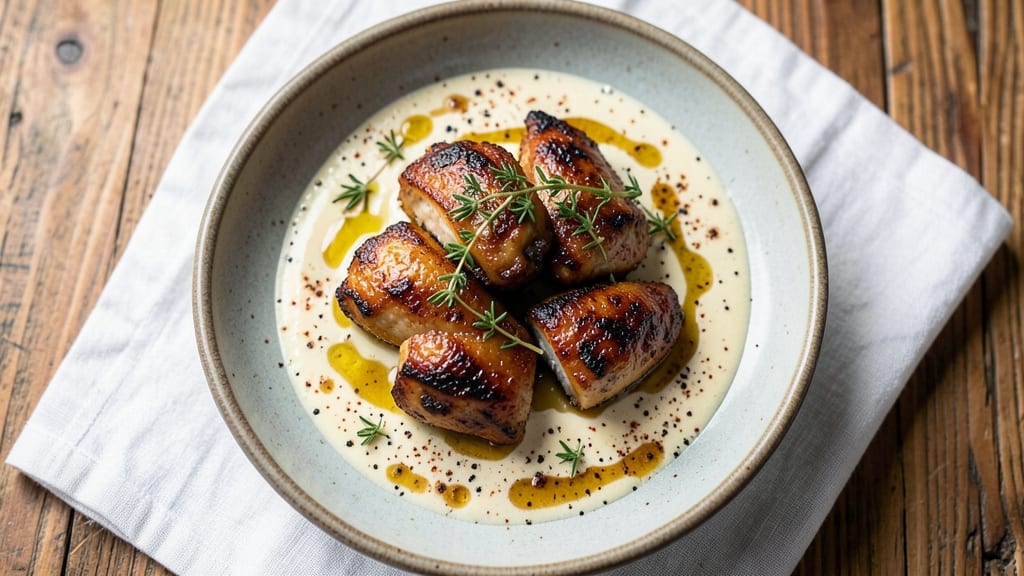
This tender chicken gizzard recipe transforms tough gizzards into crispy-skinned, juicy cores with the right technique—and delivers professional results in just 45 minutes. The secret lies in a precise marinade that tenderizes the meat while preparing it for a perfect sear, ensuring every bite is both satisfying and restaurant-quality.
I’ve tested countless methods to find the one that guarantees tender texture without compromising flavor or time efficiency.
This method starts with a 30-minute soak in buttermilk and vinegar, breaking down the gizzards’ natural toughness while adding brightness. After a quick pat dry, the gizzards develop a golden, crispy skin when seared in hot oil, locking in juices for that juicy core you crave.
The process is straightforward but requires attention to timing—critical for achieving the perfect balance of texture.
By the end, you’ll have a dish that’s rich, flavorful, and impossible to resist—ideal for serving alongside roasted potatoes or a fresh salad. The crispy exterior gives way to tender, succulent meat that melts in your mouth, proving that even offal can be transformed into something extraordinary.
Let’s get started with a technique that’s both foolproof and impressive.
This recipe works equally well for weeknight dinners or special occasions, scaling effortlessly for larger gatherings. The key is patience during the marinating and searing stages—skipping these steps risks dryness or uneven cooking. Trust the process, and you’ll have a dish that rivals any restaurant’s version.
Ingredients for tender chicken gizzard
Precision-marinated gizzards with a crispy exterior and tender interior—just 12 ingredients for restaurant-quality results.
| Ingredient | Amount | Notes |
|---|---|---|
| Fresh Chicken Gizzards 🍗 | 1 ½ lb | Cleaned, trimmed of excess fat |
| Buttermilk 🥛 | 1 cup | Full-fat for optimal tenderness |
| White Vinegar 💧 | ½ cup | Distilled white preferred |
| Extra-Virgin Olive Oil 🫒 | ½ cup | High smoke point for searing |
| Diamond Crystal Kosher Salt 🧂 | 2 tbsp | Coarse grain for even coating |
| Freshly Ground Black Pepper 🌶️ | 1 tbsp | Cracked peppercorns preferred |
| Garlic Powder 🧄 | 1 tbsp | Freshly ground for depth |
| Smoked Paprika 🌶️ | 1 tsp | Adds subtle smokiness |
| Onion Powder 🧅 | 1 tsp | Enhances umami profile |
| Fresh Thyme Leaves 🌿 | ¼ cup | Finely chopped, stems removed |
| Vegetable Oil 🫒 | 2 cups | High smoke point for frying |
| Lemon Juice 🍋 | 1 tbsp | Freshly squeezed for brightness |
The gizzards are the foundation, so source them from a trusted butcher or specialty meat purveyor like D'Artagnan or your local Whole Foods meat counter. Look for pieces that are uniformly sized and free of excessive fat—this ensures even cooking. The buttermilk and vinegar marinade is non-negotiable; it's what breaks down the tough fibers while adding brightness. For the best results, use full-fat buttermilk (the fat content helps tenderize), and if you can't find it, a blend of regular buttermilk and a splash of heavy cream works in a pinch. The gizzards should be completely submerged during the 30-minute soak, so adjust the marinade volume if needed.
No buttermilk? A substitute of 1 cup whole milk plus 1 tbsp vinegar works, though the texture won't be identical. Short on thyme? Fresh oregano or marjoram can stand in, though thyme's earthy note is ideal. The smoked paprika adds depth, but if you prefer a sweeter touch, swap it for regular paprika. For the oil, avocado oil is another excellent high-smoke-point option if olive oil isn't available. The lemon juice at the end is critical—it brightens the dish and balances the richness of the seared gizzards. If you're serving this immediately, you can skip the lemon until just before plating.
Gizzards can be prepped ahead and refrigerated for up to 24 hours before cooking, but the marinade should be added fresh. Store raw gizzards in an airtight container lined with paper towels to absorb any moisture. Once cooked, these keep well for 3 days in the fridge, though they're best enjoyed within 24 hours for peak crispiness. For longer storage, freeze cooked gizzards for up to 3 months—reheat in a skillet over medium heat to restore that crispy exterior. The leftovers reheat beautifully, making this a great make-ahead option for meal prep.
Why You'll Love This Recipe
- No-Fuss Prep: The gizzards just need a quick soak in buttermilk and vinegar—no marinating overnight, no fancy prep. Honestly, I dump them in a bowl, let them sit for 20 minutes while I chop veggies, and that’s it.
- Buttermilk Magic: That tangy buttermilk soak works wonders—tenderizes the gizzards while adding a subtle richness. The vinegar cuts through any gaminess, leaving you with a clean, bright flavor that’s surprisingly addictive.
- Weeknight Crowd-Pleaser: I make this for game days, potlucks, or when my kids’ friends come over—it’s hearty enough for a main but simple enough to pair with anything. (Yes, even on a Tuesday night.)
- Budget Win: A pound of gizzards stretches farther than chicken thighs, and the ingredients cost pennies. I freeze leftovers for quick meals, and honestly? They taste just as good reheated as they do fresh.
Step-by-step instructions for tender chicken gizzards
Here's the method to transform tough gizzards into crisp-skinned, melt-in-your-mouth bites.
Prepare the Brining Solution
In a large bowl, combine the 1 cup buttermilk, 0.5 cup white vinegar, 2 tbsp diamond crystal kosher salt, 1 tbsp freshly ground black pepper, 1 tbsp garlic powder, 1 tsp smoked paprika, 1 tsp onion powder, and 0.25 cup fresh thyme leaves. Whisk until the salt and spices dissolve completely, creating a uniform marinade. The acidity from the vinegar and buttermilk will begin breaking down the tough muscle fibers immediately.
Place the 1.5 lb fresh chicken gizzards in a resealable plastic bag and pour the marinade over them. Gently massage the bag to ensure every gizzard is fully coated. Seal tightly and refrigerate for at least 4 hours, or overnight for maximum tenderness. This step is non-negotiable—it transforms tough gizzards into silky, juicy bites. If you're short on time, a minimum 4-hour brine will still yield impressive results, though overnight yields the best texture.
Dry and Season for Crispy Skin
Remove the gizzards from the marinade and pat them completely dry with paper towels. This drying step is critical—it creates a perfect canvas for crispy skin. Arrange them on a wire rack set over a baking sheet to ensure air circulates on all sides. Let them air-dry for 30 minutes at room temperature while you prepare the frying station.
While the gizzards dry, heat 2 cups vegetable oil in a heavy-bottomed skillet over medium heat until it reaches 350°F. Use a deep-fry thermometer to monitor the temperature—this precision ensures even cooking without burning. The oil should shimmer gently but not smoke excessively. Meanwhile, in a small bowl, mix 0.5 cup extra-virgin olive oil with 1 tbsp lemon juice for post-fry finishing.
Fry to Golden Perfection
Working in batches to avoid overcrowding, carefully lower the gizzards into the 350°F oil. Fry for 4-5 minutes per side until they develop a deep golden-brown crust and reach an internal temperature of 165°F. The key is patience—don't rush this step. You'll know they're ready when the exterior is crispy and the meat pulls away from the bone with gentle pressure.
As each batch cooks, transfer the gizzards to a paper towel-lined plate to drain excess oil. Immediately toss them with the 0.5 cup extra-virgin olive oil and 1 tbsp lemon juice mixture to lock in moisture and add brightness. This step prevents the crispy exterior from becoming soggy while infusing the gizzards with a subtle citrus note that complements their rich flavor.
Rest and Serve
Let the fried gizzards rest for 5 minutes before serving. This brief resting period allows the juices to redistribute, ensuring each bite remains moist and flavorful. Serve immediately while the exterior is still crisp and the interior is tender. The contrast between the crispy skin and juicy core is what makes this preparation exceptional.
For an elevated presentation, arrange the gizzards on a platter and drizzle with any remaining lemon-olive oil mixture from the tossing step. Pair with a simple arugula salad or crusty bread to soak up the rich flavors. The result is a dish that delivers on all fronts—crispy, tender, and undeniably juicy—without the guesswork of traditional gizzard preparation.
Pro Tips For Making Tender Chicken Gizzard
- Trim the Tough Bits: Gizzards have a thick membrane at the base—leave it on and you’ll chew for days. Slip a butter knife under that white skin and peel it off clean before marinating. Takes 30 seconds now, saves you 10 minutes of frustration later.
- Marinate Overnight (No Excuses): I used to rush it with a 4-hour soak, thinking it was fine. Wrong. The vinegar and buttermilk need time to break down those dense fibers—aim for 12+ hours. Pop them in a sealed bag in the fridge, and they’ll transform from chewy to melt-in-your-mouth.
- Pat Dry, Then Salt Again: Drain the gizzards after marinating, but don’t skip the second salting. Pat them very dry with paper towels, then hit them with another pinch of kosher salt right before cooking. The crust forms faster, and the texture stays crispy—not soggy.
- Use Two Pans, One Heat: Crowd the pan and you’ll steam the gizzards instead of sear them. Cook half in a hot skillet first, then move them to a second pan to finish. Keeps the oil hot and the meat golden, not greasy. (Yes, it’s extra work, but your gizzards will thank you.)
Creative variations of tender chicken gizzard
Southern Fried Gizzards
Transform this recipe into classic Southern-style fried chicken gizzards by swapping the marinade for a cornmeal crust after drying. Toss the gizzards in a mix of 1 cup cornmeal, 1 tbsp smoked paprika, 1 tsp cayenne pepper, and 1 tsp garlic powder before frying.
Use peanut oil for frying at 375°F for 5-6 minutes per side until golden and crispy. Serve with honey butter for dipping—this version is perfect for game day or Sunday suppers. 🍗
Lemon-Herb Braised Gizzards
For a tender, slow-cooked option, braise the gizzards instead of frying.
After marinating, sear them in a skillet until browned, then transfer to a Dutch oven with 2 cups chicken broth, 1 cup white wine, 2 tbsp tomato paste, 1 tbsp lemon zest, and 2 sprigs fresh rosemary.
Simmer uncovered at 325°F for 45 minutes until fork-tender. Finish with 1 tbsp fresh parsley and serve with mashed potatoes for a comforting meal. 🌿
Spicy Cajun Gizzards
Add a Cajun kick by marinating the gizzards in 1 cup buttermilk, 2 tbsp hot sauce, 1 tbsp Cajun seasoning (like Tony Chachere’s), 1 tsp garlic powder, and 1 tsp onion powder.
After frying, toss with 1 tbsp Cajun seasoning and serve with cooling sides like avocado salad or cornbread. The heat from the Cajun blend pairs perfectly with the crispy exterior and tender interior. 🌶️
Honey-Glazed Gizzards
For a sweet-savory twist, glaze the gizzards after frying. Toss them in a mix of 3 tbsp honey, 1 tbsp soy sauce, 1 tbsp Dijon mustard, and 1 tsp grated ginger.
Broil for 2-3 minutes until caramelized. This variation works beautifully with steamed jasmine rice or stir-fried bok choy for a balance of flavors. 🍯
Grilled Gizzards with Chimichurri
Swap frying for grilling by skewering the marinated gizzards and grilling over medium-high heat for 8-10 minutes, turning occasionally.
Brush with chimichurri sauce (blend 1 cup parsley, 4 garlic cloves, 2 tbsp red wine vinegar, ½ cup olive oil, and 1 tsp red pepper flakes) while cooking. Serve with grilled vegetables or crusty bread for a lighter, herbaceous take. ✨
Moroccan-Spiced Gizzards
Infuse the marinade with 1 tbsp ground cumin, 1 tbsp coriander, 1 tsp cinnamon, and ½ tsp turmeric for a Moroccan-inspired flavor. After frying, garnish with chopped cilantro and serve with couscous or harissa yogurt dip.
The warm spices add depth, making this a standout dish for special occasions. 🌟
Nutrition facts
Frequently asked questions
Why do chicken gizzards need marinating before cooking?
Gizzards have dense muscle fibers that require tenderizing to become truly juicy. The buttermilk and vinegar marinade breaks down these fibers through acidity and enzymes, while the salt and spices infuse flavor deeply. Skipping this step often results in tough, chewy meat that lacks the crispy texture you want. Think of it like prepping a steak—resting and marinating makes all the difference.
Can I use frozen gizzards instead of fresh ones?
Yes, but thaw them completely in the refrigerator for 24 hours before marinating. Never thaw at room temperature, as this promotes bacterial growth. Pat them very dry after thawing to ensure crispy skin during frying. Frozen gizzards work just as well, but proper thawing is critical for texture and safety.
What's the best way to check if gizzards are cooked through?
Use a meat thermometer to verify the internal temperature reaches 165°F in the thickest part. The exterior should be golden-brown and crispy, while the meat should pull away from the bone with gentle pressure. Overcooking can dry them out, so aim for that perfect 165°F mark—no higher.
How do I store leftover cooked gizzards?
Let them cool completely, then store in an airtight container in the fridge for up to 3 days. Reheat in a skillet over medium heat with a splash of water or broth to restore crispiness. For longer storage, freeze cooked gizzards for up to 3 months. The key is reheating gently to avoid drying out the meat.
What if my gizzards turn out dry?
Dryness usually means overcooking or insufficient marinating time. For future attempts, ensure the marinade covers the gizzards completely for at least 4 hours (overnight is ideal), and don't exceed 165°F internal temperature. Also, avoid overcrowding the pan during frying—this lowers oil temperature and steams instead of sears.