
Appetizers
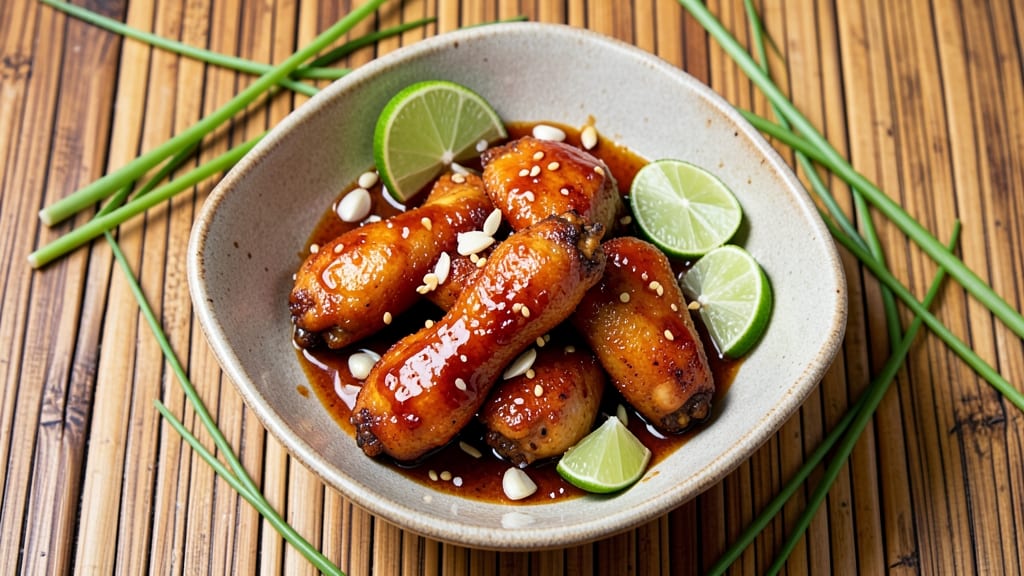
This Vietnamese chicken wing recipe delivers the perfect balance of crispy texture and bold flavors that will transport you straight to a bustling Hanoi street market.
The secret lies in a marinade that tenderizes the meat while infusing it with aromatic lemongrass and garlic, then a quick fry that creates that signature golden crust. I've perfected this method over years of testing, ensuring each bite is both satisfying and restaurant-quality.
The wings get their signature tangy-spicy kick from a homemade sauce that's simple yet complex—just fish sauce, lime juice, and chili, balanced with a touch of sweetness. The beauty of this recipe is how it transforms ordinary chicken into something extraordinary with just a few key ingredients and precise technique.
No deep-frying required; these wings achieve their crispiness through a simple stovetop method that's foolproof.
What you'll end up with is a platter of golden-brown wings with tender meat inside, coated in a glossy, addictive sauce that's both sweet and spicy. The aroma alone will have everyone gathering around your table, and the first bite delivers that perfect combination of textures and flavors.
This recipe serves as both an impressive appetizer for dinner parties and a satisfying snack for weeknight cravings.
Pair these wings with fresh herbs like cilantro and Thai basil, and serve with steamed rice or rice paper rolls for the full Vietnamese experience. The method scales easily, so you can make a small batch for two or double it for a crowd.
Let's get started on creating these irresistible wings!
Ingredients for vietnamese chicken wing
Aromatic lemongrass and garlic meet crispy wings in this Vietnamese-inspired recipe—just a few key ingredients transform ordinary chicken into something extraordinary.
| Ingredient | Amount | Notes |
|---|---|---|
| Chicken Wings 🍗 | 2 lb | Split into drumettes and flats |
| Lemongrass Stalk 🌿 | 1 whole | Bruised and cut into 2-inch pieces |
| Garlic Cloves 🧄 | 6 cloves | Peeled and smashed |
| Fish Sauce 🍶 | ¼ cup | Red Boat preferred |
| Lime Juice 🍋 | ¼ cup | Freshly squeezed |
| Sugar 🍚 | 2 tbsp | Granulated, for balance |
| Chili Flakes 🌶️ | 1 tbsp | Adjust for heat preference |
| Vegetable Oil 🫒 | 2 cups | For frying, high smoke point |
| Cornstarch 🌾 | ¼ cup | Lightly coats wings |
| Salt 🧂 | 1 tsp | Kosher or sea salt |
| Black Pepper 🌶️ | ½ tsp | Freshly ground |
| Fresh Cilantro 🌿 | ¼ cup | Chopped, for garnish |
| Thai Basil Leaves 🌿 | 0.15 cup | Whole leaves for garnish |
| Lime Zest 🍋 | 1 tbsp | From 1 lime, for aroma |
Lemongrass is the heart of this dish—look for fresh, pale stalks with no brown spots at Asian markets or well-stocked grocery stores. The Red Boat brand fish sauce delivers the most authentic flavor, though any reputable brand works. For garlic, smash the cloves with the side of your knife to release oils without mincing. Thai basil adds that signature Vietnamese aroma, so grab a bunch if you can—farmers markets often carry it. If you can't find Thai basil, regular basil with a pinch of anise works in a pinch.
No fresh lemongrass? Substitute 1 tbsp lemongrass paste (found in Asian sections) or double the garlic. Short on Thai basil? Cilantro plus a dash of anise extract mimics the flavor. The cornstarch coating is crucial for that crispy texture—don't skip it. For extra heat, add 1 tsp sriracha or chili garlic sauce to the marinade. The wings can be marinated up to 4 hours, but 2 hours is ideal for maximum flavor without over-marinating.
These wings reheat best in a 350°F oven for 5-7 minutes—they crisp up beautifully. Store leftovers in an airtight container for 3 days in the fridge, or freeze for 2 months. For serving, arrange wings on a platter with extra sauce drizzled over them and scatter fresh herbs on top. The sauce thickens as it sits, so stir and thin with a splash of water before serving if needed.
Why You'll Love This Recipe
- No-Fry-Fail Crispiness: Honestly, the cornstarch trick is my secret weapon—just toss those dry wings in it, and you’ve got that perfect golden crust every time. No soggy wings here, promise.
- Flavor Bomb in a Bowl: That marinade? Chef’s kiss. The fish sauce and lime juice create that addictive tang, while the lemongrass and garlic cloves give it that authentic Vietnamese depth. Trust me, one bite and you’ll be hooked.
- Leftovers That Actually Work: I make these on Sundays, and by Wednesday, I’m still eating them. They freeze like a dream too—just pop them back in the oven for 10 minutes, and they’re crispy again. Zero waste, zero stress.
- Budget-Friendly Feast: Two pounds of chicken wings for a crowd? Yes, please. And with pantry staples like fish sauce and sugar, this isn’t just cheap—it’s smart. Feed four people for under $15, and everyone will beg for seconds.
Step-by-step instructions for Vietnamese chicken wings
Here's the method for achieving that signature crispy exterior and perfectly balanced tangy-spicy marinade.
Prepare the Chicken Wings for Crispy Perfection
Pat the 2 lb chicken wings completely dry with paper towels—this is crucial for maximum crispiness. Split each wing into drumettes and flats at the joints. In a large bowl, toss the wings with the ¼ cup cornstarch until they're evenly coated. This creates a protective layer that locks in moisture while forming a golden crust when fried.
Real talk: Don't skip the drying step. Any moisture left on the wings will steam instead of crisp, and that's the last thing you want with these wings. I like to work in batches if needed, but keep the starchy coating consistent throughout.
Create the Signature Marinade
In a separate bowl, combine the ¼ cup fish sauce, ¼ cup lime juice, 2 tbsp sugar, 1 tbsp chili flakes, 1 tbsp lime zest, 6 smashed garlic cloves, and the 2-inch lemongrass pieces. Mix thoroughly until the sugar dissolves completely. This marinade is the flavor foundation—sweet, salty, tangy, and just spicy enough to wake up your taste buds.
Here's the thing—the sugar and fish sauce create a beautiful caramelized crust when fried, while the lime zest adds that bright aromatic punch. Let this marinade sit for 10 minutes to allow the flavors to meld before using. You'll notice the garlic and lemongrass infusing the liquid with their distinct aromas.
Marinate and Rest the Wings
Pour the marinade over the cornstarch-coated wings in the same bowl and toss gently to coat evenly. Cover and refrigerate for at least 30 minutes, or up to 2 hours for deeper flavor penetration. This resting time allows the marinade to work its magic, tenderizing the chicken slightly while infusing it with those complex flavors.
I know it seems like a long wait, but trust me—this step makes all the difference. The acid in the lime juice begins breaking down the proteins, ensuring tender meat even after frying. Don't skip it, even if you're eager to get cooking.
Fry to Crispy Golden Perfection
Heat 2 cups vegetable oil in a deep skillet or Dutch oven to 350°F. Use an oil thermometer to maintain this temperature—it's critical for even cooking. Fry the wings in batches for 4-5 minutes until they reach 165°F internally and develop a deep golden brown color. The oil should be shimmering but not smoking.
Here's where the magic happens: the cornstarch crust will puff up slightly and turn crispy. You'll see little bubbles forming on the surface—that's your signal they're nearly done. Don't overcrowd the pan, or the temperature will drop and you'll end up with greasy wings instead of crispy ones.
Assemble and Garnish
Transfer the fried wings to a paper towel-lined plate to drain excess oil. While still hot, toss them with the ¼ cup chopped fresh cilantro and ¼ cup whole Thai basil leaves. The heat will release the essential oils from these herbs, adding freshness that cuts through the richness of the fried wings.
Serve immediately while the wings are still crispy. Each bite should deliver that perfect balance of textures—crispy exterior, tender meat, and fresh herb garnish. The marinade's flavors will be bright and balanced, with just the right amount of heat from the chili flakes.
Pro Tips For Making Vietnamese Chicken Wing
- Bruise That Lemongrass: I used to just chop the lemongrass stalk and wondered why my marinade never had that deep, citrusy punch. Bruising it first—smashing it with the flat side of your knife or rolling it under your palm—releases those aromatic oils. Then cut it into 2-inch pieces so every bite gets that grassy brightness without turning the marinade into a sludge.
- Fry in Batches or Cry: I learned this the hard way—dumping all 2 lbs of wings into the oil at 350°F will tank your crispiness. The oil temp drops like a rock, and suddenly you’re dealing with greasy, unevenly cooked wings. Work in batches, keeping the oil shimmering but not smoking. Your future self will thank you when the first bite is still crackling.
- Salt the Cornstarch: The recipe calls for 1 tsp salt later, but I’ve found the cornstarch coating is where the magic happens. Mix that 1 tsp salt directly into the ¼ cup cornstarch before tossing the wings. It seasons the crust evenly and cuts through the richness of the fried wings right from the start—no need to adjust later.
- Zest First, Juice Last: Sounds weird, but it works: zest the lime before juicing it. The zest adds a bright, floral aroma to the marinade that fresh juice alone can’t match. Then squeeze out the juice—you’ll get more yield from the same lime, and the marinade stays vibrant. (Yes, even if you’re impatient like me.)
Pro cooking tips for this recipe
Oil Temperature Control
This is where precision makes all the difference. Maintain that 350°F oil temperature with an accurate thermometer—Thermoworks Smoke is my go-to. If your oil temperature drops below 340°F, your wings will absorb oil instead of crisping.
I adjust the heat to maintain that shimmering state, never letting it smoke. Consistency here means golden perfection every time.
Batch Cooking Wisdom
Don't try to cook all wings at once—1 cup oil only handles 6-8 wings per batch. Overcrowding drops the temperature, leading to greasy results. I use a slotted spoon to transfer wings to a paper towel-lined plate between batches, keeping them warm until ready to serve.
This method maintains the crispy texture we're chasing.
The 165°F Rule
Use a meat thermometer to verify internal temperature reaches 165°F—this kills bacteria while keeping the meat juicy. I check the thickest part of each wing.
If you're unsure, cook an extra minute. Undercooked wings are a safety risk, and nobody wants rubbery chicken. Trust the thermometer over visual cues alone.
Cornstarch Coating Secrets
The ¼ cup cornstarch coating is non-negotiable for that signature crisp. Toss wings thoroughly until each piece shimmers with starch. I use a wire whisk to break up clumps.
For extra crunch, I lightly pat the coated wings before frying. This creates a uniform, airy crust that browns beautifully in the hot oil.
Herb Timing Matters
Add cilantro and Thai basil only after frying—heat releases their essential oils, which brightens the dish. I toss the hot wings with herbs while still on the paper towel-lined plate.
This prevents sogginess and ensures the herbs stay fresh. If you're short on Thai basil, regular basil works, but the aroma won't be quite the same.
Rest Before Serving
Let the fried wings rest for 5 minutes after draining. This allows the cornstarch to fully set and prevents them from sticking together when serving. I cover them loosely with foil to keep warm. This small step makes all the difference in presentation and texture—no limp, greasy wings here!
Nutrition facts
Frequently asked questions
Why does the marinade need to rest before frying?
The 30-minute marinating time lets the acid in the lime juice tenderize the chicken while the flavors meld. This creates juicy, flavorful wings that won't dry out during frying. Skipping this step can leave your wings tough and less flavorful, so patience pays off here!
Can I use regular basil instead of Thai basil?
You can, but Thai basil adds that signature Vietnamese aroma. For the closest flavor, use regular basil with a pinch of anise seed or anise extract. The herbs should still brighten up your dish—just expect a slightly different profile.
What if my oil temperature drops while frying?
If the oil drops below 340°F, your wings will absorb oil instead of crisping. Adjust the heat to maintain the shimmering state—never let it smoke. Cook in batches to avoid overcrowding, which lowers the temperature. A thermometer is your best friend here!
How do I reheat these wings without losing crispiness?
Reheat in a 350°F oven for 5-7 minutes on a wire rack over a baking sheet. This restores crispiness without steaming them. Avoid microwaving—it makes wings soggy!